Key takeaways
- Power generation facilities are inherently dangerous, with risks of electrocution, arc flash, falls, and chemical exposure.
- Quadruped and crawler robots navigate complex terrain to perform inspections without de-energizing equipment, improving safety.
- Robots use thermal cameras, acoustic sensors, and high-resolution imaging to detect faults before they cause outages.
- Automated, frequent monitoring provides consistent data for predictive maintenance, reducing costly unplanned downtime.
- Specialized robots can clean high-voltage insulators while lines are live, preventing flashovers and improving grid reliability.
Why are Power Plants and Substations So Hazardous?
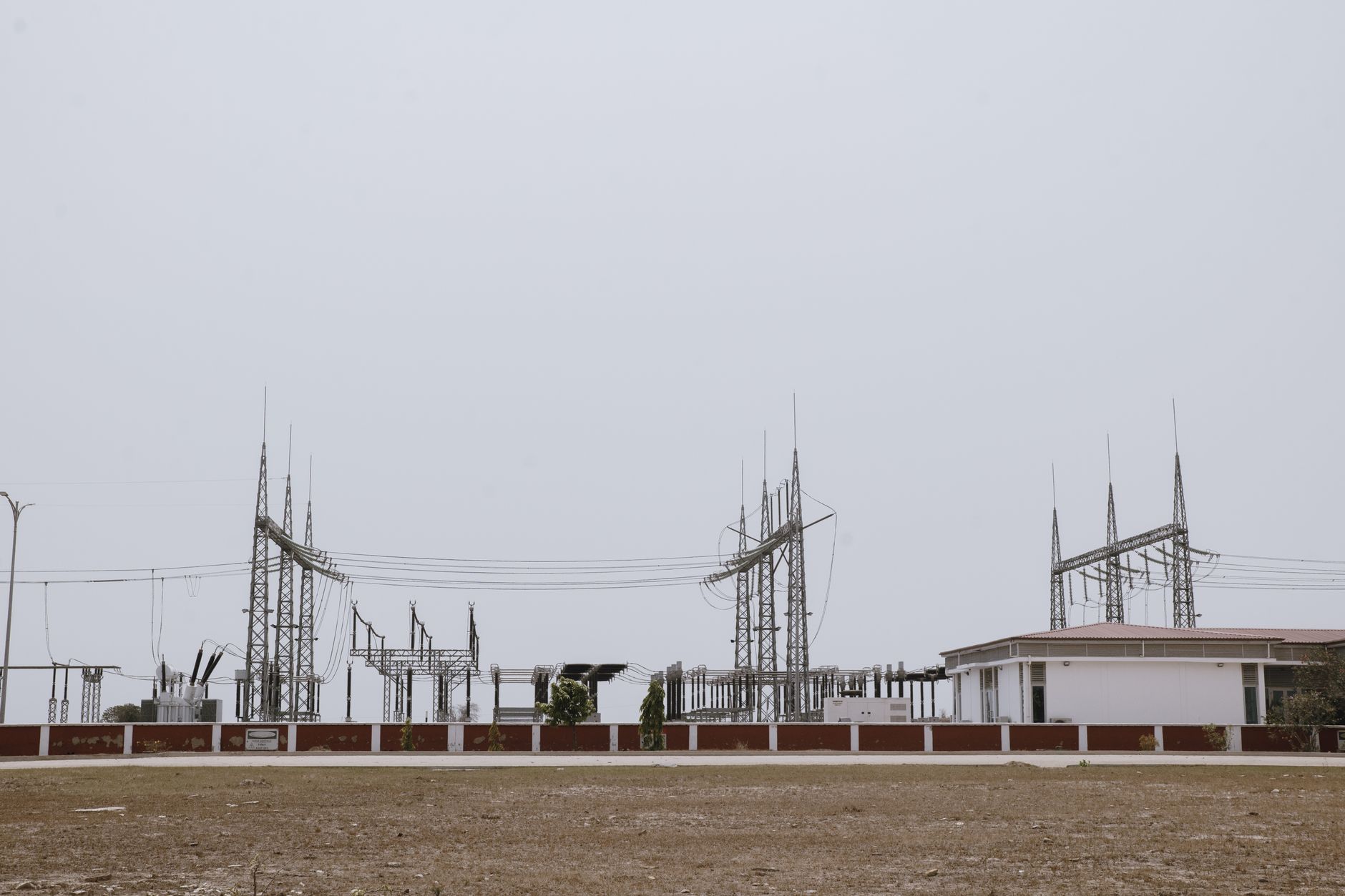
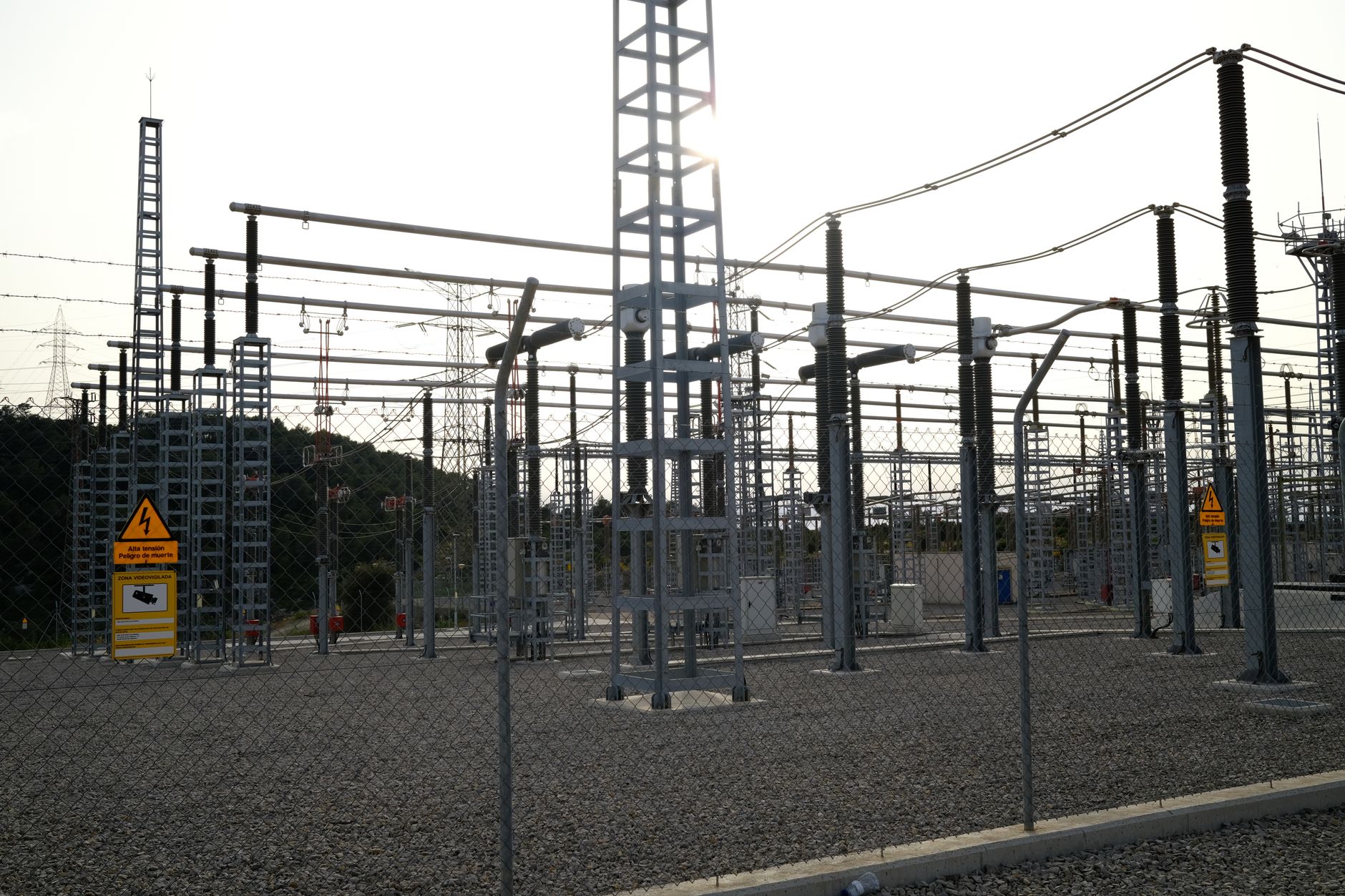
Power generation and distribution facilities are among the most dangerous industrial environments for human workers. The fundamental nature of the work involves proximity to high-voltage equipment, where a single misstep can have catastrophic consequences. The most significant dangers include direct electrocution, arc flash events that can produce supersonic pressure waves and temperatures hotter than the sun's surface, and falls from heights.
According to the U.S. Bureau of Labor Statistics, the utility industry experienced an average of 25.6 fatalities per year between 2016 and 2020. The nonfatal injury rate is also high, with 73.6 incidents per 10,000 full-time workers in utility system construction during 2020 alone. These numbers reflect the inherent risks of working around energized components, heavy machinery, pressurized equipment, and in some older facilities, hazardous materials like asbestos.
Routine inspection and cleaning tasks often require personnel to enter confined spaces, work at significant heights, or operate near live wires, all of which elevate the risk profile. By deploying robots to perform these essential duties, energy companies can remove their human teams from immediate danger, fundamentally improving site safety.
What Kinds of Robots Are Used in These Environments?
Two primary types of ground robots are proving exceptionally valuable in power facilities: quadrupeds and crawlers. Each is suited for different aspects of the challenging terrain found in plants and substations.
Quadruped robots, with their four-legged design, offer remarkable mobility. They can navigate uneven ground, walk over grating, and climb stairs, mimicking the agility of an animal. This allows them to access many areas within a facility, from outdoor switchyards with gravel and rails to indoor power distribution rooms with tight clearances.
Crawler robots, which move on tracks, provide exceptional stability and are often designed for specific tasks like ascending structures or moving along cables. These rugged platforms can carry heavier payloads and are well-suited for repetitive patrols along defined paths, such as pipeline corridors or the base of large equipment.
How Do Robots Perform Critical Inspections?
Robotic inspection transforms facility maintenance from a reactive, time-based process to a proactive, data-driven strategy. Equipped with sophisticated sensor payloads, these machines can patrol autonomously, collecting consistent, high-quality data 24/7.
Common inspection tasks automated by robots include:
By performing these checks frequently and autonomously, robots provide a constant stream of data. This allows operators to detect subtle changes over time, identifying potential failures long before they become critical and lead to expensive, unplanned outages. Companies using robotics for these types of inspections report significant improvements in operational efficiency and safety.
- Thermal Imaging: Onboard infrared cameras scan for hotspots on transformers, connections, and switchgear, which are early indicators of failing components or loose connections.
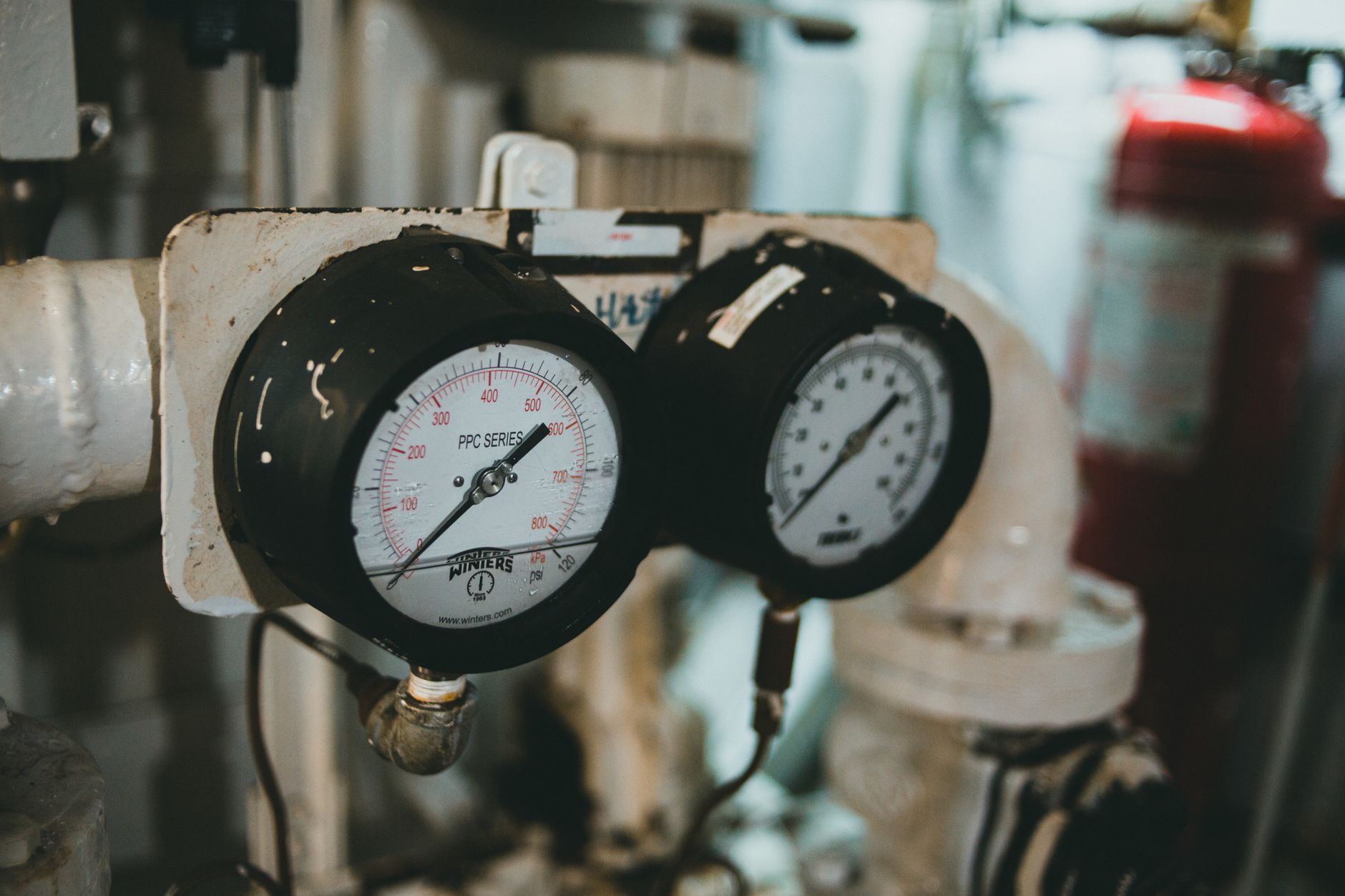
- Visual and Acoustic Checks: High-resolution cameras read analog gauges, check for corrosion, and spot structural damage, while acoustic sensors can detect the signature sound of gas or pressure leaks.
- Partial Discharge Detection: Specialized sensors can identify partial discharge, an electrical phenomenon that often precedes insulation failure in high-voltage equipment.
- General Asset Monitoring: Robots create a digital record of equipment status, ensuring that monitoring rounds are never missed and that the data is standardized for better analysis.
Can Robots Clean High-Voltage Equipment?
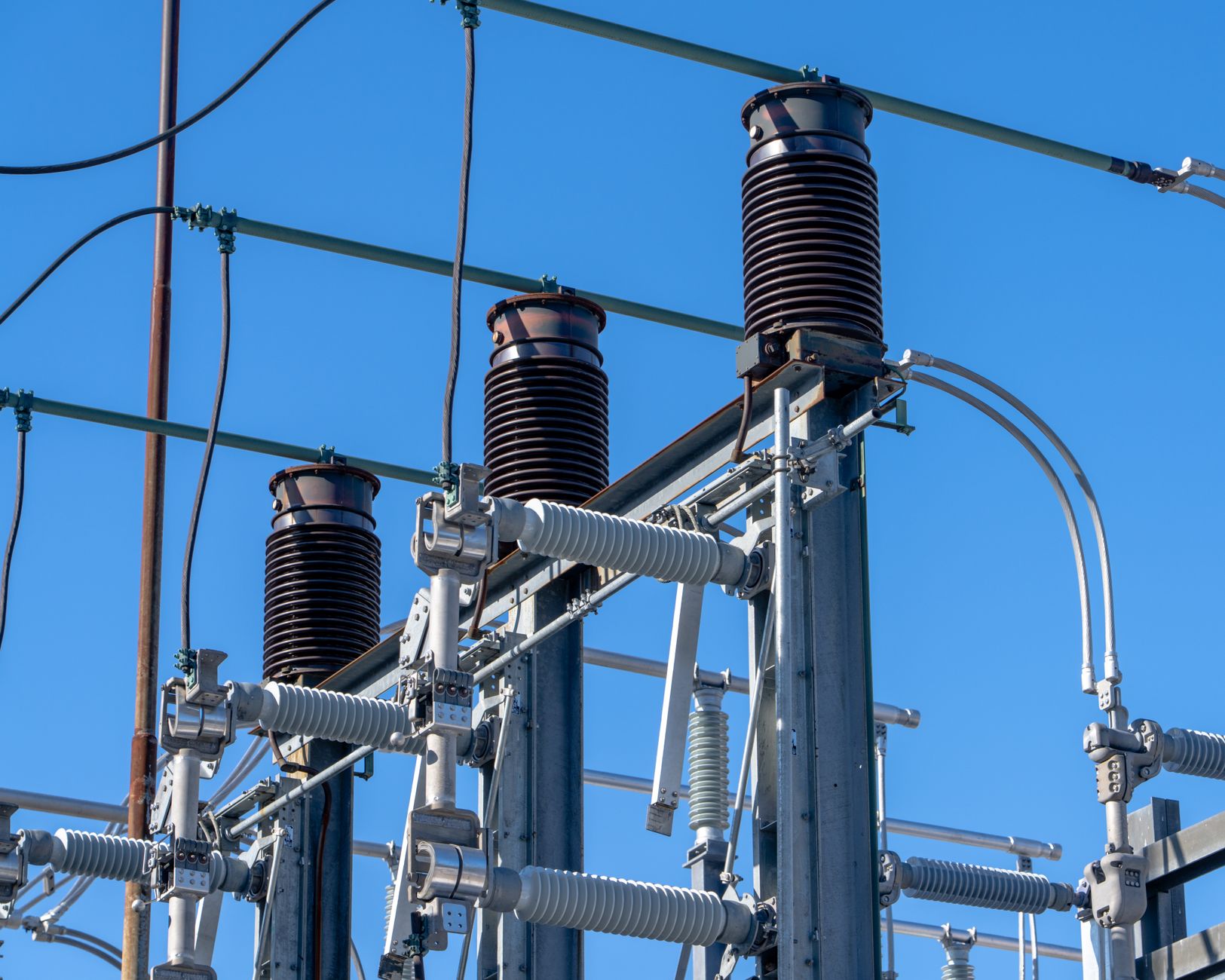
Beyond inspection, specialized robots are also being deployed for essential cleaning tasks, most notably on high-voltage insulators. Over time, insulators on transmission and distribution lines accumulate dust, salt, and industrial pollution.
This contamination, when mixed with moisture, can create a conductive path, leading to a dangerous event called a flashover, which can cause power outages. Traditionally, cleaning these insulators required de-energizing the line and having crews work at heights, a dangerous and disruptive process.
Purpose-built robots can now climb towers or crawl along insulator strings to clean them while the lines remain live. Using methods like high-pressure water jets or dry brushing, these systems remove harmful buildup, improving grid reliability and eliminating a high-risk manual task for human workers.
What is the Real-World Payback of Robotic Deployment?
The return on investment for using robots in power facilities extends far beyond direct labor savings. The primary benefit is a dramatic enhancement in worker safety by minimizing exposure to lethal hazards.
The financial case is equally compelling. Unplanned power outages are incredibly expensive. According to the U.S. Department of Energy, outages cost the American economy an estimated $150 billion annually. For industrial customers, the average cost can be around $5,000 per hour, and much higher for sensitive operations. According to an EPRI study, robotic generator inspections can cost up to 75% less than traditional methods that require rotor removal.
By using robots for predictive maintenance, utilities can reduce unplanned outages by detecting faults early. This proactive approach prevents cascading equipment failures, minimizes costly downtime, reduces the risk of regulatory fines, and lowers insurance premiums. The result is a more resilient, reliable, and safely managed power grid.
How Do You Integrate Robots into an Existing Facility?
Deploying a fleet of autonomous robots in a complex and critical environment like a power plant requires more than just purchasing hardware. Successful integration hinges on a partnership with a full-service commercial robot integrator who understands the entire operational lifecycle.
At Service Robot Co., we are OEM-neutral. This means we are not tied to a single manufacturer. We start by assessing your specific site, challenges, and goals to select the right quadruped or crawler robot from across the market. Our focus is on finding the machine that best fits your terrain, inspection needs, and operational workflow.
From there, our nationwide network of engineers handles every step. We manage financing, whether you prefer leasing, a robot as a service (RaaS) monthly subscription, or an outright sale. We perform site mapping, system integration, and go-live support to ensure the robots function correctly within your infrastructure. We also provide comprehensive training for your staff and ongoing maintenance and repair services to guarantee zero downtime. With Service Robot Co., you get one partner and one number to call for the entire lifecycle of your robotic workforce.