Key takeaways
- Manual facade work is one of the most dangerous jobs, with falls from height being a leading cause of workplace fatalities.
- Robotic systems can reduce facade cleaning operational time by 40-50% and total costs by 35-50% compared to manual methods.
- The global market for facade cleaning robots and drones is projected to grow significantly, with some estimates showing a CAGR of over 18%.
- Automated inspection with AI-powered drones and crawlers can detect structural defects with over 95% accuracy, surpassing human capabilities.
- A full-service robotics integrator is key to navigating the complexities of deploying and servicing these specialized machines for long-term success.
Why Are We Still Sending People Up the Sides of Buildings?
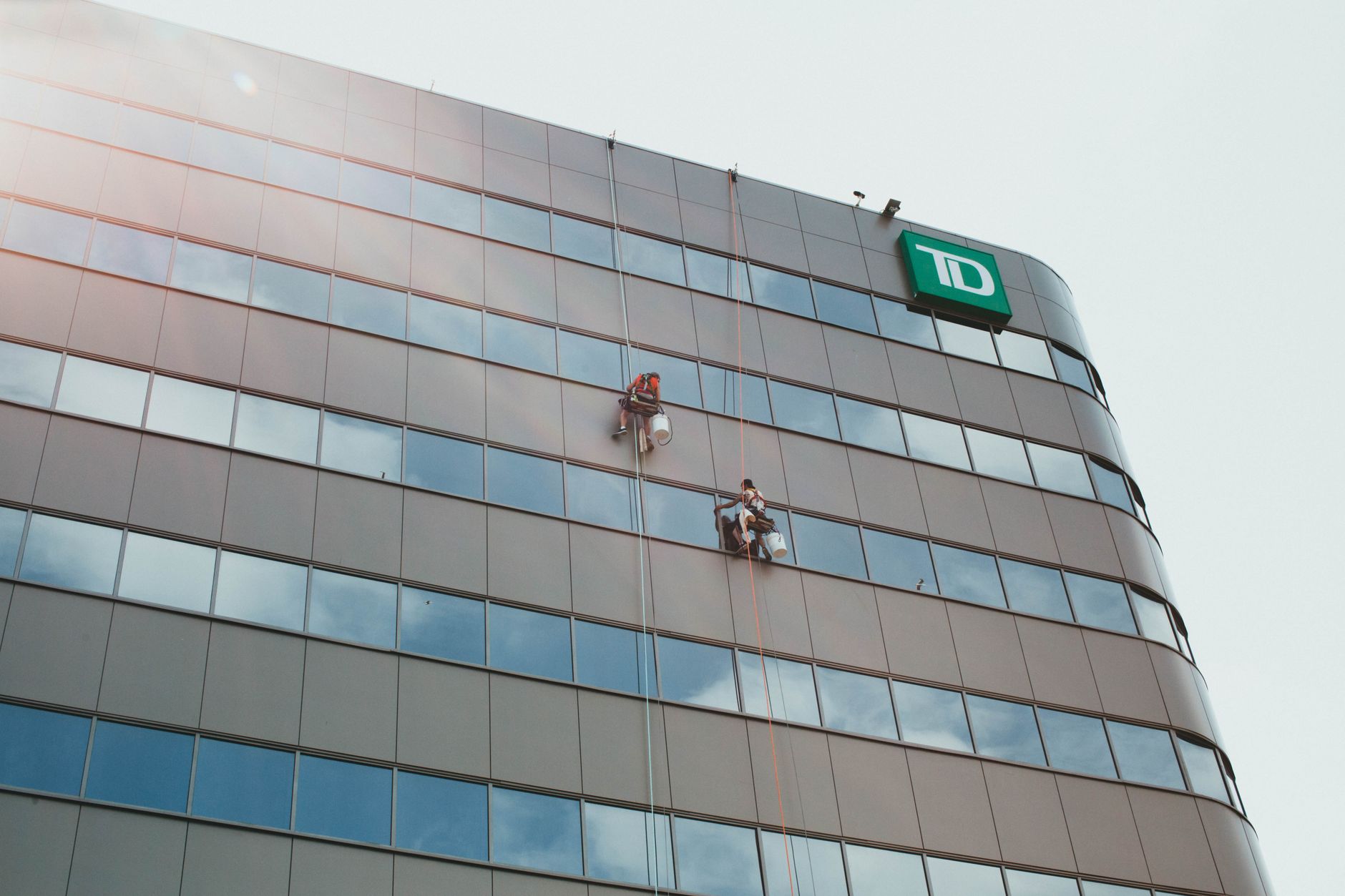
Maintaining the exterior of a commercial building is non-negotiable. It's also incredibly dangerous. Facade cleaning and building envelope inspection have long relied on sending skilled technicians hundreds of feet into the air on scaffolding or rope descent systems (RDS).
This work is fraught with risk. According to the National Safety Council, falls are a leading cause of unintentional injury-related death, and construction and maintenance workers are particularly vulnerable. In 2022, falls from elevation accounted for about 81% of all fatal slips, trips, and falls in the workplace. Federal OSHA regulations, like 29 CFR 1910.27, mandate strict safety protocols for this work, but the inherent danger remains.
Now, a specialized class of robots is emerging to take on these high-risk tasks. Automated systems, including wall-climbing robots and advanced drones, are making exterior maintenance safer, more efficient, and more consistent. By removing people from the most dangerous parts of the job, building owners and facility managers can mitigate risk and improve outcomes.
What Kinds of Robots Handle Exterior Building Work?
The technology for exterior building maintenance generally falls into two categories: robotic systems that make direct contact with the building and aerial drones that perform tasks from a short distance.
Wall-climbing or facade-crawling robots are autonomous or semi-autonomous devices that attach directly to the building's surface. They often use powerful suction systems to adhere to glass and other smooth materials, allowing them to traverse the facade systematically. These robots are equipped with cleaning mechanisms like microfiber pads, squeegees, or high-pressure water jets to wash windows and panels.
Inspection and cleaning drones are another rapidly advancing solution. Unlike crawlers, these unmanned aerial vehicles (UAVs) do not touch the building. For inspections, they carry high-resolution cameras, thermal imaging sensors, and LiDAR scanners to capture detailed data about the building envelope. Cleaning drones can be outfitted with tethered water supplies and specialized nozzles to wash surfaces without making physical contact.
How Much More Efficient is an Automated System?
The shift to automation delivers substantial gains in both speed and cost. Manual facade cleaning is a slow, labor-intensive process that requires careful rigging, weather monitoring, and adherence to strict safety timelines. A high-rise building can take weeks to clean with a human crew.
Robotic systems can reduce the operational time for facade cleaning by 40 to 50% compared to traditional methods. They operate with a consistency that human crews cannot match, applying uniform pressure and cleaning patterns across the entire surface. This leads to a higher quality finish with fewer streaks or missed spots.
From a cost perspective, the savings are significant. While the initial investment can be high, market analyses report total cost of ownership reductions of 35 to 50% compared to scaffolding-based methods. For a commercial tower cleaned every 18-24 months, this can translate to annual savings of $150,000 to $300,000. The return on investment for facade cleaning robots in major cities is typically estimated between 3 and 5 years.
Can Robots See More Than the Human Eye?
For building envelope inspections, robots offer capabilities that far exceed human limitations. Proactive inspection is critical for identifying potential issues like water intrusion, insulation deficiencies, or structural cracks before they become catastrophic failures.
Drones and crawling robots equipped with advanced sensors create a detailed digital record of a building's health. Thermal cameras can detect temperature variations that indicate heat loss or moisture trapped within walls, which are invisible to the naked eye. LiDAR technology creates precise 3D models of the structure, allowing engineers to assess dimensions and identify deformities with millimeter accuracy.
When this data is analyzed by artificial intelligence, the results are remarkable. Recent deep learning models, trained on millions of facade images, can detect defects like spalling, cracks, and corrosion with an accuracy rate exceeding 95%. This level of precision rivals or even surpasses that of a human inspector, while eliminating subjective judgment and bias.

What are the Challenges of Deploying Exterior Robots?
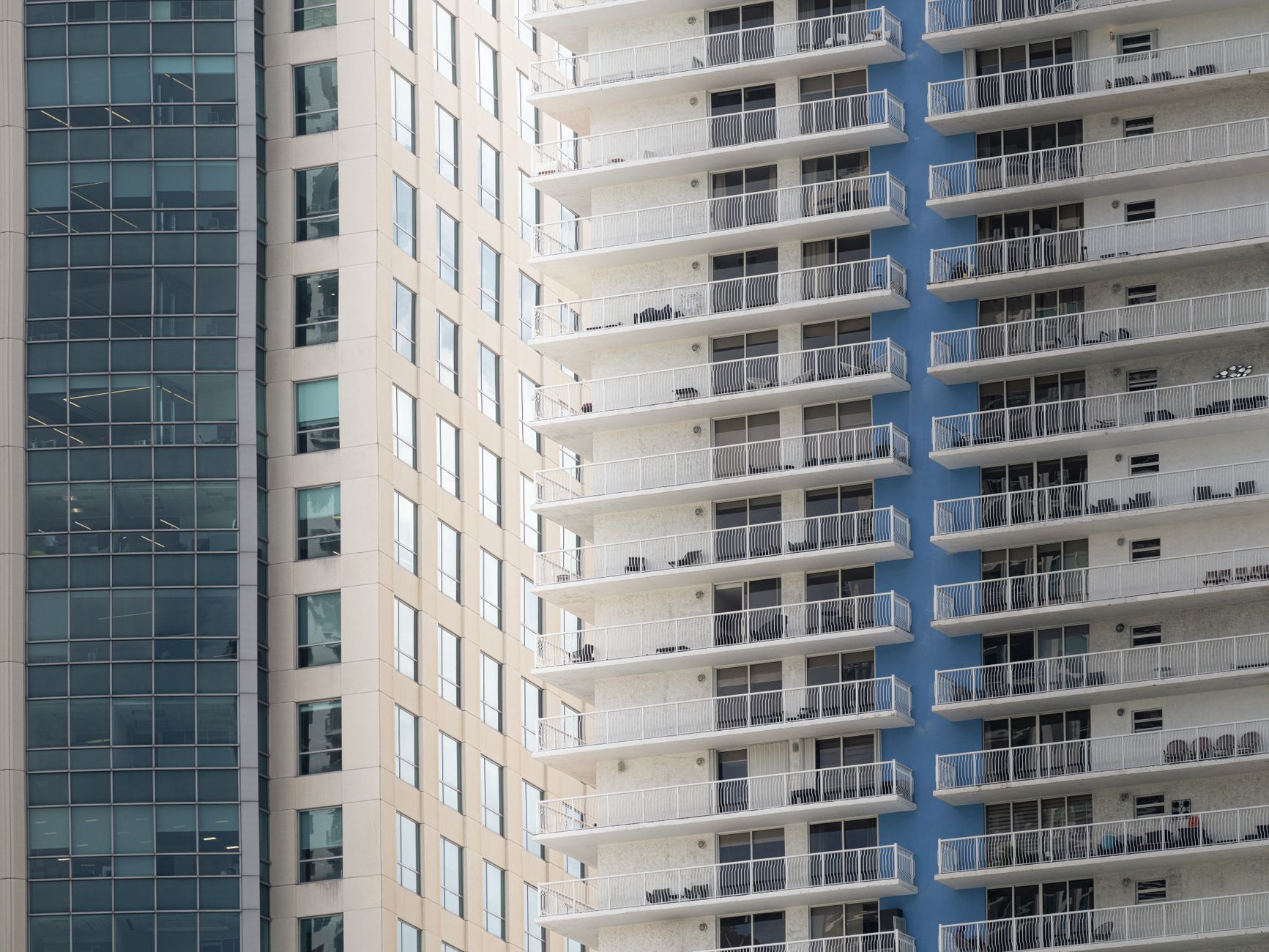
Despite the clear benefits, deploying an automated exterior maintenance system is not a simple plug-and-play operation. These are complex industrial machines operating in unpredictable environments.
One major hurdle is the architectural complexity of modern buildings. A robot designed for a flat glass curtain wall may struggle with balconies, ledges, and varied surface materials. Weather is another significant factor; high winds can pose a serious risk to both drones and crawling robots. Most professional operations establish a firm cutoff at sustained wind speeds of 25 mph.
The initial capital investment is also a consideration for many businesses. Furthermore, these systems require trained personnel for operation, maintenance, and emergency response. Integrating a new robotic workflow with existing facility management protocols requires careful planning and execution.
How Does a Business Adopt This Technology?
Navigating the complexities of exterior robotics requires a partner who understands the entire lifecycle of automation. This is where a vendor-neutral, full-service integrator like Service Robot Co. becomes essential. We handle the entire process, from initial site assessment to long-term service and support.
Our process begins by understanding the specific architecture and maintenance needs of your property. Because we are OEM-neutral, we select the right robot for the job from across the market, rather than pushing a single brand. We then structure the financing, offering options like monthly rental, leasing, and purchase programs to eliminate the barrier of upfront capital investment.
Deployment is managed by our nationwide network of engineers who handle on-site integration, mapping, and training for your staff. Most importantly, we provide a single point of contact for all service and maintenance needs. With remote triage and on-site dispatch, we ensure your automation investment delivers consistent performance and zero downtime for its entire operational life.
What is the Market Outlook for Cleaning and Inspection Robots?
The adoption of automated facade maintenance is accelerating globally. The market for facade cleaning robots was valued at approximately $800 million in 2025 and is projected to reach $3.7 billion by 2034, growing at a compound annual growth rate (CAGR) of 18.5%. The automated facade cleaning drone market is on a similar trajectory, valued at $295 million in 2025 and expected to reach nearly $1.5 billion by 2034 with a CAGR of 18.9%.
This growth is driven by several factors: the increasing number of high-rise buildings in urban centers, rising labor costs, persistent labor shortages, and a growing emphasis on workplace safety regulations. As the technology matures and becomes more reliable and adaptable, it is expected to become a standard part of modern building maintenance.