Key takeaways
- 24-hour gyms require a cleaning strategy based on traffic flow, not closing times.
- Autonomous floor scrubbers can clean large areas consistently during low-traffic overnight hours without staff.
- Electrostatic sprayers provide comprehensive disinfection for high-touch equipment and complex surfaces.
- Automating repetitive cleaning tasks allows human staff to focus on detailed sanitation and member services.
- A clean and hygienic environment is a critical factor for gym member retention and satisfaction.
Why is cleaning a 24-hour gym so difficult?
A traditional commercial cleaning plan depends on one thing: a closed building. Crews arrive after everyone leaves, work through the night, and are gone by morning. But a 24-hour fitness center never closes. There is no downtime.
Members are on treadmills at 3 a.m. and in the locker rooms before the sun rises. This constant use creates a unique challenge. High-traffic areas like free weight zones, cardio floors, and locker rooms accumulate sweat, dirt, and germs around the clock. Manual cleaning has to happen around members, creating disruption and making deep cleaning nearly impossible.
This operational reality means standard cleaning protocols fail. You cannot mop the main floor when people are actively training, and you cannot rely on an overnight crew to handle everything when the facility is never truly empty. The solution requires a shift in strategy, focusing on cleaning during low-traffic windows and using automation to achieve consistency when staffing is minimal.
What is a robotic cleaning strategy for a 24/7 facility?
An effective robotic cleaning strategy for a 24-hour gym uses autonomous machines to handle the heavy, repetitive work during the quietest hours, typically between midnight and 5 a.m. This model uses two key types of robots: autonomous floor scrubbers and electrostatic sprayers.
Autonomous floor scrubbers are programmed to navigate the gym's layout, cleaning large floor spaces without human intervention. They can scrub, sweep, and mop in a single pass, ensuring consistent results every time. Advanced sensors and mapping technology allow them to maneuver around complex layouts, avoiding exercise equipment and other obstacles.
While the scrubbers handle the floors, electrostatic sprayers can be used to disinfect high-touch surfaces. This technology applies an electric charge to disinfectant droplets, causing them to wrap around and evenly coat whatever they are sprayed on, including complex-shaped gym equipment. This combination ensures both floors and equipment are thoroughly cleaned and sanitized overnight, ready for the morning rush.
How do autonomous scrubbers work overnight?
Autonomous scrubbers operate independently after an initial setup. Using technologies like LiDAR and 3D sensors, the robot maps the entire facility, from the main workout areas to locker rooms and studios. Once the layout is mapped, specific cleaning routes and schedules are programmed.
During the low-traffic overnight window, the robot leaves its docking station and begins its pre-programmed route. It navigates the space, cleaning with consistent pressure and speed, something difficult to achieve with manual methods. The machines are quiet and can operate safely even if a few members are present.
Modern units can even automate the entire process, returning to their stations to charge, empty dirty water, and refill with fresh cleaning solution. This level of automation means large sections of the gym floor can be cleaned every single night without requiring staff overtime or direct supervision.
Are robots a replacement for a human cleaning crew?
Robots are not a replacement for human staff but a tool to optimize their work. By automating the grueling and repetitive task of floor scrubbing, robotic systems free up your human team to focus on higher-value activities.
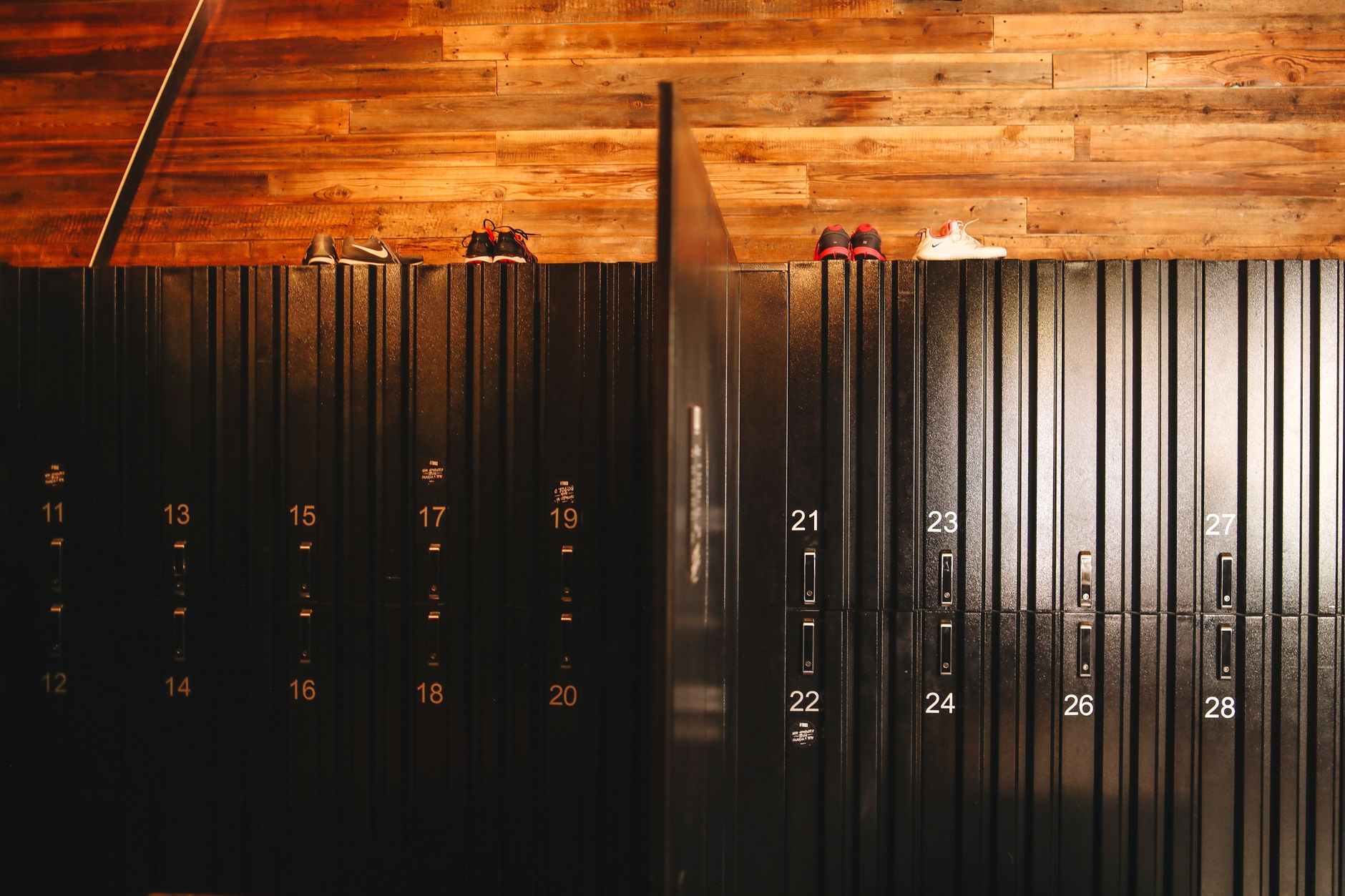
While the robot manages the thousands of square feet of open floor, your staff can perform detailed sanitation tasks that require a human touch. This includes wiping down high-touch surfaces, deep cleaning restrooms, restocking supplies, and ensuring locker rooms are pristine.
This approach reallocates labor from monotonous work to detail-oriented cleaning. The result is a higher standard of overall cleanliness and hygiene, as your team can dedicate its time and energy to the tasks that robots cannot perform. This partnership between humans and robots creates a more efficient and effective cleaning operation.
What is the real impact of gym cleanliness on members?
Cleanliness is not just a background detail; it is a primary driver of member satisfaction and retention. According to a report from IHRSA, gym cleanliness is one of the most powerful factors in maximizing member satisfaction. Research shows that 79% of members say cleanliness and facility maintenance directly impact their decision to renew their membership.
An environment that looks and feels hygienic builds trust and confidence. Members expect their fitness space to be free of germs, and a visibly clean facility reinforces that their health and safety are a priority. In fact, one study showed that free weights can have more germs than a toilet seat, highlighting the need for rigorous cleaning protocols.
Consistently clean floors, sanitized equipment, and fresh locker rooms contribute to a positive experience that keeps members coming back. Investing in a robust cleaning strategy is a direct investment in your business's long-term profitability.
How does a business implement a robotic cleaning program?
Deploying a fleet of cleaning robots is more than just buying a machine. It requires a partner who understands the entire lifecycle of commercial automation. That is where a full-service integrator like Service Robot Co. becomes essential.
We start by performing a detailed site assessment to understand your gym's specific layout, floor types, and traffic patterns. Because we are OEM-neutral, we are not tied to a single brand. We select the right autonomous scrubbers or other robots for your unique environment from a range of leading manufacturers.
From there, we handle everything. Service Robot Co. manages financing options like monthly rentals or lease-to-own programs, removing the barrier of a large upfront capital expense. Our nationwide network of engineers then delivers, deploys, and integrates the robots into your workflow, including mapping and staff training. We provide ongoing service and maintenance, ensuring your robots operate with maximum uptime. It is one partner for the entire process, from initial assessment to lifelong support.
What is the return on investment for automated cleaning?
The return on investment for autonomous cleaning robots goes beyond just reducing labor costs. While facilities can often reduce cleaning labor hours by 50-70%, the true financial benefits are much broader. Payback periods commonly land in the one-to-three-year range, depending on local labor costs and the number of shifts the robot offsets.
Automated systems deliver a consistent and verifiable clean every time, reducing the risk of hygiene-related member complaints that lead to cancellations. Data reports from the robots can even provide proof of cleaning coverage and timing. Furthermore, these machines use water and cleaning solutions more efficiently, with some autonomous scrubbers using up to 70% less water than traditional methods.
By reallocating staff to more critical tasks and ensuring a higher standard of cleanliness, the investment enhances member retention, protects your brand's reputation, and creates a safer, more welcoming environment.