Key takeaways
- Event venues face immense pressure to clean and reset entire facilities in just a few hours between bookings.
- Traditional cleaning methods require massive, expensive overnight crews and still risk inconsistent results under tight deadlines.
- Autonomous floor scrubbers can clean tens of thousands of square feet per hour without direct supervision, day or night.
- By automating floor care, existing staff can focus on detailed tasks like restrooms, surfaces, and event setup.
- An integrator partner helps venues select, deploy, and service the right robots, ensuring one point of contact for the entire lifecycle.
The High-Stakes World of Event Turnaround Cleaning
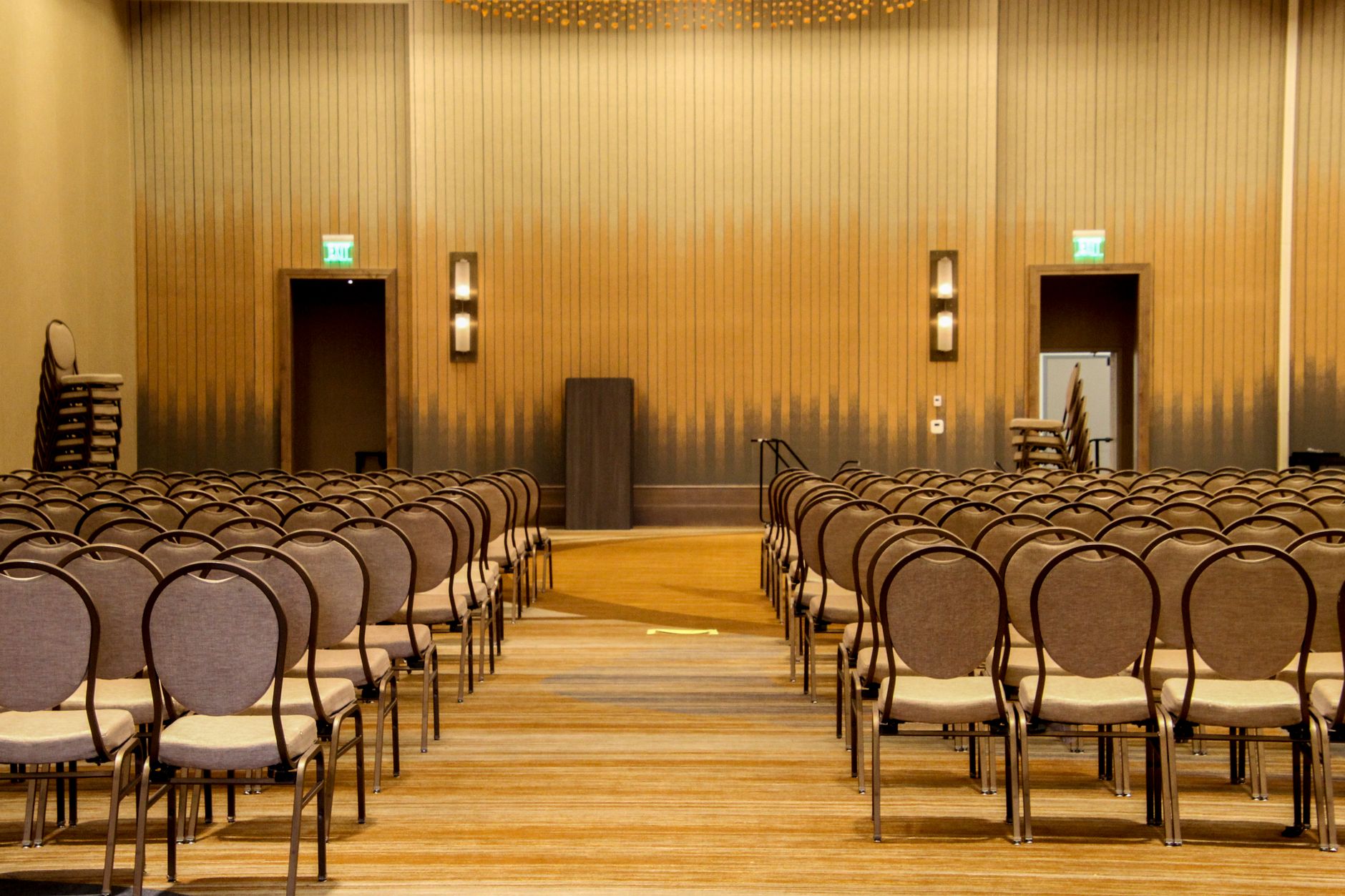
When the lights go down and the last guest leaves, the pressure for a venue operations team skyrockets. A trade show closes at 10 p.m., but a corporate keynote starts at 8 a.m. the next morning. This small window is all the time available to erase every trace of the previous event and perfectly prepare for the next, a process demanding immense coordination and speed.
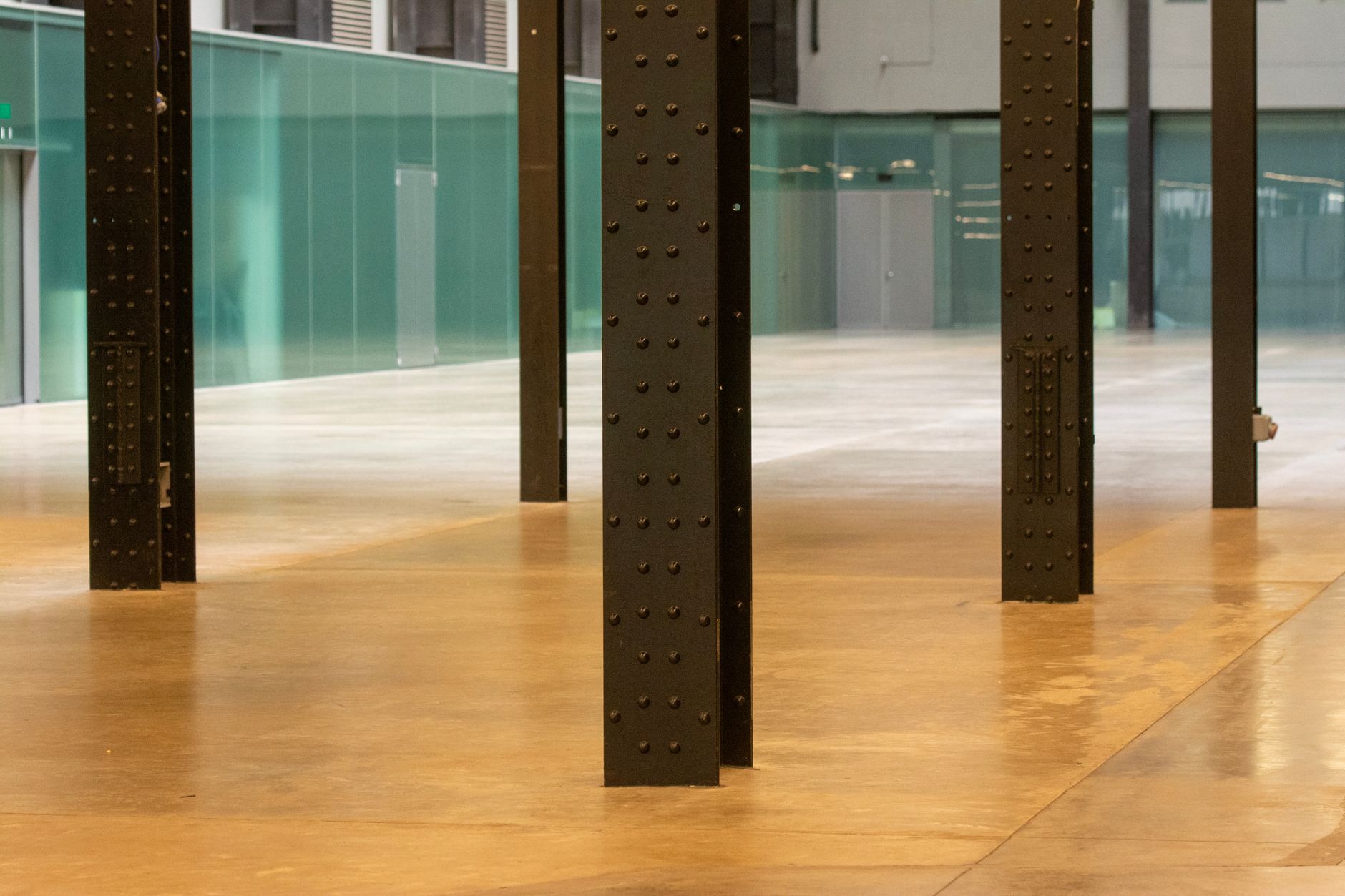
The core challenge is scale matched with velocity. Convention centers and exhibition halls often feature tens of thousands, or even hundreds of thousands, of square feet of flooring. Cleaning this vast expanse, which is often littered with debris and marked by the foot traffic of thousands, is a monumental task. Traditionally, this has required a massive overnight cleaning crew working under intense pressure to mop, scrub, and restore every surface before dawn.
Autonomous floor scrubbers fundamentally alter this equation. These machines can be deployed the moment an event concludes, methodically cleaning thousands of square meters per hour without an operator. By handing over the most time-consuming task, floor care, to automation, venues can achieve a faster, more consistent clean. This ensures they are ready for the next booking without the logistical and financial strain of enormous overnight crews.
What Makes Manual Cleaning So Challenging in Large Venues?
The difficulties of manual cleaning in large event spaces go beyond just the size of the floor. Layouts are often complex and change with every event, featuring temporary booths, stages, and seating arrangements that create maze-like environments. This makes systematic cleaning difficult and prone to missed sections under time constraints.
Furthermore, the type of mess is unpredictable. Post-event cleanup can involve everything from food and drink spills to scuff marks, tracked-in dirt, and waste left behind by vendors and attendees. Achieving a consistently high standard of cleanliness across varied floor types, from polished concrete to carpet, is a significant operational hurdle. Relying solely on manual labor often leads to inconsistent results, as fatigue and human error are inevitable over a long night of strenuous work.
This operational model is expensive and difficult to staff. Finding and retaining a large, reliable cleaning crew, especially for overnight shifts, is a persistent challenge in the janitorial industry. This forces venue managers to depend on a costly and often unreliable labor model to meet the critical demands of their event schedules.

How Do Autonomous Scrubbers Operate in Dynamic Event Spaces?
Modern autonomous floor scrubbers are engineered for complex, real-world environments. They don't just follow a single fixed path. Using a combination of LiDAR, 3D cameras, and other sensors, a robot first creates a master map of the facility's core layout.
From there, its intelligence truly shines. As it performs its cleaning route, the robot's AI-powered navigation allows it to adapt in real time. It can dynamically maneuver around temporary obstacles left behind after an event, like pallets, discarded materials, or forgotten displays, charting a new course to ensure every accessible area is cleaned. If it encounters an unexpected barrier it cannot navigate around, the machine can pause and send an alert to a human supervisor.
This smart navigation ensures a thorough and efficient clean, even when the floor plan changes from one day to the next. By covering large, open areas with unmatched precision, the robots free up human staff to focus on tasks requiring more dexterity and detail.
What are the Operational Benefits Beyond Speed?
While speed is the most immediate advantage, the benefits of robotic floor care extend much further. Autonomous scrubbers deliver a level of consistency that is difficult to achieve with manual teams, ensuring the same high standard of clean every single time. This reliability protects the venue's reputation and enhances the visitor experience from the moment they walk in.
These machines also provide valuable data. Facility managers can receive reports confirming which areas were cleaned, when the work was completed, and how long it took. This data-driven proof of cleaning validates that standards are being met and can help optimize cleaning schedules over time.
Safety is another critical improvement. Autonomous scrubbers reduce the risk of slip-and-fall incidents by leaving floors clean and dry. They also operate with a suite of safety sensors to detect and avoid people and obstacles, and their use can lower the risk of repetitive strain injuries often associated with manual floor cleaning.
How Does a Venue Get Started with Automation?
Integrating a fleet of cleaning robots into a fast-paced event venue requires more than just buying a machine. The process involves site assessments, choosing the right robot for specific floor types and layouts, deployment, staff training, and ongoing service. This is where a partnership with a full-service commercial robot integrator becomes essential.
Service Robot Co. provides a single point of contact for the entire automation journey. As an OEM-neutral integrator, we are not tied to a single manufacturer. Our process begins with understanding your venue's unique turnaround challenges. We then select the best autonomous scrubbers from across the industry to meet those needs, ensuring you get the right machine for the job, not just the one a particular brand sells.
We handle every aspect of the lifecycle. This includes financing options like robot rental and leasing to avoid large upfront capital expenditures. Our nationwide network of engineers manages deployment, integration with your workflow, and comprehensive training for your staff. Most importantly, we provide ongoing maintenance and on-site service to ensure your robots operate with maximum uptime, protecting your investment and guaranteeing your venue is always ready for its close-up.
What is the Financial Case for Robotic Scrubbers?
While the initial investment in robotic cleaning technology can seem significant, the long-term financial benefits are substantial. The primary return on investment comes from reducing the immense labor costs associated with large, temporary cleaning crews needed for overnight turnarounds. By automating the most labor-intensive part of the job, venues can accomplish more with a smaller, more focused team.
The ROI is not just about labor savings. It's also about operational efficiency and risk mitigation. Faster turnarounds can allow for more flexible and potentially more frequent event bookings, increasing revenue. Furthermore, the consistency of robotic cleaning protects the venue's floors, potentially extending their lifespan. Finally, reducing the physical strain on employees can lead to lower workers' compensation claims related to injuries from manual scrubbing.