Key takeaways
- Convention centers present unique cleaning challenges due to their massive scale, diverse surfaces, and rapid turnaround times between events.
- Autonomous floor scrubbers and vacuums can clean vast areas like exhibition halls and lobbies efficiently overnight without an operator.
- Facilities services leader Aramark successfully deployed autonomous cleaning robots at Dallas's Kay Bailey Hutchison Convention Center.
- A full-service robot integrator simplifies adoption by handling robot selection, deployment, training, and ongoing maintenance.
- Robotics as a Service (RaaS) models allow centers to deploy automated cleaning solutions with no large upfront capital investment.
What Makes Convention Center Cleaning So Difficult?
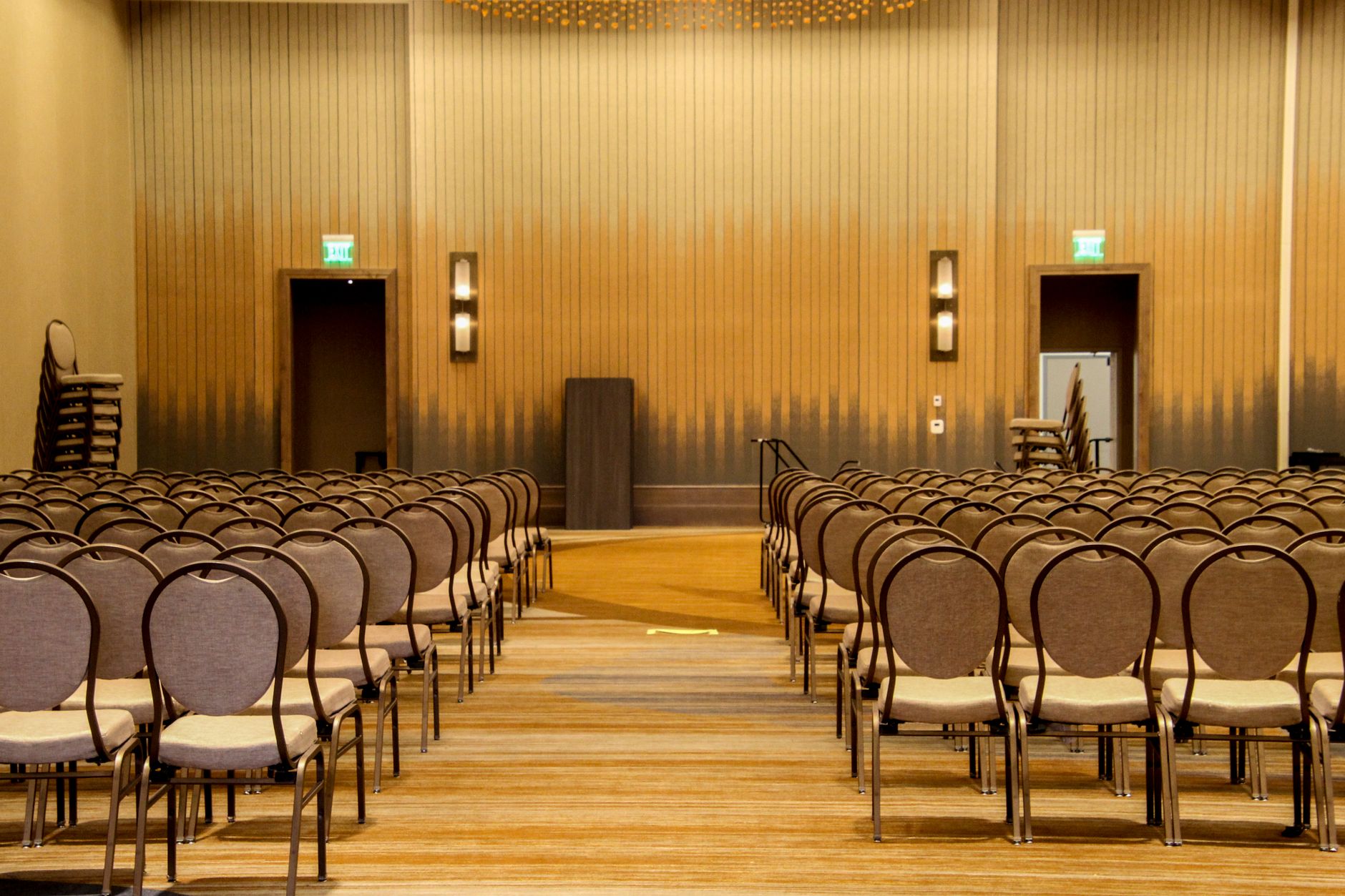
Convention centers are cities within a city. Massive venues like the Kay Bailey Hutchison Convention Center in Dallas can see over a million visitors annually, spread across exhibit halls, ballrooms, and meeting rooms totaling a million square feet or more. The sheer scale is just the beginning of the challenge.
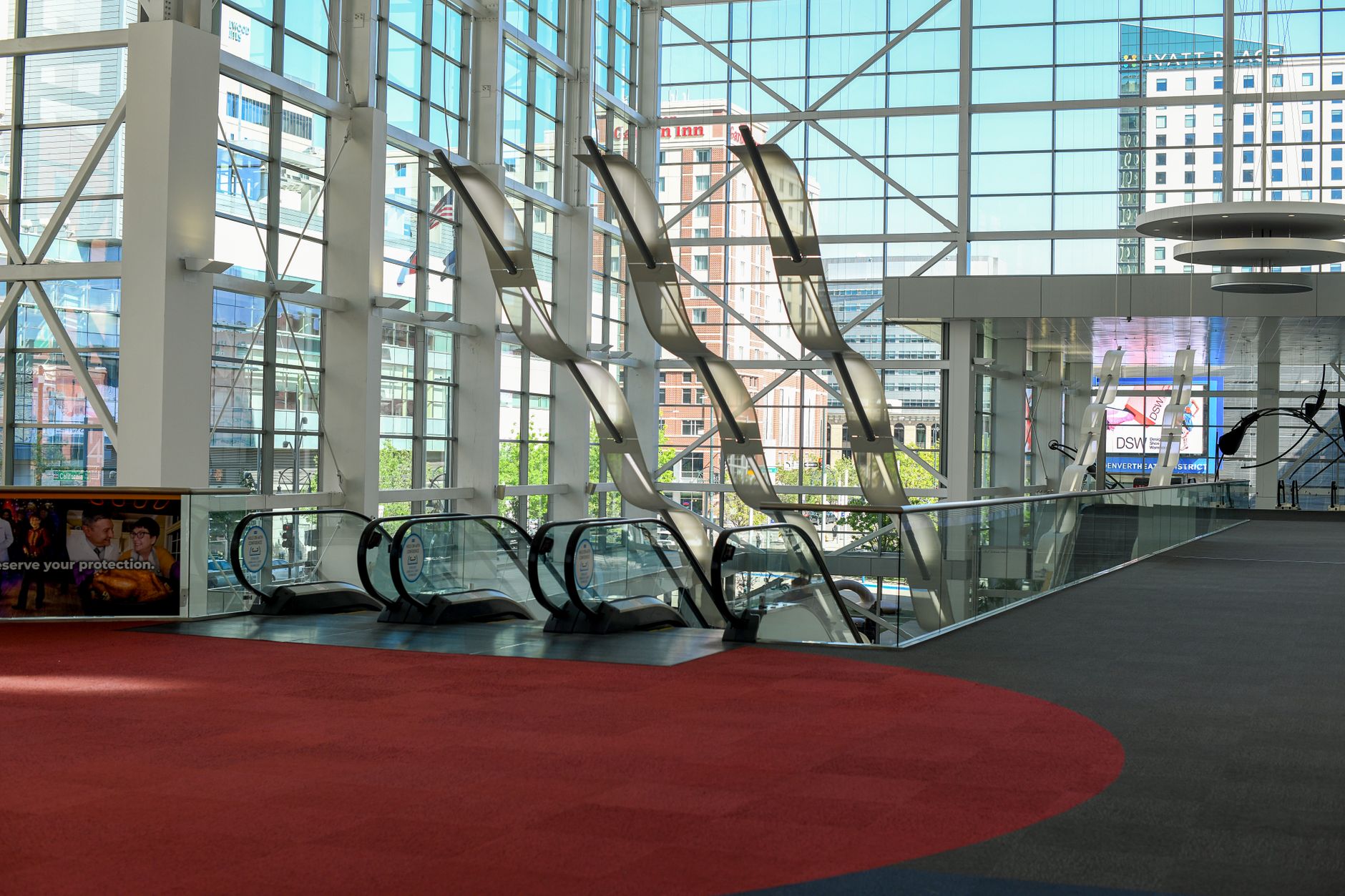
These facilities have a complex mix of flooring, from durable concrete in exhibition halls to custom carpets in lobbies and pre-function spaces. Each surface requires a different cleaning approach. The real operational pressure comes from the schedule. Event turnaround can be brutally short, demanding that huge spaces be reset and made pristine in just a few overnight hours.
High foot traffic leaves behind a predictable trail of dirt, scuffs, and spills. Traditional cleaning methods struggle to keep pace. Relying solely on manually operated floor scrubbers to cover hundreds of thousands of square feet consistently is a significant operational and staffing challenge. This is where a robotic approach offers a fundamental advantage.
How Do Autonomous Robots Address These Unique Challenges?
Large-format autonomous floor scrubbers and vacuums are designed specifically for the kind of open, expansive areas that define a convention center. These machines use advanced navigation systems, often employing LiDar and 3D cameras, to map and clean vast floor plans without direct human supervision.
Their primary role is to take over the most time-consuming task: cleaning the immense, open floors of exhibition halls, concourses, and lobbies. An industrial-grade autonomous floor scrubber can clean more than 20,000 square feet per hour. This allows a machine, or a small fleet of them, to work through the night shift, ensuring floors are ready for the next day's event without requiring a dedicated operator for every unit.
This automation allows the human cleaning staff to redirect their efforts. Instead of spending hours driving a scrubber, they can focus on detailed tasks like sanitizing restrooms, cleaning glass, and addressing specific spills and stains. The robots handle the heavy-lifting floor care, delivering a consistent, documented clean every time.
A Real-World Example: Automation in Action in Dallas
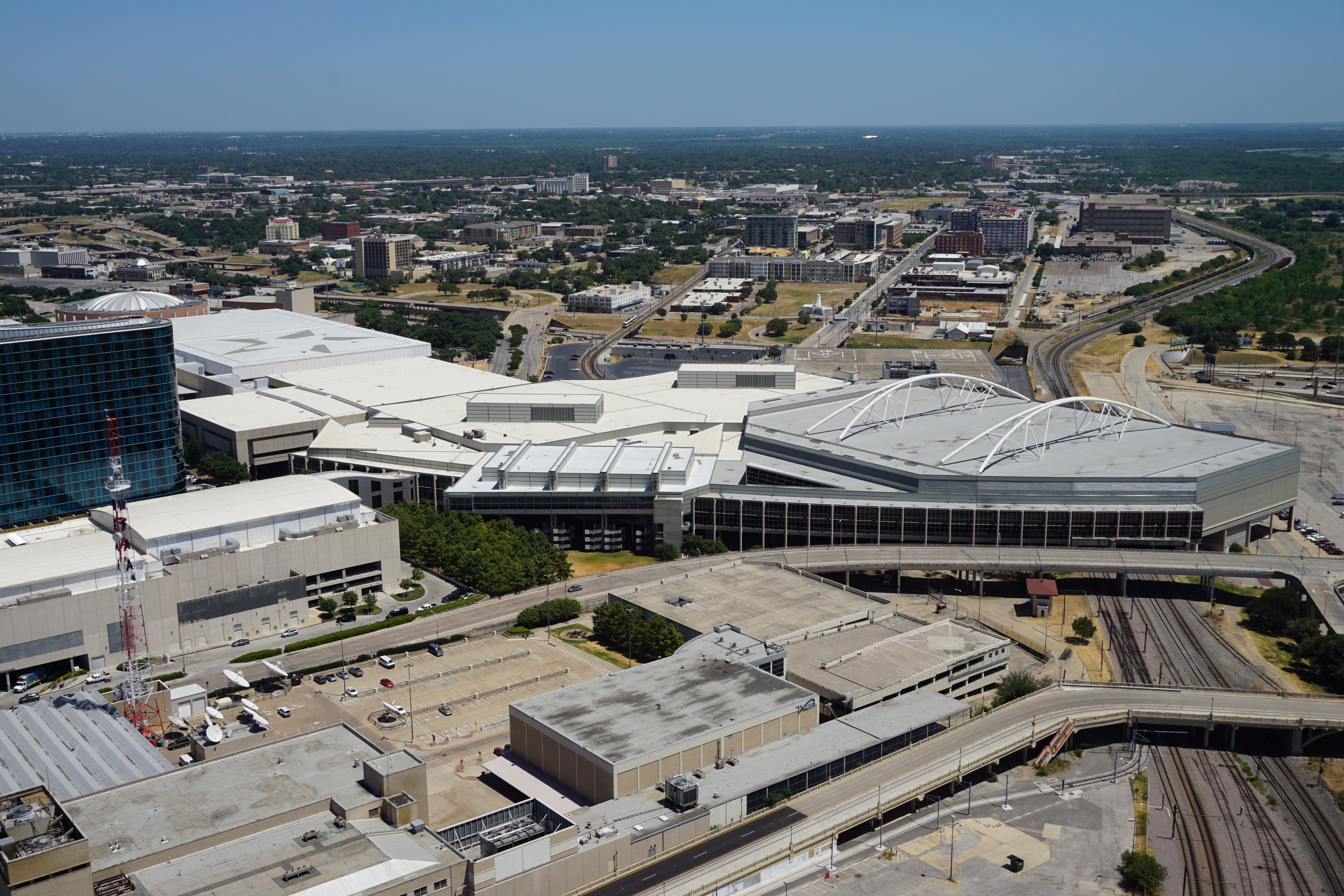
The theory of robotic cleaning is being proven in some of the country's largest venues. Facilities management giant Aramark has successfully deployed autonomous floor-cleaning robots at the Kay Bailey Hutchison Convention Center in Dallas. This facility is one of the largest in the nation, making it a perfect case study for the technology's effectiveness.
The robots navigate the convention center's varied environments, scrubbing and cleaning everything from hard-surface exhibition floors to carpeted lobbies and meeting rooms. By automating these large-scale cleaning tasks, Aramark can achieve a higher standard of cleanliness more efficiently, a critical factor in a venue that serves over a million guests each year.
The deployment underscores a key industry goal: using technology to deliver superior cleaning results with a more attractive cost structure. It frees the human staff to provide the detailed, responsive cleaning that an international event venue demands.
How Does a Business Adopt This Kind of Technology?
For a facility manager, the prospect of researching, purchasing, and maintaining a fleet of cleaning robots can seem daunting. This is why a full-service commercial robot integrator is essential. At Service Robot Co., we provide a single point of contact for the entire lifecycle of your automation strategy.
Our process begins with a free site assessment to understand your specific needs, from floor types to operational schedules. Because we are OEM-neutral, we are not tied to a single manufacturer. We select the right large-format scrubbers or industrial floor sweeper robots for your unique environment from across the market. We find the robot that fits your floor, not the other way around.
This approach removes the complexity of dealing with multiple vendors. We handle the financing through flexible monthly payment programs, including robot rental and lease-purchase options that avoid large upfront capital expenditures. This makes the technology accessible even for businesses that need to manage cash flow carefully.
What Happens After the Robots Arrive?
Deployment is just the beginning. A successful robotics program requires smooth integration, expert training, and reliable service. As your integration partner, Service Robot Co. manages the complete installation, including site mapping and go-live support, ensuring the machines work perfectly within your facility's workflow.
Our nationwide network of US-based engineers provides comprehensive training for your staff, empowering them to work alongside their new robotic coworkers effectively. More importantly, we provide ongoing maintenance and repair services. With offerings like on-site dispatch, remote triage, and even a backup robot program, we are committed to a zero-downtime guarantee.
This turnkey model-one partner for selection, financing, deployment, training, and service-is the most direct path to seeing the benefits of automation. It allows convention center managers to focus on running world-class events, confident that their facility's cleanliness is managed by a reliable, automated system.
What is the Market Outlook for Cleaning Automation?
The adoption of automated cleaning is growing rapidly. The global market for commercial cleaning robots was valued at over 540 million dollars in 2025 and is projected to expand significantly, with some analysts forecasting a market size of 1.6 billion dollars by 2034. This growth is driven by the clear return on investment.
Facility managers cite labor cost savings as a primary driver for adoption. By automating the most repetitive and time-consuming cleaning tasks, especially overnight floor care, venues can optimize their staffing and improve productivity. The B2B floor cleaning robots market alone is expected to grow from approximately 1.43 billion dollars in 2026 to over 5.4 billion by 2035.
This trend highlights a broader shift in facilities management. Automation is no longer a futuristic concept; it is a practical tool for improving efficiency and delivering a higher standard of service in demanding environments like convention centers.