Key takeaways
- Routine autonomous cleaning belongs on a schedule that never crosses active aircraft zones without a lockout.
- FOD pickup and fluid residue need different tools: sweep first, scrub second, hazmat stays manual.
- Safety markings and tail stands define no-go zones in the map, not verbal habit.
- Month to month rental proves one bay before you scale across a multi-hangar MRO campus.
- Integrators should document chemistry approval for glycol and hydraulic residues with your EHS team.
Why do MRO hangars need a different cleaning plan than warehouses?
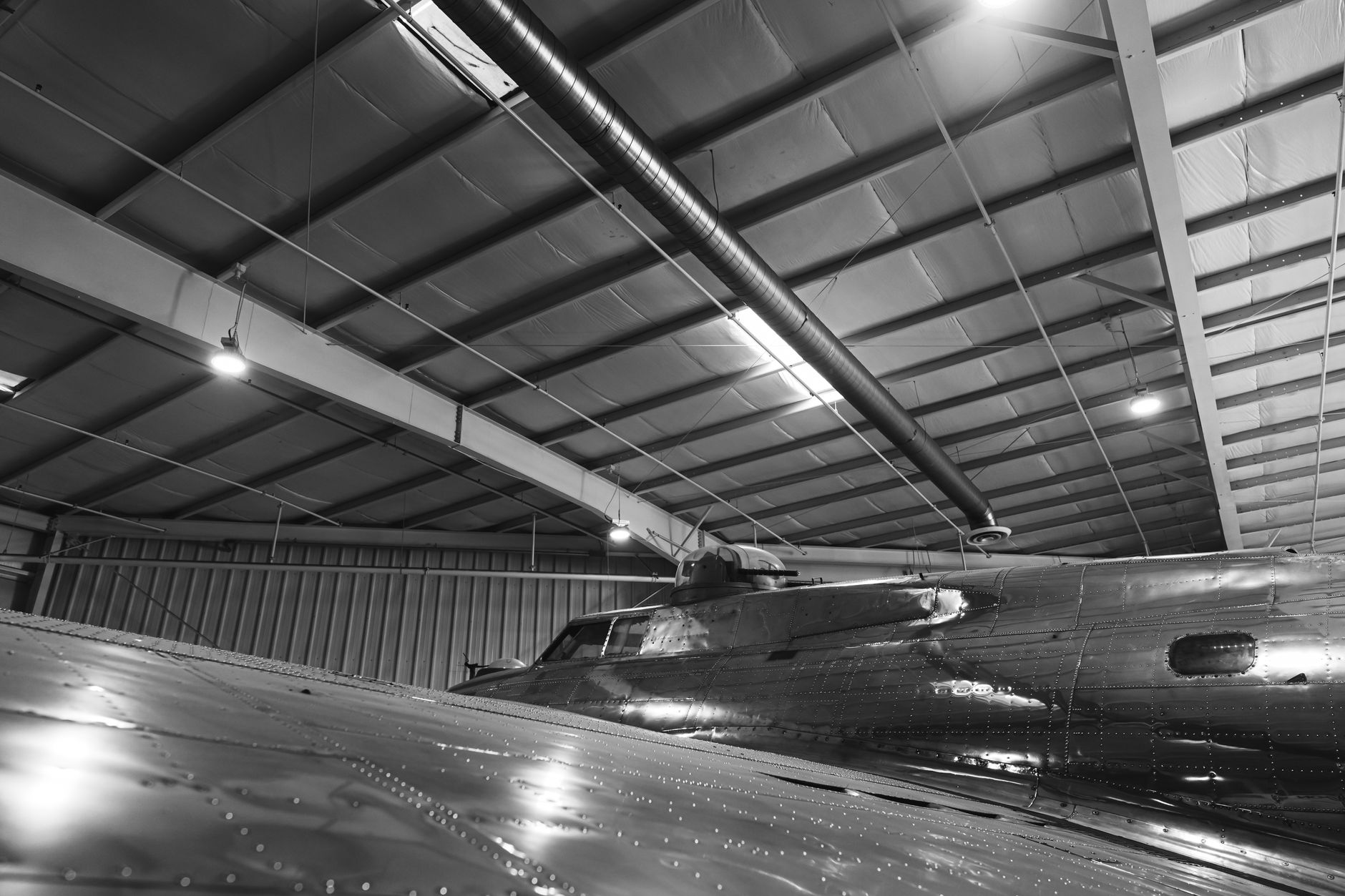
A maintenance hangar is not a distribution center with taller ceilings. Tire rubber, metal shavings, composite dust, and hydraulic mist land on the same slab where technicians roll jacks and lay out tooling.
Foreign object debris rules that govern flight lines apply on the floor too. A scrubber that spreads grit or leaves wet patches can create slip risk under a landing gear change.
Autonomous sweepers and scrubbers can help when they run on mapped routes that respect aircraft tails, safety lines, and active work zones. The win is consistent coverage on vast concrete without pulling AMTs off tasks.
Lighting glare from polished floors can affect vision-based navigation near open hangar doors. Map those segments at the same time of day you plan to run.
What debris types should operators sort before picking a robot?
Dry FOD such as wire ties, gasket scraps, and rubber chips needs aggressive sweep or vacuum paths before any wet scrub.
Dust from composite work can stay airborne if you run too fast without water recovery tuned for fine particles.
Fluid residue from hydraulics, fuel system drains, and deicing glycol is not a robot default job. Your environmental health team must approve chemistry and disposal before automation touches it.
Paint overspray and marking refresh zones should stay manual or contractor-led. Robots maintain baseline cleanliness between those events.
Composite grinding dust can clog filters quickly; budget consumables in the service plan instead of treating filters as annual items.
Tire debris from tow vehicles often concentrates along tug paths. Add extra sweep frequency on those stripes instead of running one uniform pattern for the whole bay.
How should safety markings and aircraft positions shape robot maps?
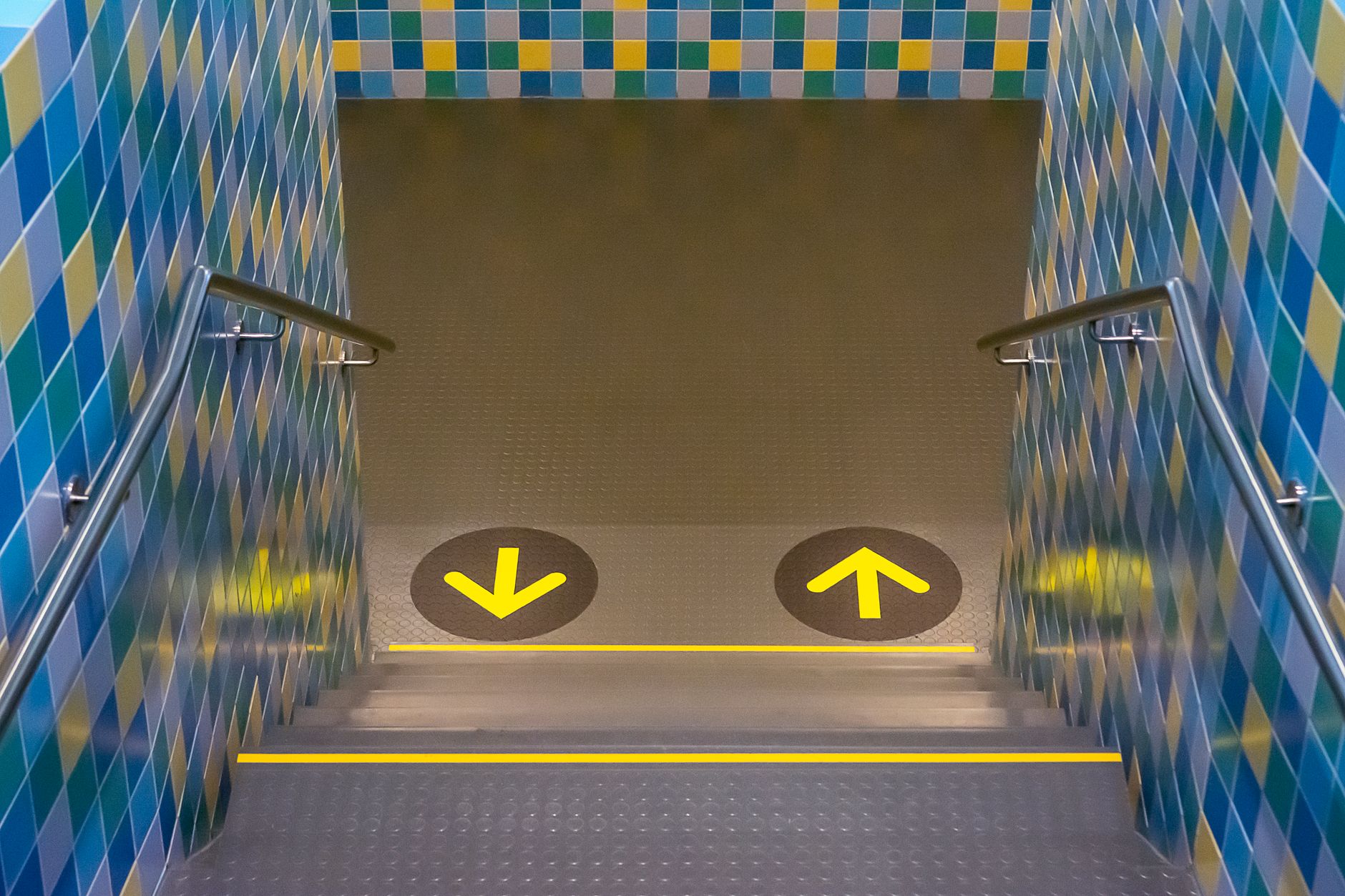
Photograph floor markings during initial mapping. Faded lines still belong in the no-cross list until facilities repaints them.
When an aircraft is jacked or on stands, expand no-go polygons around wings and tail cones. Static maps fail here unless supervisors update zones daily.
Keep robot routes on marked pedestrian lanes where hangars provide them. Mixing scrub paths with active tug lanes invites stops and near misses.
Use slow speed caps near open pit areas and oil watch stations. Productivity in hangars is measured in safe coverage, not lap records.
When multiple aircraft share a bay, use daily zone updates instead of a single static mission file.
What is the right split between routine cleaning and spill response?
Routine night or off-shift scrubbing handles tracked-in dust and general tire residue when the hangar is empty of aircraft moves.
Reportable spills stay on the hazmat playbook. Robots should never replace absorbent protocols or certified cleanup for unknown fluids.
Train staff to pause autonomous missions when maintenance opens a fuel system or drains a large hydraulic reservoir. A written hold tag on the robot dock beats hoping lidar sees a hose.
Log every paused mission with reason so EHS can audit overlap between chemical work and floor care.
Post spill drills should include how to power down nearby autonomous units and who removes them from the slab before absorbent crews arrive.
Keep absorbent stations and robot docks in different corners so crews do not confuse spill kits with consumable storage.
- Routine: dry FOD sweep on empty bays
- Routine: wet scrub on approved chemistry only
- Manual: unknown fluid sheen
- Manual: marking repaint and touch-up
- Hold: active fuel or hydraulic drain work
How do you select sweepers versus scrubbers for hangar scale?
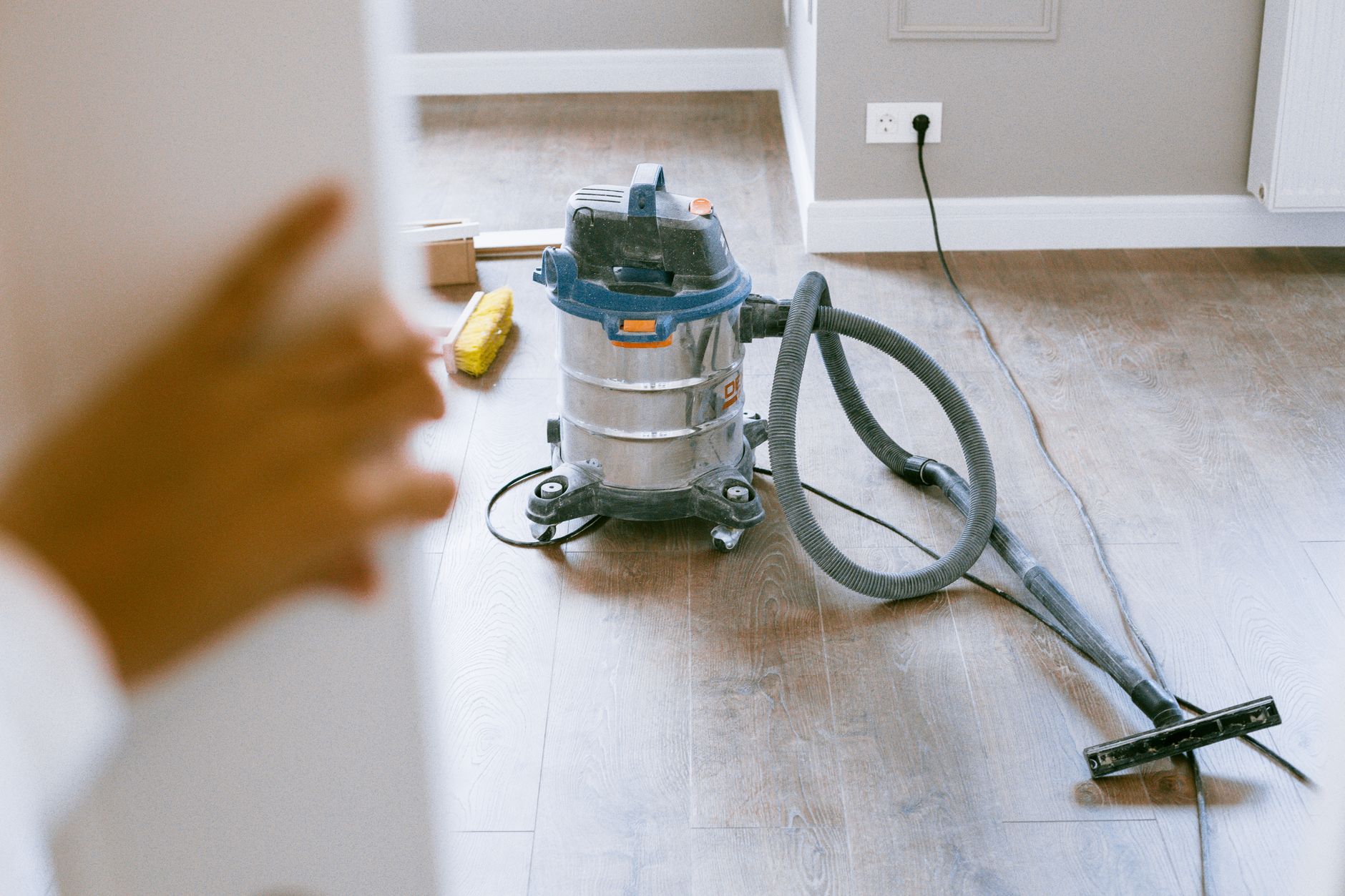
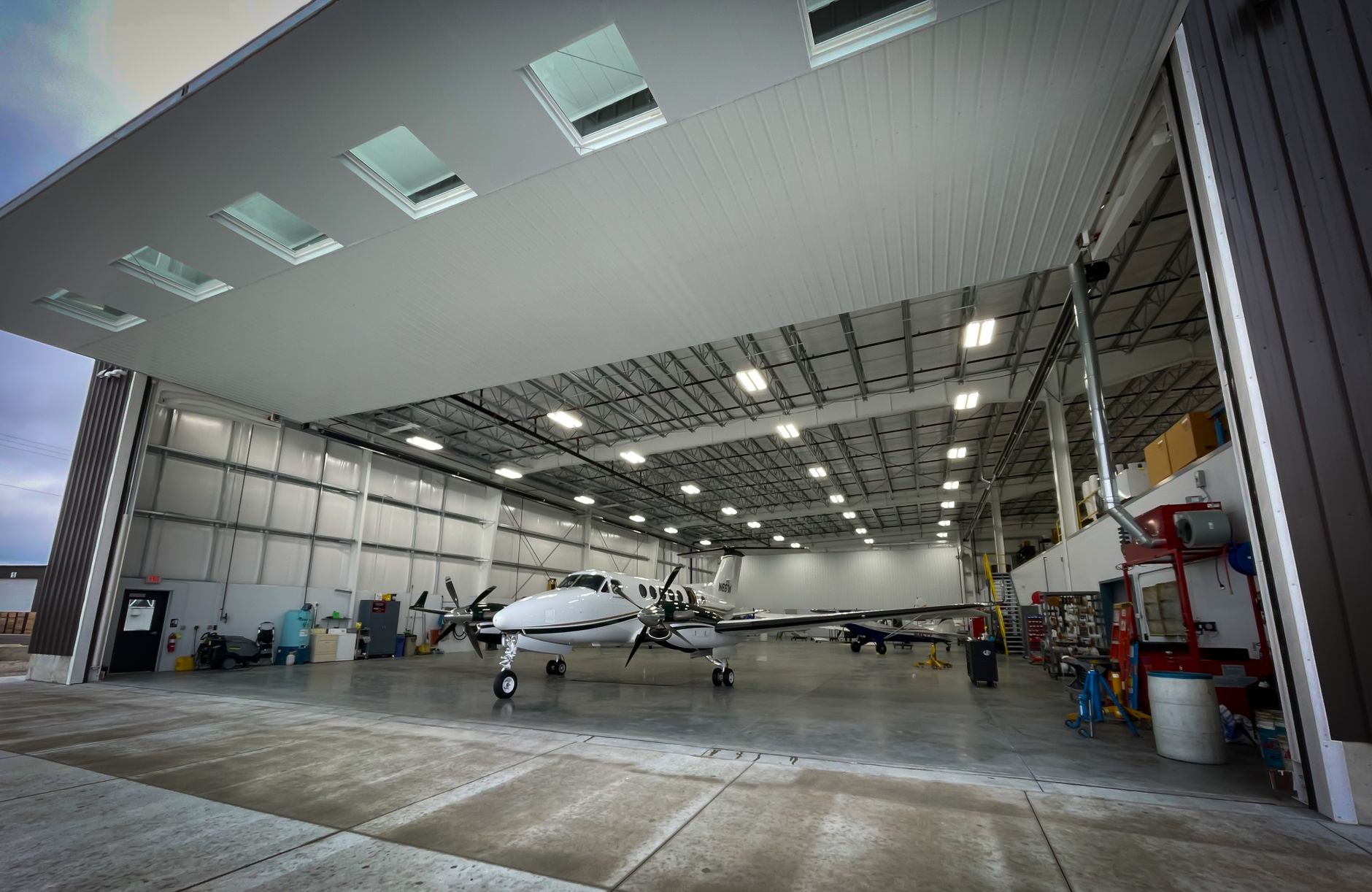
Large open bays favor industrial scrubbers with high capacity tanks because refill trips across fifty thousand square feet add up.
Narrow annex corridors between shops may need compact units with tight turning circles.
Some sites run a sweeper pass on weeknights and a full scrub on weekends when aircraft rotations leave longer windows.
Verify squeegee performance on hangar sealant and expansion joints. Puddles near jack points are unacceptable.
Battery runtime matters on slabs without mid-bay fill stations. Size tanks and batteries for the longest diagonal pass without leaving wet streaks mid-route.
How should scheduling work around maintenance shifts?
Align autonomous runs with the maintenance planning board. If a heavy check starts at 0600, finish scrubbing and dry time before 0500.
Avoid running during engine runs or high-wind door events that push debris back across a freshly cleaned slab.
Coordinate with security so patrol robots and scrubbers do not trip the same door interlocks technicians need.
Track autonomous hours per bay so underused units are redeployed before buying another machine.
Winter deicing season may require more frequent dry sweeps at door lines even if full scrub stays weekly.
Document dry time requirements from your sealant vendor. Some hangars need fans after scrubbing before aircraft roll back onto the slab.
Should hangar operators rent before buying?
Month to month robot rental fits MRO sites testing one bay through a busy season. Prove FOD pickup and dry times before capital approval.
Compare robot coverage against your current contractor sweep on the same slab. Include water fill, dump, and filter labor in the math.
Set acceptance criteria: maximum allowable wet footprint, rescue count per hundred hours, and sign-off from line leads after ten shifts.
Loaner units from a nationwide service contract matter when a line check cannot slip because one scrubber is down.
If rescues stay high after month one, fix maps and stall discipline before finance approves a second unit.
Where Service Robot Co. fits
We walk the hangar with maintenance and EHS, define zones around tails and markings, and shortlist OEM-neutral sweepers and scrubbers that fit your bay dimensions.
Finance, deployment, training, and nationwide service stay on one contract so a failed squeegee on Sunday night does not idle Monday departures.
We export weekly hours and intervention logs so directors of maintenance see the same utilization metrics corporate fleets publish.