Key takeaways
- Yes, but the fit is zone-based: walk paths, counter frontage, pedestrian islands, and overnight lane resets are the strong use cases.
- Live ready-return traffic does not rule robots out. It means the cleaning plan must separate active vehicle flow from pedestrian and edge-cleaning routes.
- Airport rental centers are big enough to justify automation. LAX says its rental-car facility spans about 6.3 million square feet and sees a rental car leave about every two seconds at peak activity.
- The practical buying question is not robot or no robot. It is which cleaning tasks stay manual, which become autonomous, and who keeps the fleet running when the site never really sleeps.
Can a robot really keep rental-car service lanes presentable while cars are still moving?
Yes, with an important qualifier. A robot can keep an airport rental-car operation presentable during live traffic if the work is split into the right zones: customer walk paths, counter approaches, queuing areas, pedestrian islands, and the lane edges where grime migrates first. It can also take over the heavier overnight reset when vehicle movement drops but does not fully stop.
What it should not do is pretend a live ready-return lane is the same as an empty warehouse aisle. Rental-car floors pick up tire dust, sand, brake residue, water tracks, and the occasional oil drip. The winning deployment is disciplined, not magical. Daytime autonomy handles the safer pedestrian-facing surfaces. Night shift autonomous scrubber work handles the deeper passes across broader concrete and sealed-floor areas.
- Best fit during operating hours: customer walk paths, vestibules, service-counter frontage, waiting pads, elevator lobbies, and protected lane perimeters
- Best fit after traffic tapers: full-lane scrubbing, larger return canopies, staging aprons, and entrance mats or adjacent hard-floor zones
- Usually still manual: fresh oil spots, broken glass, cones and barricade resets, and any area temporarily blocked by vehicle queues
Why is this use case different from ordinary airport floor care?
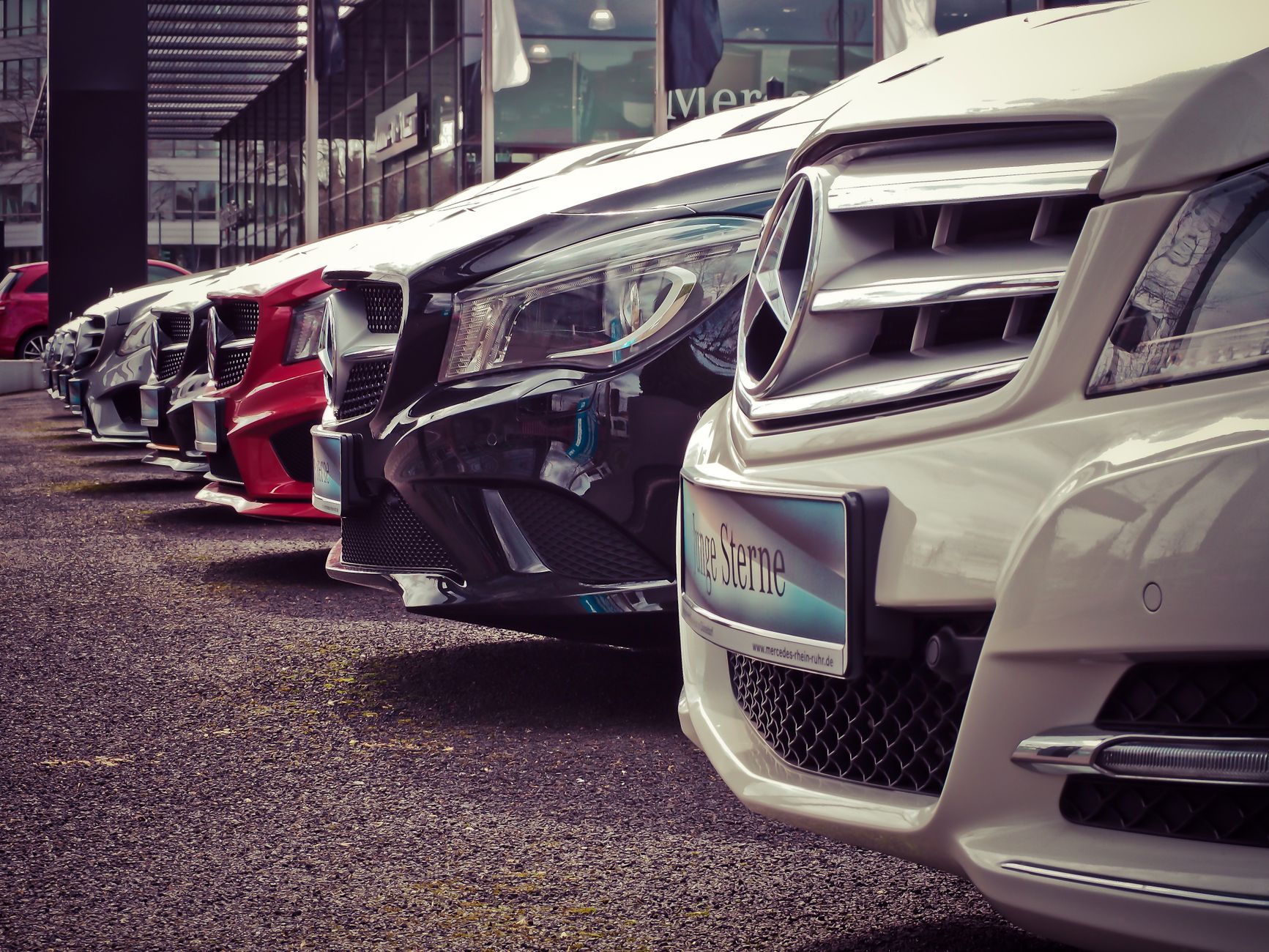
Rental-car centers live in the messy middle between parking operations, customer service, and light fleet processing. They are not just public concourses. Tires drag in grit. Vehicles track water after wash cycles or storms. Return lanes develop a film that looks dull long before it looks dirty, which matters because customers read floor condition as a signal about vehicle readiness and site control.
At the same time, the work window is awkward. Hubs do not shut down cleanly. Hartsfield-Jackson Atlanta says its Rental Car Center operates 24 hours a day, seven days a week. San Francisco International says its AirTrain serves the Rental Car Center 24 hours a day, and some rental counters and returns operate around the clock. That means overnight cleaning no operator support can be valuable, but the robot still has to coexist with late arrivals, early departures, and rolling queues.
How much traffic and surface area are we really talking about?
At large airports, the scale is not theoretical. The FAA's preliminary calendar year 2025 enplanement file lists 51,459,786 boardings at Atlanta, 39,976,695 at Denver, 36,497,303 at Los Angeles International, 26,531,765 at Las Vegas, and 26,251,850 at San Francisco. Not every passenger touches a rental counter, of course, but those volumes explain why adjacent ground-transport operations stay under pressure all day.
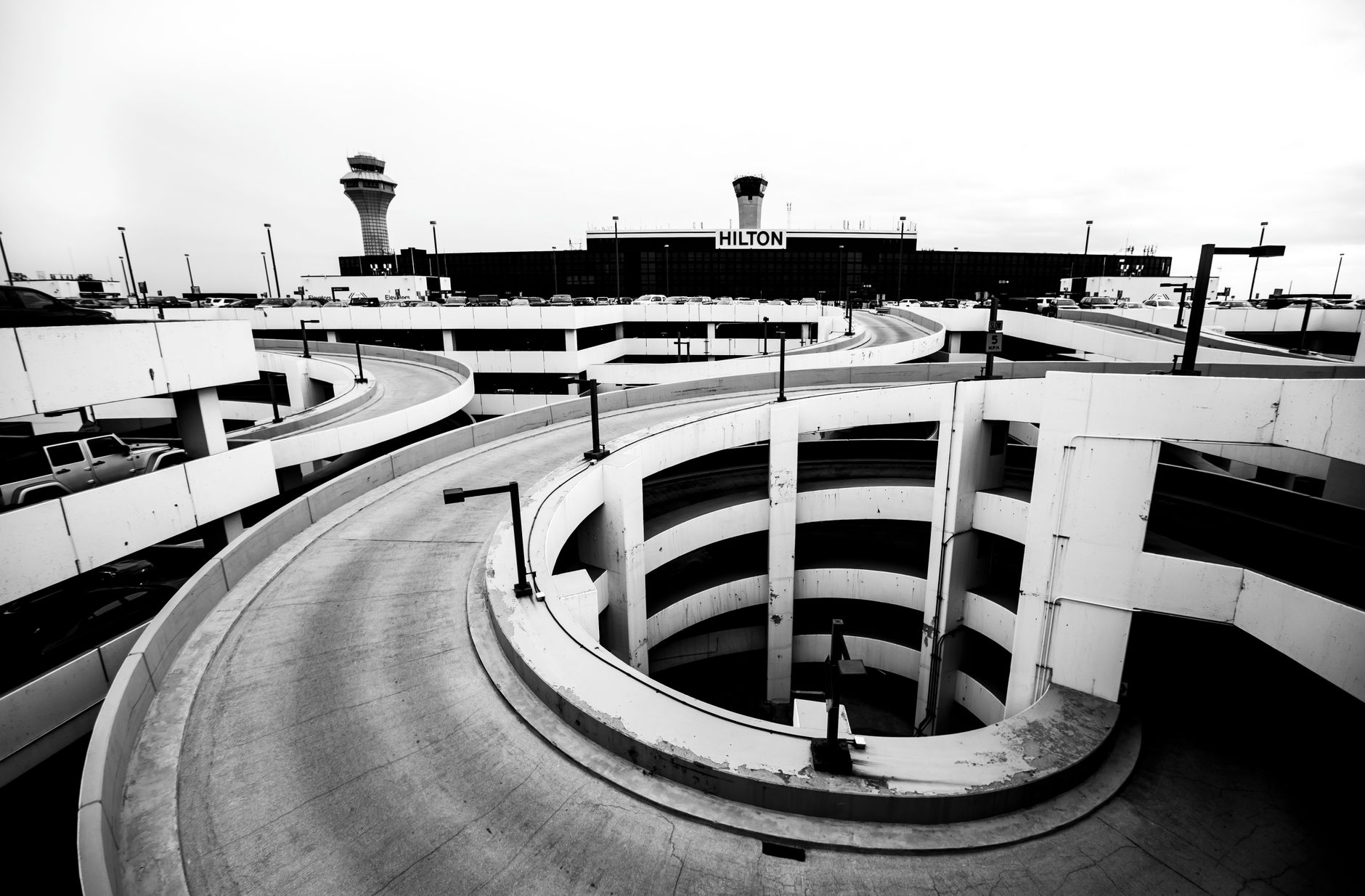
The rental-car buildings themselves are substantial. Los Angeles World Airports says the LAX consolidated rental-car facility is approximately 6.3 million square feet, houses more than 18,000 vehicles, and sees a rental car leave the facility approximately every two seconds during peak activities. That is exactly the kind of environment where a commercial cleaning robot rental or autonomous floor scrubber rental program can make sense, because presentability erodes continuously, not just at close.
Which surfaces can an autonomous scrubber handle well, and which ones stay stubbornly manual?
Robots do their best work on repeatable hard-floor routes with enough room to navigate around predictable obstacles. In a rental-car center, that usually means polished or sealed concrete walk paths, marked pedestrian corridors, counter frontage, elevator lobbies, and broad ready-return edges that can be cleaned without crossing active vehicle lines every few seconds.
Manual crews still matter. Oil drips are a good example. A machine can detect or pass over some contamination, but a fresh automotive spot may need absorbent, a degreasing step, or a spot-treatment protocol before the robot returns for appearance recovery. The same goes for tangled stanchions, abandoned luggage carts, and curbside clutter that changes from hour to hour.
In practice, the strongest model is hybrid. Use the robot floor cleaner rental fleet for predictable acreage and consistency. Keep a small manual team for exceptions, rapid spill response, and the detailed cleaning that protects the site from looking neglected at customer eye level.

What operating model works when the lane never fully goes quiet?
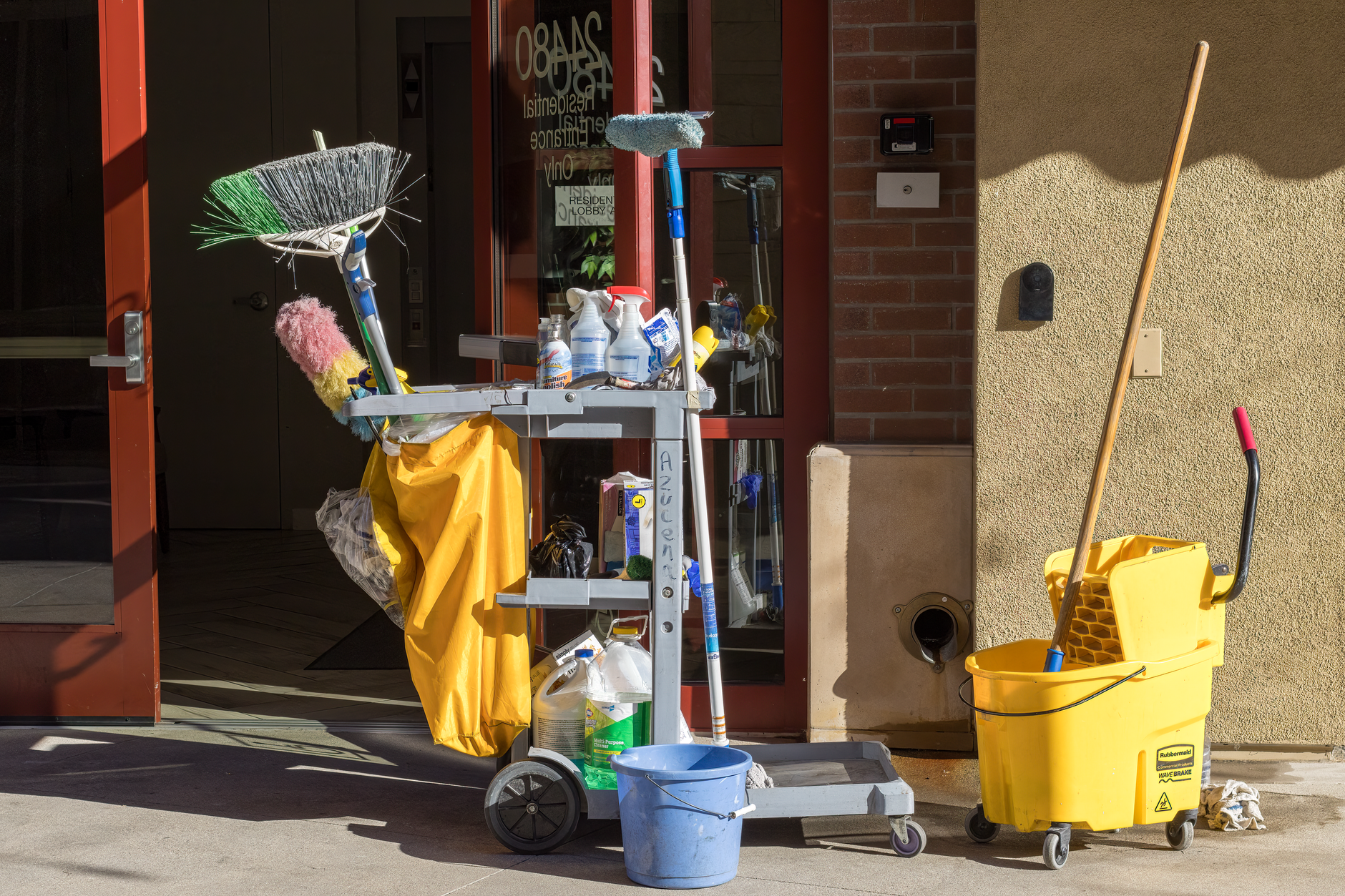
The useful pattern is a two-tempo schedule. First comes daytime maintenance: short, frequent passes on customer walk paths and counter-adjacent floors, plus edge cleaning in the return area when traffic gaps open. Second comes the overnight reset: longer scrub cycles across the broader lane system after the last major flight banks, when the objective shifts from touch-up to surface recovery.
This matters because OSHA's walking-working-surfaces rule requires employers to keep floors clean and dry and to keep aisles and passageways clear. A robot does not remove that obligation. It gives the operation another tool for meeting it more reliably, especially in the wet-track hours after rain or the dusty periods when vehicle turnover is high.
There is also a staffing reality. The Bureau of Labor Statistics says the United States had 2,447,700 janitors and building cleaners employed in May 2024, yet still projects about 351,300 openings each year on average from 2024 through 2034. For airport operators and rental concessionaires, that is one reason robot as a service and commercial robot rental monthly programs keep getting attention. The labor market for repetitive floor care is not getting simpler.
What should a rental-car operator measure before deciding on a pilot?
Start with soil pattern, not hype. The right question is where the floor loses appearance fastest and how often it needs to be reset to protect the customer experience. In most facilities, three measurements matter more than anything else: square footage by zone, hours of safe cleaning access by zone, and the percentage of mess that is routine residue versus exception work such as oil, glass, or crash debris.
A serious pilot should also log vehicle flow by hour, not just daily volume. If one lane stays hot until 1 a.m. but the pedestrian spine clears by 10 p.m., those zones need different automation plans. A floor scrubber monthly lease only pays off when the route and schedule match the building's actual rhythm.
Useful pilot metrics include cleaned square footage per shift, number of manual spill callouts avoided, morning floor-condition scores from supervisors, and how much of the overnight window remains available for other janitorial work after the robot run ends. Those measures tell you far more than a generic claim about floor scrubbing robots.
Where does Service Robot Co. fit if the site has mixed needs and no time for vendor wrangling?
Airport rental-car operations rarely need a one-size-fits-all machine. They need a program. One zone may call for an industrial floor scrubbing robot. Another may need a compact unit for customer paths. A third may still be manual. Service Robot Co. works as a vendor neutral robot integrator for US businesses, so the starting point is the floor and traffic pattern, not a single manufacturer's catalog.
That matters even more when the buying model is flexible. Some operators prefer commercial cleaning robot rental, robot leasing for business, or robot as a service with monthly payment programs and maintenance included. Others want lease rental or sale options after a pilot. Service Robot Co. can finance, deploy, integrate, train, and service every unit through a nationwide US engineer network, which is useful for airport sites that cannot afford to chase one company for hardware, another for setup, and someone else for on-site dispatch.
For a niche environment like ready-return lanes, the integration detail matters as much as the machine. Route design, safe handoff points, signage, charging placement, staff training, and service response all decide whether the program becomes a dependable overnight floor care asset or another underused piece of equipment.
So when does this make sense, and when does it not?
It makes sense when the facility has enough repeatable hard-floor area, enough overnight or off-peak access, and enough pressure on appearance consistency that manual-only cleaning keeps slipping. Large airport rental buildings, especially those with protected pedestrian corridors and broad return canopies, are good candidates for an airport cleaning robot rental approach.
It makes less sense when almost every square foot is interrupted by unpredictable vehicle staging, dense cones, or constant spot contamination that requires chemical intervention before any machine can help. In that setting, the robot may still fit the customer path and counter zones, but not the lane interior. That is still a worthwhile result. Partial automation is not failure. It is honest scoping.
The practical answer, then, is yes: a robot can keep ready-return lanes, counters, and customer walk paths presentable while cars keep moving, but only if the deployment respects how rental-car centers actually operate. The cleanest programs pair daytime touch-up routes with overnight recovery, leave exception work to people, and treat uptime and service support as part of the buy decision, not an afterthought.