Key takeaways
- Routine autonomous routes should skip live adoption zones and treat aisles as release-by-section, not always-on scrubbing.
- Pet hair and lightweight litter demand daily brush care and recovery checks, not just more detergent.
- Tracked water from aquatics and grooming beats need mapped dry lanes and quick manual pickup before robots run.
- Food dust from bulk kibble aisles clogs filters fast; schedule consumable checks like you schedule labor.
- APPA reports $152 billion in 2024 U.S. pet spending, so foot traffic and mess load stay high even in soft retail cycles.
What makes pet retail floors harder than generic big-box?
Pet superstores mix hard floor, carpeted adoption lounges, aquatics splash, grooming wet zones, and bulk food dust in one building. Hair floats. Litter granules scatter. Kibble crumbs work into tile joints. Customers still shop while overnight crews reset displays.
An autonomous scrubber built for a homogenous grocery racetrack will stop often in a pet format unless you plan for debris type, not just square footage. The opening answer is simple: divide the work. Let robots own predictable hard-floor coverage on a schedule. Keep humans on spills, adoption areas, and detail edges.
The American Pet Products Association reported about $152 billion in total U.S. pet industry expenditures in 2024 according to industry summaries of APPA data. Busy stores stay busy because pet ownership remains broad, not because any one SKU trend saves you from hair on the floor.
How should routine autonomous coverage be zoned?
Map hard floor into zones with different rules. Main aisle loops can run on a night schedule after registers close. Endcaps with live small-animal displays stay manual or robot-excluded until staff confirms cages are secure and bedding is contained.
Aquatics rows need dry travel lanes marked on the floor and in the robot map. A scrubber that soaks already wet tile near tanks creates slip risk and angry morning managers. Run perimeter hard floor first, then approach wet areas only after squeegee paths are verified dry.
Bulk food and treat aisles generate fine dust that dulls recovery performance. Schedule those zones after a quick manual sweep or vacuum pass if your store already owns one. The robot should scrub, not act as the only debris removal step.
- Night: main racetrack, checkout queues, and back-of-house tile
- Hold: adoption lounges, grooming bays, and open aquatics fronts
- Day: optional quiet-hour dust mop on entries if traffic allows
- Weekly: brush inspection after heavy weekend pet events
Which debris types drive robot settings?
Pet hair wraps brush skirts and rollers. Plan shorter run segments and inspect skirts at shift change. Litter and small granules behave like grit. They wear pads and can trigger false obstacle stops if scattered near displays.
Kibble dust is airborne as well as floor bound. Filters and hopper screens need a calendar, not a guess. If the store runs frequent taste tests or sample events, bump inspections the next morning.
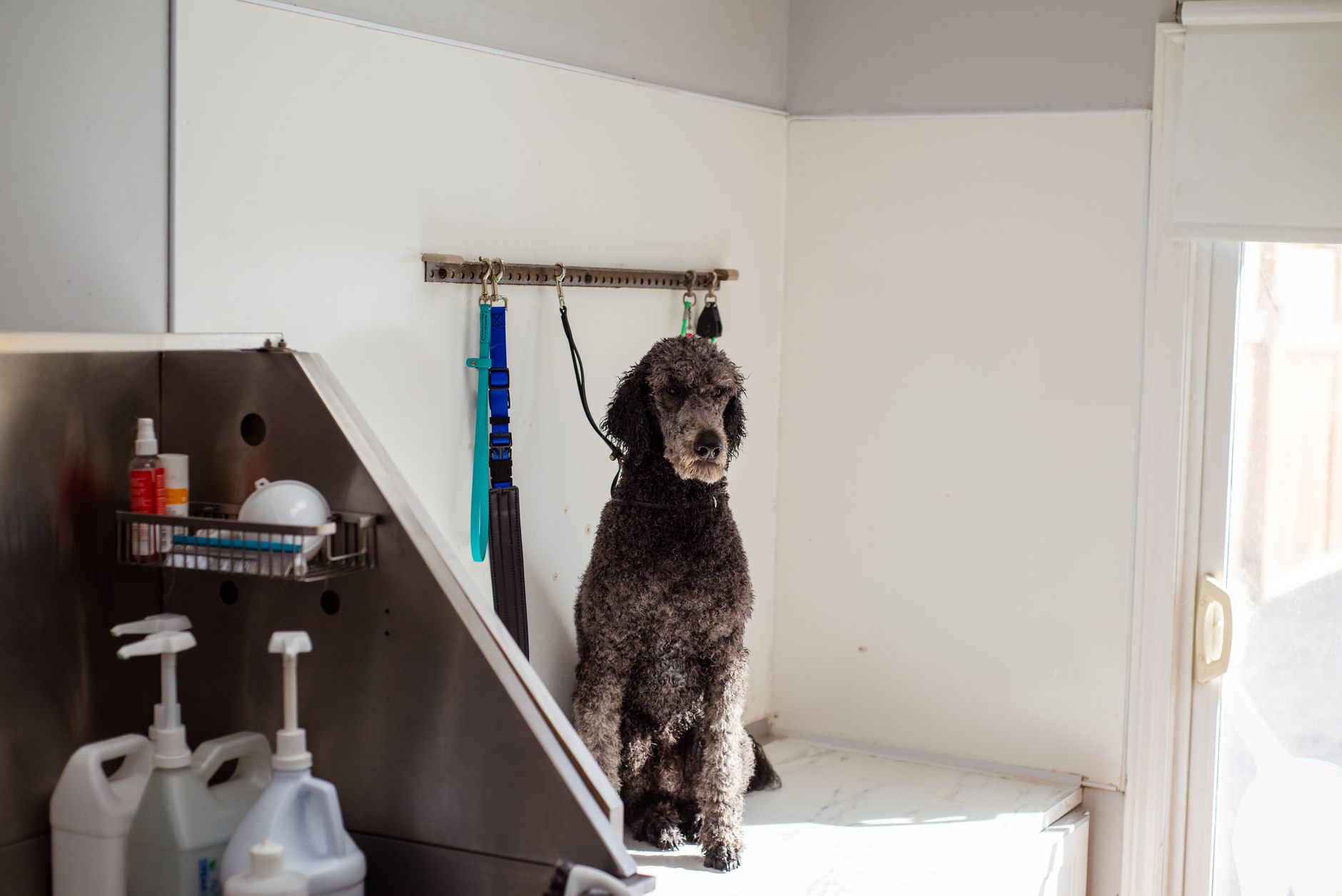
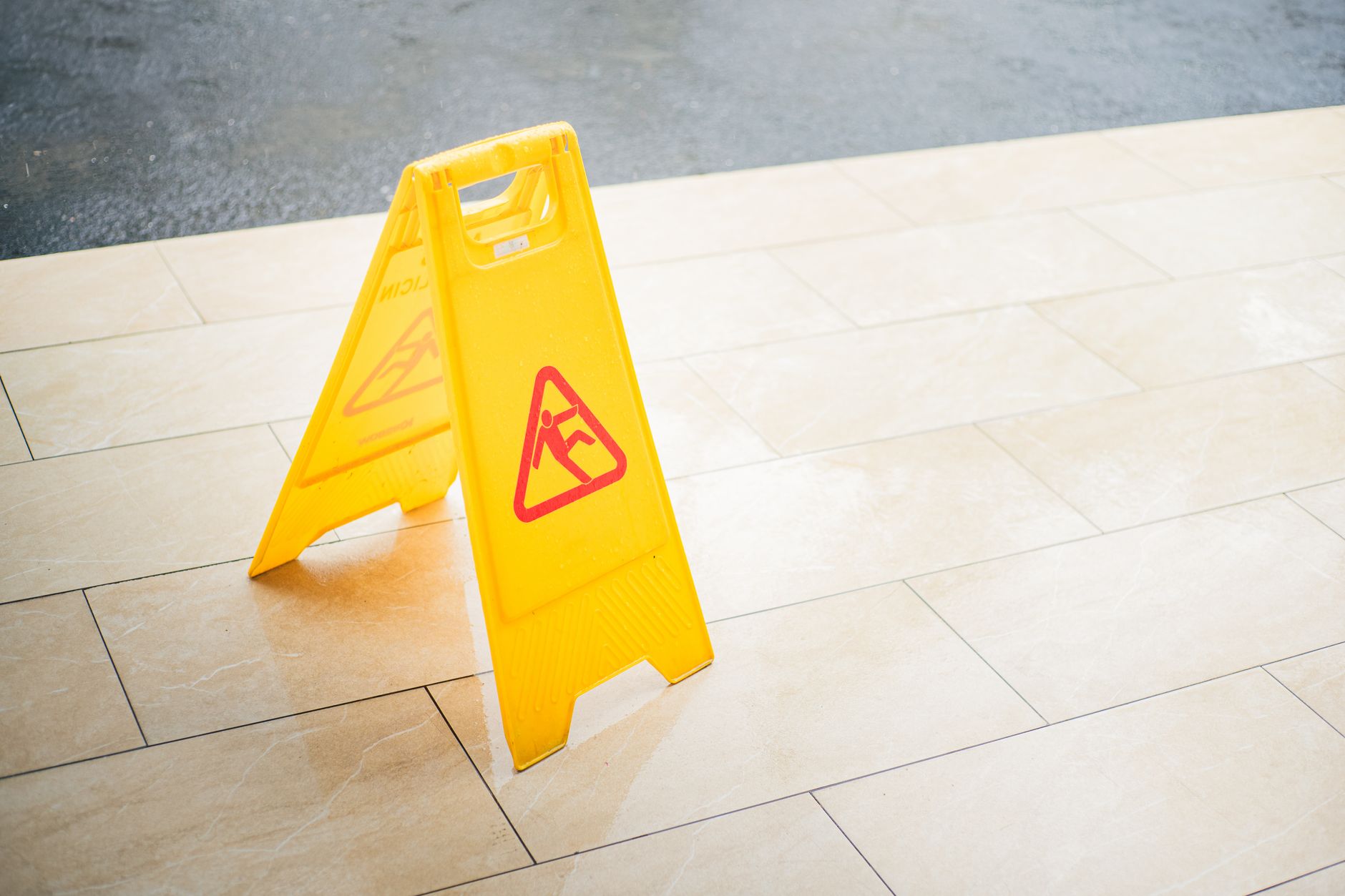
Tracked water from grooming tubs or aquatics maintenance is a safety issue first and a cleaning issue second. OSHA walking-working surface guidance expects floors kept clean and dry where workers and customers walk. Pair robot routes with mats, signage, and a named spill owner.
What belongs in spill response versus robot work?
Spill response stays human led: broken aquatics bags, upset stomach accidents near clinics, dropped rawhide bins, and bleach-grade sanitation in vet clinic corners if your format includes them. Robots follow after pickup and neutralization.
Give night stockers a radio code for pause robot when a pallet of litter splits. The scrubber should not grind clay litter across polished tile. Vacuum or scoop first, then resume the mission.
Document the split on one laminated sheet at the desk. Stock lead owns aisle release. Janitorial lead owns robot start. Manager on duty owns exceptions.
How do you measure success on pet retail floors?
Track productive scrub minutes separately from blocked or fault time near displays. Compare slip complaints and near misses at entries week over week. Pair robot reports with a five minute opening walk by the store manager.
Photo the brush and squeegee after heavy weekends. Wear shows up in images before it shows up in customer comments.
If adoption events spike traffic, expect filter and brush wear to spike too. That is normal. Budget consumables like you budget seasonal labor.
Where does Service Robot Co. fit pet retail formats?
Service Robot Co. is a full-service commercial robot integrator for U.S. businesses. We stay OEM-neutral across autonomous scrubbers and supporting fleet tools, then finance, deploy, map, train, and service units nationwide.
For pet superstores we often start with commercial cleaning robot rental on one high traffic store. That proves zone maps around aquatics, grooming, and bulk food before you roll the same playbook to every location in a banner.
We align chemistry and pad choice with your existing floor finish program so overnight water recovery does not conflict with wax or polish schedules your day crew already trusts.