Key takeaways
- Soil and grit at entries wear squeegees faster than office tile.
- Guest hours need quiet modes and visible signage, not hidden routes.
- Gift shop and cafe floors may need separate tanks from conservatory paths.
- Manual edge work stays around planters, benches, and ticket desks.
Where do scrubbers help in a botanical visitor center?
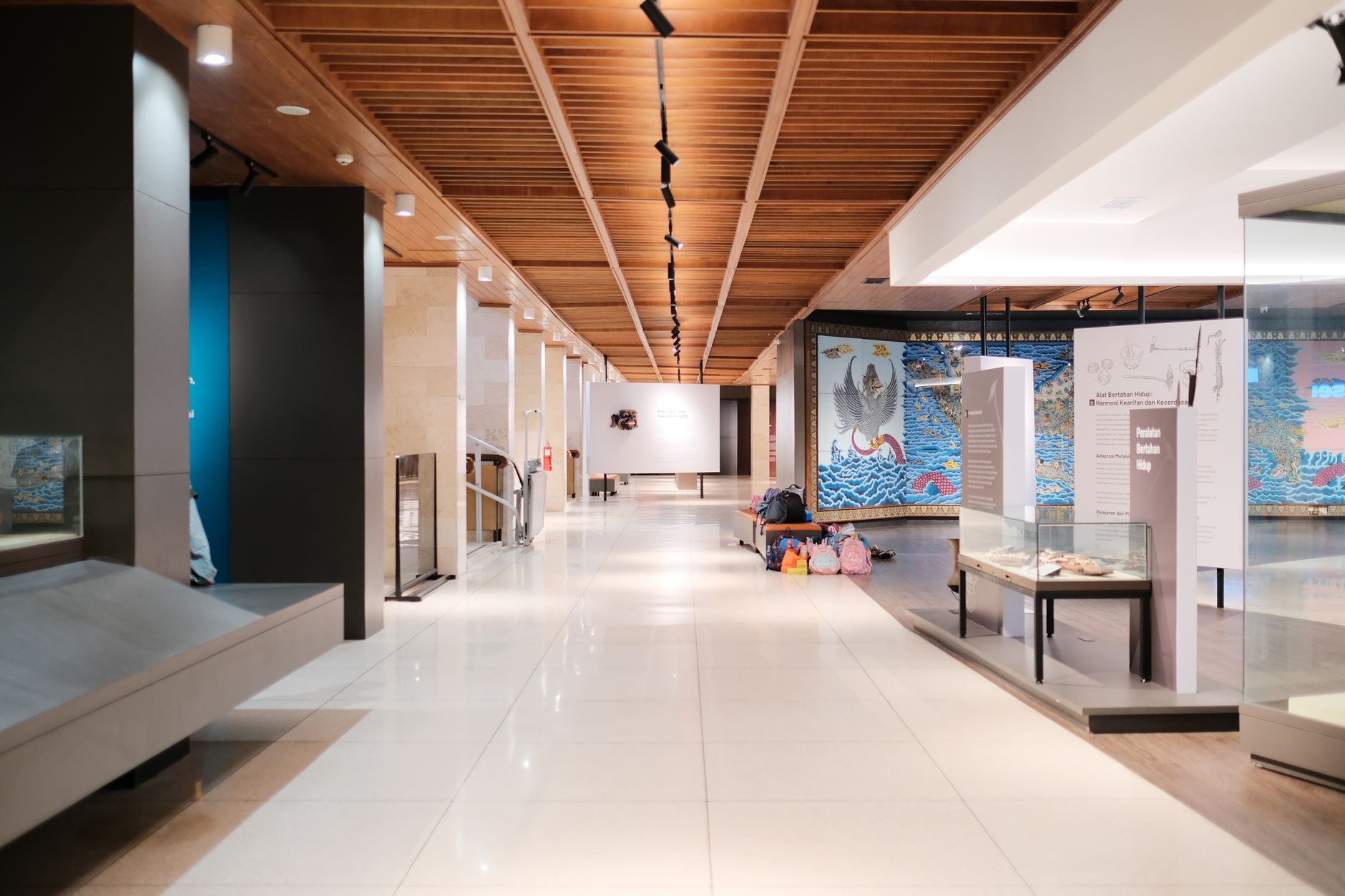
Autonomous scrubbers fit lobby stone, gift shop tile, and long corridor paths where visitors track in soil and crushed leaves all day. They do not replace horticultural staff in greenhouses or gravel paths outdoors.
According to the International Federation of Robotics, professional cleaning robot sales rose 34 percent in 2024 to more than 25,000 units worldwide, with floor scrubbing as the lead task. Garden visitor centers join museums and zoos in testing overnight routes that stay off live exhibits.
Start with the highest grit load at the main entry and cafe spill zones. If the robot cannot finish those loops before opening, expand only after you measure recovery tank dumps and noise at the ticket desk.
Why is soil harder on robots than ordinary retail dirt?
Botanical centers see fine soil, sand from paths, and organic grit that dulls brushes faster than urban office dust. Entry mats help, but peak spring bloom weeks overwhelm mat capacity by mid-afternoon.
Run brush inspections weekly during heavy visitation seasons. A worn brush leaves streaks that look like mop haze on light stone.
Coordinate with horticulture so wagon wheels and plant carts do not cross a wet floor right after a scrubber pass. Wet soil smears and creates slip complaints at the membership desk.

How do wet entries and irrigation mist change the plan?

Conservatory doors release humid air that condenses on cooler lobby tile. Schedule scrubbers after peak entry rushes when mats are swapped and puddles are squeegeed manually.
Outdoor irrigation overspray near cafe patios can flood routes. Map automatic pauses when rain sensors or staff flags report standing water.
Recovery tanks may need mid-route dumps when muddy seasons peak. Undersized tanks stop halfway and leave half the lobby wet for the first school group.
What about noise and guest experience?
Many gardens restrict autonomous runs to early morning or after last ticket time. Some use slow, labeled robots on weekdays with docents nearby for questions.
Quiet modes matter near lecture halls and member lounges. Decibel limits in rental contracts often mirror library rules more than warehouse specs.
Post clear signage so guests expect motion near the gift shop, not behind them in a narrow orchid hallway.
Which areas should stay manual?
Gravel paths, deck boards, and exhibit mulch stay manual. Ticket counters, bench feet, and planter edges need hand tools even when the open floor is automated.
Butterfly houses and high-humidity domes may ban chemicals your scrubber tank carries. Use separate routes and tanks for food service versus conservatory exits.
Document manual zones on the same map horticulture uses for event setup so tents do not block docks mid-season.
How should you pilot before buying?
Run through a spring break week and a rainy weekend. Leaf fall and school groups stress routes differently than a quiet Tuesday in winter.
Track slip reports, mat replacement hours, and guest comments beside square feet covered. A scrubber that saves mop time but triggers extra mat labor is not a win.
Commercial cleaning robot rental or a month to month robot lease lets you prove one loop before you finance multiple units for satellite gift shops.
How can Service Robot Co. help garden operators?
Service Robot Co. is a vendor-neutral integrator for US cultural and hospitality sites. We map soil-heavy entries, finance pilots, deploy with facilities and horticulture leads present, and service fleets through a nationwide network of regional service engineers.
We qualify detergents against your stone and sealant specs, train staff on split manual edges, and keep loaner units ready during bloom-week brush wear.
IFR data showed professional cleaning robot sales grew only 4 percent in 2023 before the 2024 jump, which means more choices on the market but not every unit fits quiet conservatory exits. We narrow hardware to pilots that survived similar visitor centers.
The right garden scrubber respects guest hours, survives gritty entries, and leaves planter edges to your team on a posted schedule. One partner handles mapping, monthly programs, and dispatch.