Key takeaways
- Climate-controlled self-storage has a distinct cleaning problem: long indoor runs, polished concrete, and dust concentrated at unit doors.
- The labor case is practical, not theoretical. BLS reports 351,300 janitor openings per year on average, which keeps overnight coverage hard to staff.
- Robots work best when they handle repeatable corridor passes while people keep the detail work, door tracks, corners, and spill response.
- For storage operators, the right buying question is not can a robot clean. It is how to map routes, charging, and service around tenant access and low-headcount shifts.
- A full-service, vendor neutral partner matters because self-storage portfolios need financing, deployment, training, and field service, not just a machine.
Do cleaning robots make sense in climate-controlled self-storage?
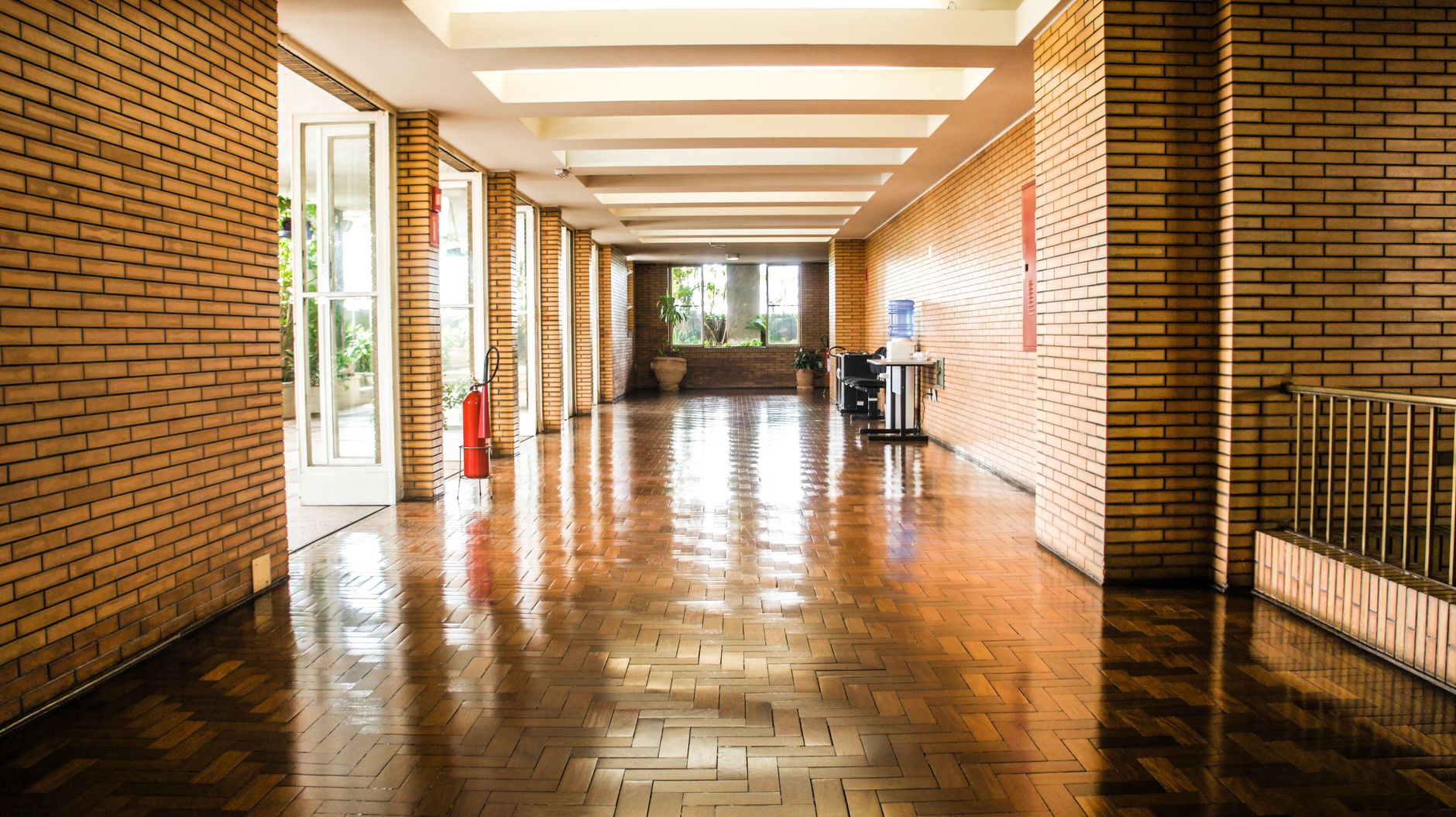
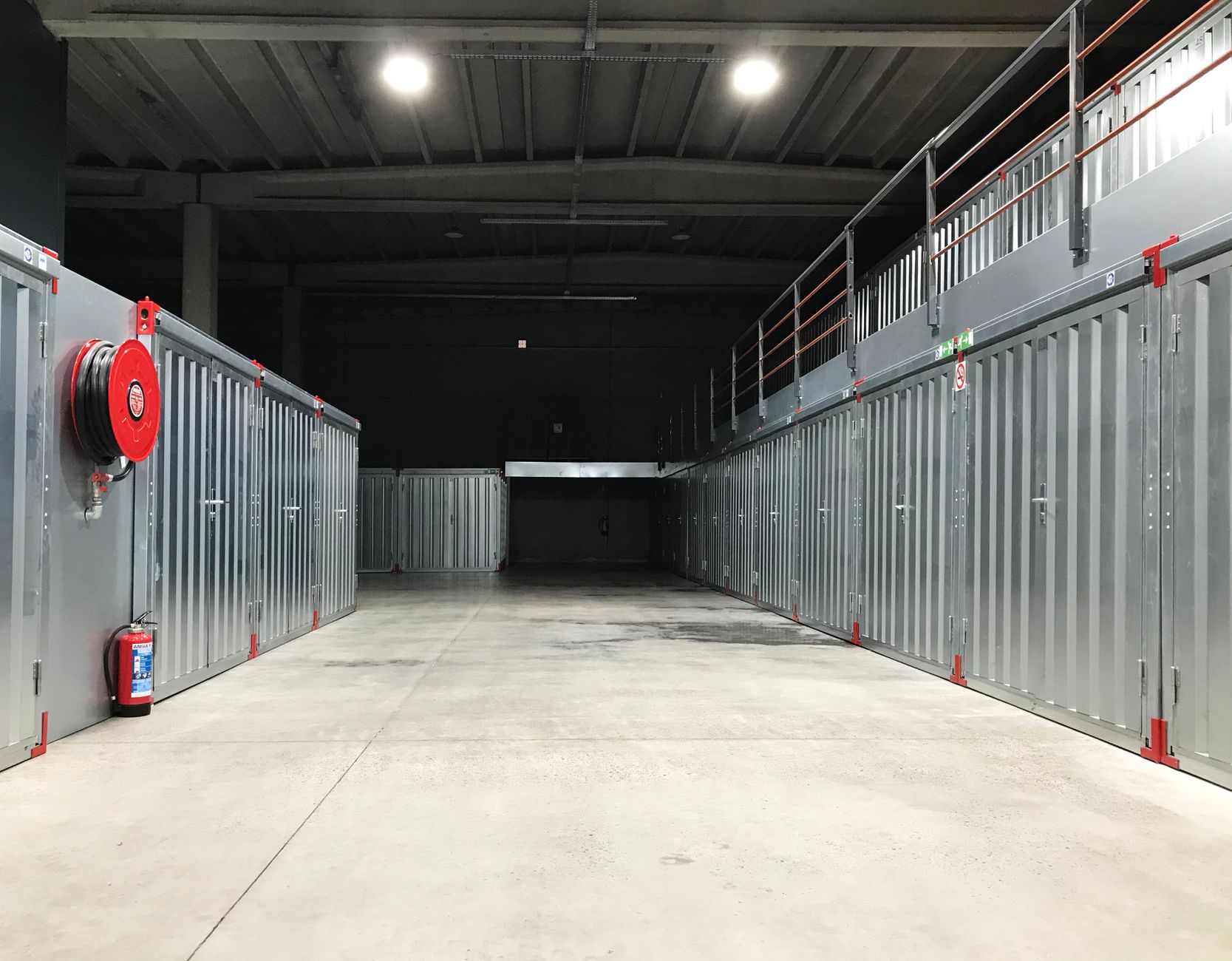
Yes, often more than operators expect. Climate-controlled self-storage buildings are full of repeatable floor work: long interior corridors, steady square footage, polished concrete that shows dust fast, and cleaning windows that usually fall before opening or after gate traffic thins out. That is exactly the kind of environment where a robot can take over the broad, monotonous floor passes without getting in tenants' way.
The case is operational before it is technical. The Self Storage Association says the U.S. industry represents 49,000 facilities, while StorageCafe's July 2026 market snapshot puts national inventory above 2.2 billion square feet and says 1 in 3 Americans use self-storage. That scale matters because climate-controlled operators are not managing a quirky edge case. They are managing a mainstream building type with a recurring housekeeping burden.
What changes in indoor storage is the nature of the dirt. You are not chasing mud across an open lot. You are dealing with fine dust pulled in at roll-up doors, debris shed during move-ins, cart marks, and the dull haze that polished concrete picks up when nightly floor care slips. A robot is a strong fit for that pattern, provided the deployment is built around real corridor geometry and tenant traffic, not a generic cleaning script.
- Best fit: interior hallways with repeatable routes and predictable quiet hours
- Weak fit: cluttered corridors, frequent abandoned items, or door zones never kept clear
- Human work still needed: edge detail, spills, roll-up door tracks, and exception handling
Why is this a different problem from storage security?
Most self-storage automation talk is about cameras, gates, and after-hours deterrence. Cleanliness in a climate-controlled building is a separate operating problem. It affects first impressions, tenant retention, inspection readiness, and the feel of the property every time a renter opens an interior hallway door.
A security system can watch a corridor that looks tired. It cannot remove the powdery dust that gathers near unit thresholds or keep a polished slab from looking tracked out by noon. Indoor storage asks for consistency more than heroics. Floors need to look settled, not freshly rescued.
That difference changes the ROI logic. Security tools are often justified by incident reduction. Cleaning robots are justified by repeatable labor coverage, appearance consistency, and the ability to keep interior buildings presentable when the overnight roster is thin. Those are different decisions, and smart operators treat them that way.
What exactly should the robot handle inside the building?
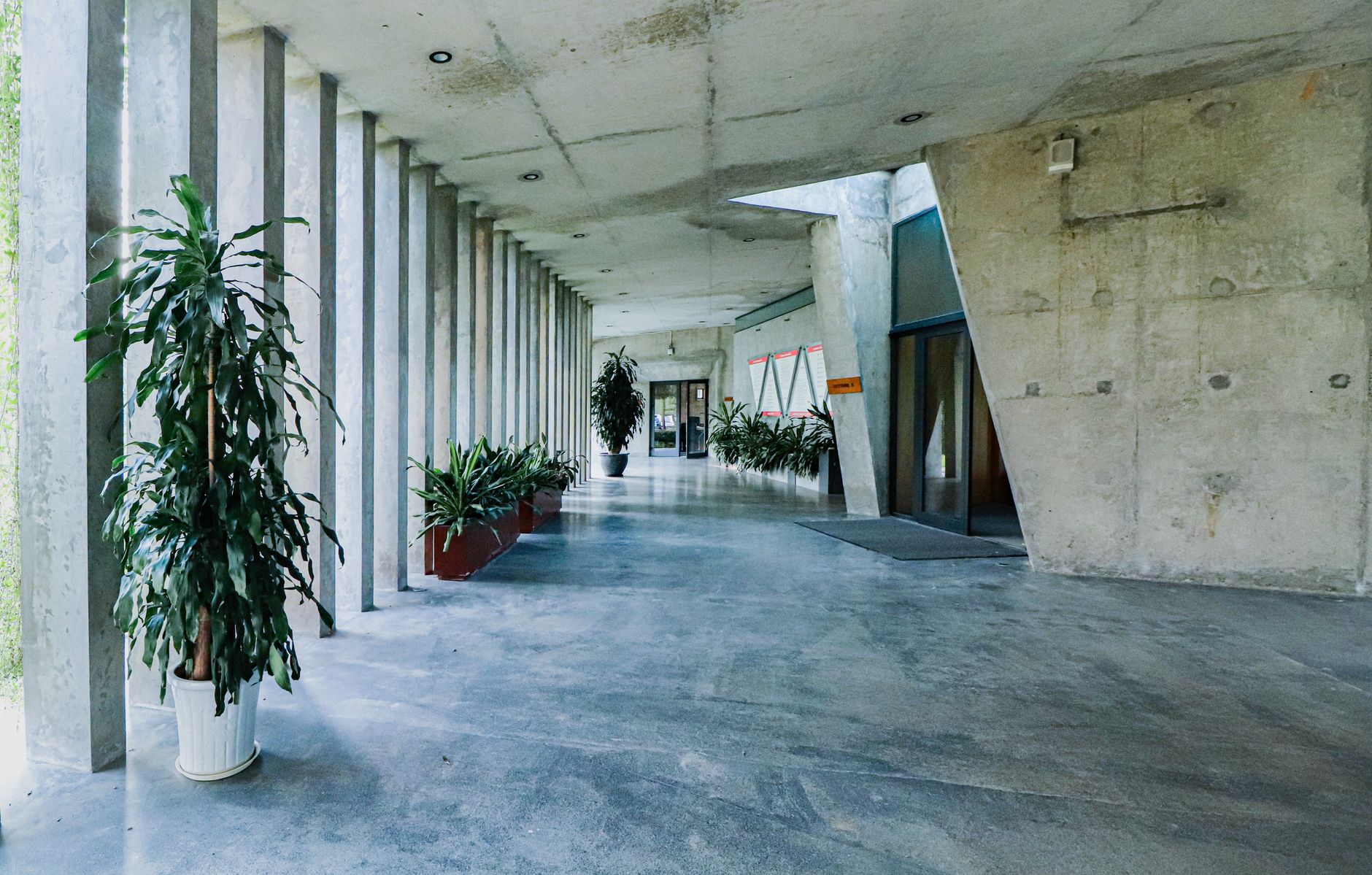
The core assignment is simple: own the long corridor passes. In a climate-controlled facility, that usually means the main interior spines, elevator lobbies, loading vestibules, and wide junctions between wings. Those zones consume time, they repeat every day, and they do not require a worker's judgment on every foot.
Polished concrete is another reason the fit is good. It rewards consistency. Miss two or three nights in a row and the surface starts to telegraph every wheel mark and every dusty footprint. A robot does not get bored halfway through a 300 foot corridor, and it does not decide the far wing can wait until tomorrow.
The operator should not expect miracles at the door edge itself. Roll-up doors and threshold grooves concentrate dust and light debris, especially after move-ins. That is usually where a person follows behind with spot detail, a vacuum, or a microfiber pass. The right split is machine for coverage and people for exceptions.
For many sites, the most practical pattern is an overnight cleaning no operator run on mapped hallways, then a short human touch-up round before the morning rush. That is more realistic than pretending one machine replaces the whole janitorial routine.
- Robot-owned zones: interior corridors, lobby loops, elevator approaches, wider cross aisles
- Human-owned zones: unit thresholds, corners, wall edges, debris piles, and surprise spills
- Good deployment habit: separate daily autonomous routes from weekly detail-clean SOPs
How much staffing pressure does this actually relieve?
Quite a bit, because the labor market for routine cleaning is still tight. According to the U.S. Bureau of Labor Statistics, janitors and building cleaners had a median hourly wage of $17.27 in May 2024, and the occupation is projected to see about 351,300 openings each year on average from 2024 to 2034. That tells storage operators something important. Finding people for repetitive overnight floor work is still a churn problem, even before you factor in absenteeism and multi-site coverage.
Now run basic facility math. If a robot absorbs just 3 hours of corridor cleaning every night, that is about 1,095 labor hours a year. At the BLS median hourly wage, that equals roughly $18,900 in annual wage expense before benefits, payroll burden, supervision, and the cost of finding backup coverage when the schedule breaks.
That is why the commercial cleaning robot rental and robot as a service conversation has traction with lean property teams. The point is not to erase janitorial labor. The point is to stop spending scarce labor on the least differentiated work in the building. Let the machine keep moving through the hallway miles while staff handle lock checks, touchpoints, bathroom resets, trash, and tenant-facing needs.
For operators comparing lease rental or sale, the useful lens is workload stability. If the same hallways need the same pass six or seven nights a week, automation is not speculative. It is a coverage tool.
What building details make or break the deployment?

Corridor geometry comes first. Climate-controlled storage often looks simple on a plan and trickier in motion. Long straight runs are ideal, but elevator pinch points, fire doors, temporary carts, and dolly parking habits decide whether a route actually holds together at 2 a.m. A real site assessment mapping pass matters more here than on a wide open retail floor.
Dust behavior matters too. OSHA's silica housekeeping guidance is written for worker exposure, not self-storage branding, but it still reinforces a useful operational point: dry sweeping is a poor answer where fine concrete dust can become airborne, and HEPA-filtered vacuuming or other dust-minimizing methods are preferred when exposure could be an issue. In storage terms, that means door-zone debris and powder should be handled with the right tools, not just pushed around until it settles somewhere else.
Charging and water service need thought, even in a small building. The dock, a utility room, or a back hall may look convenient until it puts the robot across the path of early tenant traffic. The best locations are out of sight, easy to refill and drain, and close enough to primary routes that the machine is not wasting battery just commuting to work.
Then there is etiquette. Storage tenants expect quiet and predictability. A night shift autonomous scrubber belongs on routes and schedules that avoid late-evening move-in spikes, auction activity, or the narrow morning window when staff are opening up and customers are already rolling carts.
- Check doorway widths and turning pockets at elevators and wing intersections
- Identify where carts, ladders, and abandoned items commonly block routes
- Plan charging, refill, and drain points before choosing final routes
- Write a simple tenant-safe schedule for move-in heavy days and month-end peaks
Where do climate-controlled numbers sharpen the ROI case?
The economics of indoor storage strengthen the argument for consistent floor care. StorageCafe says climate-controlled 10x10 units averaged $136 nationally in July 2026, versus $120 for non-climate-controlled units, a 13.3% premium. That premium is not just about air temperature. Tenants are paying for a more controlled, more presentable environment.
That means visual neglect lands harder indoors. In a climate-controlled hallway, dust along door lines and dull traffic bands read as operational drift, not rugged outdoor wear. Operators charging for a better indoor product should want the building to look like a better indoor product.
There is also the portfolio question. If one building has 50,000 or 70,000 square feet of indoor corridor work, the savings are local. If a regional operator has the same layout repeated across several sites, the gains compound. Route templates, training, and service practices become reusable. That is where a floor scrubber monthly lease or autonomous floor scrubber rental model can move from pilot curiosity into standard operating practice.
No honest article should promise a universal payback period without site data. But it is reasonable to say this: when you pair repeated corridor mileage with hard-to-staff overnight cleaning, the ROI conversation gets concrete very quickly.
How should operators buy and support the program?
This is one of those use cases where the integrator matters almost as much as the machine. Climate-controlled self-storage sounds narrow, but the details vary: floor finish, corridor width, slope at entries, staffing style, water access, and how much tenant traffic leaks into the evening. A vendor neutral robot integrator can match the robot to that reality instead of forcing the building to fit a catalog pitch.
Service Robot Co. is built for that kind of deployment. We are an OEM-neutral partner for U.S. businesses, which means we choose the robot that fits your floor and operating pattern, then finance, deploy, integrate, train, and service it through a nationwide U.S. engineer network. For an operator who does not want five different vendors involved in one cleaning program, that one partner one number model is a serious advantage.
That matters even more if you want commercial robot rental, robot leasing for business, or monthly payment programs rather than an outright purchase. Self-storage teams usually do not need a science project. They need predictable uptime, go live support, maintenance included, and a clear answer when a unit needs service before the weekend. That is what turnkey robot deployment is supposed to mean in practice.
The smart buying sequence is straightforward: assess one representative building, map routes around real obstruction patterns, run a pilot on the actual overnight schedule, and expand only after the labor and appearance gains show up in daily operations.

What does a good first pilot look like?
Start with one building that has true indoor corridor mileage and a manager who will actually own the rollout. Pick a site with stable traffic patterns, visible dust near door thresholds, and enough nightly floor work that the difference will be obvious within a few weeks. Do not choose the weirdest building in the portfolio and call the result representative.
Define success narrowly. Hours reclaimed. Corridor completion rate. Morning appearance. Number of manual touch-ups still needed at thresholds. Service interruptions. Those metrics will tell you more than vague enthusiasm about automation.
Then keep the first scope disciplined. Use the robot for the corridors it can own every night. Leave edge cleaning and oddball exceptions with staff. If the pilot works, expand route coverage or repeat the playbook at sister sites. If it struggles, you will know whether the issue is mapping, floor conditions, staffing habits, or simply a building that should stay manual.
That is the real promise for climate-controlled self-storage. Not a shiny machine wandering the halls for show, but a repeatable floor-care program that keeps indoor buildings clean, quiet, and tenant-ready despite limited staffing.