Key takeaways
- Overnight autonomous scrubbing fits commissaries when trucks are gone and drains are mapped first.
- Grease and flour need the right pad, chemistry, and recovery time robots cannot skip.
- FDA-style floor rules still demand coved, washable surfaces and mop sinks robots do not replace.
- Tight parking layouts need zone maps that move with prep tables and shared equipment.
- Manual detail work stays on drains, walls, and food-contact zones even with a robot fleet.
Can robots clean a food truck commissary overnight?
Yes, with the right window and the right expectations. Cleaning robots for food truck commissary floors work best after the last unit rolls out and before the first vendor returns to prep. An autonomous scrubber can cover the open bay in repeated passes while your staff handles warewashing, grease traps, and the checklist items a health inspector still scores by hand.
Shared commissaries are not restaurant dining rooms. They mix hot grease from fry lines, flour dust from prep tables, tracked-in grit from parking lots, and wastewater that must reach an approved drain. Overnight cleaning with no operator on the machine is realistic for the main traffic lanes. It is not a substitute for degreasing hoods, sanitizing food-contact surfaces, or cleaning inside each truck.
The payoff is consistency on concrete or quarry tile that sees dozens of operators a week. According to the FDA Food Code, floors in food areas must be smooth, durable, and easily cleanable, with coved sealed joints at the wall. A robot helps you meet that standard on schedule when human crews are short or priced out of a second shift.
What makes commissary floors harder than a single kitchen?
Volume and variety stack on one slab. One night might include taco trucks, bakeries, and barbecue units sharing the same washdown lane. Grease loads spike near fry stations. Flour and starch film build under prep tables that move weekly. Debris from tires and pallet jacks tracks in from the lot.
Equipment never sits still. Commissary managers shuffle tables, racks, and cold holding units to fit returning fleets. A scrubber map that worked last month may block a new drain cover or a propane cage. That is why commercial cleaning robot rental pilots should include remapping time in the lease, not treat the first layout as permanent.
Health departments treat the commissary as a fixed food facility even when the brands inside change. Los Angeles County commissary guidance, for example, expects durable washable floors and a mop sink or other approved method to clean floors. Robots use the same chemistry and water you would approve for manual scrubbing, but they still need a fill point and a legal dump path.
How should you handle grease on shared concrete?
Grease needs mechanical action plus a degreasing step sized to the soil load. Light film may come up in a standard scrub mode with an alkaline floor cleaner your chemical supplier signs off for food-adjacent areas. Heavy fryer zones often need a pre-spray or double pass that your SOP documents before automation.
Recovery matters as much as scrubbing. Leaving slippery emulsified grease on the floor fails both safety and inspection goals. Run robots on a pattern that overlaps fry lanes and dock approaches, then verify slip resistance with your own walk test before opening.
Do not point a scrubber at a standing puddle over a floor drain without mapping the grate. Machines can bridge small covers; large trench drains should be no-go zones in the route file. Manual brushing of drain rims and grates stays on the night checklist because robots rarely seat brushes into those corners.
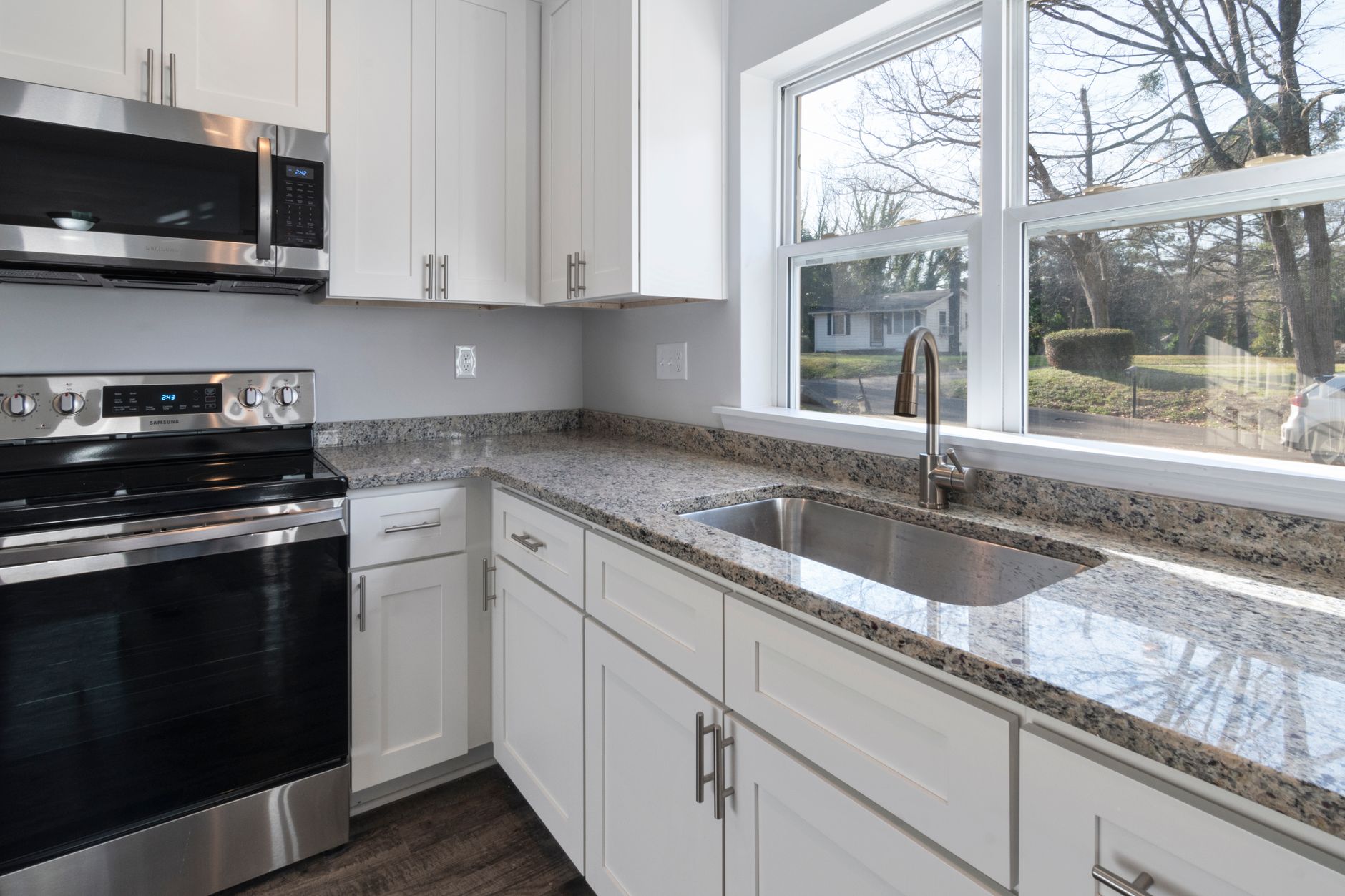
Flour, starch, and dry debris on prep aisles
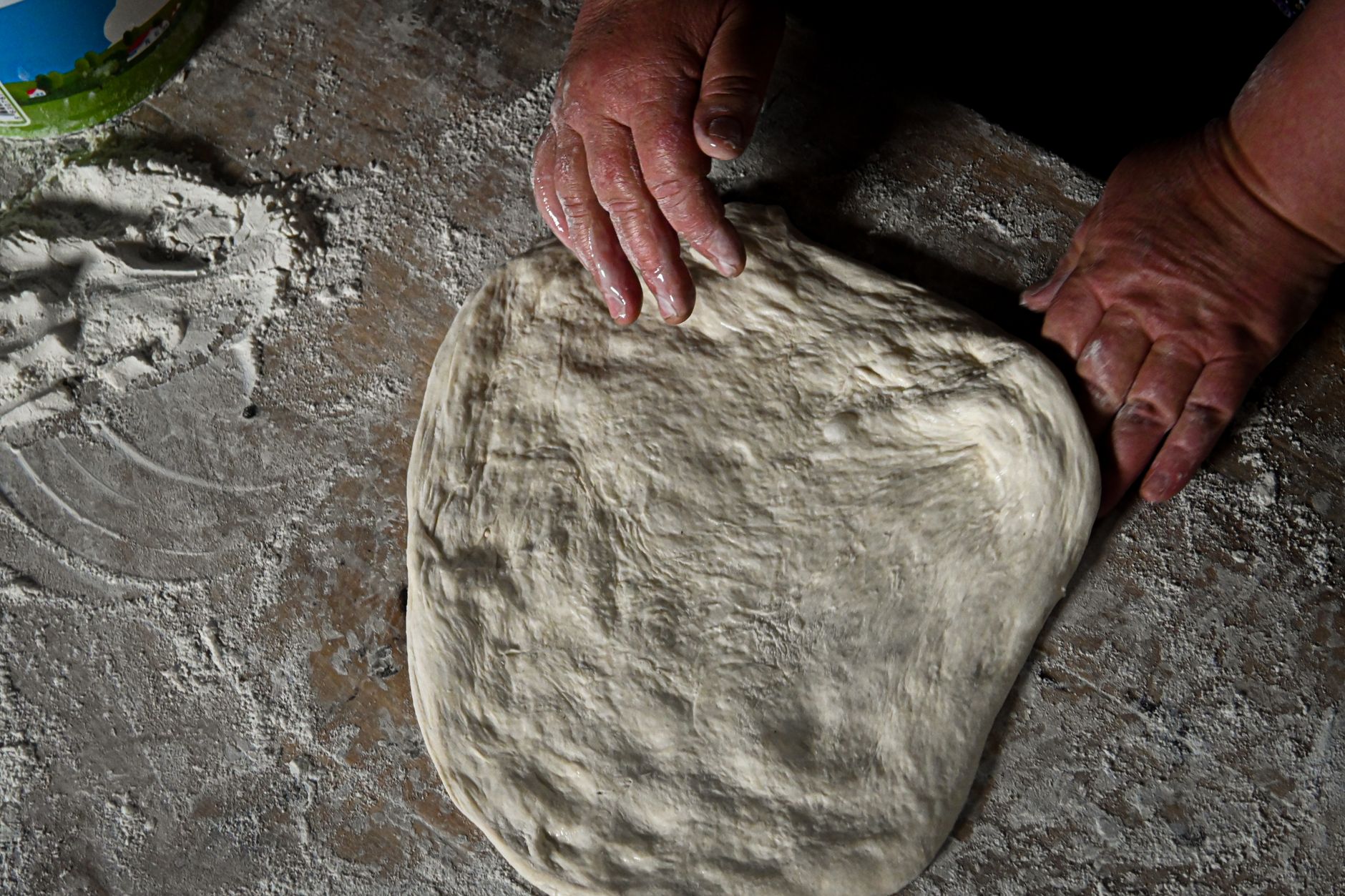
Dry soils behave differently from grease. Flour can turn to paste when wet too early. Many commissaries dry-sweep or vacuum high-dust zones before the scrubber runs. A compact autonomous vacuum pass in the same overnight window can reduce mudding in the squeegee path.
Under-table zones collect packed flour where robot decks cannot fit. Those pockets stay manual with scrapers and hoses during the truck washdown slot. Mark them on the map as slow zones or skip zones so the scrubber does not waste cycles thumping into table legs.
Tracked-in debris from the parking lot is mostly grit and organic matter. A sweeper-scrubber mode or a pre-sweep attachment helps when vendors park tight. If your lot is gravel, invest in mats and blow-downs at the door so the robot is not grinding rocks across quarry tile.
Floor drains, slopes, and tight parking positions
Commissary floors must drain. The FDA Food Code expects coved, sealed floor-wall junctions and graded surfaces where water flushing is used. Your robot needs those grades in the map so it does not fight standing water or skip low spots that never dry.
Tight parking means narrow aisles between trucks and prep islands. Measure the widest machine you might rent against the narrowest lane after a full house night. Some sites run a smaller unit for the truck bay and keep a larger scrubber for the dry storage wing.
Charging and fill stations belong in the plan review, not tucked in after go-live. A vendor-neutral integrator such as Service Robot Co. can site docks away from handwash sinks and warewashing lines so night routes stay linear and inspectors see clear separation.
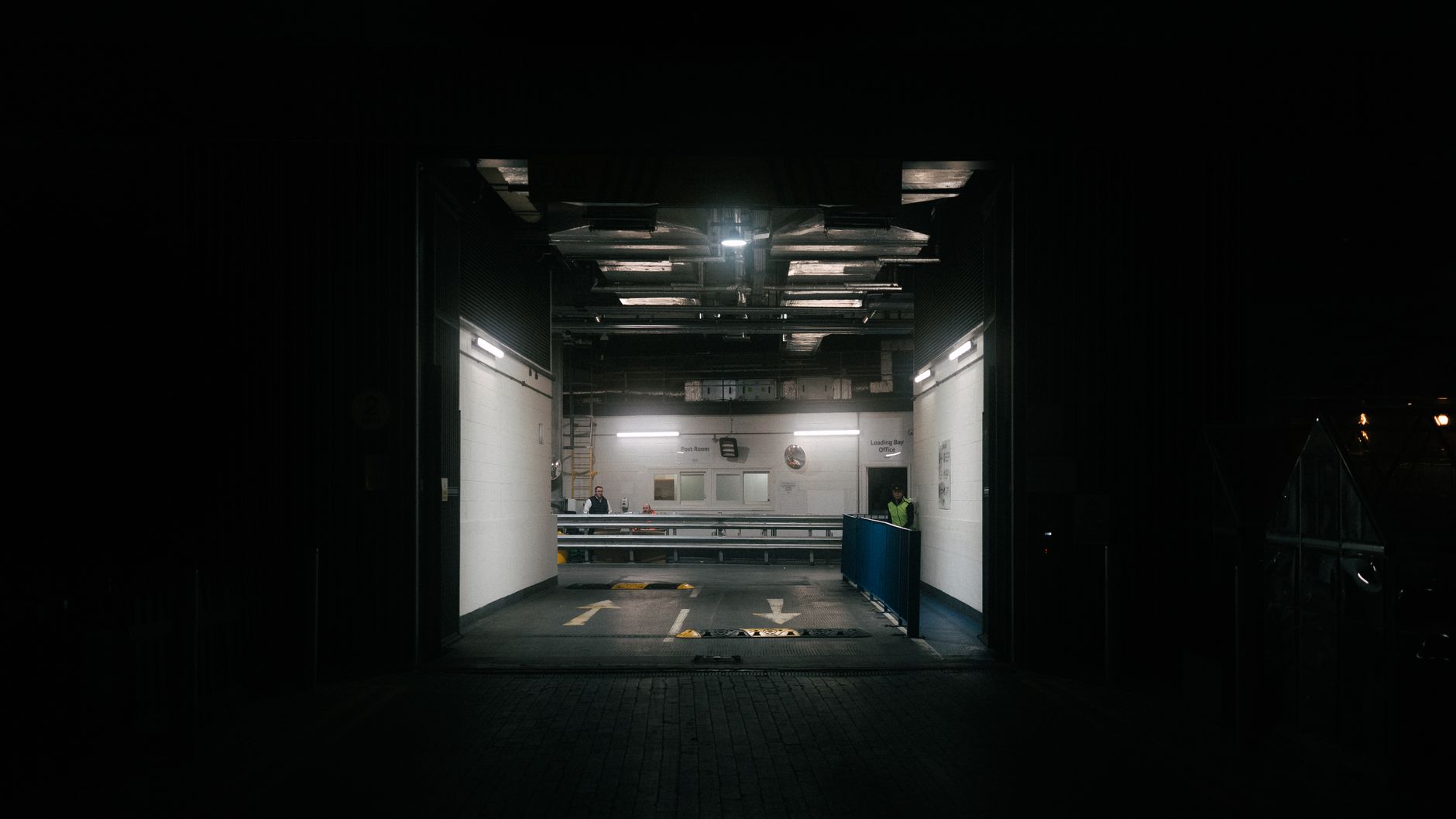
Which cleaning modes and chemistry actually work?
Match mode to soil. Use aggressive scrub on open lanes, lighter pressure near walls, and extract-heavy passes on grease zones. If your unit offers detergent injection, lock recipes per zone so operators cannot swap bottles mid-shift without logging it.
Water temperature and pH must align with your floor sealant. Epoxy and sealed concrete tolerate more than bare porous patches. Document what the flooring installer allowed in writing before you run hot water all night.
HEPA or closed filtration on the recovery tank matters when flour floats. Empty and rinse tanks on a schedule that beats odor complaints at 5 a.m. Maintenance included in a robot floor cleaner rental should cover brush wear from abrasive grit, not just batteries.
Operating windows that fit real commissary schedules
The classic window starts when the last commissary tenant finishes warewashing and ends before the earliest prep crew arrives. Many sites run 10 p.m. to 4 a.m. with a human opener who checks drains and spots the robot missed.
Some commissaries stagger truck returns from late events. Build pause rules for live traffic so the scrubber does not enter an aisle while a unit is backing in. Light stacks or magnetic door signs beat arguing with lidar in a steamy bay.
Month to month robot lease terms help seasonal fleets. You can scale down to manual deep cleans in slow months and ramp autonomous coverage when festival season fills every stall.
What sanitation tasks must stay manual?
Food-contact surfaces inside trucks and on shared prep tables stay fully manual per your HACCP and local rules. Robots do not replace sanitizer on cutting boards, three-compartment sink routines, or thermometer logs.
Wall splash, hood surrounds, and equipment feet need hand degreasing even when the floor gleams. Inspectors notice vertical buildup even on a spotless slab.
Restrooms, locker areas, and refuse rooms may be off limits to the same machine that cleans the truck bay unless you enforce zone-specific pads and empty protocols to avoid cross-contamination. Label consumables and store them like any other sanitation program.
- Sanitize food-contact prep surfaces by hand
- Brush and inspect floor drain rims and trenches
- Degrease walls and equipment bases near fryers
- Wash inside each mobile unit per commissary agreement
- Log chemical concentrations and machine tank dumps
- Verify slip resistance on fry lanes before open
How to pilot a scrubber without disrupting tenants
Start with a mapped zone that excludes moving trucks for one week. Run the robot behind tape one night while a lead watches recovery and drain behavior. Expand the map only after flour and grease tests pass on your flooring.
Compare robot leasing for business against a hired night crew using the same square footage target. National BLS data put the mean annual wage for janitors and cleaners at $37,460 in May 2024, but commissary work often pays shift premiums you should model locally.
Service Robot Co. can supply a commercial cleaning robot rental, train your opener on exceptions, and keep one partner one number for service when a brush trips on a drain grate at 2 a.m. Treat the pilot like a health inspection dry run: photos, logs, and a written SOP before every vendor sees the machine.