Key takeaways
- After-close runs work only when vendor cords, rugs, and stall lines are cleared to a written standard.
- Narrow aisles favor compact scrubbers with proven edge performance and slow speed caps.
- Temporary displays mean map zones, not one frozen route, so resets do not stall every vendor.
- Month to month rental lets you test one hall section before the whole building commits.
- Stall-owner rules and a nightly reset checklist matter as much as brush selection.
Can a cleaning robot handle an indoor flea market floor?
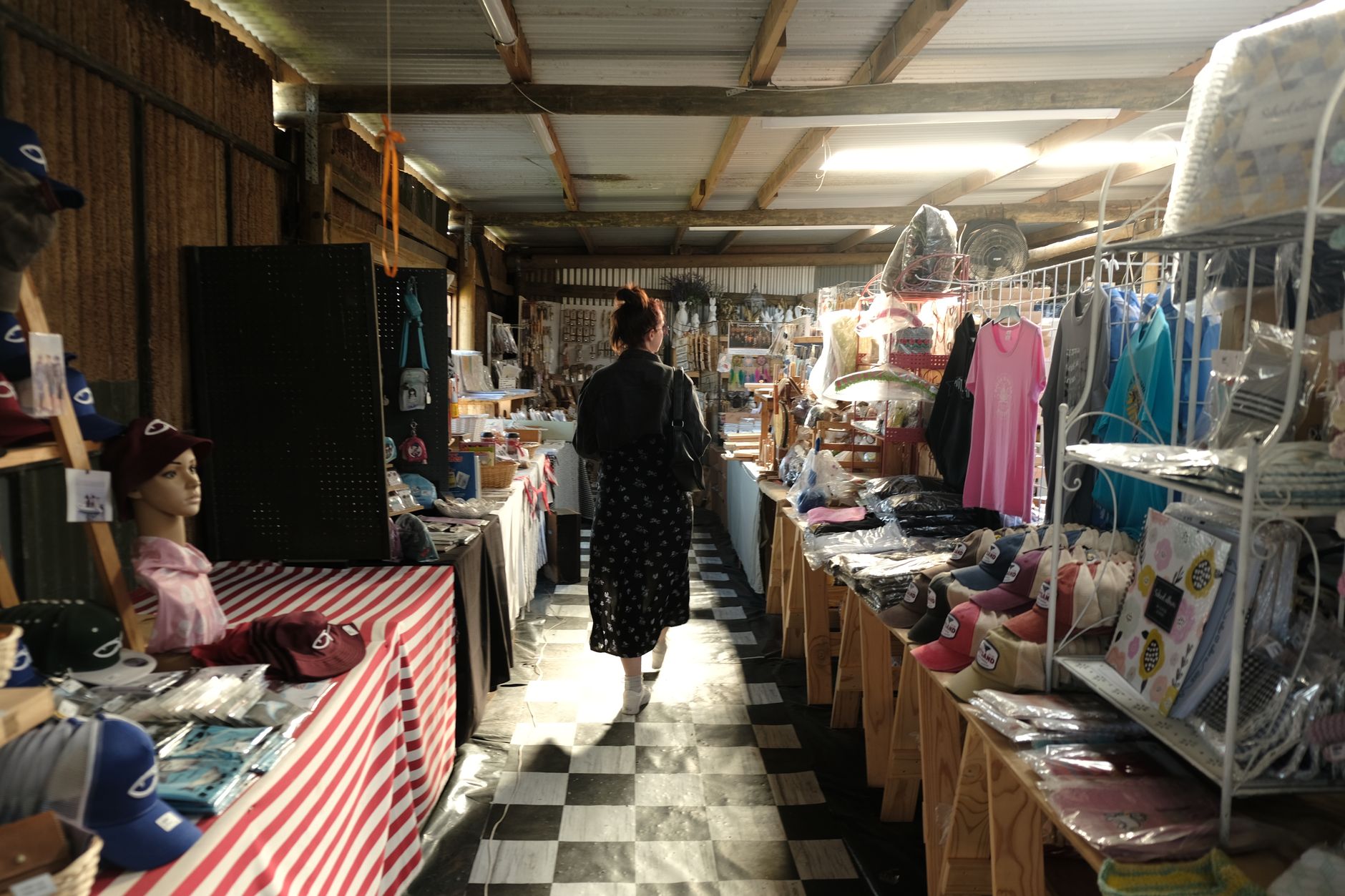
Indoor flea markets look like retail until you roll a machine through them. Aisles pinch between folding tables, vintage rugs cover concrete, extension cords snake to power strips, and cardboard flats sit half on the slab.
Autonomous scrubbers can work here after vendors leave, but only when the hall is prepared to a standard your robot can trust. The goal is not to chase every crumb during open hours. It is to reset hard floors before the next morning crowd without burning porter overtime.
Compact scrubbers with good water recovery fit better than large ride-on units built for wide grocery aisles. Service Robot Co. sizes OEM-neutral units against measured pinch points, then handles rental, mapping, training, and nationwide service under one contract.
What makes flea market debris different from grocery aisles?
Loose debris mixes food wrappers, fabric lint, small hardware, and tracked-in gravel from parking lots. Vacuums alone rarely finish the job on sealed concrete that still needs wet scrubbing.
Rugs and pop-up mats create false obstacles for lidar. A robot may stop repeatedly unless maps mark soft zones or vendors pull textiles before close.
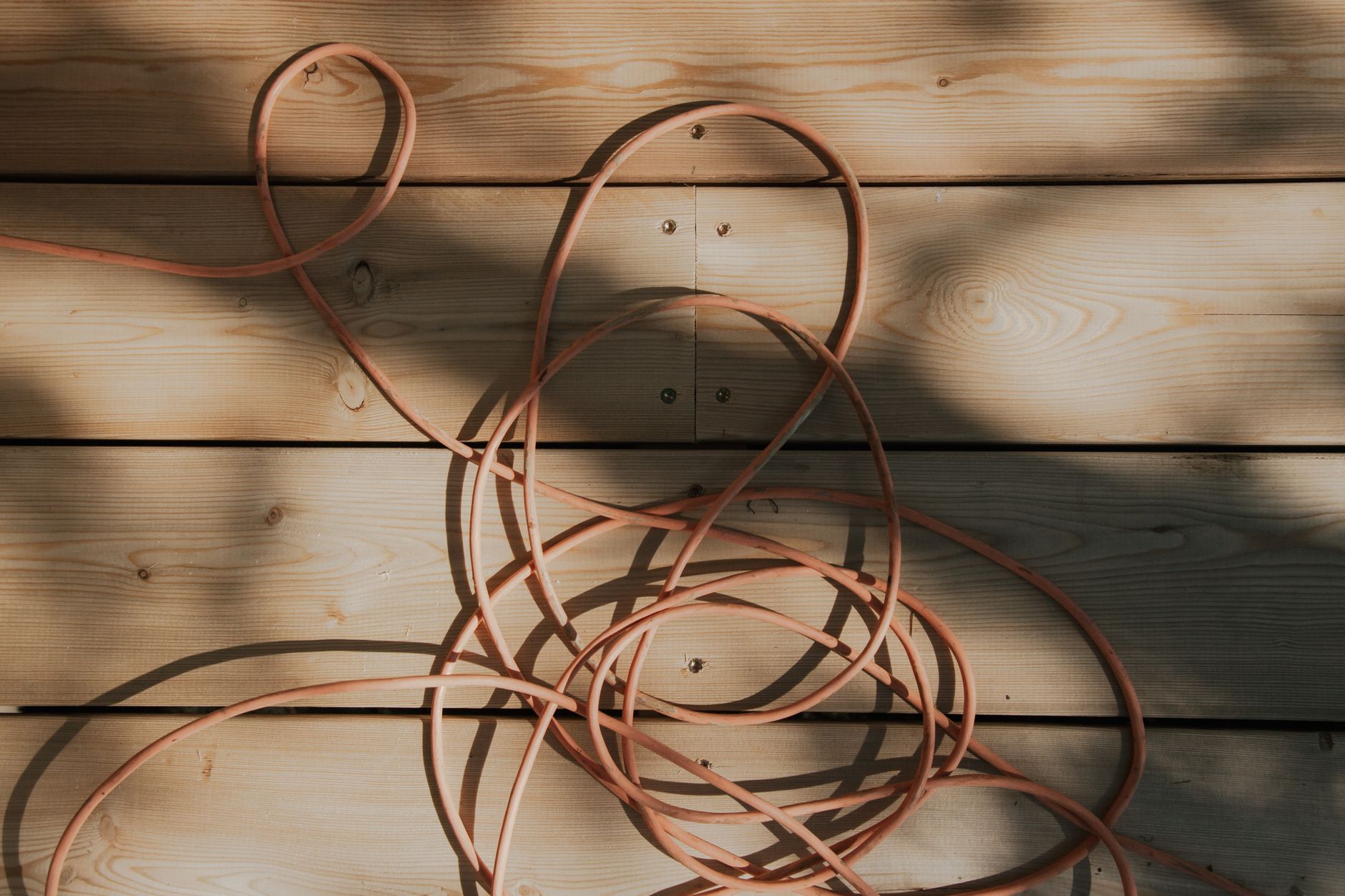
Cords are the silent killer. Even taped cords can lift under a squeegee. Stall rules should require cords coiled and elevated, not merely pushed aside.
Vendor footprints change weekly. A route that cleared last Saturday may hit a new jewelry display on Sunday. Plan for partial map updates instead of pretending the hall is static.
How should you prepare routes before the robot starts?
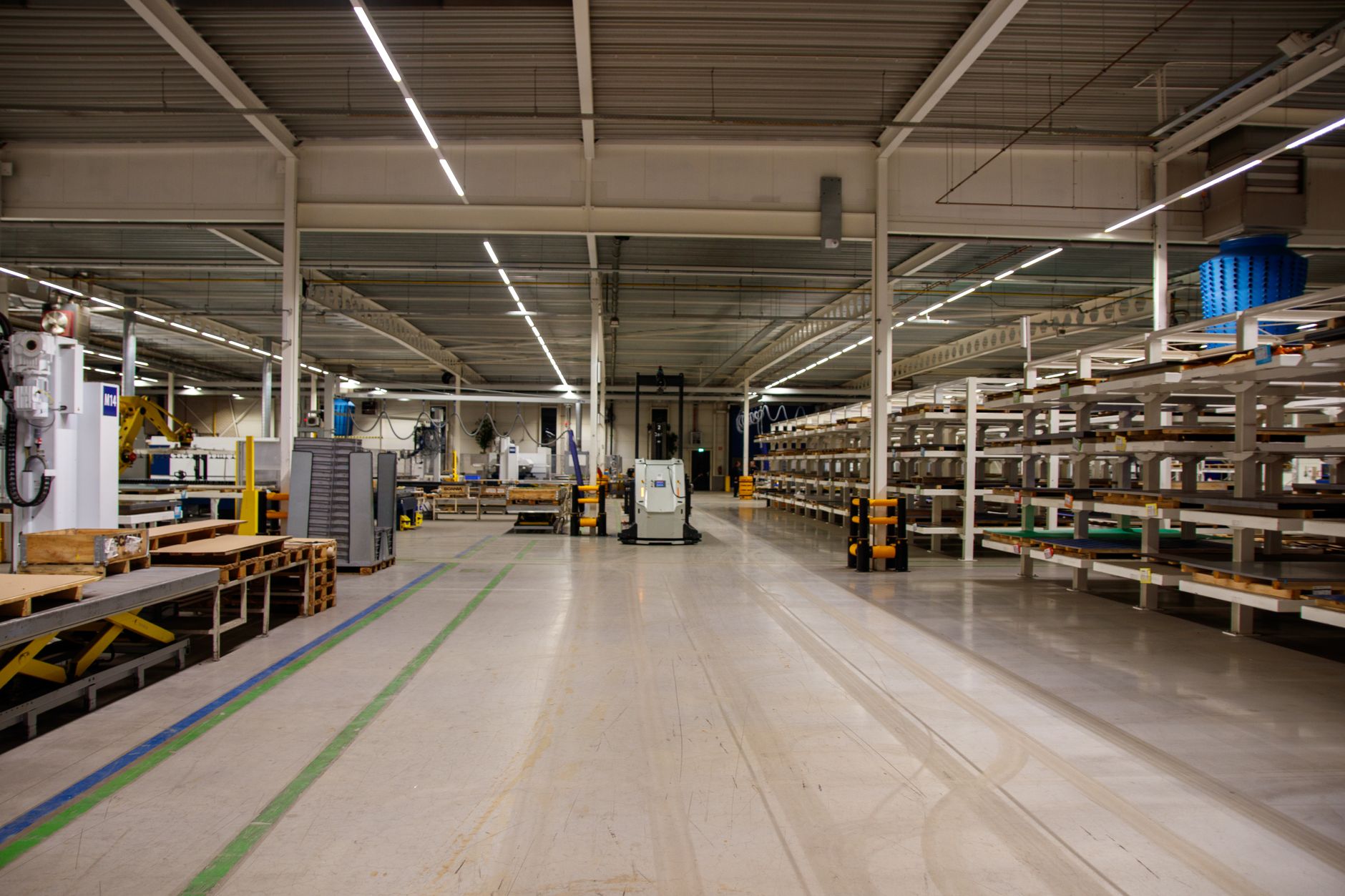
Close the hall to shoppers, then walk the route with a vendor lead and a facilities manager. Photograph cord violations and rug edges that must move.
Pick a primary loop that avoids permanent kiosks and food prep zones with grease risk. Grease and wet scrubbing need chemistry approval, not guesswork.
Mark no-go zones for antique glass, low-hanging clothes racks, and inflatable displays. Robots should never squeeze where a human would hesitate.
Set a hard deadline for stall reset. If vendors miss it, the robot skips that row rather than weaving through chaos.
Leave a painted or taped centerline on the slab where permanent vendors agree the robot may travel. Visual guides reduce arguments about how close a scrubber can pass a display.
- Cords coiled and off the slab
- Rugs rolled or staked to map no-go zones
- Cardboard flattened or removed from aisles
- Chairs stacked per stall agreement
- Water and power strips covered or removed
What stall-owner rules keep nightly scrubbing on schedule?
Publish a one-page stall handbook: what must be off the floor by close, where carts park, and who pays for a second pass if items remain.
Assign a hall captain each night to sign off before the robot leaves the dock. That signature is your audit trail when a vendor complains about missed spots.
Ban new floor displays after a set evening time. Late setups are the main reason autonomous runs slip past midnight.
Offer a make-up manual spot clean list for vendors who violate rules twice. Consistency beats arguments at the manager office.
Where do edge cleaning and tight turns limit results?
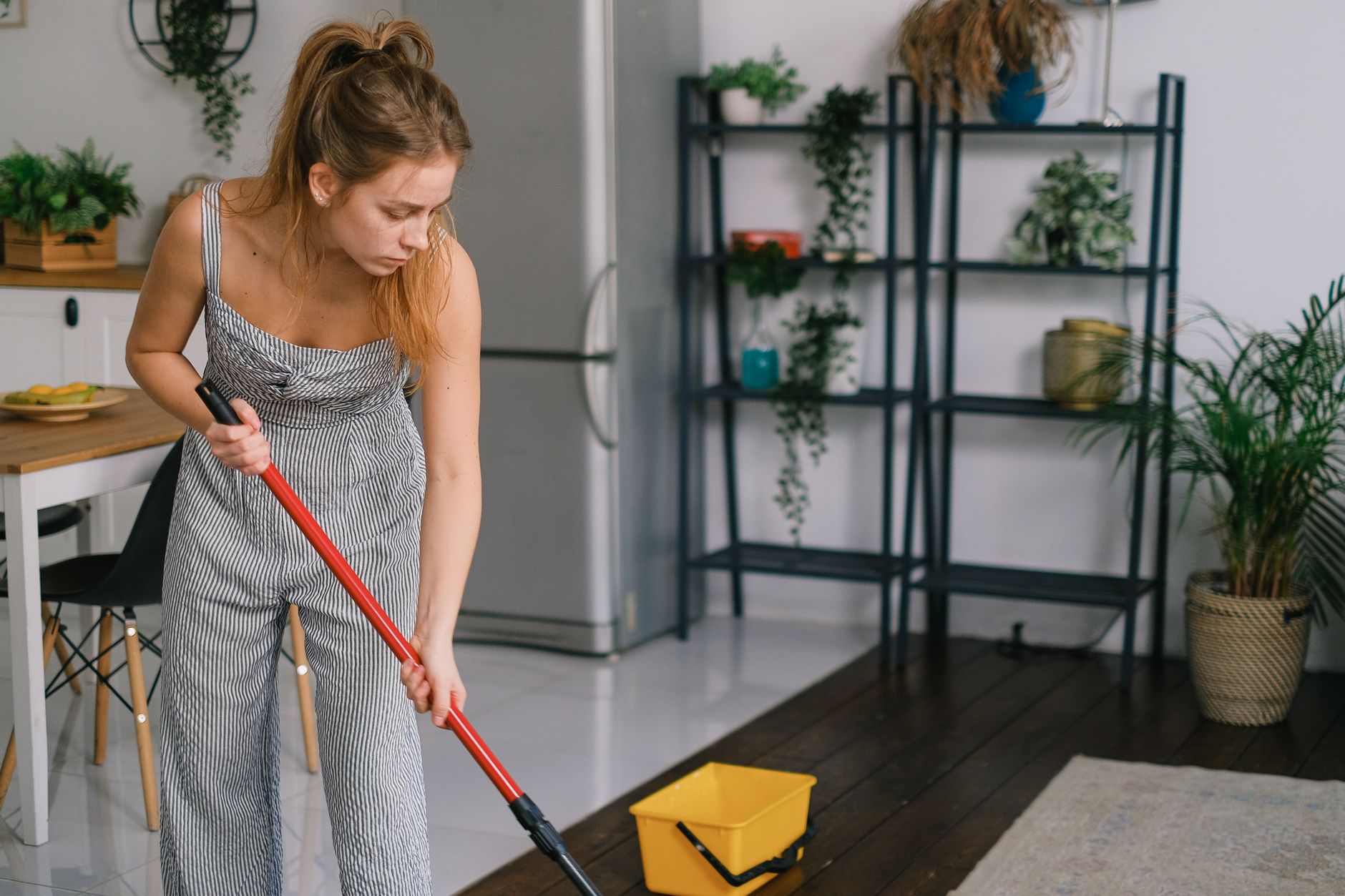
Most autonomous scrubbers leave a few inches along walls and table legs. Flea markets live in those inches because stalls hug perimeter walls.
Schedule a quick manual edge pass on high-visibility front rows if your lease requires showroom shine. Be honest in marketing photos: robots widen coverage, they do not erase every corner.
Test turning diameter at the tightest vintage row. If the robot cannot spin without clipping a table leg, split the hall into two smaller loops with hand repositioning between them.
Lower speed in rows with chair legs and planter bases. Productivity is hours of safe coverage, not racing a wide open aisle.
Foam door sweeps and threshold strips can catch squeegees. Note them on the walkthrough sheet the same way you would for a grocery receiving dock.
How do you reset maps when vendors move without redoing the whole hall?
Divide the floor into named zones tied to hall sections, not individual stall numbers that change monthly.
When a vendor cluster shifts, remap only the affected zone during a weekday closure or early morning window.
Keep a library of approved zone maps by season: holiday antique fair layout versus regular weekend layout.
Train two staff members to pause, adjust, and resume missions. Waiting for an integrator visit every layout change will idle the robot.
Store before-and-after photos of each zone when maps change so vendors see why a row was excluded from autonomous coverage.
Should you rent before buying for a seasonal hall?
Month to month robot rental fits flea markets with uneven cash flow. Prove one hall section through a rainy season before capital review.
Track autonomous hours per night and manual rescue count. If rescues stay high, fix stall compliance before adding a second machine.
Compare after-close robot scrubbing against your current porter crew on the same loop. Include water fill, dump, and cord reset labor in the comparison.
Winter mud season may require an extra dry sweep pass before scrubbing. Budget porter time for that step instead of expecting the robot to ingest heavy grit alone.
Where Service Robot Co. fits
We run the measured walkthrough, shortlist scrubbers that fit your narrowest aisle, and pilot on rental with chemistry and map zones documented.
Nationwide service keeps a hall running when a squeegee wears out on a Friday night. One partner handles finance, deployment, training, and repair so your market manager is not juggling vendor hotlines.