Key takeaways
- After-close runs fit narrow paths if maps mark obstacles and no-go zones before the first scrub.
- Ramps and carpet transitions need traction tests, not assumptions from a warehouse demo.
- Party rooms and snack bars leave different debris than the putting lanes alone.
- Quiet modes matter when late staff still break down attractions beside the course.
- Rentals with service coverage let you prove coverage before buying a full fleet.
Can compact scrubbers really reset an indoor mini-golf floor overnight?
Yes, when the goal is repeatable hard-floor care after guests leave, not a single machine that magically details every prop. Indoor mini-golf mixes short carpeted runs, painted concrete, faux rock, and snack-bar spill zones in one loop. A compact autonomous scrubber can sweep and scrub the hard sections on a fixed schedule while your night crew handles ball washers, cup liners, and themed set pieces.
Operators in the broader family entertainment center market have been adding food, parties, and arcade traffic beside putting lanes for years. Kentley Insights put U.S. family fun center revenue at about $4.3 billion in 2025, which is a useful reminder that your cleaning problem is rarely only golf. It is golf plus birthday pizza, tracked-in soil from parking lots, and the crumbs that collect where groups queue for the next hole.
The honest answer for a site manager is narrower: robots earn their keep on the predictable hard-floor miles you can map cleanly, not on climbing a dragon statue or vacuuming a felt-lined hazard.
What messes show up after parties, snacks, and peak Saturday traffic?
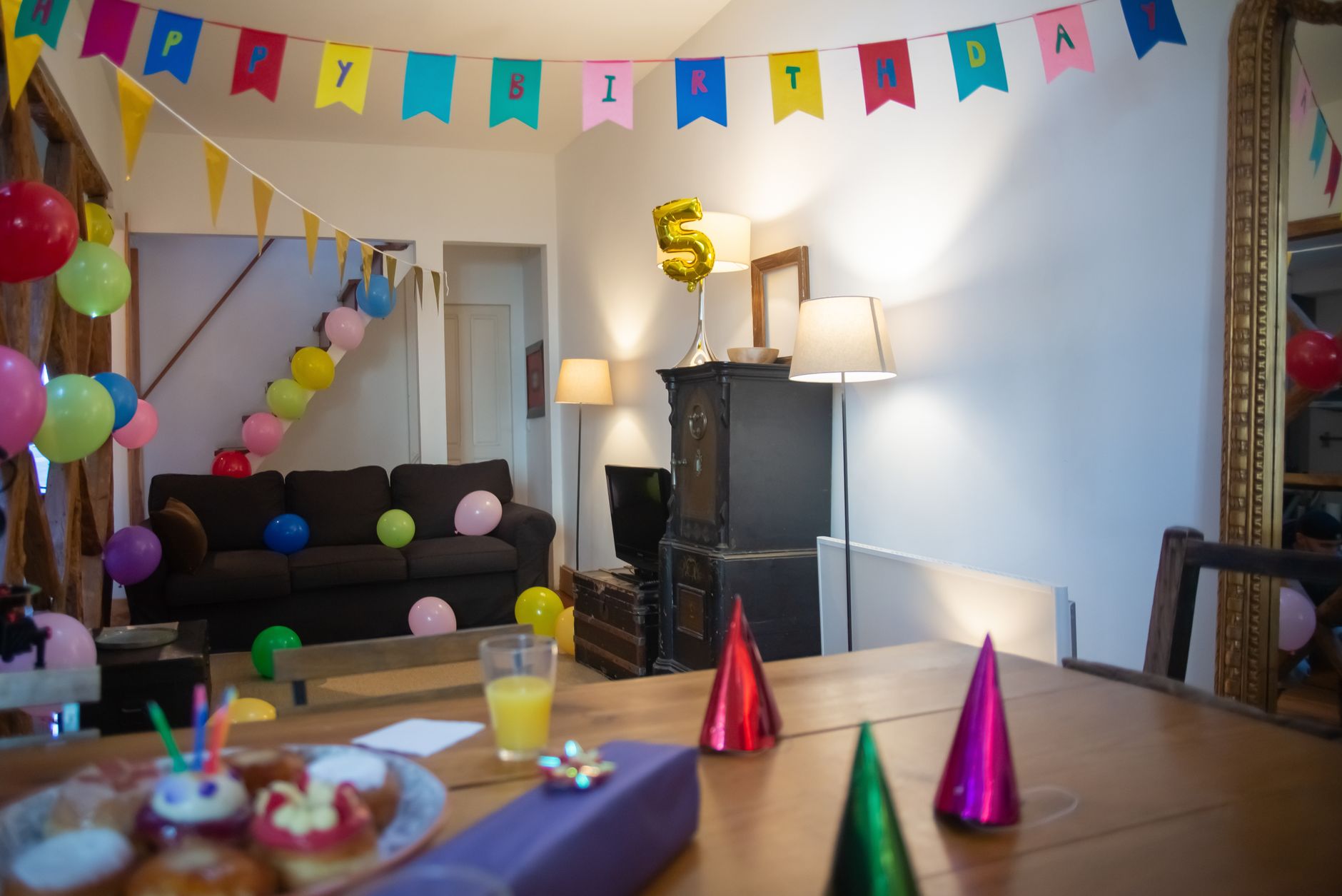
Birthday parties leave a predictable trail: crushed chips, frosting smears near the party room door, and sticky footprints that migrate onto the first carpeted tee. Weeknight leagues add less food debris but more rubber scuff from athletic shoes. Rainy weekends push tracked-in soil through the vestibule long before the ninth hole.
Glow and blacklight courses add plastic turf, painted lanes, and reflective dust that shows under UV when a scrubber misses a corner. Those sites need a written split: robot on sealed hard surface, crew on turf inserts and hand-painted edges.
If you run a snack bar or pizza window inside the course, treat that zone like a quick-service kitchen floor for planning purposes. BLS data on full-service restaurants counted about 7,850 injuries and illnesses from falls, slips, and trips in 2018, with more than 5,000 of those cases tied to falls on the same level. Your staff are not all line cooks, yet wet greasy patches near the counter carry the same slip story. Route the scrubber through those tiles after the concession closeout, not before someone mops by hand.
Why is mapping harder than a wide retail aisle?
Mini-golf is a maze of tight turns, false walls, and sight lines that change when you add a seasonal prop. Lidar sees a windmill blade as a moving obstacle even when it is bolted down for the night if maintenance left it unlocked. Cameras struggle when a hole uses mirrors, neon paint, or fog that never fully clears.
Start with a slow teach pass after close with every decorative element in its operating position, then save a second map for winter layout if you move obstacles quarterly. Mark virtual keep-out buffers around animatronics, ball return motors, and low-hanging bridges so the scrubber never clips a themed rail.
Throughput matters less than coverage quality. A medium-sized indoor course might need two short segments rather than one heroic loop if a central waterfall feature blocks the middle. IBISWorld listed about 919 miniature golf businesses in the United States as of 2024, and most are independent sites where one bad map week is visible to every guest the next morning.
- Log every obstacle that moved during the teach pass
- Save separate maps for party-room furniture layouts
- Test blind corners with a walking escort before unattended runs
How do ramps and carpet-to-hard transitions affect traction?
Many indoor courses use short carpet tees that step down to coated concrete. Scrubbers that climb a shallow ramp fine in a warehouse may spin wheels on a glossy transition strip or catch a metal edge protector. Run a ramp traction test with water pickup enabled and note whether the squeegee skips.
Carpet itself is usually out of scope for a hard-floor scrubber, so define a handoff line with tape or floor inlay you can see in the map editor. Crews vacuum tees while the robot works the surrounding hard loop.
Document slope in degrees and maximum payload when you have maintenance carts crossing the same path. If your facility shares space with arcade tokens and prize counter traffic, keep those zones on a slower speed profile.

Which decorative hazards should stay off the autonomous route?
Water features, even small recirculating streams, deserve a hard no-go zone unless engineering confirms splash and slip risk after draining. Hanging nets, faux vines, and low tunnels belong in the same category: the machine should stop short and let humans detail inside.
Ball return channels and underground troughs are often open for cleaning only when a specific hatch is removed. Do not assume the scrubber brush can straddle those grates. Pin them as static obstacles with extra clearance.
Electrical boxes for hole sensors and sound triggers sit inches off the floor on many builds. A side brush that hugs walls for restaurants may strike a junction box on a themed rock wall. Walk the route with a knee-height perspective before you trust autonomy.
Will guests or neighbors complain about noise after close?
Vacuum motors, brush pressure, and dump cycles echo in a hollow mini-golf cave scene. If your building shares a wall with retail or apartments, schedule the loudest cycles before local noise curfews and use reduced brush pressure on second passes.
Staff still resetting arcade games or breaking down party tables may work beside the course until midnight. Train them on robot pause buttons and audible back-up tones so they do not step around a blind corner into a moving unit.
Document decibel readings at the property line once. A single log entry saves arguments with landlords when you add a second machine later.
What manual work still belongs on the nightly checklist?
Cup holes, felt liners, and ball polish stay human tasks. So does wiping animatronic faces, clearing leaves someone carried in on a jacket, and pulling gum from carpet tees.
Autonomous scrubbers also will not replace high dusting on blacklight ceilings or cleaning mirror panels without streaks. Assign those to a detail rotation on a weekly chart while the robot owns the floor miles.
Keep a photo log of missed corners for the first month. Patterns tell you whether to adjust maps, add a smaller compact unit for alcoves, or accept that some holes are hand-mop only.
How should operators pilot rental scrubbers before buying?
IBISWorld estimated U.S. miniature golf industry revenue near $441.6 million in 2024. Most sites are single-location operators who cannot afford a wrong floor machine. A month-to-month commercial cleaning robot rental with maintenance included lets you measure run time, water use, and crew overlap on real party nights.
Service Robot Co. acts as a vendor-neutral integrator: we match compact scrubbers to your actual slopes and doorway widths, set up maps with your night manager, and keep service on a nationwide network of regional engineers. Financing, lease, or sale paths sit under one partner so you are not juggling a manufacturer help desk and a separate mop vendor when a brush wears out before prom season.
Run at least four consecutive after-close weeks before you declare success. Compare slip incidents, guest comments about stickiness, and how many labor hours moved from scrubbing to guest-ready setup.
What should you measure in the first 30 nights?
Track square feet covered per shift, not just hours on the charger. Note restarts after estops, water refill counts, and any brush changes.
Compare before and after photos at the same three holes every Monday morning. Stakeholders see progress faster than a spreadsheet.
If coverage gaps cluster at the exit retail display, that is a mapping fix, not a staffing lecture. Iterate maps weekly until the gap rate flatlines.