Key takeaways
- Humidity and organic debris demand corrosion-rated hardware and sealed electronics.
- Sanitation zones need separate routes so grow rooms never share wheels with packing.
- Dry pickup before wet scrubbing keeps spore and substrate slurry off grout lines.
- Charging docks belong in dry vestibules, not inside active grow aisles.
Can cleaning robots work in a mushroom growing facility?
They can, but only where the hardware, chemistry, and schedule match how mushrooms are actually grown and packed. Indoor mushroom farms run high humidity, organic substrate debris, and narrow aisles between racks and picking lines. An autonomous sweeper or scrubber can hold common floors and packing aisles on a fixed route between flushes or after shift, as long as active grow rooms and washdown bays stay in mapped keep-out zones.
The point is not to replace sanitation crews who know your HACCP plan. It is to keep tracked compost and spore load from spreading into offices, cold storage, and shipping docks while people focus on harvest and QA. According to the International Federation of Robotics World Robotics 2026 Service Robots report, global shipments of professional service robots rose 24% to almost 250,000 units in 2025, and food-adjacent plants are adopting cleaning platforms because repeatable floor care is easier to schedule than another open janitorial slot.
What humidity does to robot electronics and consumables?
Constant high relative humidity accelerates corrosion on exposed metal and can fog sensors if enclosures are not sealed. Pick units rated for damp industrial service, not retail lobby duty. Store spare brushes and filters in dry cabinets and inspect charging contacts weekly.
Condensation on cold floors near cooler doors can fool obstacle sensors. Teach routes during stable conditions and adjust speeds where temperature swings are worst.
How should robots handle organic debris and substrate tracking?
Substrate crumbs and broken mushroom pieces behave like wet organic fines. Dry sweeping collects bulk material before scrub solution spreads slurry into drains. Empty bins often and bag debris like manual housekeeping so spores do not ride into packing.
Never route a robot from a dirty packing aisle into a sanitation-critical zone without a wheel wash or separate unit. Cross-contamination defeats the reason you automate.
Spore counts are a QA concern, not something a scrubber alone certifies. Treat robot runs as one line item in a broader environmental monitoring plan.
- Sweep picking aisles after shift before any scrub pass
- Bag and remove organic debris away from active grow air intakes
- Keep one route map per sanitation zone
What washdown and sanitation rules apply?
Many mushroom facilities hose floors and equipment on a set schedule. Confirm whether your chosen robot tolerates periodic low-pressure rinse near docks, or keep it out of direct spray arcs. Use only cleaning chemistry approved for food-adjacent floors and match concentration to the sealant manufacturer limits.
Document which routes run before versus after sanitizer application so QA knows the floor machine is not spreading residue against your SSOP.
How do narrow aisles and rack layouts affect deployment?
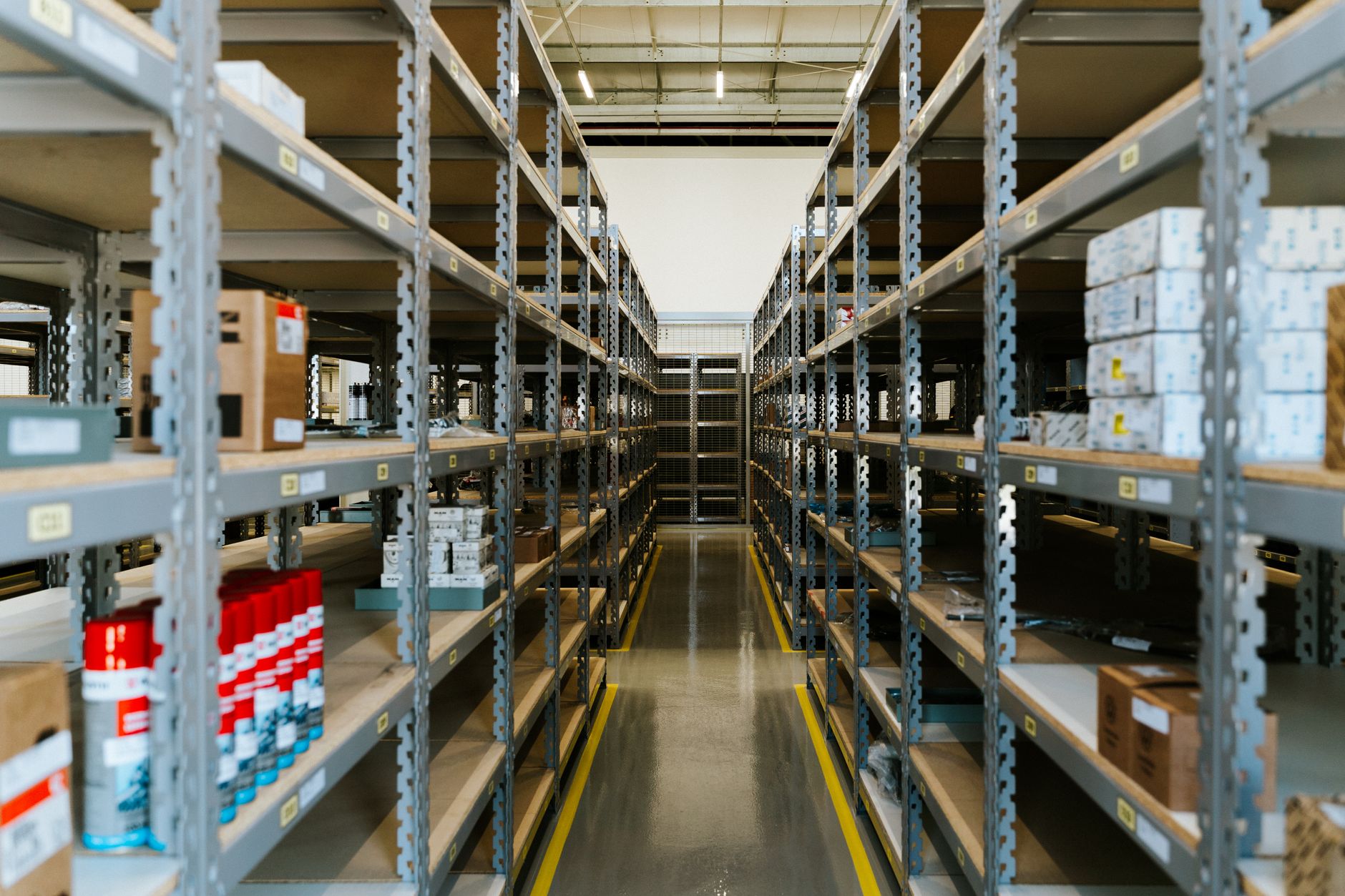
Grow rooms and picking lines often leave only modest clearance between racks and totes. Measure minimum aisle width and turning radius before you pilot. Compact scrubbers fit better than full-size warehouse units, but tank capacity drops, so plan mid-route dump and fill points in dry areas.
Start with packing and shipping aisles where traffic patterns are predictable, then expand toward cooler thresholds once staff trust the keep-out map.
Picking carts and pallet jacks change aisle width daily. Reset no-go zones when layout shifts or assign a supervisor to walk the route before start.
Where should charging docks sit?
Place chargers in dry vestibules or maintenance alcoves, not inside active grow rooms where humidity and spore load are highest. Run power and drain lines where hoses will not trip staff or block emergency exits.
If overnight routes are long, size batteries for humidity-related efficiency loss and keep a loaner plan for peak flush weeks.
What still needs manual cleaning?
Rack legs, drain grates, and grow-room thresholds need hands and approved tools. Robots do not climb wash steps or clean vertical surfaces. Spilled substrate against walls needs manual pickup before any machine pass.
Mark manual zones on the same map as robot routes so night crew does not assume automation covered a splash area.
Drain backups near wash areas should stay manual. A robot driving through standing water risks motor damage and spreads contamination.
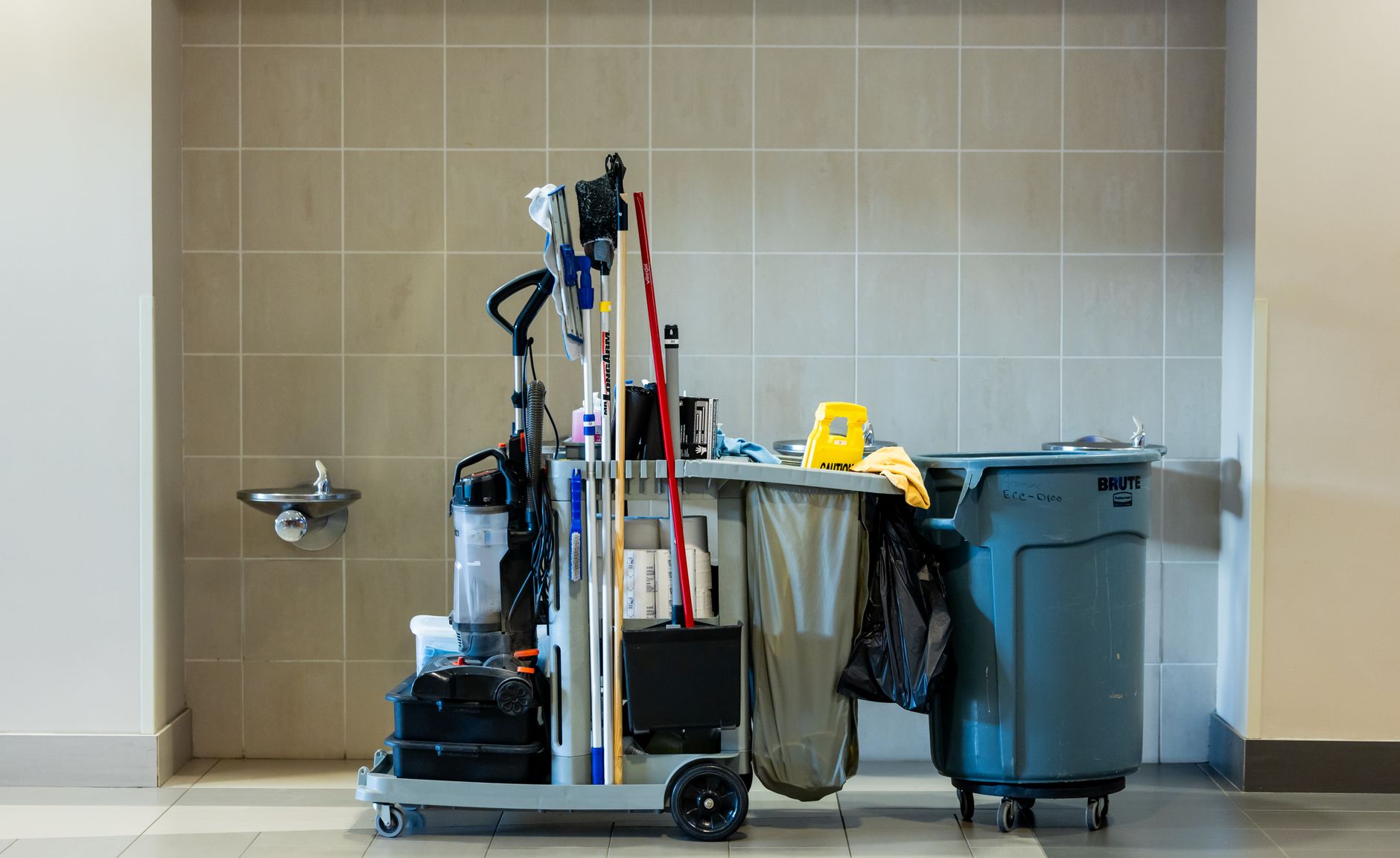
How does an integrator fit a humid food-adjacent plant?
Service Robot Co. matches hardware to aisle geometry and debris load, validates chemistry with your sanitation lead, maps zones with QA input, and stays on service when filters clog or humidity trips a sensor. Month to month commercial robot rental on packing aisles lets you prove uptime through a full flush cycle before you lease or buy.
How do you prove the route is working?
Walk packing aisles after the robot finishes and note substrate tracking into cooler doors. Compare janitorial hours on common areas before and after the pilot.
Log runs against flush schedules so you know coverage happened on heavy harvest nights, not only quiet Tuesdays.
After ninety days of stable uptime, you can justify expanding routes or converting rental to robot leasing for business with maintenance included.