Key takeaways
- After close, autonomous scrubbers fit open hard-floor paths in reception and hallways, not the procedure room work surface protocol.
- OSHA bloodborne-pathogen rules still require EPA-registered disinfectant contact on contaminated work surfaces, which robots do not replace.
- Stools, power cords, and narrow doorways demand a mapped night route with furniture rules before you sign a month to month robot lease.
- A vendor-neutral integrator can size a compact scrubber, set chemical approvals, and keep service on one number if the pilot works.
Do compact cleaning robots belong in a tattoo studio at all?
Yes, but only on the right slice of the job. Tattoo studios are small, visually busy, and regulated like clinical workspaces even when they feel like retail shops. A compact autonomous scrubber can reset hard flooring in reception, hallways, and sometimes a break area after the last client leaves. It is a poor stand-in for the disinfection work artists perform on procedure surfaces, chairs, and trays.
The honest split is floor care versus infection-control touchpoints. Floors collect hair, pigment dust, antiseptic drips, and street grit from foot traffic. Work surfaces and equipment that contact blood or other potentially infectious materials follow a different standard with specific disinfectants and contact times. According to OSHA's bloodborne pathogens standard, contaminated work surfaces must be decontaminated with an appropriate disinfectant after procedures, when visibly soiled, and at least at the end of the shift when contamination may have occurred.
If you are searching for commercial cleaning robot rental because overnight cleaning with no operator sounds attractive, start by naming which rooms are hard floor, which are carpet or rubber mat, and which must never see a machine during client hours. That map decides whether a robot earns its dock space.
Which floor tasks can you automate after the studio closes?
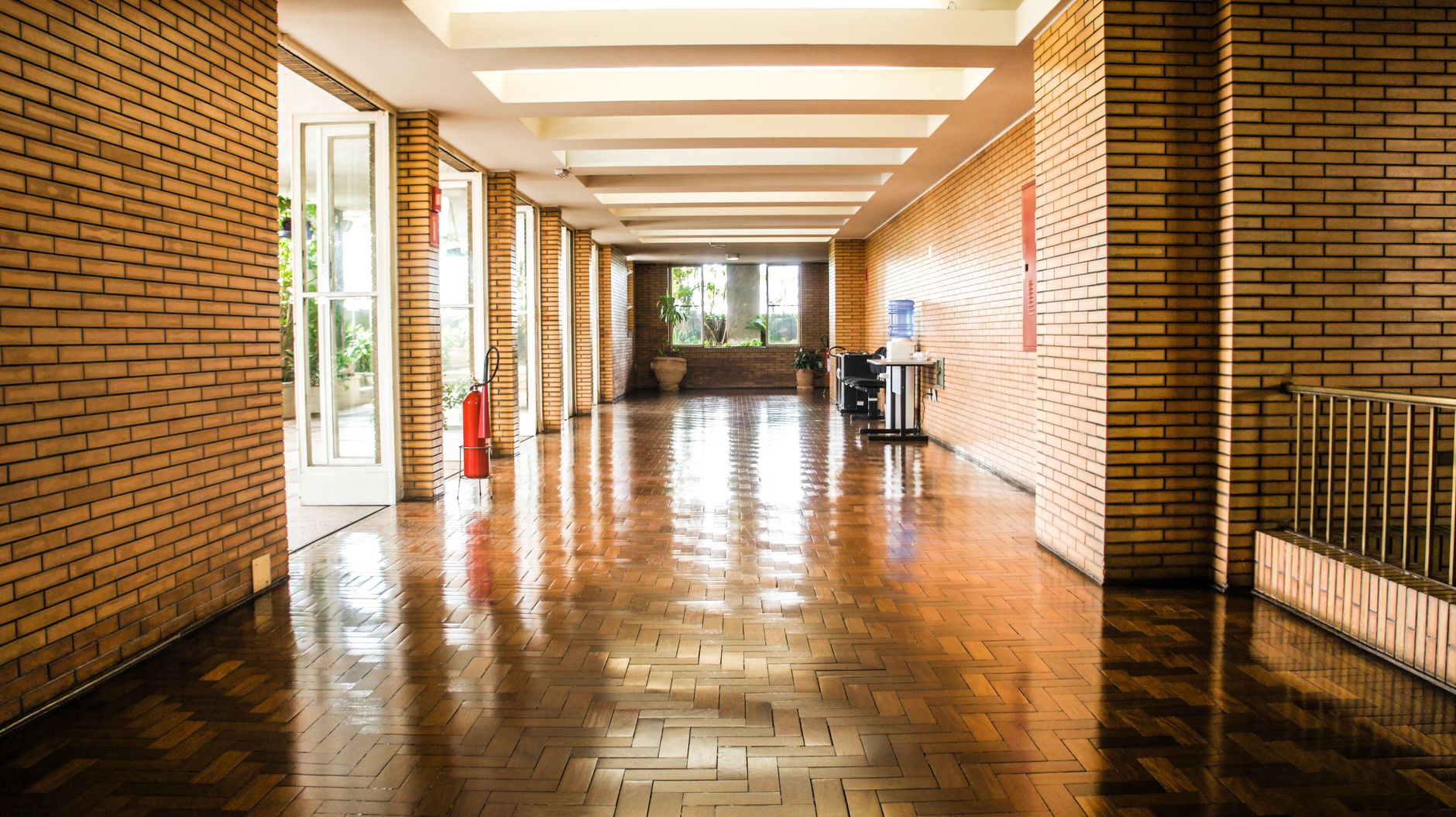
Night shift autonomous scrubbing works when the floor is sealed concrete, luxury vinyl, or sealed tile with a continuous path wider than the machine footprint. Typical wins are the entry mat zone, the hallway to restrooms, and any open retail area where artists do not set up barriers during the day.
The robot's job is mechanical soil removal and consistent detergent application on those paths, not sterilization of the procedure room. Think pigment dust near the waiting chairs, antiseptic residue tracked from the restroom, and the dull film that builds when foot traffic never stops during Saturday walk-ins. A scheduled route after lockup keeps those areas presentable without asking an artist to mop when they are still breaking down stations.
Small studios often run one or two chairs in a single suite. In that layout, you may only automate the front third of the space while the back stays a no-go zone for cords and rolling stools. Larger shops with a separate client lounge and closed procedure rooms can automate more square footage because the barrier between public and work zones is physical, not just procedural.
- Automate: sealed hard floors in reception, hallways, and closed lounges after furniture is staged.
- Automate: repeatable loops where stools are parked in marked bays and cords are on hooks.
- Keep manual: procedure room floors if splash or blood contact is plausible before disinfectant contact time.
- Keep manual: any carpet, rubber mat, or unsealed porous surface the scrubber cannot safely service.

What infection-control duties must stay manual?
Everything OSHA and local body-art codes treat as a work surface or contaminated environmental surface stays with trained staff and approved chemicals. OSHA's interpretation for tattoo and body piercing makes clear that tattooing generates blood, so the bloodborne pathogens standard applies. Work surfaces must be smooth, cleanable, and decontaminated with disinfectants appropriate for HIV and HBV when contaminated.
Model body-art codes such as the NEHA Body Art Model Code require nonporous, easily cleanable procedure surfaces and EPA-registered tuberculocidal disinfectants on equipment and furnishings involved in the procedure. Those steps are task-specific, documented, and tied to client turnover. A floor scrubber does not satisfy barrier placement, single-use covers, instrument processing, or the end-of-shift wipe down on counters and chairs.
If a splash hits the floor during service, human response still comes first: contain, clean visible soil, then disinfect per your written exposure control plan. Only after that event is resolved and the floor is safe to treat as routine soil should a night scrubber run on that area. Treat the robot as part of housekeeping for general floor sanitation, not as a medical device.
How do stools, cords, and tight rooms change the deployment?
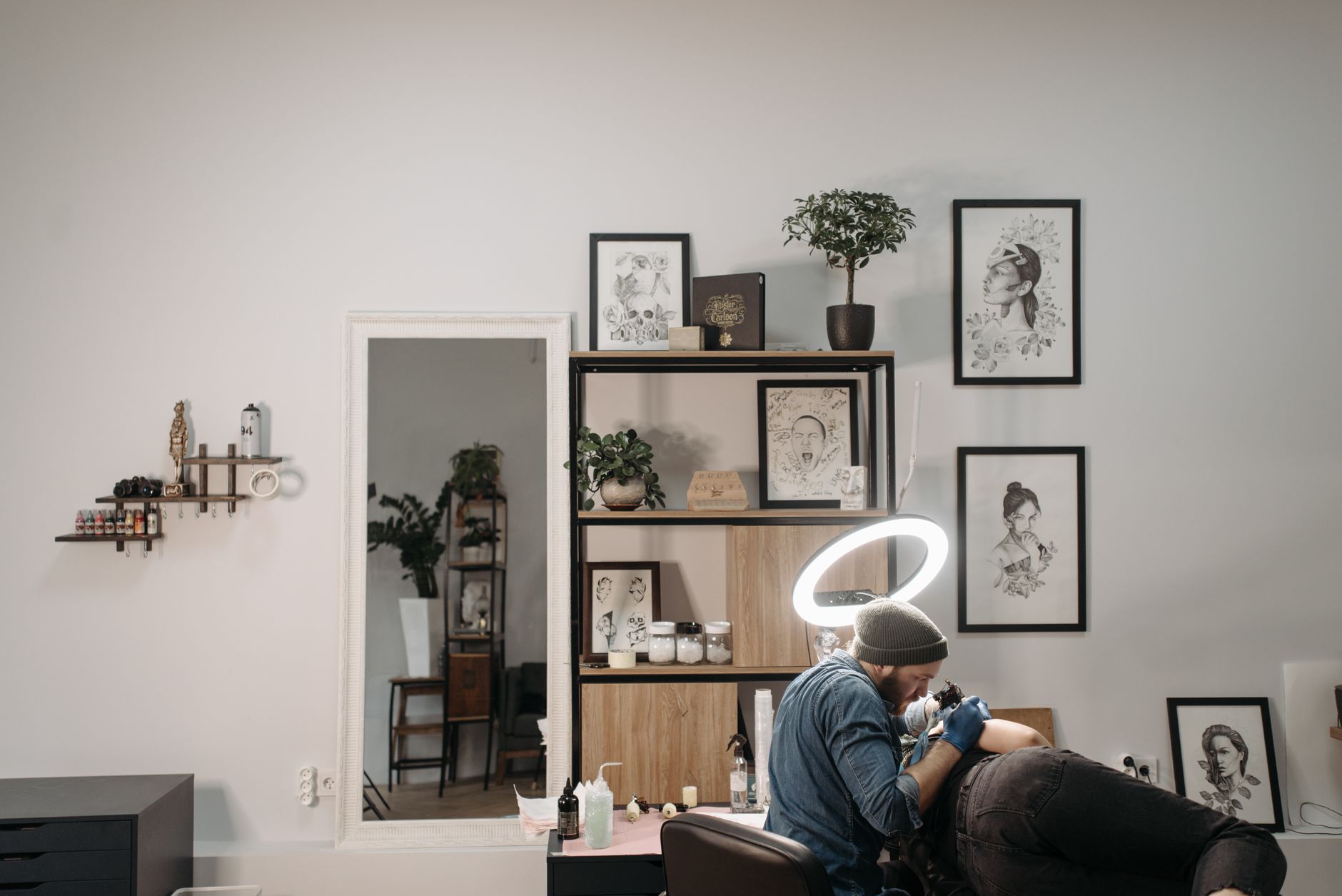
Tattoo studios are obstacle courses. Rolling stools drift. Power supplies for lights and machines sit on the floor. Clip cords cross aisles. A compact scrubber needs a taught route with a pre-close checklist so nothing surprises the lidar at 11 p.m.
Map during a slow midweek block, not on a busy Saturday. Park stools on tape outlines. Coil cords above baseboard height. Flip chairs onto tables only if your fire code and insurer allow it. Measure door thresholds: many compact units need a short ramp profile or a manual transition at the bathroom door.
Mixed flooring is common. You might have sealed tile in reception, rubber mat in the procedure bay, and carpet in a manager office. Program no-mop zones in software and physically block mats with lightweight gates the robot recognizes. One wrong crossing leaves detergent on a surface that was never meant to be wet scrubbed.
What should you verify about chemicals and residue?
Use only detergents the scrubber manufacturer approves for the squeegee and vacuum path. Pigment and alcohol residues can be slippery; your written housekeeping plan should say whether you pre-sweep or vacuum before the autonomous pass.
Do not assume a hospital-grade disinfectant used on counters can go in the robot tank. Concentrations, foam, and contact time requirements differ. The floor machine is applying cleaner for soil removal, not achieving tuberculocidal contact on work surfaces. Keep countertop disinfectants in labeled spray bottles handled by artists, separate from the scrubber supply.
Document rinse and pad care so color dust does not spread between zones. If you share a suite with another tenant, agree on who owns the dock, who refills solution, and who gets the alert if the robot stops in a hallway you both use.
Does the labor math justify robot rental monthly for a small shop?
National benchmarks help frame the comparison even when your city pays differently. According to the Bureau of Labor Statistics Occupational Outlook Handbook, the median hourly wage for janitors and building cleaners was $17.27 in May 2024, and employers face a steady replacement churn with about 351,300 openings projected each year on average from 2024 to 2034.
A single-chair studio might spend two to four hours a week on hard-floor care when artists trade off mopping. A robot does not remove those hours entirely because staging, cord management, and exception cleaning remain human. It can hold a consistent scrub on nights you would otherwise skip because everyone is exhausted after a convention weekend.
Commercial robot rental or a month to month robot lease lowers upfront capital risk for a pilot. Pair the trial with a free site assessment that scores doorway widths, dock power, and water fill access. If the route is under four hundred square feet of useful automation, be honest that a scheduled porter visit might still be cheaper until you add a second location.
How should a tattoo studio run a sensible pilot?
Run four weeks on one after-close route. Track skipped nights, rescue stops for cords, and client-facing complaints about chemical smell in the morning. Compare before and after photos at the same time of day, not right after the machine finishes when floors are still damp.
Train every artist on the no-go button and who resets the map when furniture moves for a guest artist residency. Log blood or OPIM floor events separately so you never blur infection-control response with routine scrubbing.
Success looks boring: the entry tile stays clean, artists stop arguing about who mops, and your inspector sees a written schedule that separates floor machines from surface disinfectants. Failure looks like a machine stuck behind a stool while pigment dries on a counter nobody wiped because everyone assumed the robot handled closing duties.
Where does a full-service integrator fit?
Service Robot Co. stays vendor neutral: we match a compact scrubber to your actual doorway and aisle geometry, then handle financing, deployment, training, and nationwide service through US engineers. That matters when you would rather test robot rental monthly than buy a unit that cannot turn around your procedure room corner.
We also help you keep roles straight in writing so OSHA housekeeping expectations and local body-art inspections see a coherent plan. The robot vendor sells hardware; we own the lifecycle on your floor, including go live support and maintenance included options when you want one partner and one number.
If the site survey shows the workable path is only the front desk loop, we will say so. If it shows enough hard floor to justify night shift autonomous scrubbing plus a future delivery robot for supply runs to a back office, we can phase that without forcing a long term contract on day one.