Key takeaways
- Barrel caves run around 65 to 75 percent relative humidity, so robots need corrosion-aware hardware and realistic dry times on damp concrete.
- Autonomous scrubbers fit open aisle lanes and scheduled deep cleans; bung lines, barrel exteriors, and drain grates still need manual detail work.
- Route maps must respect hoses, forklifts, and sulfur chemistry rules that forbid chlorine on wine-contact areas.
- A vendor-neutral integrator can pilot month to month rental on night routes before vintage crunch.
Can a floor scrubber really work in a barrel cave?
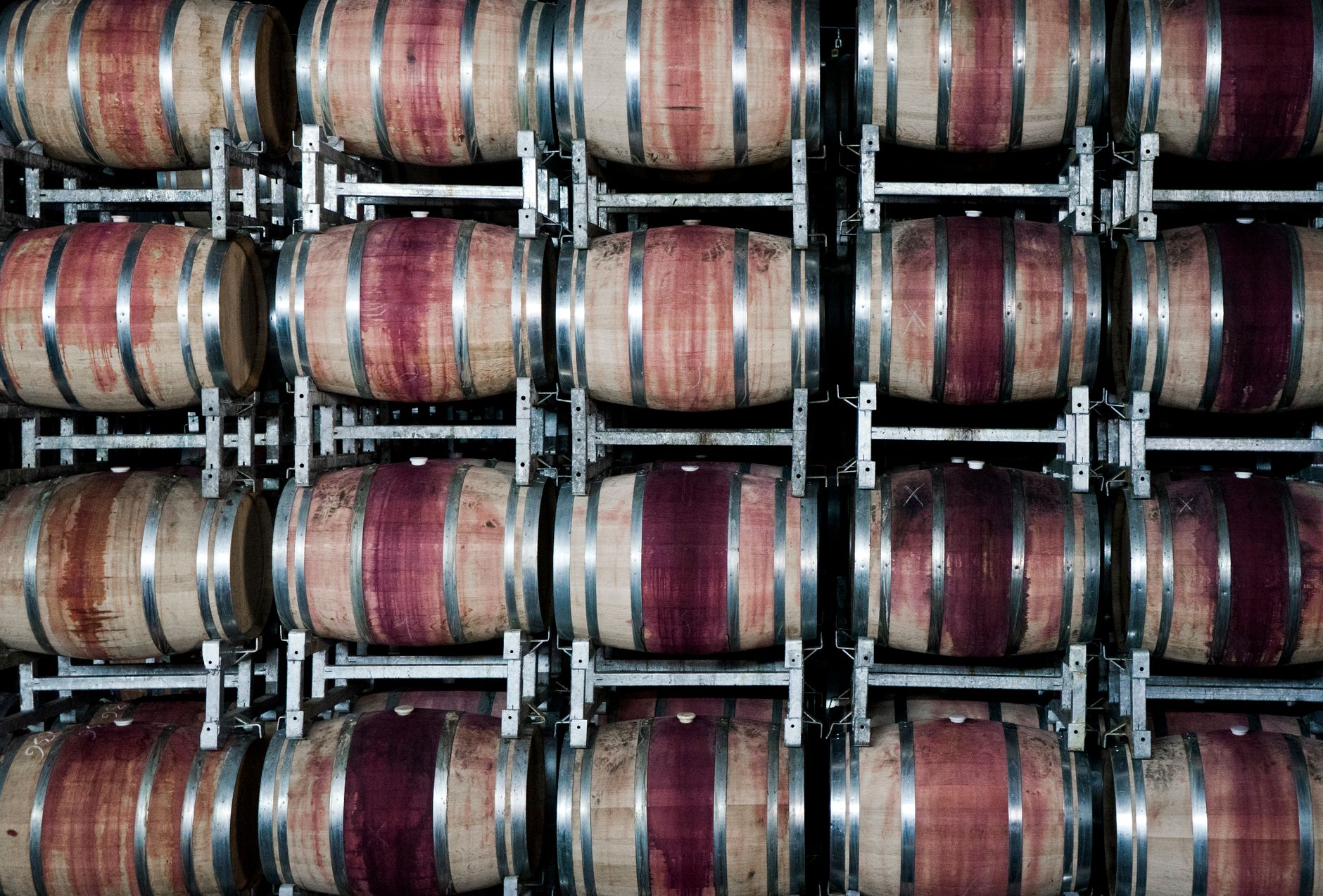
Yes, but only where the floor is actually a floor. Barrel caves are built for oak, not for wide turning radii. You get low ceilings, staggered barrel stacks, drip lines, floor drains that catch lees, and staff moving forklifts on the same slab. A compact autonomous scrubber earns its keep on the travel lanes between racks, in barrel wash bays, and in transition zones to the crush pad, not inside the tight rows where a human still needs a brush and a squeegee.
The Australian Wine Research Institute notes that cellar humidity between 65 and 75 percent is optimum for barrel storage, while humidity above 75 percent can encourage spoilage organisms and exterior mold on barrels. That moisture profile keeps concrete perpetually damp. Traction, brush pressure, and water recovery matter more than raw coverage speed. If the machine leaves a film or cannot climb a slight crown toward a drain, you trade one sanitation headache for a slip risk.
Robots also do not replace the sanitation sequence wineries already follow. Cleaning removes visible soil first; sanitizer contact comes after. An autonomous scrubber is a disciplined cleaner on the slab, not a barrel sanitizer and not a substitute for hot-water protocols on cooperage.
What makes cave floors harder than a warehouse aisle?
Winery floors see organic soil, tartaric crystals, color films, and tracked-in grape matter during harvest. Extension guidance from Penn State treats wineries as food processing facilities subject to federal Good Manufacturing Practices, which pushes operators toward documented, repeatable cleaning on any surface that can contact wine or splash back into tanks.
Barrel rooms add slope toward drains, recessed trench grates, and hose bridges that change every shift. Humidification systems can leave mineral dust when water chemistry is poor, another reason potable rinse quality and squeegee recovery get audited during trials.
Uneven wear is common where forklifts spin barrels. A robot that maps once at install and never updates will eventually kiss a rack base or miss a new hose loop. Seasonal remapping around vintage is not optional in active caves.
- Sloped concrete toward floor drains and trench covers that sit slightly proud of the slab
- Persistent dampness from 65 to 75 percent RH targets in barrel storage areas
- Temporary obstacles: pump hoses, barrel bungs on dollies, and palletized glass
- Chemistry constraints that rule out chlorine cleaners on wine-contact zones
How should traction and corrosion be specified?
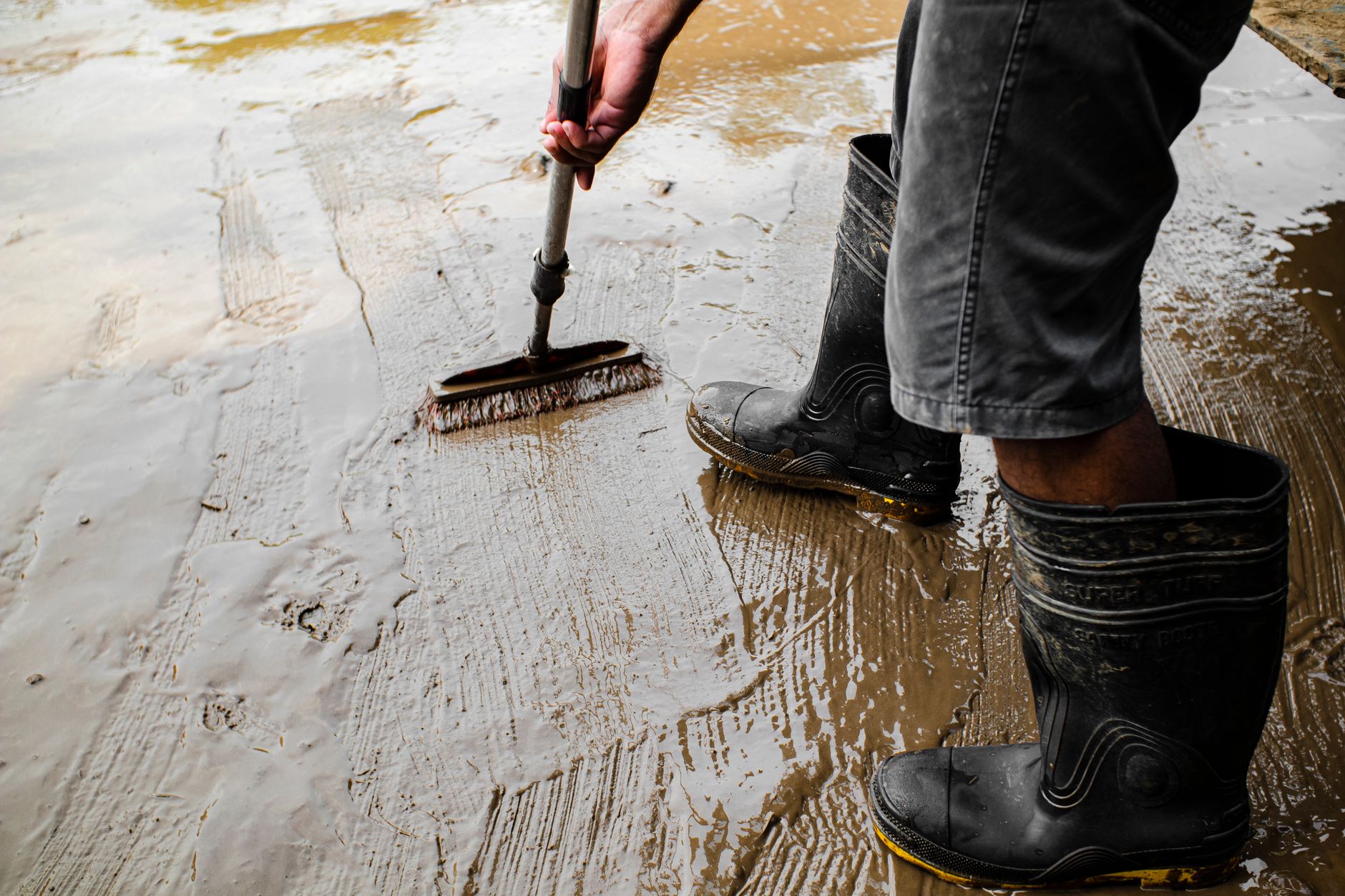
Start with the wettest real route, not the dry demo lane. Run the robot after a scheduled washdown when the slab still holds water. Measure stopping distance on the slope you actually use, including a loaded forklift passing within safety margins.
Corrosion resistance is a materials question. Stainless hardware, sealed connectors, and washdown-rated enclosures survive cellar humidity better than consumer-grade plastics. Ask how the vendor handles chemical compatibility with alkaline cleaners and percarbonate blends commonly used on winery floors, and how they service units when sulfur dioxide residues are present in the air.
Brush selection matters on broom-finished concrete. A overly aggressive pad can throw mist onto barrel heads; a soft pad may not lift color films in traffic lanes. Pilot both on a sacrificial aisle before you sign a lease.
How do you design routes around racks and staff?
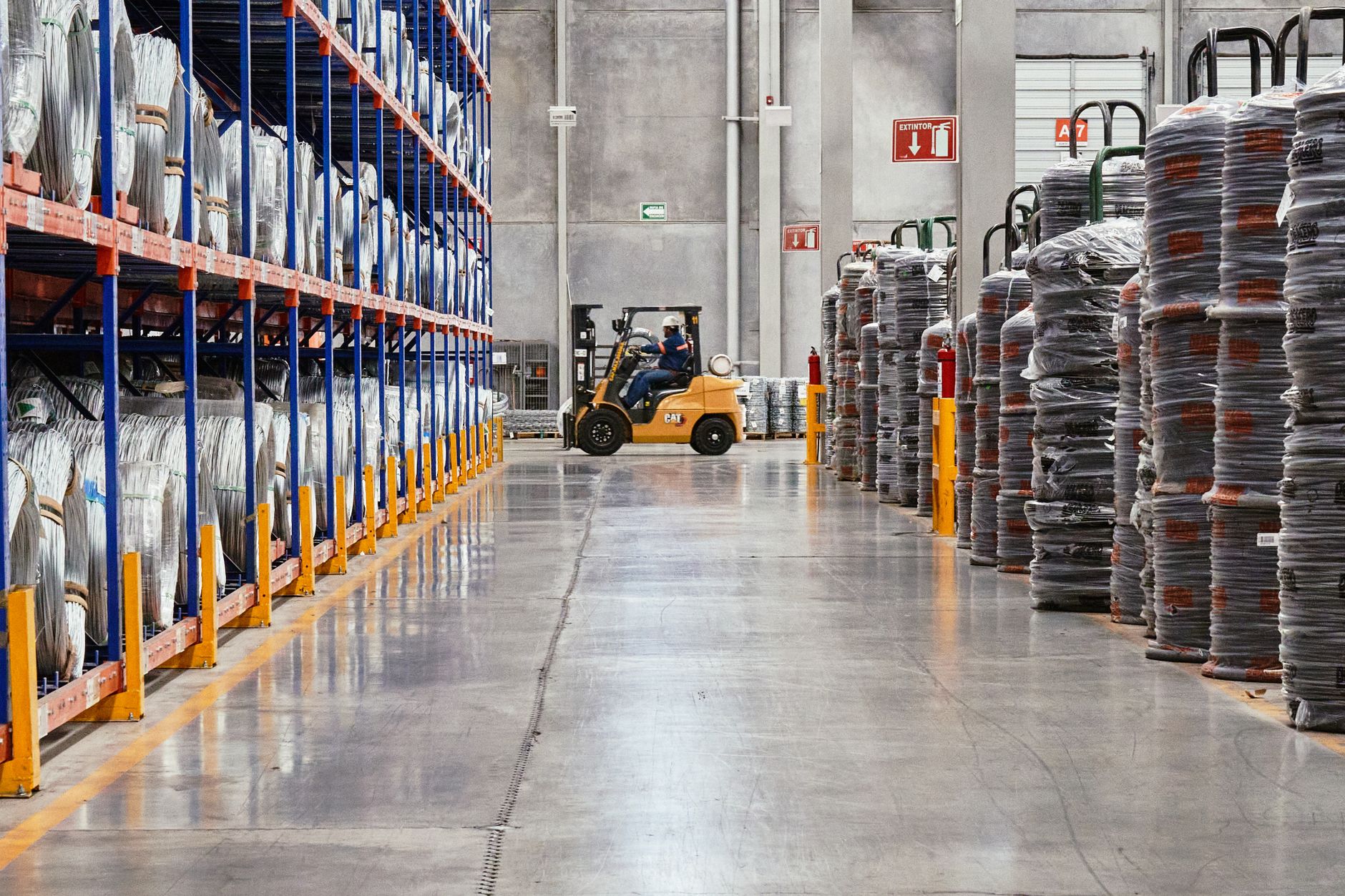
Map during a quiet shift, then validate during a busy one. Mark no-go zones for barrel rows narrower than your machine plus safety buffer. Keep robots on perimeter loops and main arteries; let humans own the two-barrel-wide fingers.
Schedule autonomous runs when forklifts are off the floor or when traffic is one-way. Many caves run scrubbers after last racking, when hoses are coiled and drains are open. If your cave vents cool night air, remember that humidification loss rises when doors open, which can leave unexpected puddles near entries.
Integrate the robot with your lockout and wet-floor signage program. Staff should know which lanes are autonomous after a given time, and how to pause the fleet if a leak or barrel spill needs immediate manual response.
Where does automation stop and cellar craft begin?
Barrel exteriors, bung areas, and spot mold still need hand work. AWRI guidance calls out scrubbing barrel exteriors around bungs when spills occur, and warns that larger mold patches often mean humidity is too high. Robots will not adjust ullage or sulfur levels.
Deep seasonal cleans remain human-led. Industry references recommend rigorous floor and wall cleaning at least twice per year, commonly before and after vintage, to strip ingrained biofilms that daily passes miss. Use robots to hold daily lane quality between those deep scrubs, not to skip them.
Sanitation of cooperage still follows barrel-specific protocols, including hot water holds at temperatures wineries validate with their quality team. Keep robot chemistry on the floor side of that line, with separate approval from your winemaker.
What labor and timing pressures push wineries to try robots?
California remains the center of U.S. winery employment. BLS spotlight data show 36,001 winery jobs in California in 2020, the most of any state by a wide margin. California LaborMarketInfo reported 38,803 average winery employees in the first quarter of 2023. Harvest still concentrates cellar hand work when every hour goes to fruit, pumps, and barrels.
Cleaning-related manufacturing roles are not winery-specific in federal statistics, but they are a useful wage anchor. BLS May 2023 figures for cleaning, washing, and metal pickling equipment operators in the Napa, California metro area show a mean wage near $22.70 per hour, about $47,210 annually. When night scrubbing competes with barrel topping, automation that holds lanes without pulling a certified cellar tech off wine work can be easier to justify than another seasonal hire.
Month to month commercial robot rental lets you run a vintage pilot without capital committee delay. Prove coverage, chemistry, and staff acceptance on one cave wing, then expand or return the unit if the map is too tight.
How does Service Robot Co. fit a cave pilot?
Barrel caves are a textbook case for vendor-neutral selection. Ceiling height, drain layout, and chemistry rules eliminate some machines on day one. Service Robot Co. compares scrubber form factors from multiple manufacturers, then bundles rental or purchase, site mapping, staff training, and nationwide service in one contract.
A useful pilot starts with a free site assessment on the wet route, documents obstacles and charging location, and sets success criteria: slip-free recovery, no mist on barrel heads, and a written handoff for when humans take over detail zones. If the first machine is marginal on traction, the integrator swaps class or brush kit rather than forcing the wrong hardware into a humid cave.
What should you verify before the first autonomous run?
Confirm cleaner compatibility with your winemaker-approved floor chemistry and that no chlorine-based product will enter the robot recovery tank. Walk the route with maintenance and cellar leads together. Note every drain cover, low conduit, and hose hook that needs a geofence.
Dry time and air movement matter as much as scrub time. If your cave holds humidity at the upper end of the 65 to 75 percent band, plan fans or timed door policies so guests and staff do not enter slick lanes.
Finally, define exception handling. When a barrel leaks or a forklift breaks down mid-aisle, the robot should pause safely and alert a human. The goal is predictable overnight lane care, not a machine that staff learn to unplug out of frustration.