Key takeaways
- University athletic centers have unique cleaning needs due to diverse flooring, high traffic, and rapid event turnaround times.
- Player safety is directly linked to floor cleanliness, as dust and debris can reduce surface friction and increase slip-and-fall risks.
- Autonomous floor scrubbers operate overnight and between events, ensuring consistent cleanliness without disrupting facility schedules.
- Robots can alleviate persistent labor shortages in custodial services by automating the most physically demanding floor care tasks.
- A vendor-neutral robotics integrator provides a single point of contact for deploying, servicing, and financing a multi-manufacturer robot fleet.
What Makes University Athletic Facilities So Hard to Clean?
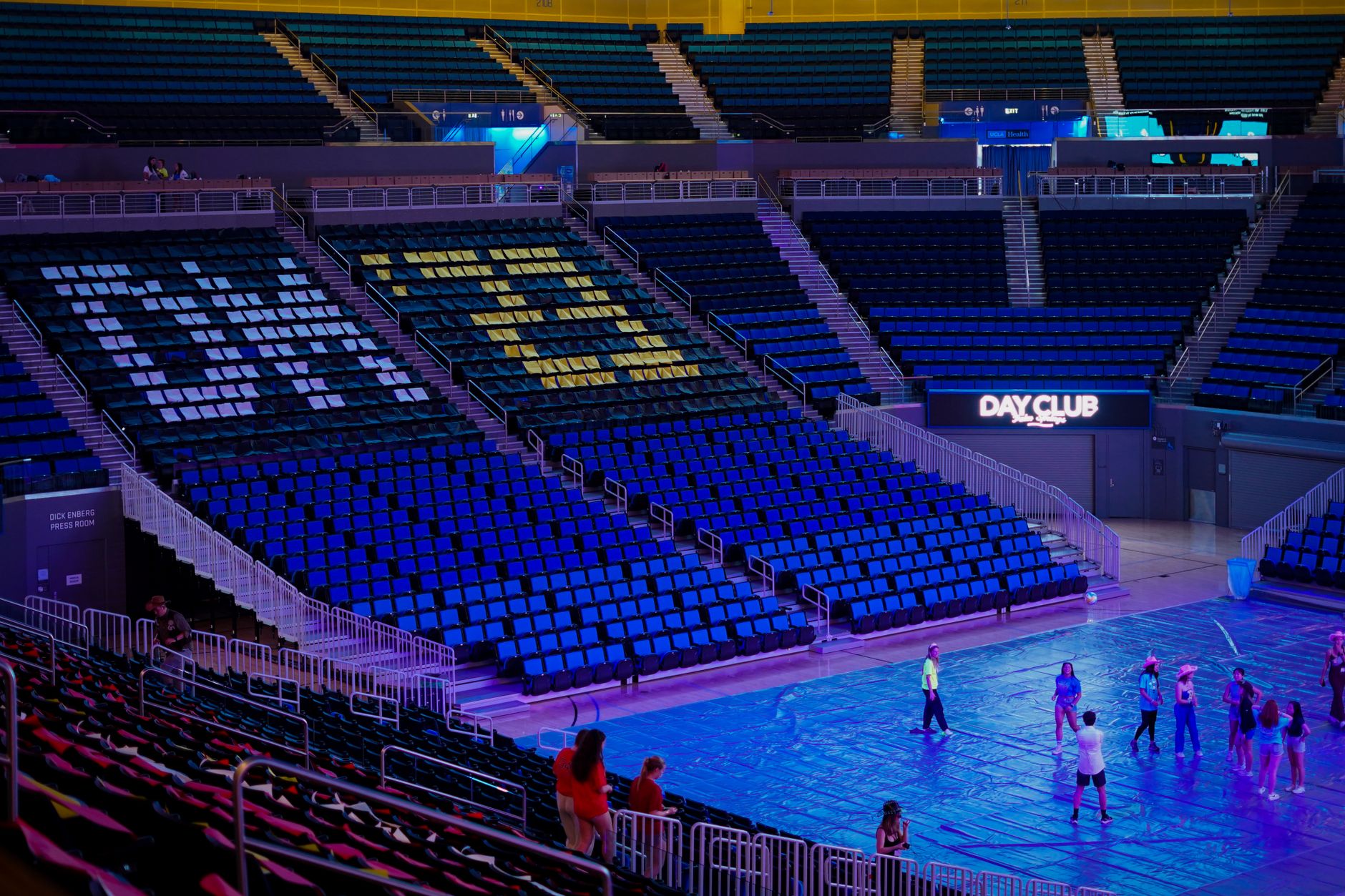
University sports and recreation centers are complex ecosystems. They combine massive arenas, specialized athletic flooring, and waves of high-traffic usage that create formidable cleaning challenges. From post-game arena turnarounds to the daily upkeep of weight rooms and locker rooms, the demands on facility maintenance crews are relentless.
The core of the challenge lies in the variety and scale of the spaces. A single athletic complex can contain hardwood basketball courts, synthetic running tracks, weight room rubber flooring, and expansive concourses. Each surface requires specific cleaning protocols to ensure athlete safety and preserve the life of the material.
Add to this the tight schedules between games, practices, and other university events. Manual cleaning crews often have a narrow window to restore massive floor areas, a task made even more difficult by persistent labor shortages affecting educational institutions.
Why is Floor Condition Critical for Athlete Safety?
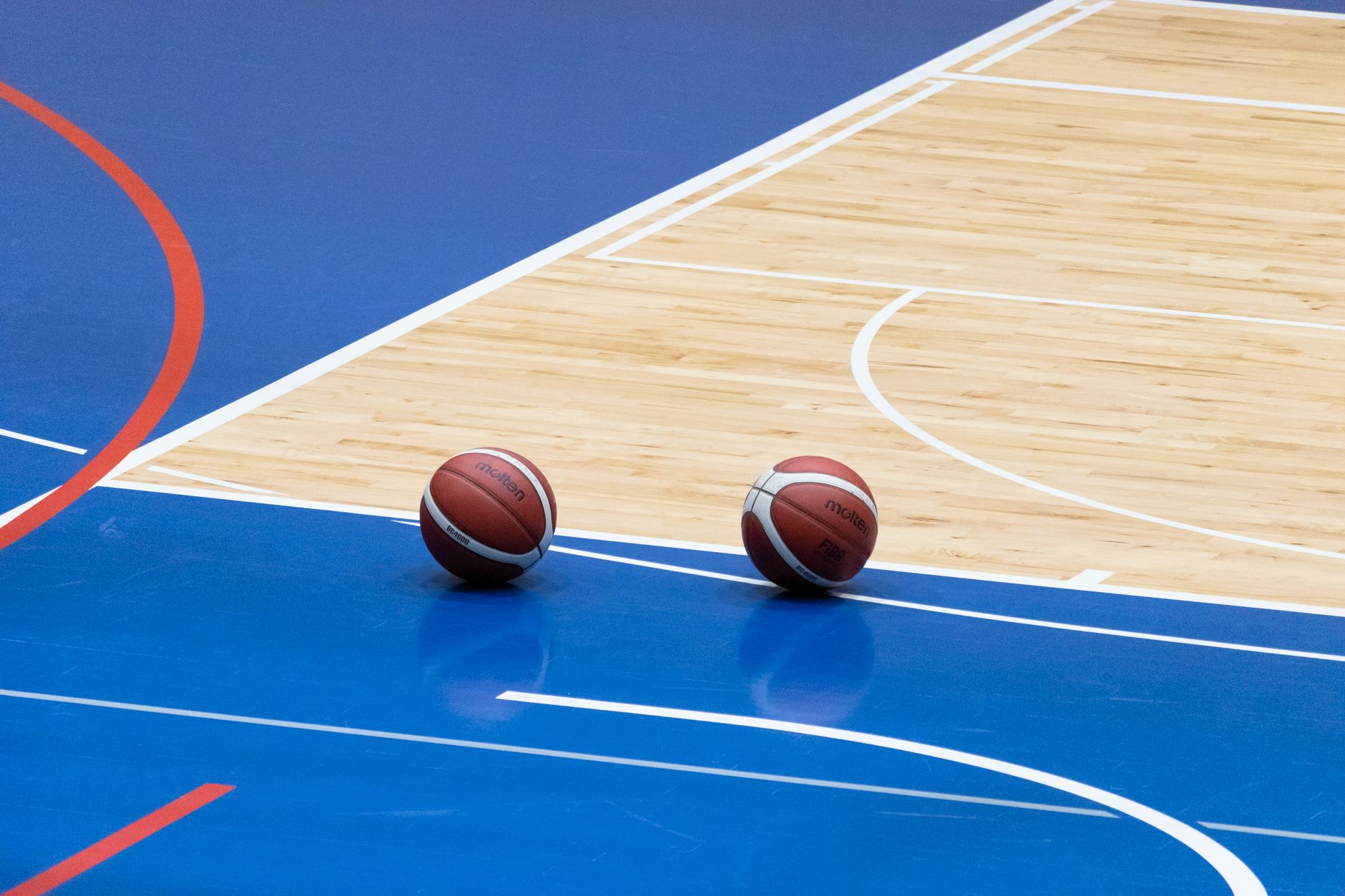
For athletes, the condition of a playing surface is a primary safety factor. The cleanliness of a basketball court, for instance, directly impacts its surface friction. A nearly invisible layer of dust can act like microscopic ball bearings under a player's feet, drastically increasing the risk of slips and injuries.
Properly maintained floors provide the consistent grip and shock absorption athletes depend on. Regular, thorough cleaning removes the sweat, dust, and grime that not only create slip hazards but can also degrade the floor's finish over time. A clean surface is a predictable and safe surface.
This extends beyond the court. Locker rooms, with their constant moisture, are prime environments for bacteria. Consistent and effective floor scrubbing in these areas is essential for hygiene and preventing the spread of infections among student-athletes.
How Do Autonomous Scrubbers Operate in Arenas and Gyms?
Autonomous floor scrubbers are built for large, complex environments like sports arenas and fieldhouses. Using a combination of LiDAR, 3D cameras, and intelligent mapping software, a robot can learn the layout of a facility, from the wide-open expanse of a basketball court to the narrower concourses and hallways.
Once a route is mapped, the robot can be scheduled to clean autonomously. This is particularly effective for overnight cleaning or for the tight turnarounds between events. A fleet of robots can be deployed the moment a game ends, working methodically through the night to ensure the venue is ready by morning.
These machines are designed for efficiency in large spaces, featuring wide cleaning paths and large water tanks. Their sensors allow them to navigate around temporary obstacles like stored equipment or seating, ensuring every accessible inch of the floor is cleaned without direct human supervision.
Can One Robot Handle So Many Different Floor Types?
A common question is how a single machine can adapt to the diverse flooring found in a university athletic complex. The key is in the machine's settings and the expertise of the deployment partner. Different floor types require different pad pressures, water flows, and cleaning solutions.
Hardwood courts, for example, need specific care to protect their finish, while synthetic tracks have different requirements to maintain their grip properties. A professional autonomous scrubber can be configured with the correct settings for each distinct zone within its cleaning map.
This is where having a knowledgeable partner becomes critical. As a vendor-neutral integrator, Service Robot Co. selects the right machine for the job, regardless of the manufacturer. Our nationwide network of engineers ensures each unit is deployed and calibrated for the specific surfaces in your facility, from polished court floors to utilitarian locker room tiles.
Addressing Custodial Labor Shortages in Higher Education
Universities and schools across the country face significant challenges in recruiting and retaining custodial staff. According to the U.S. Bureau of Labor Statistics, hundreds of thousands of openings for janitors and building cleaners are projected each year. This leaves facilities teams stretched thin, often forced to prioritize tasks and unable to maintain ideal cleaning standards.
Automation directly addresses this gap. By deploying robotic floor scrubbers to handle the most time-consuming and physically demanding task-floor care-you free up your existing staff. Your team can then focus on detailed, higher-value work that a robot cannot do, such as disinfecting high-touch surfaces, deep cleaning restrooms, and handling event setup.
This approach turns your custodial team into robot operators and detail specialists, making their roles less physically taxing and more technical. It creates a more efficient workflow and ensures a higher, more consistent standard of cleanliness across the entire facility, even with a smaller crew.
What is the Process for Deploying a Cleaning Robot?
Getting started with robotic automation doesn't have to be complicated. The first step is a thorough site assessment. An expert analyzes your facility's layouts, floor types, traffic patterns, and existing cleaning schedules to determine where automation will have the greatest impact.
This is a core part of the Service Robot Co. process. We provide a free site assessment to identify the right robotic solution for your specific needs. Because we are OEM-neutral, we are not locked into a single brand or technology. We choose the best machine for your arena, your budget, and your operational goals.
Once the right hardware is selected, our engineers handle everything: mapping the cleaning routes, integrating the machines into your workflow, and training your staff. We offer flexible programs, including robot rental on a monthly basis with no long-term contract, making the technology accessible without a large capital expenditure. It's one partner and one number for the entire lifecycle, from deployment to nationwide on-site service.
Beyond the Arena: A Unified Cleaning Strategy
While arenas and gymnasiums are the main event, a university athletic department includes many other spaces. Locker rooms, weight rooms, training facilities, hallways, and administrative offices all require consistent floor care.
A strategic robotics program can cover these areas as well. Smaller autonomous scrubbers or vacuums can be deployed in these secondary spaces, working on the same principle of scheduled, autonomous cleaning. This ensures a uniform standard of cleanliness throughout the entire athletic complex.
The result is a facility that is not just ready for game day, but is consistently clean, safe, and welcoming for student-athletes, staff, and fans every day of the week. This level of maintenance protects the university's facility investments and enhances its reputation.