Key takeaways
- A short supervised pass on the property's lawn answers more questions than any brochure.
- Show the edges, the slopes and the stops, not only the easy open turf.
- Name every crew role before the mower moves so nobody hears replacement.
- Send written notes and a scope within days, while the pass is still fresh.
What does a client demo day prove?
A client demo day is a short, supervised robot pass on the property's lawn, run with the crew on site. The property manager watches what the machine cuts, how it handles turns and edges, and who stays in charge of the job. That answers the question a manager is really asking: can this particular property take a robot pass without trouble, and what does the crew still do?
Keep the event small. One zone, one mower, one crew lead, and the two or three people who will approve the scope. A day that tries to cover every zone at once blurs together, and the manager leaves remembering nothing specific.
How do you prepare the lawn before visitors arrive?
Start with the route. Walk the zone the robot will take and mark the sprinkler heads, shallow drains, root heaves that lift the turf, and any gate that must be open at start time. Choose a pass that runs across open turf and touches at least one boundary, because that is where a manager's questions tend to land.
Confirm the mapping before the day. A robot that needs remapping on the spot turns the visitor's afternoon into troubleshooting. Keep a backup zone ready in case the main area is soaked or occupied, and tell site staff exactly when the pass runs so foot traffic stays clear of the route.
What should the pass show?
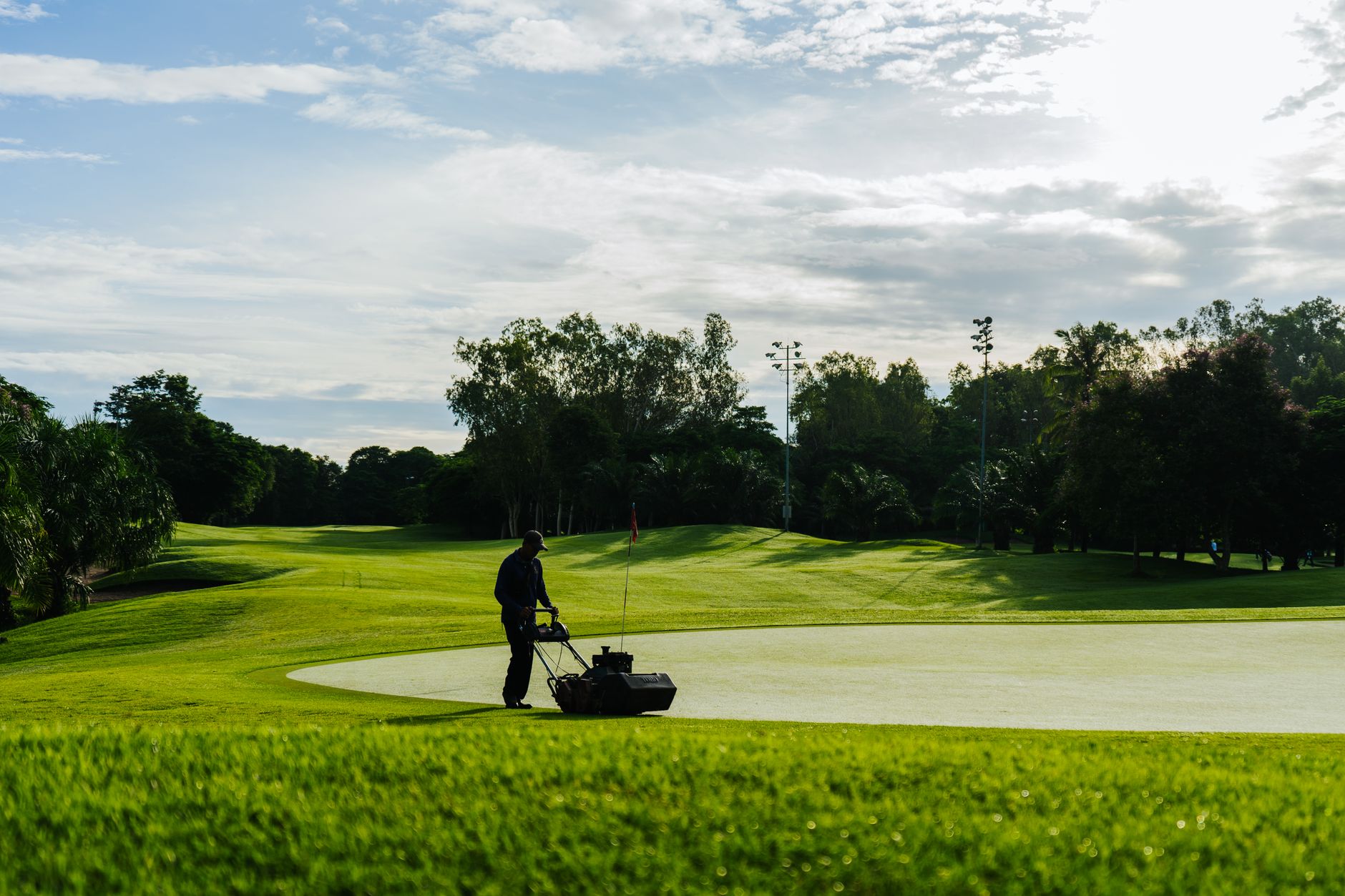
Show the places where risk lives, not just the easiest stripe. Four moments usually matter most, and each should be narrated as it happens.
A manager who hears why the mower halted, and what the crew checks before it moves again, grasps the supervision model faster than from any spec sheet. Ask the visitor to name what they would want checked after the pass, and treat their list as your follow up agenda.
- The boundary edge, where the mower stops short of a curb, bed or walk, and the trim work the crew adds to finish it
- A slope or uneven section, if the site has one, so the visitor sees how the machine handles grade
- A pause for a person or cart crossing the route, followed by the restart
- The return to the charge point, which managers often ask about last
How do you explain the crew roles?
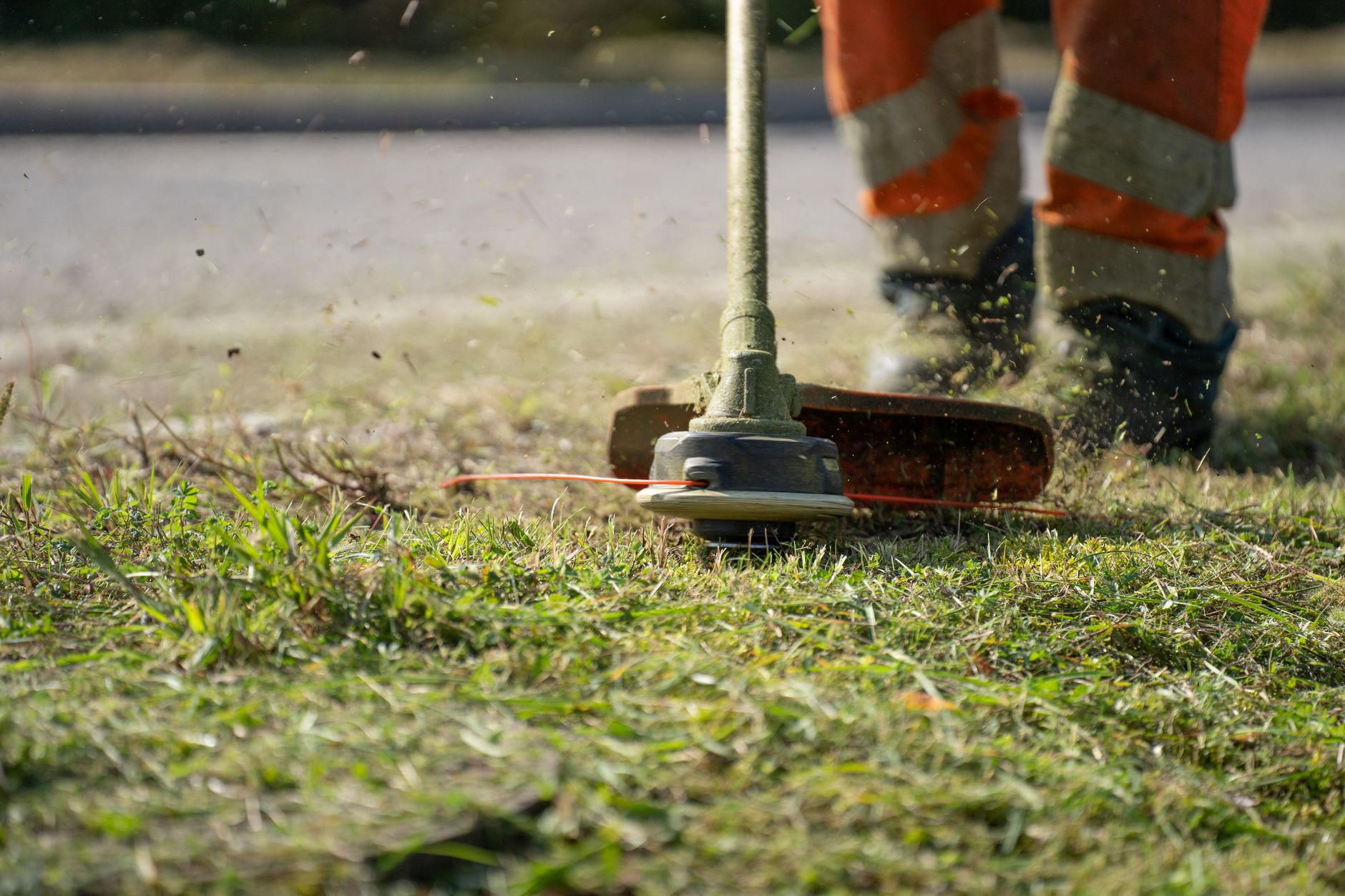
Explain roles before the mower moves. The worry behind most questions is replacement, so the answer has to be concrete. The crew lead supervises the pass from a phone or tablet and stays close enough to respond. A second crew member trims and edges what the mower leaves, clears clippings from walks and drives, and logs the day.
Say plainly what the robot does not do. Edge work, hand touch up on damaged patches, hard surface cleanup and judgment calls about turf that looks wrong all stay with people on most lawns. A contractor blog from Level Green Landscaping describes a property manager who brought a client to a robotic mower demonstration. It is one contractor's account, not a study, but it shows the scene that works: crew visible in the frame, not standing off to the side.
Which commercial mowers are showing in 2026?
Trade shows give a useful shortlist, with one caution: each description below comes from the vendor or trade press, not an independent test. GOKO's press release said it showed its M6 4WD mower at Lawn and Land Equip Expo 2026 on the Gold Coast in August 2026, describing the machine as built for large yards, steep slopes and uneven terrain, and previewed its X5 commercial mower.
Agrovista Amenity said it planned to show its RM21 at GroundsFest 2026, describing it as a fully autonomous mower and line marker for sports pitches, golf courses, parks and large landscaped areas. Kress Commercial's KR800 Voyager is described as an autonomous mower built for route based landscaping. PANDAG introduced its G1 commercial autonomous mower at CES 2026, with LiDAR, RTK positioning and AI vision. Turf Magazine described Segway Navimow's commercial offering as mowers bundled with software, training and services, with 2026 models previewed at Equip Expo 2025.
For a demo day, pick two machines that fit the lawn rather than every model on the show floor. Match slope, edge count and route length to the platform before you invite anyone. Service Robot Co. is OEM neutral, so the shortlist starts from the site, not from a booth.
What belongs in the follow up?
Send written notes within a few days, while the pass is still fresh. Cover the zone tested, the stops observed, the edge work the crew would add, the open questions and the crew roles as agreed. A short written summary is what a manager forwards to a finance committee, so write it to read cleanly without the video.
Then book the site assessment. Service Robot Co. leases robots through financing on a three year lease, with one fixed lease payment quoted after the site assessment. We map the property, deploy and integrate the unit, train the crew and service it under RoboCare, our service plan, backed by regional service engineers in every state we service. One vendor for the whole lifecycle, not six.
What can a demo day not prove?
A demo is one pass on one day, and it cannot prove a full season. Weather, soil moisture, foot traffic and seasonal growth change what the robot meets. We have not found a verified public figure for how often demos lead to a signed lease or how long managers take to decide, so no timeline should be promised from a demo alone.
Record the limits the day exposes. If the pass stalled at one gate or the edge work ran longer than expected, write it down. A manager who sees the limits and still wants a pilot is a better client than one who saw only clean stripes.
Frequently asked questions
Want a robot working for you?
Tell us the job and the site. We will recommend the robot, quote the lease, and keep it serviced.