Key takeaways
- Film cobots pay when manual bubbles and edge lift drive rework on finished surfaces.
- Tension and peel speed matter more than arm reach on wide panels and glass.
- Dust on the substrate beats bad programming as a defect source every time.
- Recipe-based changeovers beat re-teaching when SKU mix shifts weekly.
- Cobot rental for manufacturing lets you prove laydown quality through a busy build week first.
Why are shops still hand-laying protective film in 2026?
Removable protective film looks simple until you watch a finisher chase bubbles on a painted panel or a glass unit headed to a job site. One wrinkle at the edge can mean a full strip and reapply, or a scratch claim after install.
Collaborative robot arms fit when the same panel sizes and film widths return daily and the bottleneck is steady laydown, not one-off prototypes. They are a weak default on tiny batches where setup time eats the shift.
Industry analysts sized the global surface protection film market at about USD 1.5 billion in 2024, with demand projected to grow near 4.6 percent annually through the next decade. That volume keeps finish rooms busy enough that a slow manual lane shows up in overtime, not just labor cost.
What makes film application different from a basic pick and place?
Film is a web process on a rigid part. The cobot must manage unwind tension, approach angle, and roller or squeegee pressure at the same time. Drop and release logic from a palletizing cell will crease the sheet.
Edge alignment errors show up late. A panel can look straight until the customer peels film and finds a exposed corner. The sequence needs lead-in guides or vision on the first inch, not only on the final trim.
Static charge on dry winter air can pull film off path. Grounding, ionization, and humidity control belong in the cell spec alongside the arm.
How should tension and speed stay matched?
Too much tension stretches adhesive and leaves ghost marks. Too little lets slack fold into bubbles under the roller. The unwind brake or dancer arm should follow a torque profile tied to each film SKU.
Acceleration matters on long panels. A sudden start can snap thin film or skew the edge before the squeegee catches up.
Log peel speed and brake settings per recipe so engineering can trace a bubble spike to a material lot change, not guess from operator memory.
- Calibrate roller pressure per film thickness band.
- Limit jerk on the first 50 millimeters of travel.
- Stop the cell if unwind diameter falls below a refill threshold.
Where do bubbles and wrinkles actually start?

Contamination under the film causes most field complaints. A fingerprint or dust speck becomes a permanent bump after heat or transit.
Misaligned first contact creates a diagonal wrinkle that grows down the panel. Teach the arm to kiss the leading edge square before full roller engagement.
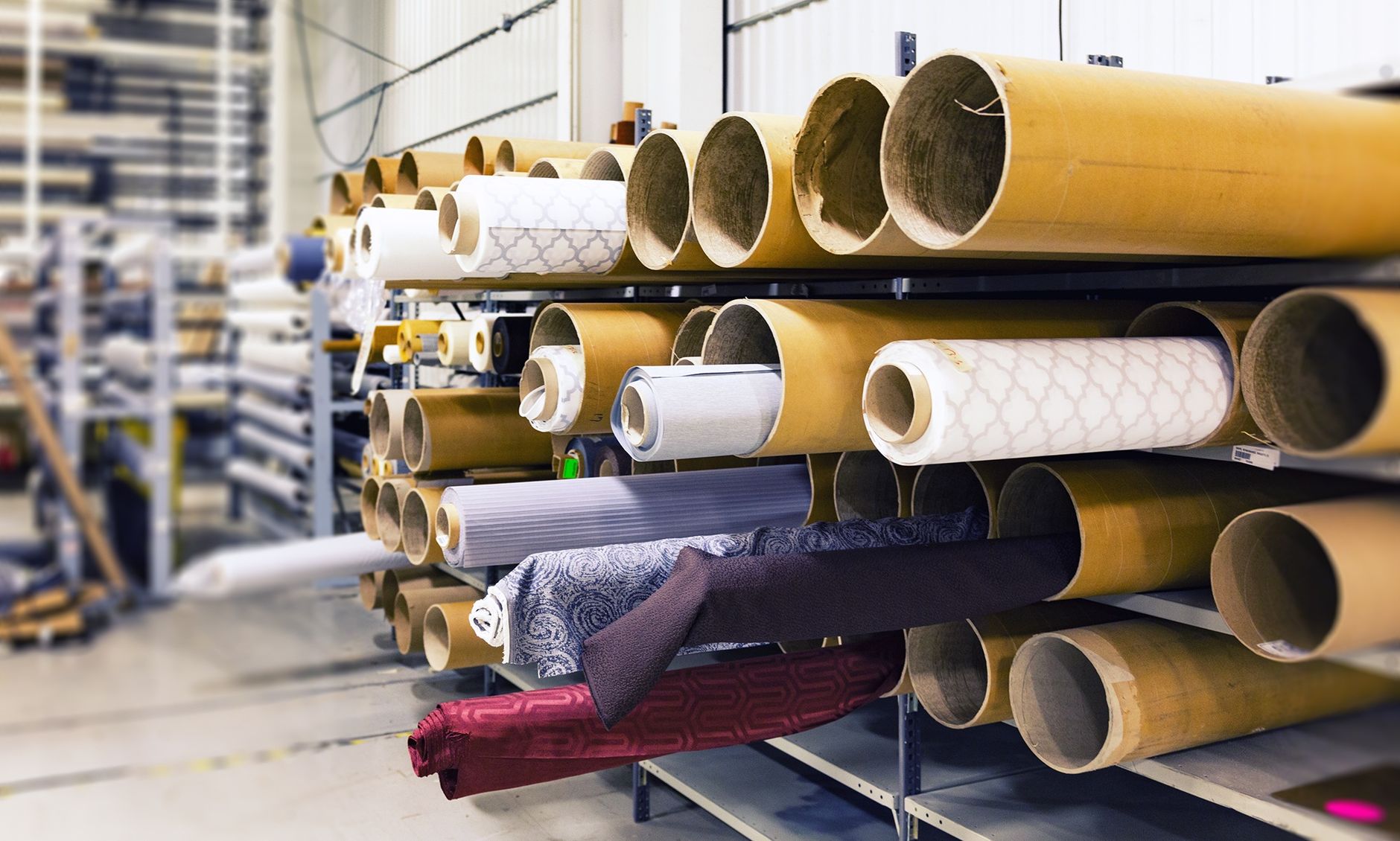
Reused cores and damaged roll edges dump folded film into the path. Inspect incoming rolls like you inspect paint.
How tight is the labor context on finishing lines?
U.S. Bureau of Labor Statistics 2024 incidence data show manufacturing at 2.7 total recordable cases per 100 full-time workers. Finishing and repetitive laydown still add wrist and shoulder load even when the plant rate looks moderate.
Cobots take the steady reach and peel motion at the bench. They do not remove the need for a lead who signs off on first article after a film vendor change.
When hiring stays thin, automating laydown frees people for inspection and pack-out tasks robots should not own alone.
What does surface cleanliness require before the arm runs?
Wipe-down alone fails on oily metal or dusty composites. Define allowed time from wash or blow-off to laydown, and stop the cell if that window expires.
Separate lanes for adhesive-sensitive film and abrading operations. Grinding dust on a film cell is a rework generator.
Vision can flag obvious debris on the panel center before the roller commits. It adds seconds but pays when scratch claims already hit your scorecard.
How do changeovers stay under control?
Film width, panel length, and roller type should map to named recipes with version IDs. Operators select the job, not re-enter speeds from a sticky note.
First-article checks after any recipe edit stay human-led. The cobot recalls validated parameters, not a guess from a similar SKU.
Keep a manual lane for true one-offs while the cell runs the daily set.
What should defect detection cover?
Cameras can check edge offset, bubble shadows, and missing film tabs before the panel leaves the station. Reject bins should separate vision fail from material tear so maintenance chases the right fault.
Skip vision on the first pilot only if you accept full manual audit at line speed. Most finish rooms already audit too late.
Trace each reject to film lot, recipe version, and ambient humidity when seasonal claims cluster.
How do you pilot without fooling yourself?
Run side by side with manual laydown on the top five panel sizes for at least one full busy week. Track bubble rework, edge lift callbacks, and panels per hour separately.
Include a deliberate dusty panel in daily startup. If the cell does not stop, do not trust it on the Monday glass run.
Where does a full-service integrator fit the first cell?
Film cells sit between vendor film quirks, fragile finishes, and floor space that was never designed for an unwind stand. Service Robot Co. works as a vendor neutral commercial robot integrator for U.S. fabricators and finish shops. We match arms, rollers, vision, and unwind hardware to your parts, then finance, deploy, train, and service through a nationwide engineer network.
Collaborative robot arm rental with maintenance included can carry one laydown station through a seasonal build peak on operating budget before you commit capital to a second line. One partner number covers mapping, recipes, and the monthly service plan after go live.