Key takeaways
- Frequent carton size changes punish dedicated case erectors built for one blank geometry and one closure method.
- Recipe-driven cobot cells can swap blank pick, fold sequence, and tape or glue settings in minutes when prep work is externalized.
- Throughput still matters: match cycle time to upstream filler speed and downstream palletizing, not peak nameplate rates on a brochure.
- Labor shifts from repetitive forming to recipe verification, quality checks, and quick recovery when a blank lot varies.
- A month-to-month cobot rental or integrator-led pilot lets you prove changeover math on your actual SKUs before capital locks in.
When does a cobot case erector beat fixed machinery?
A dedicated case erector pays off when the blank, fold pattern, and closure stay stable for weeks. High-mix operations break that assumption. Contract packers, craft beverage lines, and specialty food plants may run five to fifteen carton changes per shift, and packaging surveys show many food plants still lose nearly an hour per transition when cleaning and material swaps stack up, according to Manufacturing.net reader data.
In that world, the winning question is not peak cycles per minute on a single SKU. It is how many sellable cases you ship after accounting for setup, startup rejects, and the minutes your filler waits on an empty downstream lane. Shoplogix cites best-in-class packaging changeovers near seventeen minutes versus about fifty for laggards on the same transitions, which is why flexible end-of-line automation gets a second look when batch sizes shrink.
Collaborative robot arms fit the gap between manual erect-and-tape benches and large rotary erectors. They trade some raw speed for teachable motion, quick tool changes, and guard-friendly footprints on congested lines. That is the practical case for cobot rental for manufacturing teams that need end of line automation without rebuilding the whole pack hall.
What high-mix case erecting actually costs you
Case erecting sits where order complexity becomes physical. Every new blank length, flap score, or print orientation forces mechanical adjustments, sensor retuning, and operator memory. Guidewheel performance analysis from late 2025 put the median packaging changeover in plastics plants at about thirty-one minutes, with wide spread between crews, while food and beverage lines in the same dataset clustered near ten minutes when SMED discipline held.
TeepTrak illustrates the shift math plainly: three changeovers per shift at forty-five minutes each burn one hundred thirty-five minutes, nearly thirty percent of an eight-hour block. Cutting that to twenty-five minutes per changeover returns about sixty minutes of production time, a double-digit availability gain from setup alone.
Case erectors amplify those losses because a stalled erector starves case packers, checkweighers, and palletizers. The pain shows up as overtime on the pack table long before finance sees an OEE chart. That is why plants with volatile SKU lists evaluate machine tending robots and cobot cells that can pause one recipe and load another without a full mechanical rebuild.
How should blanks be presented to a flexible erector cell?
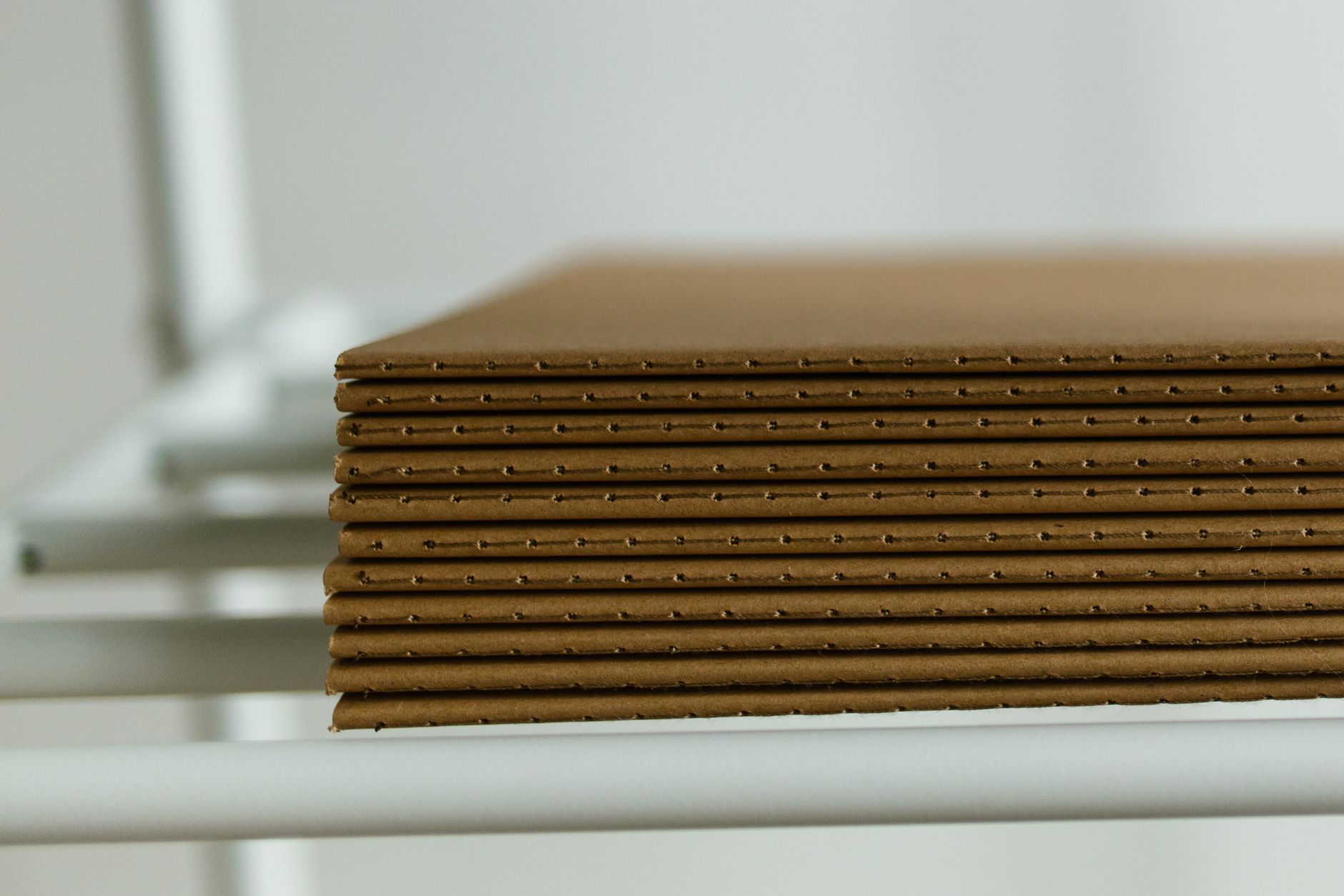
Blank presentation drives both reliability and changeover time. Fixed erectors often expect a perfect stack from a magazine with tight tolerance. Cobot-based cells more often pair a flat blank destacker or pick-from-stack module with vision or mechanical edge finders so slight lot-to-lot variation does not jam the fold tooling.
For high mix, standardize how blanks arrive even when sizes differ. Use color-coded dunnage, labeled stacks, and pre-kitting per recipe so operators swap a fixture plate and finger set instead of hunting cartons. SMED case work on filling lines shows parts retrieval alone can consume fifteen to twenty-five minutes when it stays internal to the stop; pre-kitting can pull that under a minute according to published SMED benchmarks on beverage filling lines.
Keep one presentation zone per line rather than scattering blanks along the conveyor. A cobot reaches across a short span; humans stage the next recipe on a cart while the current run finishes. That external work is what separates a twenty-minute changeover from a forty-five minute one when the robot itself only needs a few taught points updated.
Tape, glue, or a hybrid closure?
Closure choice still matters in flexible cells. Tape systems reward straight flaps and consistent compression; glue favors high-speed retail cartons with tight manufacturer specs. A cobot can carry a dual end-of-arm tool, but maintenance and verification multiply with each option.
Most high-mix sites standardize on one primary closure per line and push exceptions to a secondary manual lane until volume justifies another cell. That discipline protects throughput and keeps recipe libraries small enough that operators trust them during night shift.
Whatever you choose, document seal placement, wipe-down pressure, and dwell time per recipe. Startup reject rates on filling lines often run one to five percent on the first cases after a change when settings drift; tightening those parameters in software beats chasing mechanical cams on a dedicated erector built for a single carton family.
How do recipe libraries and teach points work in practice?
Think of each carton SKU as a recipe: blank ID, pick frame, fold sequence, compression move, and closure program. Collaborative arms store these as named jobs. Changeover becomes selecting the recipe, confirming the staged blank, and running a short dry cycle while the upstream filler finishes the prior flavor.
Good recipe design separates safe slow moves near operators from full-speed segments inside guarded zones. It also logs who edited what, which matters when a co-packer runs dozens of brands under audit. Digital work instructions tied to recipe IDs cut the variability Shoplogix associates with up to forty percent of changeover spread when crews rely on memory alone.
Avoid recipe sprawl. Merge cartons that differ only by print if the fold geometry matches. Route true oddballs to manual erect stations until annual volume clears an internal hurdle. The cobot earns its keep on the middle eighty percent of SKUs that rotate weekly, not on the one-off gift box twice a year.
What throughput should you plan for?
Industry articles on flexible case forming often cite roughly four to twelve completed cases per minute depending on carton height, closure type, and dual-arm versus single-arm layouts. Your planning number should come from timed trials on your blanks, not from a generic spec sheet.
Size the cell to the constraint you cannot cheaply widen. If the filler outputs forty units per minute but case packing only needs twenty-five cases because of inner packs, chasing fifty cases per minute at the erector adds cost without line balance. If palletizing is the bottleneck, a faster erector simply builds a queue that risks crushed cartons.
Measure throughput as good cases past the tape check or glue inspection, not arm cycles alone. A cobot that retraces twice on a weak fold burns capacity silently. Pair the erector with a simple reject chute and count logic so maintenance sees drift before the warehouse does.
Who runs the cell, and what skills do they need?
Labor does not disappear; it shifts. One operator can tend a cobot erector while monitoring upstream supply and downstream case alignment, but only if recipes are stable and alarms mean something actionable. Plants that skip training end up with a highly flexible machine locked in single-SKU mode because only one technician knows the teach pendant.
Cross-train maintenance and production on recipe edits within defined limits. Lock critical safety parameters behind supervisor codes. Use cobot rental or lease programs that include train-the-trainer hours so your night crew can recover from a minor mis-pick without calling a integrator for every flap adjustment.
Ergonomic wins still count. Manual case erecting is repetitive shoulder and wrist work. Automating the fold and seal removes a injury-prone station OSHA ergonomics programs increasingly scrutinize on packaging lines, even when headcount stays flat and roles move to quality and material staging.
Where does a full-service integrator fit?
Vendor-neutral integrators matter because no single arm fits every reach, payload, and sanitation zone. Service Robot Co. selects hardware across manufacturers, then handles finance, deployment, integration, training, and nationwide service under one contract. That model pairs well with cobot rental for manufacturing pilots where you need month-to-month flexibility before a capital decision.
Integration work includes guarding, conveyor interfaces, reject handling, and tie-ins to existing case printers or checkweighers. A cobot case erector is rarely a drop-in cube; it is a cell. Document site acceptance tests around recipe change time, not only cycle time, so payback models reflect high-mix reality.
If you already run palletizing robots downstream, align communication and case flow so the erector does not fight an established pattern. One partner and one service number reduces finger-pointing when a sensor on the blank stack and a downstream photo eye disagree about case presence.
How should you pilot without betting the whole line?
Start with two or three carton recipes that hurt today: frequent changeovers, high injury reports, or chronic mis-folds. Baseline current changeover minutes, startup scrap, and staffed hours on the manual bench. Then run the cobot cell on those SKUs for enough shifts to capture night-crew behavior.
Compare against the seventeen-minute best-practice changeover benchmark from packaging studies, but accept that cleaning-heavy food lines may sit higher until CIP and allergen steps are SMED-optimized. TeepTrak notes structured SMED often delivers thirty to sixty percent reduction from whatever baseline you honestly measure.
Use the pilot to decide whether to add a second closure type, expand recipes, or move fixed erector budget toward flexible capacity. Month-to-month robot leasing for business users keeps the pilot off the capital plan until the manifest of SKUs proves out.