Key takeaways
- Cobots fit repeated polish and grind passes on fixtured denture bases, not one-off artistic tooth shaping.
- Dental lab dust and splash require enclosure, extraction, and easy wipe-down on the arm and teach pendant.
- Force-limited collaborative modes still need guarded fixtures so a slip does not launch a plate.
- Monthly cobot rental spreads cost across small labs that run finishing in bursts between case deadlines.
- One integrator can fixture, program, train, and service the cell through regional engineers nationwide.
Where do cobots help in denture finishing?
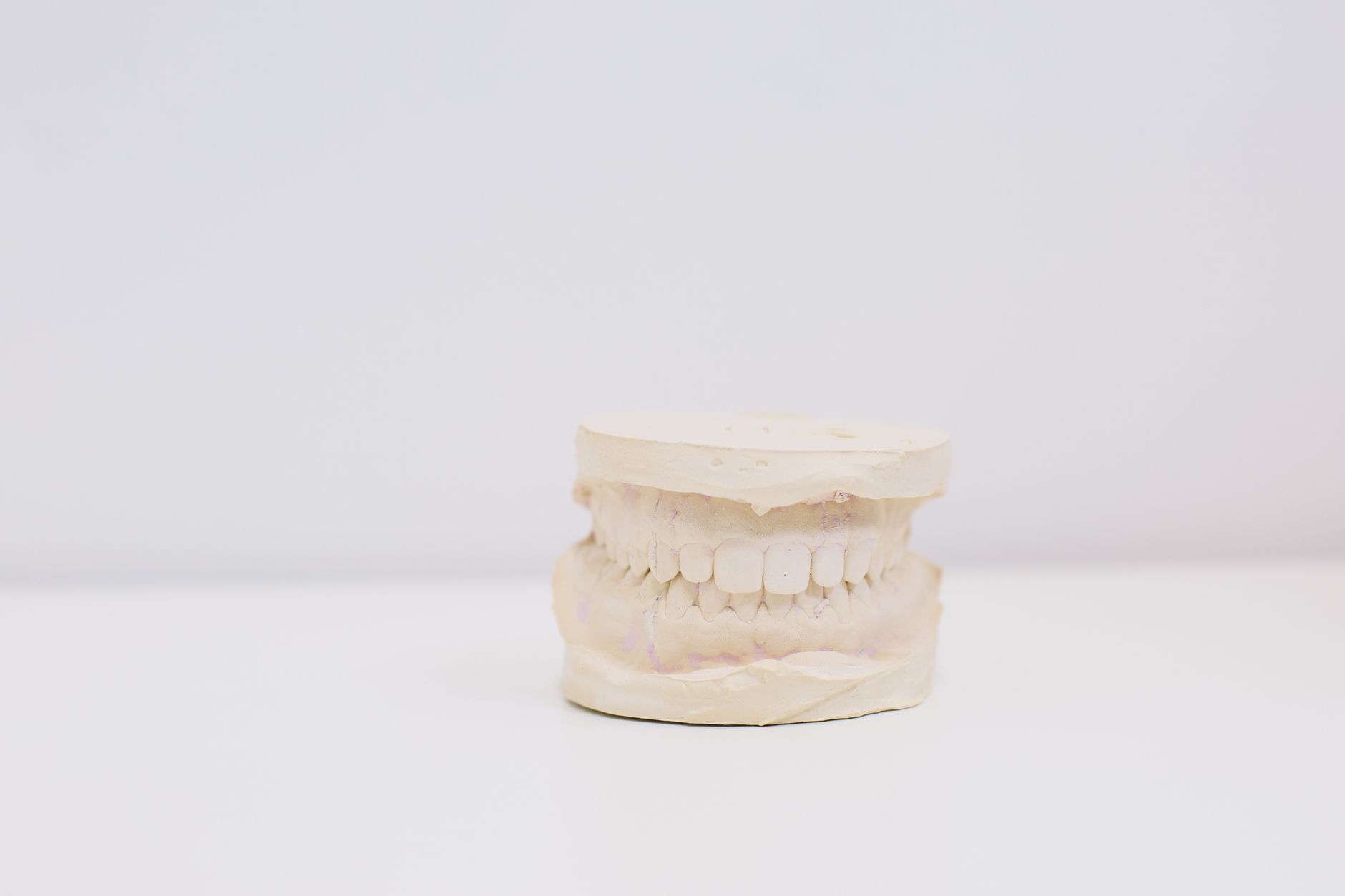
Denture finishing is the grind, polish, and smooth phase after base processing and before final quality check. A collaborative robot arm can repeat the same tool path on a fixtured arch while a technician inspects the next case. The cobot is not diagnosing occlusion. It is removing predictable flash and bringing surfaces to a uniform finish on cases your lab already approved for machine assist.
According to the International Federation of Robotics, global shipments of professional service robots rose about 24 percent to nearly 250,000 units in 2025, with transportation and logistics leading volume. Finishing cells in small medical device and dental labs ride the same supply chain of compact arms, force sensing, and rental programs that larger factories use.
Labs that batch similar acrylic bases gain the most. Custom characterizations with heavy hand art still belong at the bench.
Which tasks are realistic on day one?
Start with palate smooth passes, flange edge cleanup on standard trays, and uniform polish on pre-approved model lines. Keep initial programs on cases with stable geometry and documented bur or wheel wear intervals.
Avoid launching on first-time complex repairs or immediate remakes where the technician is still deciding how much material to remove. Those decisions need human touch and magnification.
Pair each program with a photo standard at release so a lead can spot when a bur is dull before the cobot burns acrylic.
- Fixture one arch type per program until repeatability is logged for two weeks
- Run cobot passes only after base cure and cool-down windows are met
- Keep hand finishing stations adjacent for blend work the arm cannot see
How do dust and splash change the cell design?
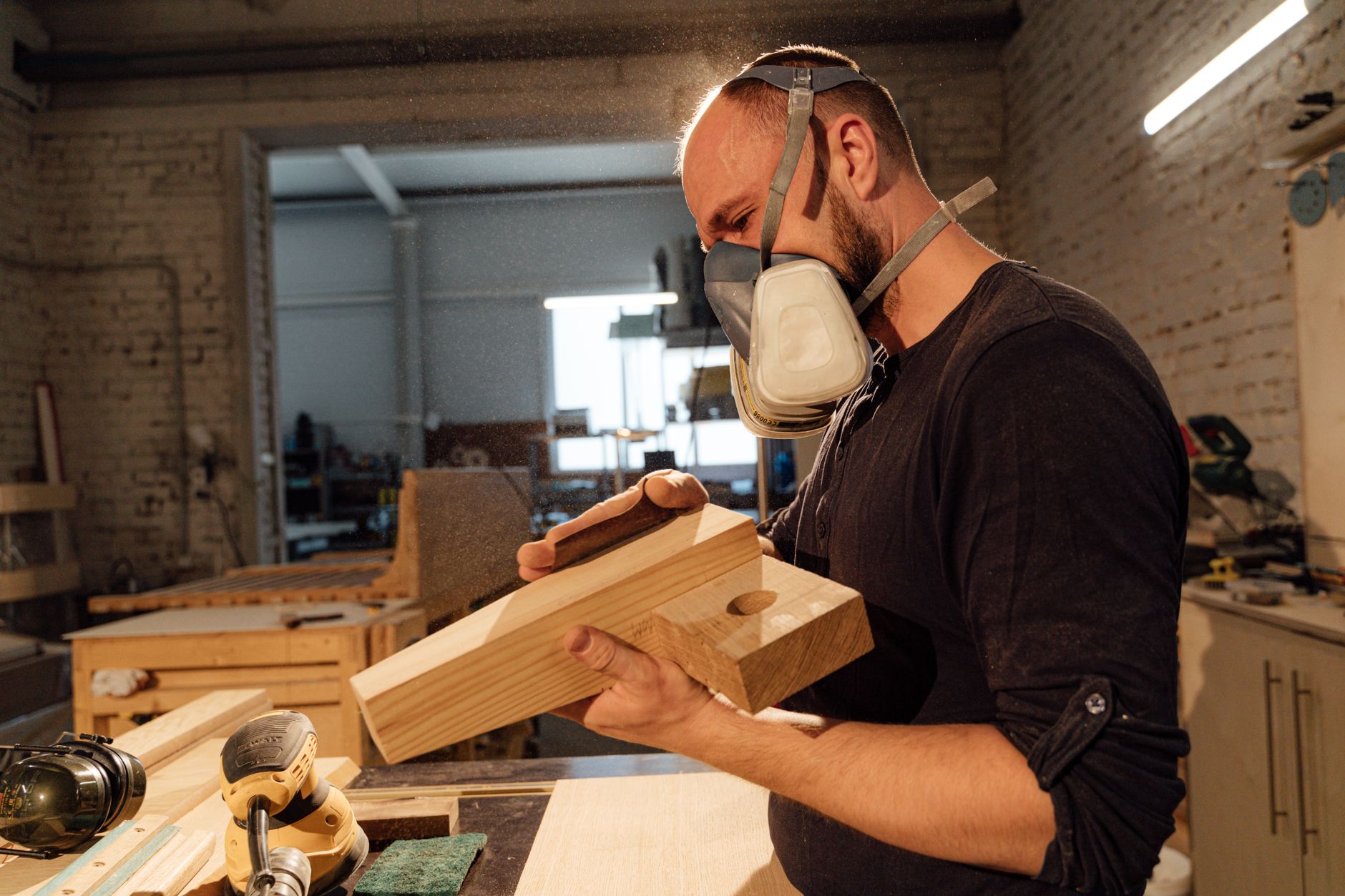
Dental acrylic and pumice create fine dust that settles on seals and teach pendants. Plan a compact enclosure with tied vacuum pickup at the contact point, not only room exhaust. Use smooth arm covers rated for daily alcohol wipe-down.
Schedule short purge breaks so dust does not pack into spindle collets. Log maintenance on wheels and burs as machine items, not hidden consumables.
If your lab shares space with wet areas, keep electrical cabinets and teach pendants out of splash zones even when the arm itself is guarded.
What safety setup does a dental lab need?
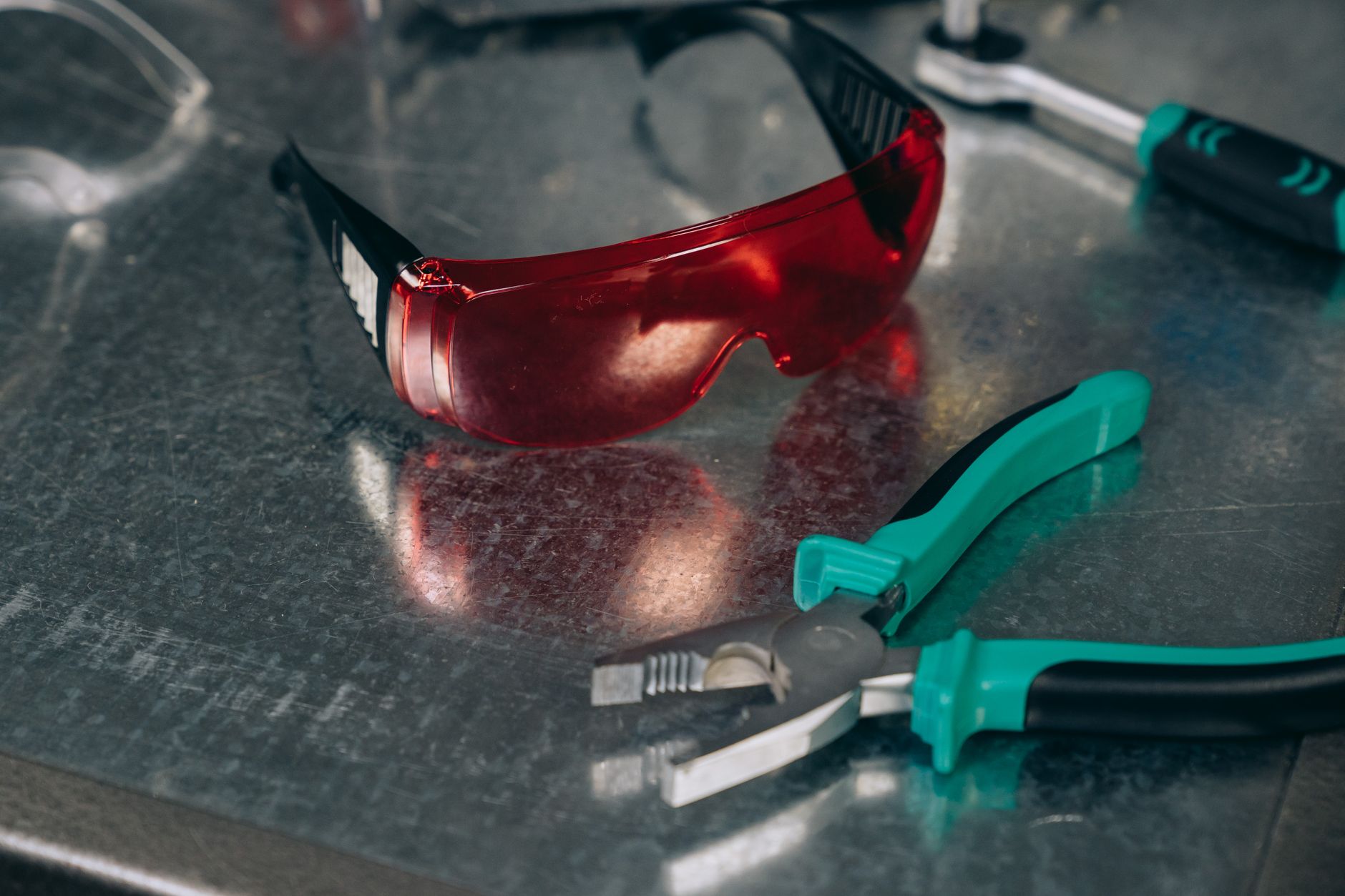
Collaborative force limits reduce impact risk but do not replace fixtures. A denture plate that slips from a weak clamp can still chip. Use positive mechanical retention and test worst-case e-stop stops with a sacrificial model.
Train every finisher on enter-the-cell rules, pendant hold, and recovery after a protective stop. Post the three-step recovery at the bench where remakes are logged.
Document who may edit speed and force after a program is validated. Ad hoc tweaks without a log are how acrylic burns start.
What should you verify before signing a rental?
Confirm the arm reach covers your longest arch fixture without singularity pauses mid-pass. Verify spindle speed maps to your current hand process within vendor limits.
Ask how remote support triages faults during your busiest case days. Some integrators ship loaner arms when a spindle motor fails mid-week.
Service Robot Co. stays vendor-neutral on collaborative arms and finishing spindles, then finances, integrates, trains, and services through a nationwide network of regional service engineers. One partner owns the cell instead of splitting arm, fixture, and break-fix contracts.
What does a sensible pilot look like?
Pick one product line with at least twenty similar cases per month. Run cobot passes on half the line and hand finish on the other for two weeks. Track minutes per case, remakes, and technician fatigue complaints.
Expand programs only after a lead signs off on dust control readings and fixture wear checks.
If the pilot stops, you still keep fixtures and documented programs for the next hiring cycle when bench capacity tightens again.