Key takeaways
- Cobots fit when bung type and torque spec stay stable enough to recipe-lock.
- Cross-thread detection on torque slope beats fixing leaks downstream.
- Hazardous-area classification and spill containment decide cell layout.
- Closure logs must match the same QA bands as manual operations.
When does a cobot beat manual bung insertion?
A collaborative robot earns its place on drum closure when operators repeat the same start, spin, and torque check hundreds of times per shift and your quality system already defines acceptable torque bands. The task is repetitive even in a chemical plant where every SKU carries hazard paperwork. If closure is the pacing step on your fill line, automating insertion and verification frees people for sampling and paperwork.
The fit weakens when you run dozens of bung sizes daily with no standardized nest, or when drums arrive with damaged chimes that need human judgment every time. Standardize incoming inspection and staging first. According to the International Federation of Robotics World Robotics 2025 industrial report, collaborative robot installations continued at about 12 percent growth, which reflects how process plants add force-limited tending without fencing entire bays.
Cobot rental or monthly lease lets you pilot one closure lane during a planned maintenance window before you copy the cell to a second filler. Pair the arm with a documented hazardous-area review so safety and environmental teams sign off before production counts start.
How do you handle drum and bung variability?
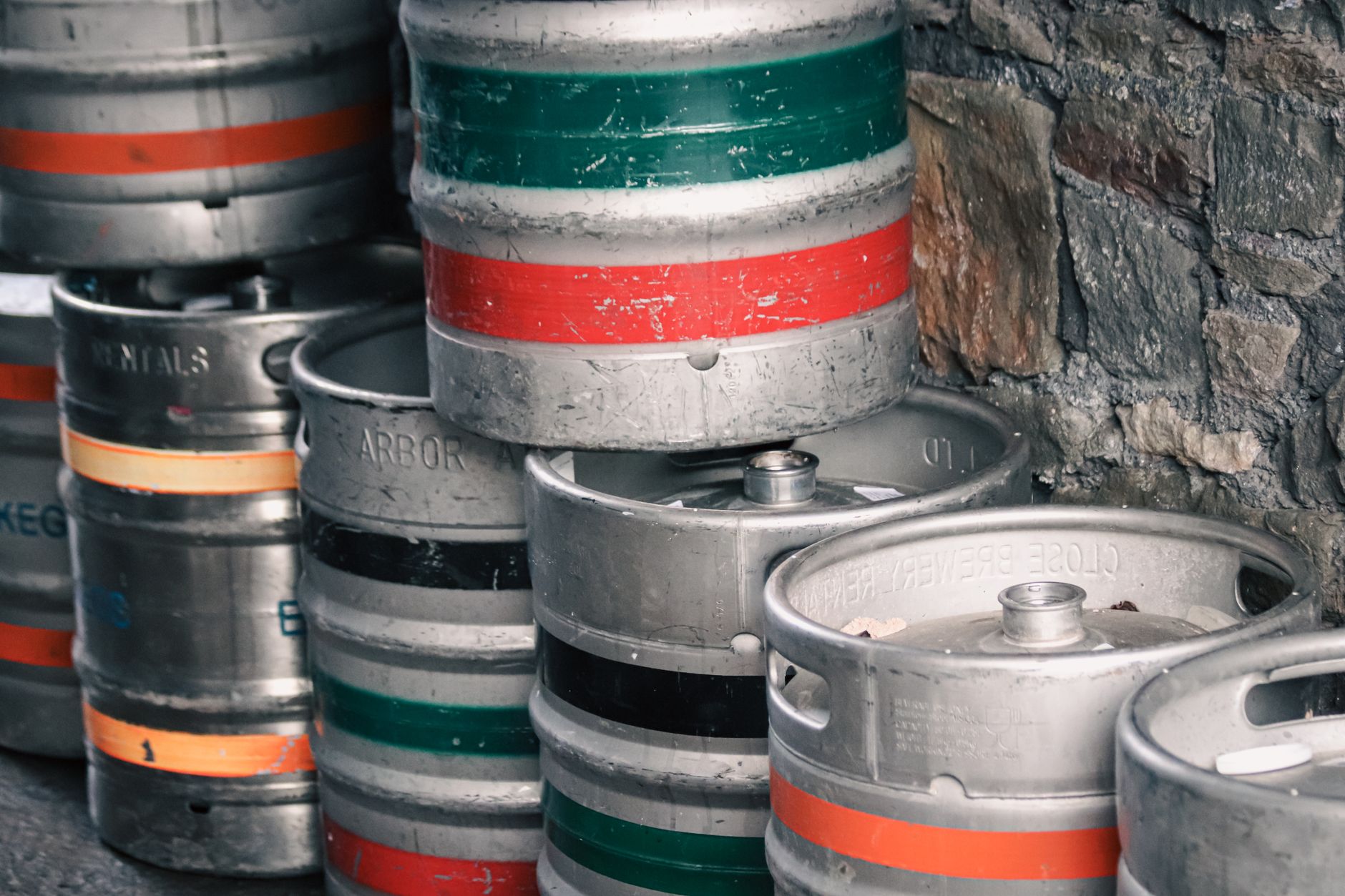
Steel, poly, and fiber drums do not share the same chime height or bung thread profile. Teach separate programs per approved combination and reject drums outside tolerance at staging rather than at the robot.
Bungs vary by gasket type, vented versus non-vented, and torque spec. Store approved hardware in labeled kits that match barcode recipes on the controller. Never let maintenance substitute a look-alike bung without engineering re-approval.
Dent rolls and oval chimes are the main cause of cross-thread starts. A quick roll test at inbound inspection saves the robot from fighting damaged threads.
What tooling mounts on the cobot for closure?
Most cells use a compliant spindle or a passive aligner that centers the bung before torque. The tool must float slightly on the first turn so the threads engage without side load on the chime.
Quick-change tooling matters when you alternate between two bung families on the same filler. Document torque limits in the tool controller and lock edits behind a supervisor login.
Keep spare seals and spindle inserts on a PM schedule. Chemical vapor and fine dust wear threads on custom adapters faster than in a clean assembly shop.
- Compliant spindle with adjustable start height
- Torque transducer calibrated to plant QA schedule
- Passive cone aligner for first thread engagement
- Quick-change plate keyed to approved bung kits
How do you detect cross-thread and incomplete closure?
Program the arm to monitor torque slope during the first full turn. A flat or spiking curve flags cross-thread before you apply full closure torque.
Add a final angle check after torque OK. Some plants also snap a low-resolution image of the bung orientation for batch records.
Route rejects to a locked quarantine nest. Operators rework under SOP, not by overriding the robot mid-cycle without documentation.
What hazardous-area and spill containment issues apply?
Chemical plants classify areas by flammable vapor, dust, or toxic exposure. The robot, tooling, and controls must match the area rating your EHS team assigns. That review is not a checkbox for the robot vendor alone.
Build spill containment under the nest and keep absorbents staged for the specific material on that line. The arm should pause on any leak detector or scale fault until maintenance clears the source.
Grounding and bonding rules for flammable fills still apply when a robot handles metal bungs. Include bonding checks in pre-start checklists the same way operators do today.

How should you document closure quality?
Log drum ID, bung kit lot, torque value, final angle, and operator or cell ID for every container. Export to your batch system through CSV or OPC rather than keeping data only on the teach pendant.
Align robot records with DOT and internal QA requirements for your product class. Auditors want to see that manual and automatic closures follow the same spec bands.
Review torque trends weekly. Drift often means worn tooling or supplier bung changes, not robot fault.
What does site acceptance testing cover?
Run SAT with production drums and bungs from three incoming lots. Verify cross-thread detection with intentional mis-starts in a controlled test, not on live hazmat without containment.
Test e-stop and spill interlock behavior. The arm should retract clear of the filler and hold until reset.
Train operators on recipe selection, reject handling, and when to call maintenance versus re-teaching a waypoint.
Where does Service Robot Co. fit?
Service Robot Co. runs vendor-neutral assessments on filler lines, maps hazardous-area constraints, and pilots cobot rental with training and nationwide service on one contract. We integrate torque and vision data to your batch record path without locking you to one arm OEM.
Start on a single closure lane, prove torque Cpk and reject rates against manual baseline, then clone the nest standard to parallel fillers during a scheduled outage.