Key takeaways
- Kit-fill cobots pay when order mix repeats but hand counting blurs at shift change.
- Bin presentation and lighting matter more than raw pick speed on small fasteners.
- Vision verification catches wrong length or head style before the bag seals.
- Recipe libraries keyed to SKU beat re-teaching when Monday returns the same cabinet order.
- Cobot rental for manufacturing lets you prove fill accuracy through a peak week before capital buys a second cell.
Where do cobots help on a custom hardware kit line?
Distributors and OEM pack lines often count screws, brackets, and anchors into bags or boxes while phone orders and walk-in sales compete for the same bench. Manual kitting works until a rush of made-to-order SKUs turns one scale into a bottleneck.
Collaborative robot arms fit when parts present in labeled bins or vibratory feeders and each order carries a digital recipe. The cobot can pick, place, and present to a camera or scale while a human stays on exception handling and seal release. It does not replace your quality lead who signs off on critical torque or grade specs.
Cobots are a weak default on one-off prototype bags or volumes so low that recipe setup eats the shift. They earn hours on repeating cabinet, fence, and assembly hardware kits that run every day.
Why is high-mix hardware harder than single-SKU bagging?
A single order might need twelve line items with different counts, lengths, and finishes. One wrong pan head in a structural kit creates a field callback, not just a repack.
According to the U.S. Bureau of Labor Statistics, private industry manufacturing reported 355,800 total recordable injury and illness cases in 2023, with a total recordable case rate of 2.8 per 100 full-time workers. Repetitive counting and small-part handling still contribute strain and puncture risk at busy benches.
Automation works when engineering documents bin layout, pick sequence, and shortage rules before anyone teaches on live orders. Letting the arm skip a vision fail is how you automate wrong-kit shipments.
How should bins and feeders present parts?
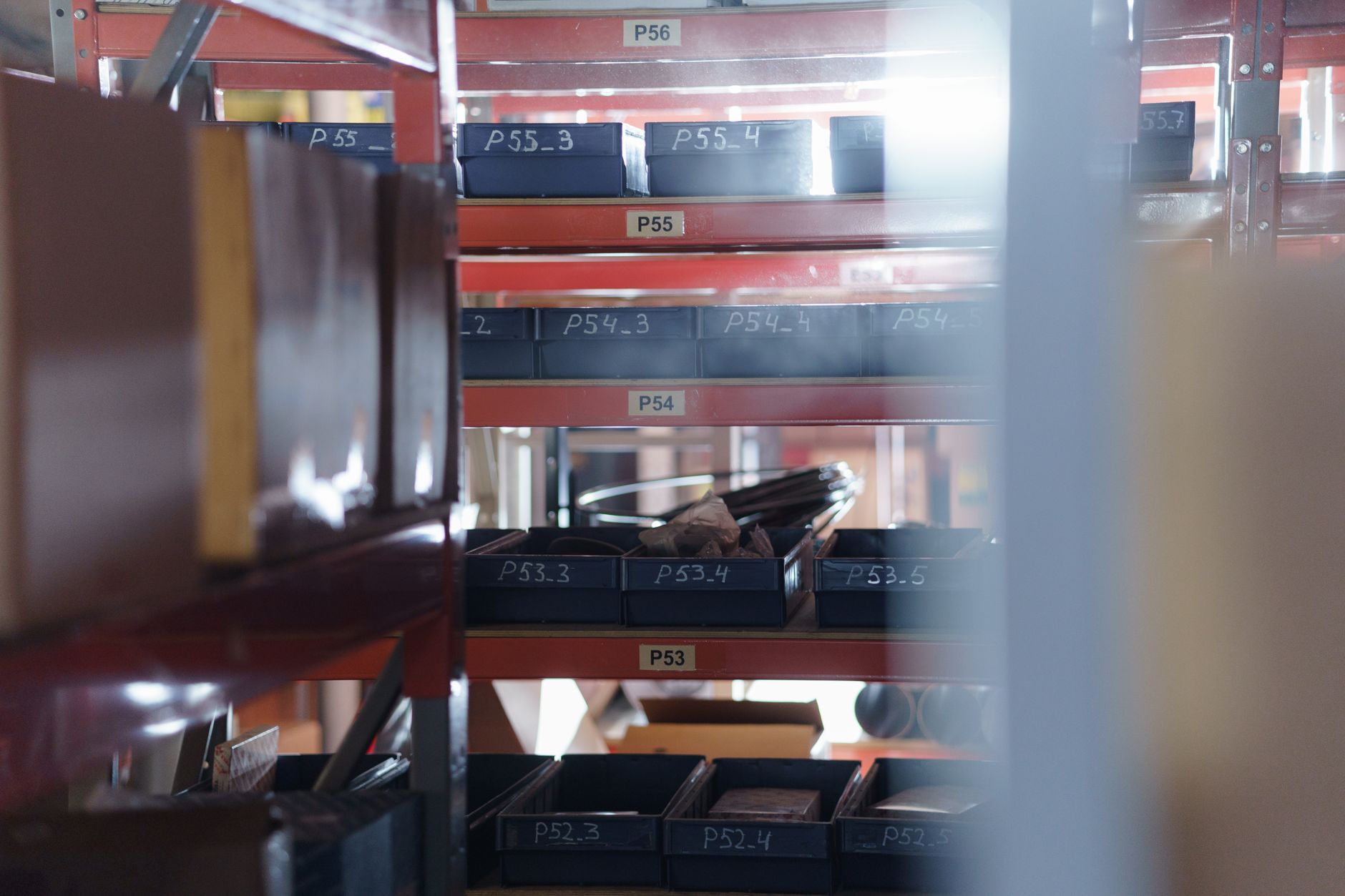
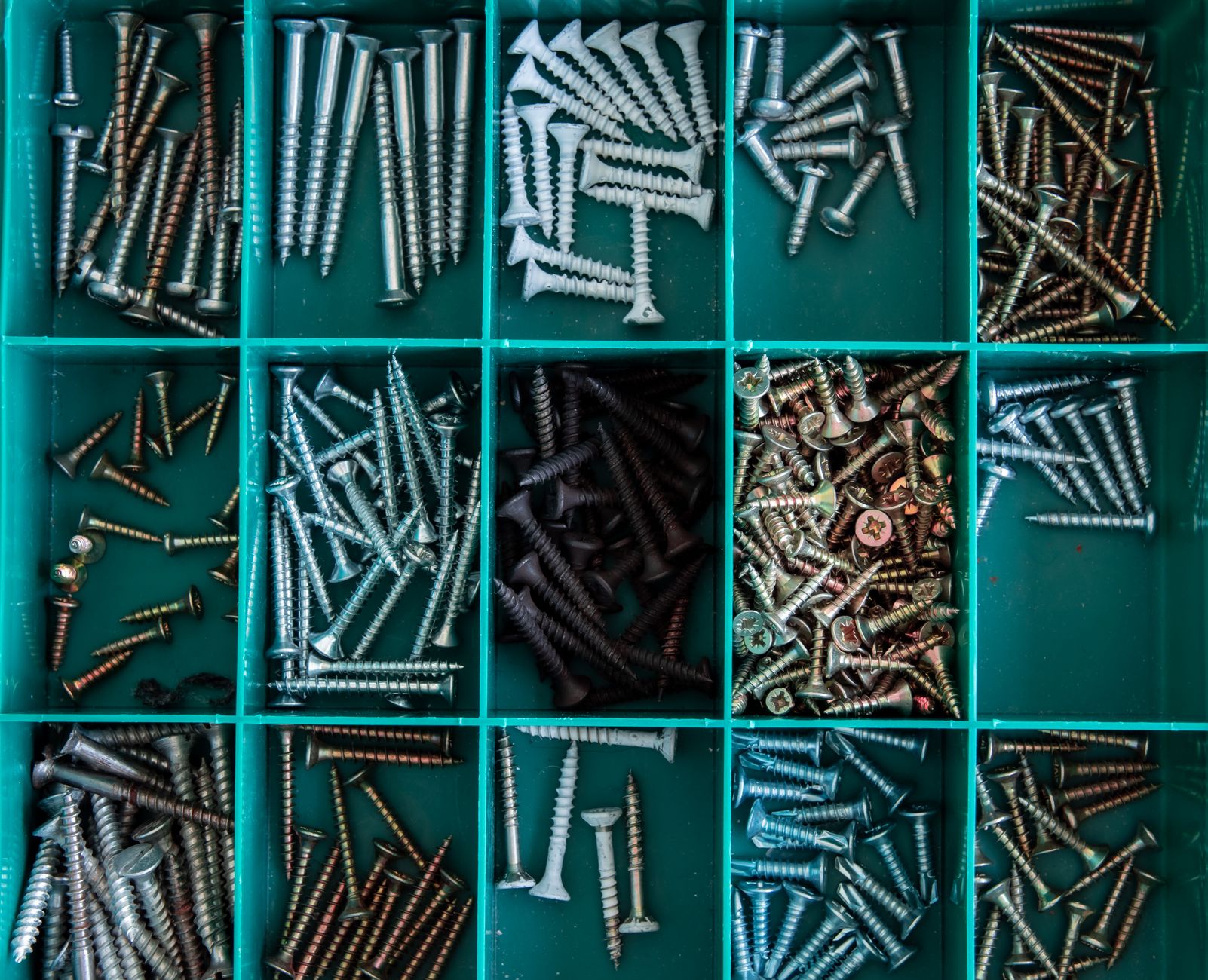
Deep bins look efficient until the last hundred parts bury the pick point. Shallow trays or segmented inserts keep vacuum and finger grippers repeatable.
Mixed finishes can look identical under bad light. Backlight trays and fixed LED angles often beat chasing exposure on every SKU.
Keep fast movers in dedicated feeders and slow movers in manual assist lanes so changeover stays measured in minutes, not hours.
- Label bin faces with recipe line IDs operators can audit.
- Refill thresholds should pause the cell before empty picks.
- Segregate stainless and coated fasteners when recipes demand it.
How does vision verification fit the sequence?
Cameras can count heads in a tray pocket or confirm length class before place into the kit container. It is slower than blind pick but catches swapped bins after refill.
Barcode on the kit container should tie to the active recipe so a reprinted label cannot run yesterday’s counts.
Keep a human spot-check lane for new SKUs until vision models prove stable across suppliers.
How do recipe changes stay manageable?
ERP or order software should push bill-of-material lines to the cell, not expect operators to re-key counts. Version IDs on recipes help when purchasing swaps vendor for the same nominal part.
Cobot rental for manufacturing with maintenance included lets you measure changeover and error rate through a peak construction season on operating budget before buying a second arm.
What happens when a bin runs short?
Shortage handling should hard stop the kit, flag the line item, and leave partial kits in quarantine. Soft skips create incomplete orders that ship silent.
Partial fill rules need business approval. Some customers accept back-order lines. Others need full kit hold. The cell should encode that policy, not guess.
Where do final weight checks help?
Weight is a coarse check, not a substitute for count on mixed small parts. Still, gross weight bands catch missing handfuls when vision is off on a new SKU.
Scale settle time belongs in cycle math. A robot waiting on the scale is still cheaper than a wrong kit on a job site if the band is tight enough.

What should traceability record?
Each kit should tie order ID, recipe version, pick timestamps, vision pass flags, and scale reading to what your system already expects. When a contractor reports a short bag, you need the batch record, not a guess.
Reject bins for failed vision or weight should be counted separately from supplier returns. Failures often trace to bin refill before they trace to the arm.
How do you validate a pilot without fooling yourself?
Run side by side with manual kitting on the same top twenty SKUs for at least one full busy week. Track wrong-count callbacks, repacks, and kits per hour separately.
Include a deliberate wrong bin and short count in the daily startup check. If the cell cannot stop both on the first shift, do not trust it on the tenth.
When does outside integration beat adding another counter on peak day?
Hardware counters often hire temps before they fix bin labels or standardize recipes. Service Robot Co. acts as a full service commercial robot integrator for U.S. distributors and pack lines. We are OEM neutral on arms, grippers, and vision, then finance, deploy, integrate, train, and service through a nationwide engineer network.
A first site visit maps fast movers, ERP hooks, and where human grade sign-off must stay final. One kit family on one lane is enough to prove recipe data before you tie the cell to fill-rate scorecards.