
Key takeaways
- A cobot cell labels tubes at a fixed station while your laboratory information system still owns accession numbers and result routing.
- Q-probes data from 147 labs found labeling errors at 0.92 per 1,000 labels across more than 3.3 million reviewed labels.
- Gripper and nest design matter more than arm reach when racks mix tube diameters and cap colors in one batch.
- Validation should prove readable barcodes after apply, not just correct print files at the label printer.
- Human exception paths stay mandatory for rejected scans, damaged caps, and specimens that fail visual checks.
Where do cobots fit tube and rack labeling?
They fit when the same accessioning steps repeat all shift: pick a tube or rack from a tray, confirm orientation, print and apply a label, scan the barcode, and place the unit into a sort lane or analyzer load position. A collaborative robot arm can hold that motion sequence while technologists stay on interpretation, QC review, and patient callbacks.
The cobot does not replace your laboratory information system. It executes a validated script that calls the LIS or middleware for label content, logs scan results, and stops on a failed read. That division keeps IT ownership clear and limits scope when you validate a new cell.
High-volume core labs, reference lab accessioning, and biobank intake lines are common first targets. Low-volume send-out benches with constant tube type changes may still be faster with a trained human until you standardize racks.
Why does barcode readability drive the whole design?
Specimen identification errors in clinical laboratories have been reported at rates from 0.1 percent to 5 percent in the literature summarized by CLSI. A Q-probes study of 147 laboratories reviewed more than 3.3 million specimen labels and found labeling errors at 0.92 per 1,000 labels. Every unreadable barcode at the bench risks another manual touch and another chance for mix-up.
Tube labels must survive curved surfaces, small diameters, and cap overlap. AUTO12 guidance on label content, bar code placement, and orientation exists because printers and applicators that look fine on flat media fail on polypropylene tubes. Teach the cobot to present each tube to the scanner at a repeatable angle after apply, not only at the printer.
Verification scans should use the same symbology your analyzers expect. A cell that prints Code 128 but verifies with a forgiving camera setting can still ship unreadable tubes downstream.
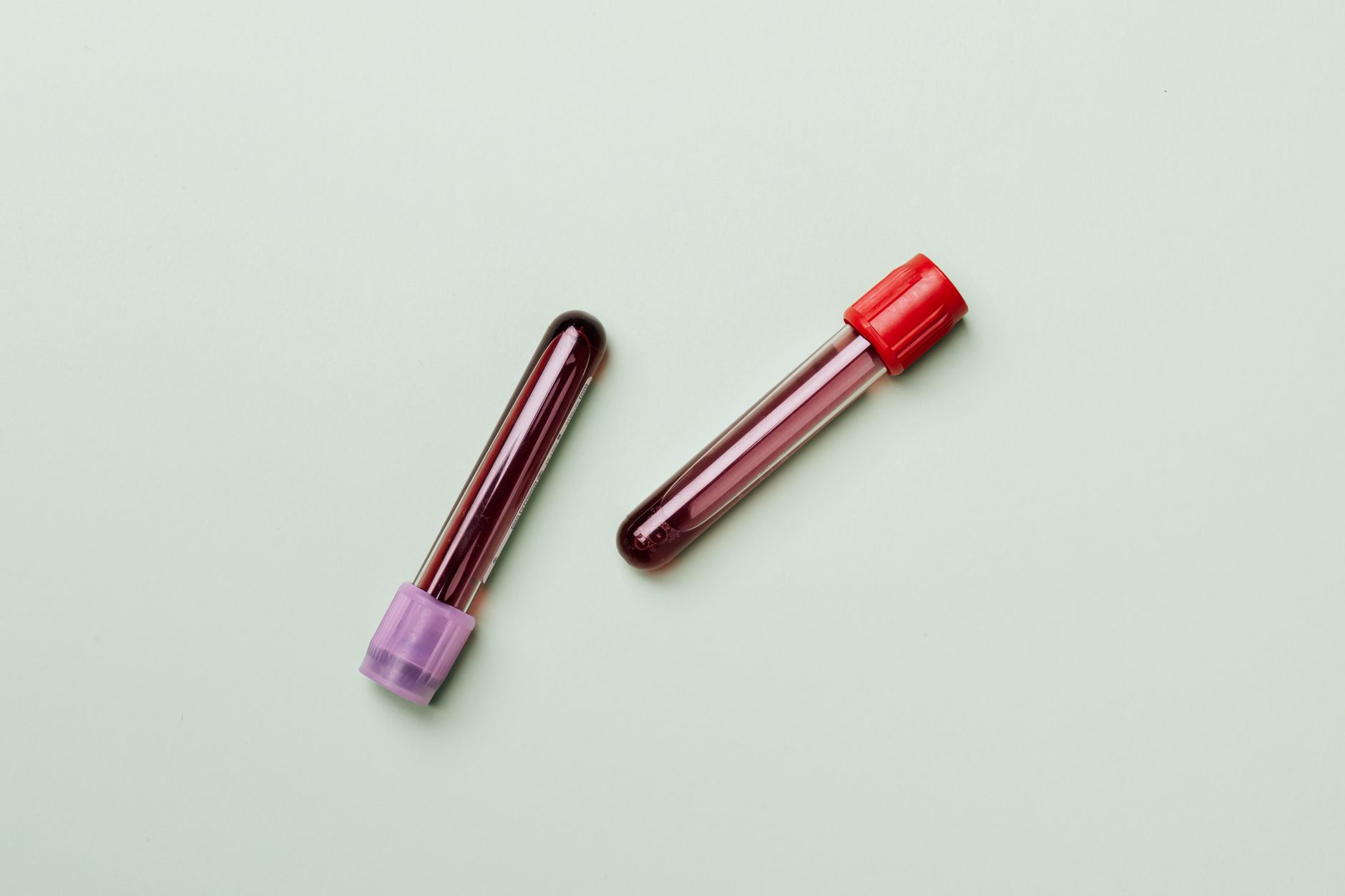
How should racks and tubes be presented?
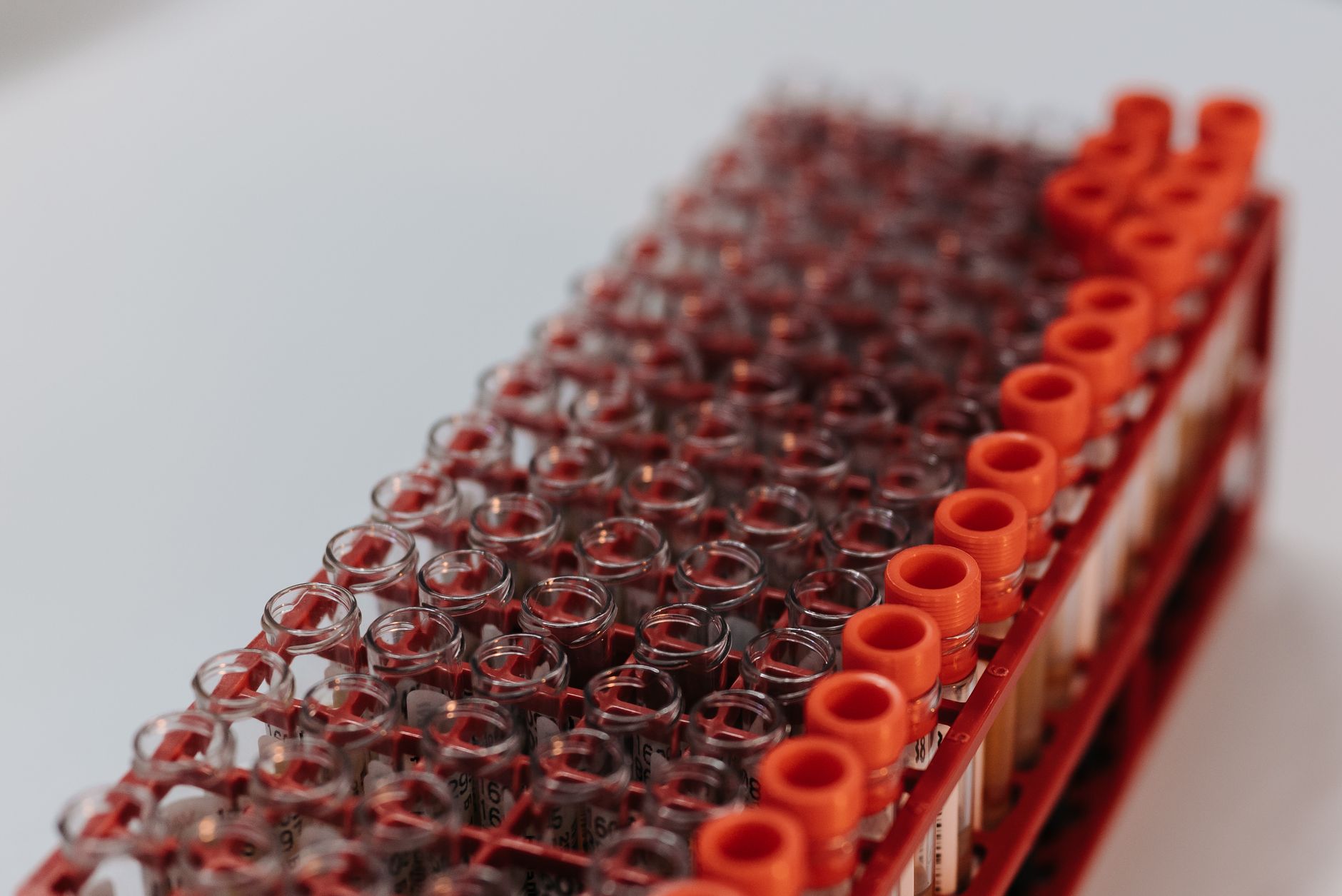
Rack-based workflows need mechanical datums: feet seated, handle facing aft, barcode window unobstructed. Loose tubes in trays need dividers that prevent rolling during pick. Mixed batches belong in segmented nests, not one open bin.
Cap color and tube type often encode priority in busy labs. Vision can confirm cap color before label apply when your SOP requires it, but keep lighting stable and teach on real racks, not pristine demo tubes.
Keep the human load zone separate from the label apply stroke. Operators drop racks while the arm parks in a safe posture, then interlocks release for the labeling cycle.
- Reject trays with cracked caps or smeared existing labels before they enter the cell.
- Clock insertion mandrels and label peel plates on a wear log tied to lot volume.
- Store backup nests labeled by tube SKU to cut changeover hunting.
What gripper choices survive real tubes?
Soft fingertips work for empty draw tubes; rack handles need a wider jaw with controlled force. Grease from gloves and alcohol residue change friction more than spec sheets admit. Run a gripper validation on the smallest and largest tubes you accept, plus racks loaded to your heaviest SOP weight.
Force-limited collaborative modes help when a tube binds in a nest, but they do not remove the need for mechanical relief features. A slight taper in the nest beats fighting a stuck tube with repeated closes.
Swap tools on a quick-change plate when day shift runs serum racks and night shift runs pediatric microtubes. Document torque and finger sets in the same work instruction as your manual bench setup.
How do you validate without bypassing CLIA expectations?
CLIA rules require written policies for specimen labeling, including patient name or unique identifier and specimen source when appropriate. Your cobot validation packet should map each automated step to those policies and show how the LIS remains the source of truth for identifiers.
Run IQ/OQ style tests on label content fields, scan reject behavior, and audit logs. Include deliberate bad scans and mis-oriented tubes to prove the cell halts and flags exceptions instead of silently continuing.
Retain golden rack records the way you retain other preanalytic QC evidence. Surveyors ask how you know the robot version matches the approved SOP revision.
What throughput should planners expect?
Cycle time is rarely limited by print speed alone. Pick, orient, apply, verify, and place each add seconds. Parallel stations or dual-label heads help when accession volume spikes at morning courier drops.
Batch accessioning by rack beats one-off tubes when your LIS can release rack-level work lists. The cobot still verifies each tube, but nesting reduces human interruptions.
Plan maintenance windows for peel plate cleaning and scanner recalibration. Throughput claims from demo day collapse when label adhesive builds on the applicator.
How should humans handle exceptions?
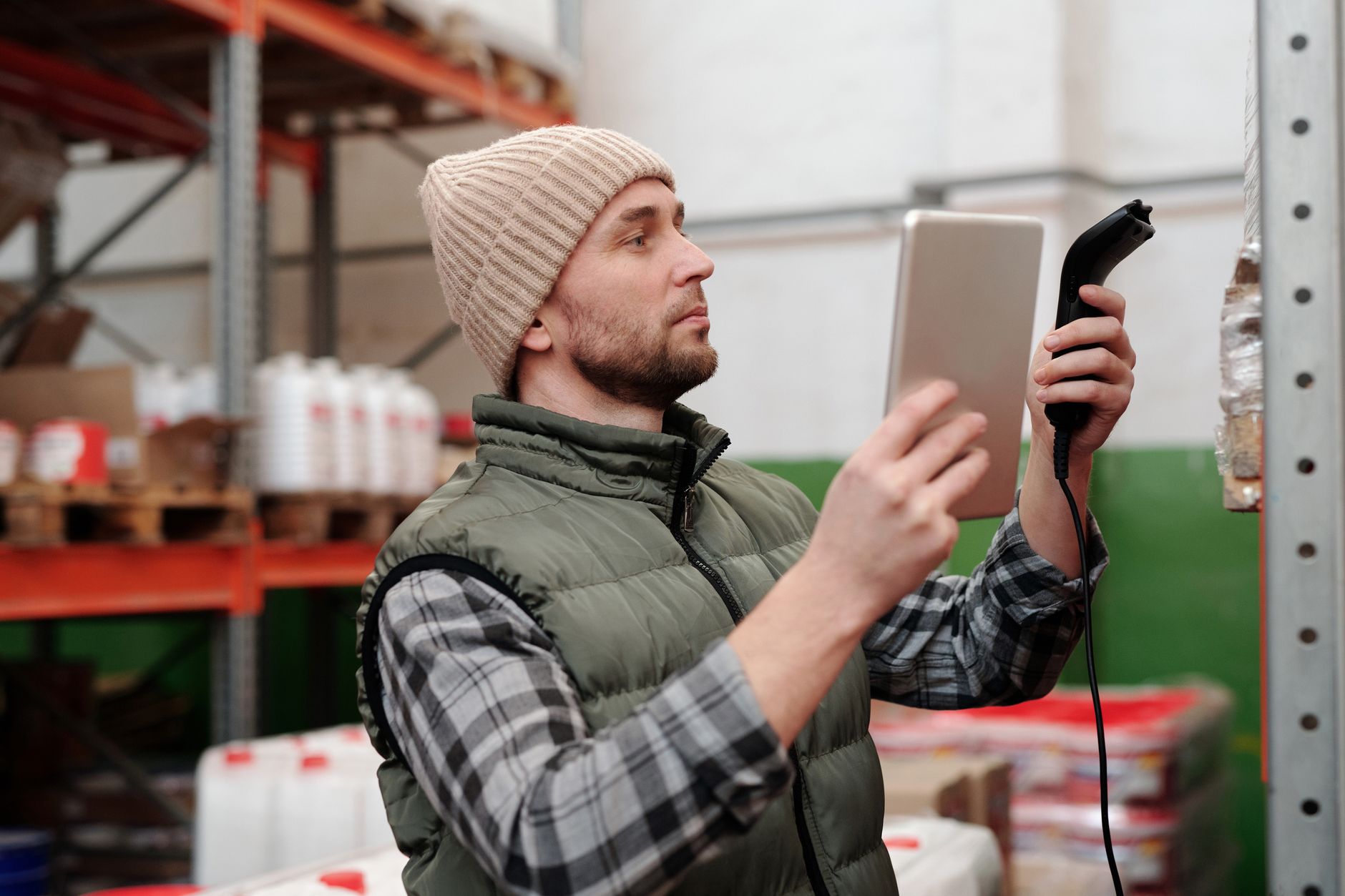
Every failed verify scan should route to a lighted exception bay with the LIS reason code visible. Technologists relabel or reject per SOP; the cobot does not guess at fixes.
Train staff on lockout during jam clears at the applicator. Teach mode stays reduced speed; production parameters lock after first-article sign-off.
Log operator badge scans at exception resolution so investigations tie human actions to lot numbers, not only robot fault codes.
When does manual labeling remain better?
Stat singles with nonstandard containers, research aliquots with handwritten notes, or sites that change tube vendors weekly may not justify a fixed cell yet.
If your bottleneck is courier intake documentation rather than label apply, fix accession workflows before you automate the physical motion.
Pilot on one rack type for a full week of live accession volume before you duplicate cells across shifts.
How can a lab pilot cobot rental on one accession line?
Pick one tube and rack family, run golden parts through three shifts, then one week of production accession. Compare mislabel rejects and rescan rates against the manual bench baseline.
Service Robot Co. offers vendor-neutral cobot rental with integration training and nationwide service dispatch so you can prove LIS handshakes and guarding before capital spreads to every intake bench.
Scale only when changeover time, scan fail logs, and supervisor sign-off stay inside the targets you set on day one.
What should a pre-go-live checklist include?
Overlay ten consecutive verify scans from production labels and confirm decode strings match LIS fields.
Run one rack at the low end of acceptable tube length and one at the high end after any nest polish.
Walk the exception path with a deliberate unreadable label and confirm the LIS blocks release until a technologist disposition.