Key takeaways
- Cabinet cobots pay when the same SKUs cycle hourly and walks to storage steal machine tending time.
- Location accuracy and inventory confirmation matter more than raw pick speed at the opening.
- Tote interfaces and tray geometry must match the cabinet, not only the arm reach chart.
- Access safety interlocks beat optimistic timing when drawers or lifts move.
- Mismatch recovery procedures belong in the runbook before unattended shifts start.
Why put a cobot on an automated storage cabinet?
Automated storage cabinets and vertical lift modules shrink floor space, but someone still has to place and retrieve bins at the opening. On a busy cell that handoff becomes a full time walk.
A collaborative arm at the cabinet face can load standardized totes, confirm pick faces, and present parts to a bench or conveyor when SKUs repeat through the day. It is a weak fit when every pick is a one-off prototype part with no fixed footprint.
According to the Association for Advancing Automation, North American companies ordered 2,774 collaborative robots in the first half of 2026, about 15.4 percent of all robot units ordered in that period. Many of those cells sit beside storage hardware rather than on high-speed packaging lines.
The practical question is whether cabinet access time caps your cell output. If operators wait on drawers more than on cycle start, a cobot at the opening is worth modeling first.
What makes cabinet loading different from bench pick and place?
The cabinet owns vertical motion. The robot owns horizontal presentation, grip, and handoff. If those two controllers disagree on ready state, you get crashes or phantom picks.
Bins arrive at the opening with slight skew. A program tuned on perfect trays will miss on Monday morning after a rough forklift unload.
Weight and center of gravity change by SKU. A gripper that holds empty totes may slip on a full one unless force and support are recipe-driven.
Throughput is bounded by drawer cycle time as much as arm speed. Automating the last meter does not shorten a slow lift if the bottleneck stays inside the cabinet.
How tight must location accuracy be at the opening?
Most cabinet interfaces specify a window for tray position at the access port. The cobot approach path must respect that window on every cycle, not only after teach.
Use mechanical lead-ins or compliant tooling before you chase sub-millimeter vision on every pick. Vision still helps confirm tray ID and empty slot state.
Re-teach when maintenance swaps a roller or adjusts a door. Small mechanical drift shows up as pick faults before it shows up in inventory reports.
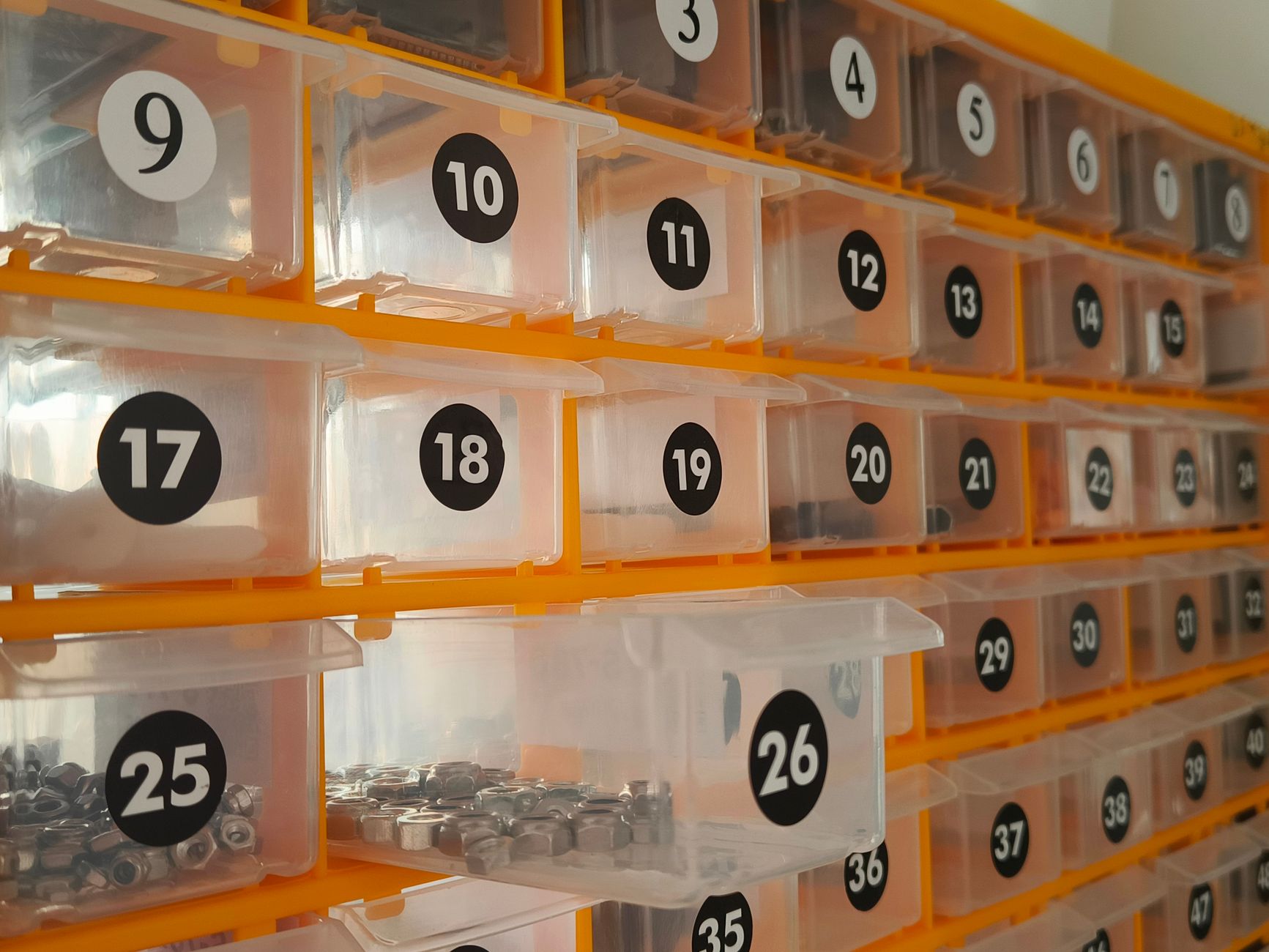
- Record cabinet port coordinates per machine ID, not one global frame.
- Verify tray seated sensors before the arm enters the envelope.
- Log pick faults by bin address to spot worn openings early.
How should inventory confirmation tie to each move?
Every retrieve should echo a bin location and quantity back to your inventory record or machine PLC. Silent picks are how ghost stock appears.
Weight check at the handoff catches short picks when the part count matters. Barcode or RFID on the tote catches swaps when variety mixes in one cabinet.
Mismatch handling should halt the cell and notify a lead, not auto-adjust inventory to match the fault.

What tote and tray interfaces need upfront agreement?
Standardize tote outer dimensions before you standardize gripper fingers. Cabinets and cobots meet at the tote, not at the part.
Finger clearance must fit the cabinet lip and any interlock gate. A gripper that works at the bench may not retract enough to clear a closing shutter.
If totes return from the floor dirty or bent, budget a inspection lane or reject chute. The cabinet will not fix bad inputs.
Where do access safety rules matter most?
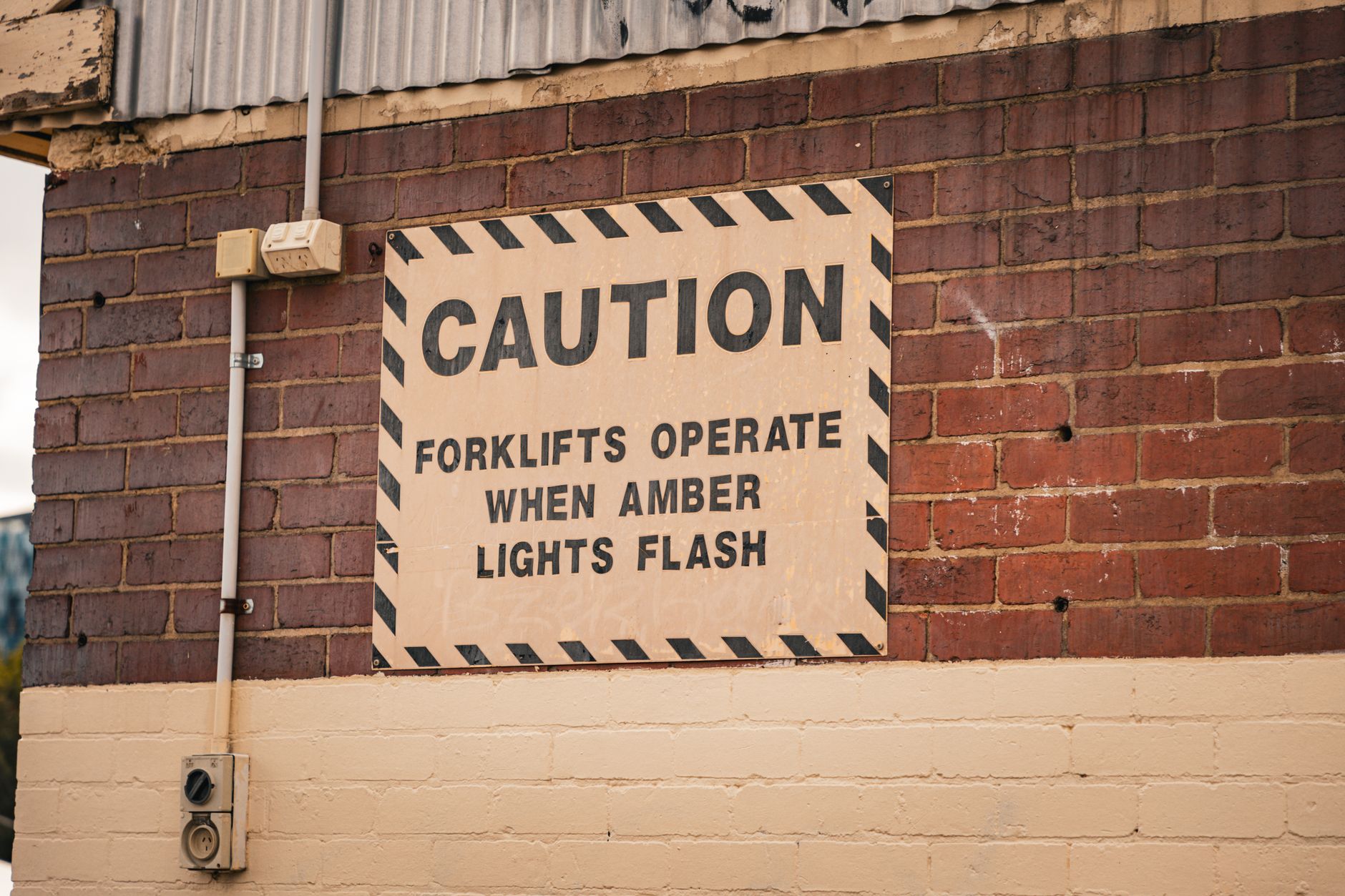
Drawers, lifts, and shuttle doors need hard interlocks so the arm never enters while the cabinet moves. Light curtains or area scanners may supplement, but the cabinet permissive should win.
Teach pendants and maintenance keys need lockout steps your team already uses on the cabinet OEM manual.
Recovery after an estop requires a defined sequence: cabinet home, arm home, inventory reconcile, then restart.
How do you recover from mismatches without corrupting stock?
Define mismatch types: empty bin, wrong bin, short count, double pick, cabinet fault. Each gets a different human path.
Keep a manual retrieve procedure that bypasses the cobot but still scans the location. Operators reach for it on day one if integration is rushed.
Log photos or weight traces for recurring mismatches so you can tell grip slip from bad master data.
What labor and injury context frames the case?
U.S. Bureau of Labor Statistics 2024 data show manufacturing at 2.7 total recordable cases per 100 full-time workers, with 1.7 cases involving days away, restriction, or transfer. Fabricated metal product manufacturing recorded 3.4 total recordable cases per 100 workers in the same table.
Repeated reaches into cabinet openings add shoulder and back load even when the plant injury rate looks moderate. Cobots remove the steady bend-and-lift, not the need for a lead who owns inventory truth.
When hiring stays tight, automating the cabinet face often frees one person for setup and exception handling rather than for walking storage.
How do you coordinate with the cabinet controller?
Map signals in one table during integration: port ready, tray present, pick complete, fault, and estop.
Avoid parallel timers that guess drawer settle time. Use the cabinet done bit plus a small fixed dwell only if OEM docs allow it.
If your ERP or MES issues pick orders, agree on timeout behavior when the cabinet is busy on another port request.
When does changeover still belong to people?
New tote sizes, new bin addresses, or new quality checks stay human-led with a signed first article. The cobot recalls validated recipes.
Document grip force, approach angle, and retreat distance per SKU family. Without that, every engineering change order becomes a week of tuning.
Keep manual retrieve for engineering samples while production runs the daily set.
Where does a full-service integrator fit the first cell?
Cabinet cells sit between OEM storage software, floor layout, and safety rules your insurer already asks about. Service Robot Co. works as a vendor neutral commercial robot integrator for U.S. plants. We match arms, grippers, and interfaces to your cabinet signals, then finance, deploy, train, and service through a nationwide engineer network.
Collaborative robot arm rental with maintenance included can carry one cabinet lane through a launch window on operating budget before you commit capital to a second opening. One partner number covers interlocks, inventory hooks, and the monthly service plan after go live.