Key takeaways
- Cobots earn their place on repeated rack loads at conveyor or flight-type dish machines, not on one-off pot washing.
- NSF-style capacity math already assumes 30 seconds per rack for loading and unloading, so labor at the mouth of the line sets the real hourly throughput.
- Wet gloves, curved plates, and mixed heights demand grippers and nests tested on your actual ware, not a demo tray.
- Sanitation rules still require human judgment on soil sorting, chemical safety, and broken-glass response.
- A vendor-neutral cobot rental pilot can prove cycle time and breakage data before you expand to a second shift.
Where can cobots actually help on a commercial dish line?
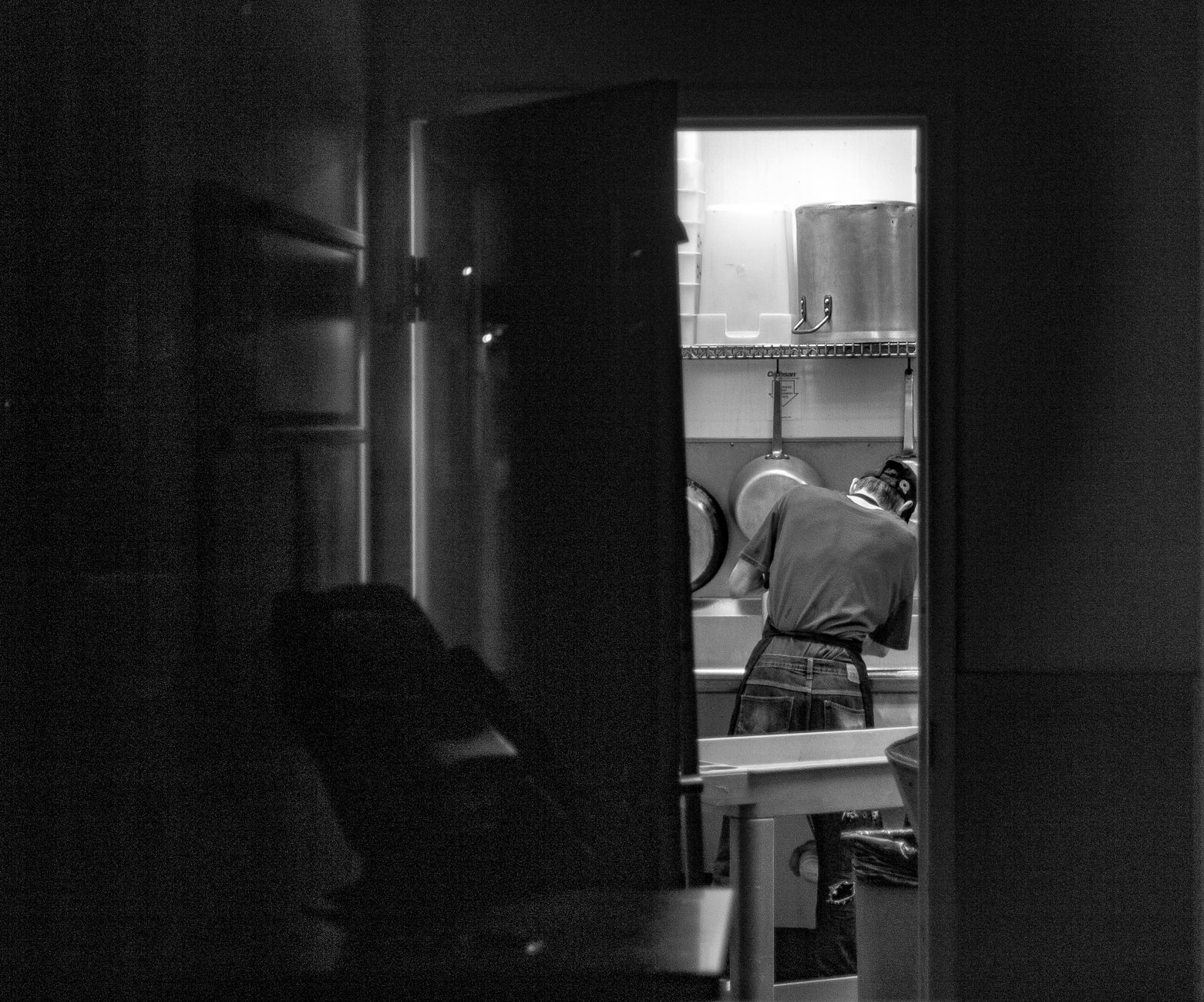
High-volume dish rooms bottleneck at the machine mouth, not inside the wash chamber. Someone must build racks, orient concave items so water drains, keep pegs matched to tray size, and push loads onto a conveyor or lift without jamming the carrier.
A collaborative robot arm fits when the same rack types, peg patterns, and soil mix repeat across lunch and dinner rushes. It is a poor fit when every day brings a new banquet tray geometry or constant one-off pot scrubbing.
Think of the cobot as a steady loader that keeps the dishmachine fed while people handle exceptions, not as a replacement for the entire stewarding team.
Why does rack math matter before you automate?
Foodservice equipment guides often cite a two-minute machine cycle and warn that real hourly rack counts are lower than simple division suggests. NSF-style capacity calculations add about 30 seconds per rack to account for loading and unloading, which turns a nominal 30-racks-per-hour figure into about 24 on the same cycle time.
That loading interval is exactly where cobots compete. Shaving even part of the manual fumble at the rail changes how many covers you can push through without adding a second dishmachine.
Measure your current racks per hour during peak and during the late shift slump. Automate against that spread, not against brochure specs.
How do wet grip and mixed ware change gripper design?
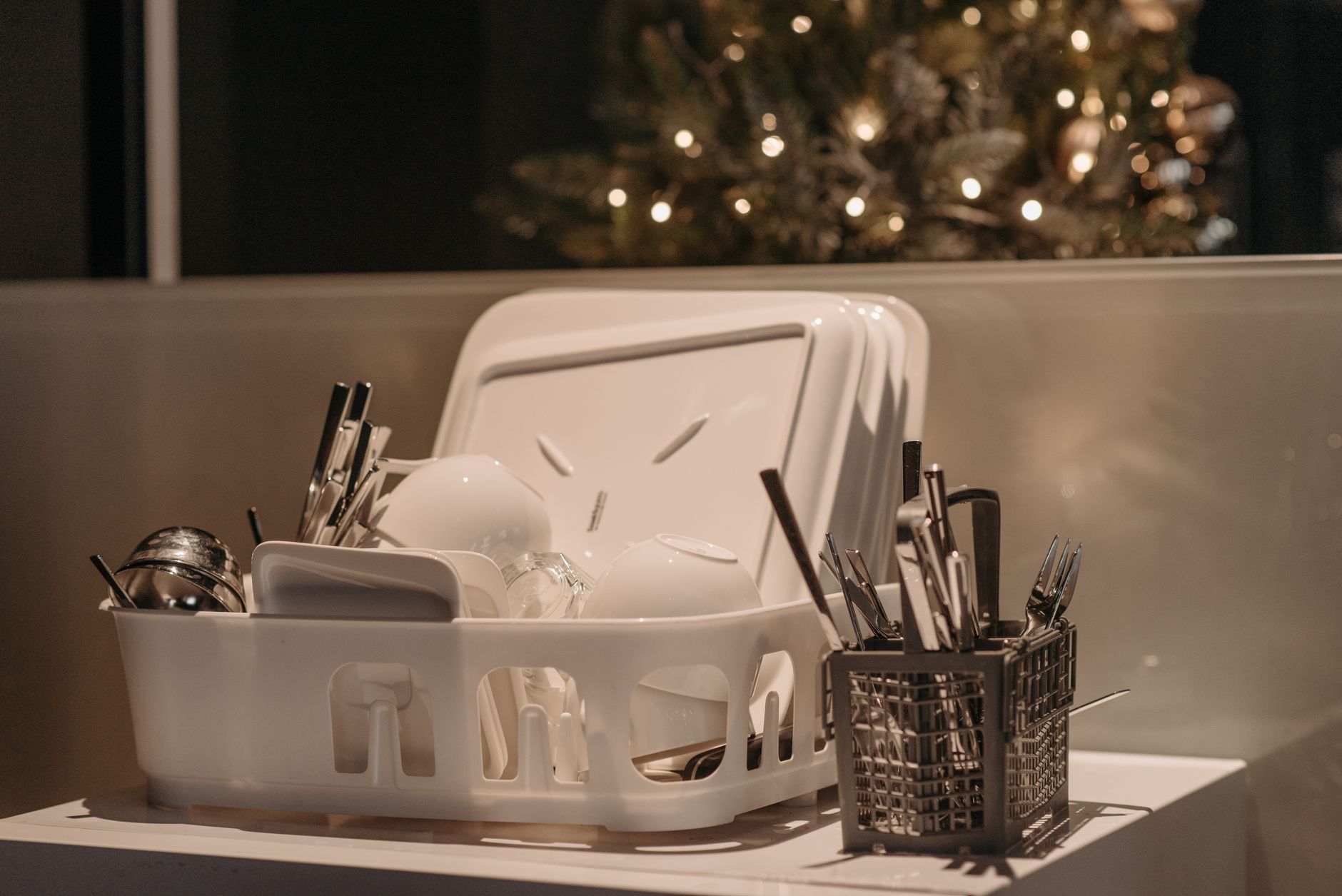
Dish room air is hot, humid, and greasy. Gloves slip. Water sheets off melamine and pools in bowl rims. A vacuum cup that works on dry demo plates may drop a stack of soup bowls after the first pass.
Most cells combine a mechanical nest that registers the rack with a compliant grip on the rack frame, not on every plate edge. Some sites pick individual ware only when weight and shape are uniform, such as hotel banquet plates of one size.
Run soak tests with your sanitizer line chemistry and your actual rubber mat grit. Change finger pressure limits after you see how much foam builds at the pre-rinse.
- Register the rack in a fixed nest before lift
- Prefer frame grips over rim grabs on mixed loads
- Test with wet gloves and fresh sanitizer foam
- Keep a manual bypass lane for odd-shaped serving pieces
What breaks, and how do you keep glass out of the machine?
Breakage cost is not only replacement china. A shard in the wash tank triggers shutdown, drain, and re-wash protocols while the line backs into the kitchen.
Cobots reduce random drops when motion paths are fixed, but they do not eliminate chipping if racks are overloaded or pegs are wrong. Vision checks before push-in can flag obvious gaps or tipped cups.
Train the cell to stop on any crash sensor spike. Stewards still own glass pickup, disposal, and the log entry your health department expects.
How does pace variation across meal periods affect programming?
Campus dining, hospital cafeterias, and casino employee dining see brutal peaks and dead zones. A robot programmed for lunch volume will look idle at 3 p.m. unless recipes switch quickly.
Store separate routines for peak build, steady state, and breakdown. Peak mode may only orient and stage racks for a person to final-check. Steady mode can run the full load cycle because QA has time to spot-check.
Tie robot start to dishmachine ready signals so you are not pushing racks into a unit mid-cycle or while doors are locked out.
What sanitation and safety work must stay human?
Health codes still expect trained staff to sort heavily soiled items, handle chemical storage, and respond to temperature or pressure alarms on the machine itself. Robots should not bypass a pre-rinse decision when pots arrive with baked-on starch.
BLS employment data shows hundreds of thousands of dishwasher and kitchen helper roles nationally, with the largest shares in restaurants and special food services. Automation targets repetitive rack motion, not the full occupation.
Document who signs off on allergen separation when shared ware moves between concepts in a multi-unit kitchen. Cobots do not remove that sign-off.

What labor and injury context makes the case honest?
ONET and BLS projections list about 477,700 dishwasher jobs in 2024, with roughly four-fifths in food services and drinking places. May 2023 national OEWS figures show a mean wage near $15.22 per hour for the occupation.
The point is not to quote headcount as a threat. It is to show that dish rooms already run thin, and the repetitive rack lift is the piece most worth removing when hiring stays hard.
Pair any cobot cell with a written plan for redeploying saved minutes toward pot wash, floor care, or closing checklists so the team sees gain, not replacement.
How should you pilot cobot loading without stalling the dish room?
Start on one machine, one rack family, and one shift lead who will tolerate iteration. Film baseline loads for an hour at peak. Count jams, re-orients, and broken pieces before the robot arrives.
Service Robot Co. integrates vendor-neutral arms with your existing conveyor height, floor drain layout, and machine interlocks. Cobot rental on a monthly program with maintenance included lets you run through a full seasonal menu cycle before capital commits.
Success looks like stable racks per hour, fewer jam stops, and no rise in re-wash events. If breakage or chemical splash incidents tick up, slow the arm and fix guarding before you chase speed.