Key takeaways
- Chamber loading cobots pay back when the same tray geometry repeats but operators lose time waiting on soak cycles and door safety.
- Fixture design and sample identity matter more than raw cycle speed when one misloaded unit ruins a batch.
- Hot and cold exposure changes gripper compliance, label readability, and what gloves operators can wear at teach.
- Door interlocks and chamber timing must stay in the OEM safety chain, never wired around for seconds saved.
- A vendor neutral integrator can pilot one chamber lane before you expand cobot rental across a burn-in row.
When does a cobot belong at an environmental test chamber?
Environmental labs run temperature, humidity, vibration, and aging profiles that can last hours while technicians queue the next load. Manual loading works until throughput depends on someone standing at a hot door between every cycle.
Collaborative robot arms fit when samples arrive in a repeatable tray or basket and the chamber presents a consistent load plane inside the interlock envelope. The cobot can place units, close fixtures, and signal start when the chamber reports ready. It does not replace your test specification or the engineer who owns pass fail limits.
Cobots are a weak default on one-off prototypes with odd shapes or chambers that need human wiring inside the volume. They earn hours on production validation, automotive modules, electronics burn-in, and medical device aging where the same SKU runs for weeks.
Why is sample identity harder than moving the part?
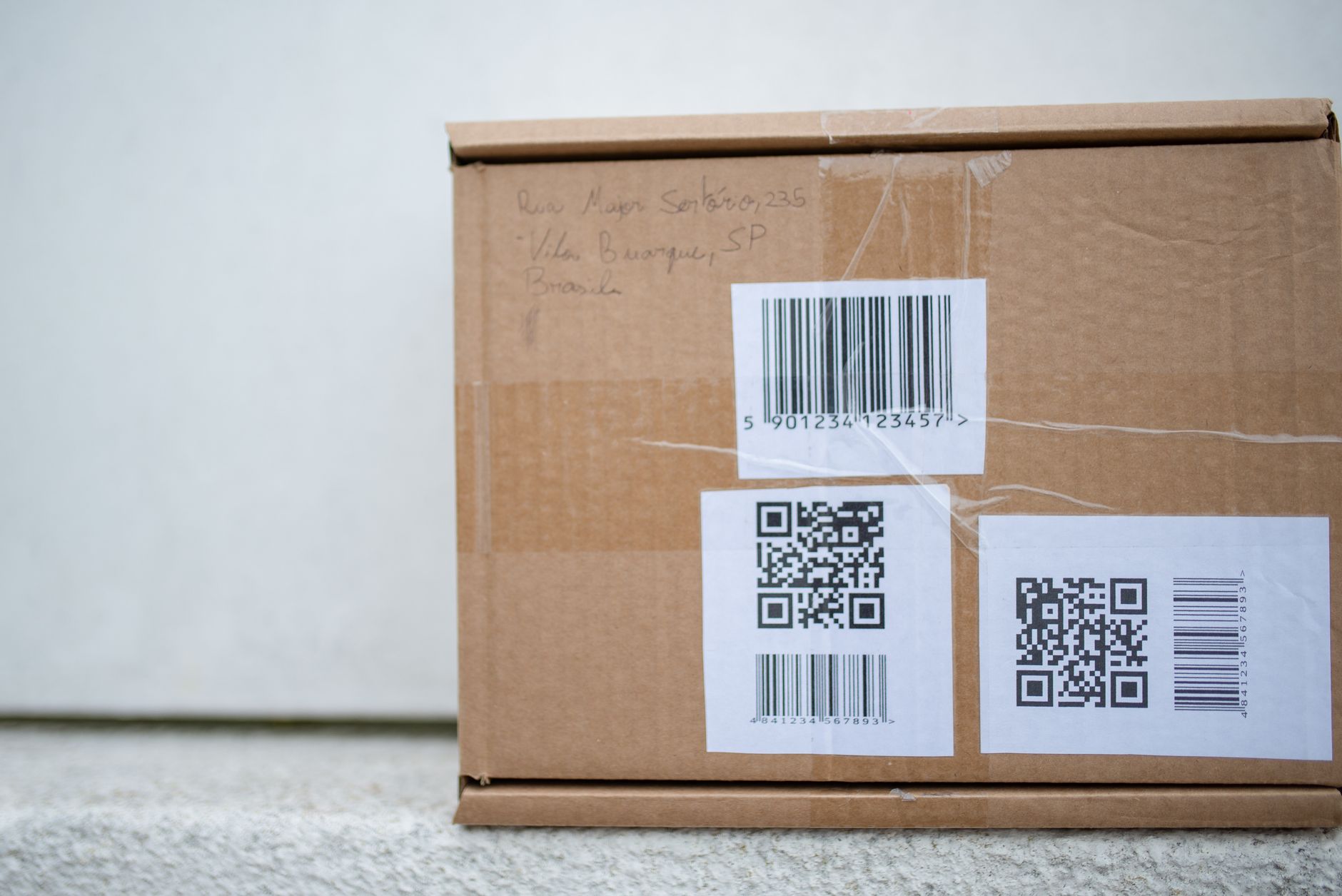
A tray can look full while one serial sits in the wrong slot, voiding a 72 hour profile. Bar codes smear after cold exposure. Adhesive labels curl in humidity cycles unless your supplier approved them for the chamber range.
According to the U.S. Bureau of Labor Statistics, manufacturing reported 355,800 total recordable injury and illness cases in 2023, with 224,400 cases involving days away, restriction, or transfer. Test and lab handling still contributes through burns, strains, and repetitive reaches at chamber doors.
Automation works when load maps tie fixture position to test program ID before the door closes. Letting the arm guess on identity is how you automate the wrong failure mode.
How should fixtures handle hot, cold, and vibration profiles?
Fixtures should locate samples the same way at minus forty and plus one hundred twenty as they do at room temperature, within the expansion your product team allows. Teach picks on cold-soaked trays, not only on warm golden units.
Soft nesting beats rigid clamps on plastic housings that creep in heat. Vibration chambers need retention that does not rattle loose mid-profile. Separate load fixtures from chamber interior racks when the OEM requires it.
Drain condensate paths away from electronics on the arm and gripper controls when humidity steps are long.
- Document max dwell with door open for each chamber model.
- Keep a reference tray for daily startup identity checks.
- Log chamber program ID with every robot load event.
What role do door interlocks and timing play?
Chamber OEMs interlock doors, pressure equalization, and sometimes nitrogen purge before motion is allowed. The robot program must wait on those signals, not on a fixed timer copied from another site.
Starting a profile before the shelf reaches setpoint wastes energy and can void results. The cobot should load, confirm chamber ready, then release control to the test sequencer your lab already trusts.
Cobot rental for manufacturing with maintenance included lets you measure true queue time through a full test week on operating budget before capital buys a second arm.
What traceability should the cell record?
Each load should store serial or lot, fixture ID, chamber slot, program name, and operator or robot station ID. When a field return questions a test hour, you need the exact profile and load timestamp.
Failed vacuum or mis-pick events should route to a quarantine bin with the same ID chain. Lab managers read those logs more than they read robot joint temperatures.
How do you validate a pilot without fooling yourself?
Run side by side with manual loading on the same SKUs for at least one full chamber queue cycle, including an overnight soak. Track door-open time, misloads, and aborted profiles separately. A robot that never misloads but adds minutes to equalization may not survive.
Include a deliberate wrong-slot tray in the daily startup check. If the cell cannot reject it on the first shift, do not trust it on the tenth.
When does outside integration beat adding another technician at the door?
Labs often add a second shift hand before they fix tray design or standardize chamber programs. Service Robot Co. acts as a full service commercial robot integrator for U.S. test operations. We are OEM neutral on arms, fixtures, and chamber interfaces, then finance, deploy, integrate, train, and service through a nationwide engineer network.
A first site visit maps chamber types, interlock behavior, and where manual wiring must stay human. One chamber lane with repeatable trays is enough to prove queue time and misload rates before you tie the cell to customer release paperwork.