Key takeaways
- Cut-table cobots pay when spreading and bundle moves wait on hands every ply.
- Flexible fabric needs gentle tension, not brute vacuum on every SKU.
- Static and wrinkles are perception problems before they are motion problems.
- Pattern identity checks belong before transfer, not after the marker is cut.
- Cobot rental for manufacturing can prove laydown on one style family before capital expands.
Why are cutting tables still staffed for every spread in 2026?
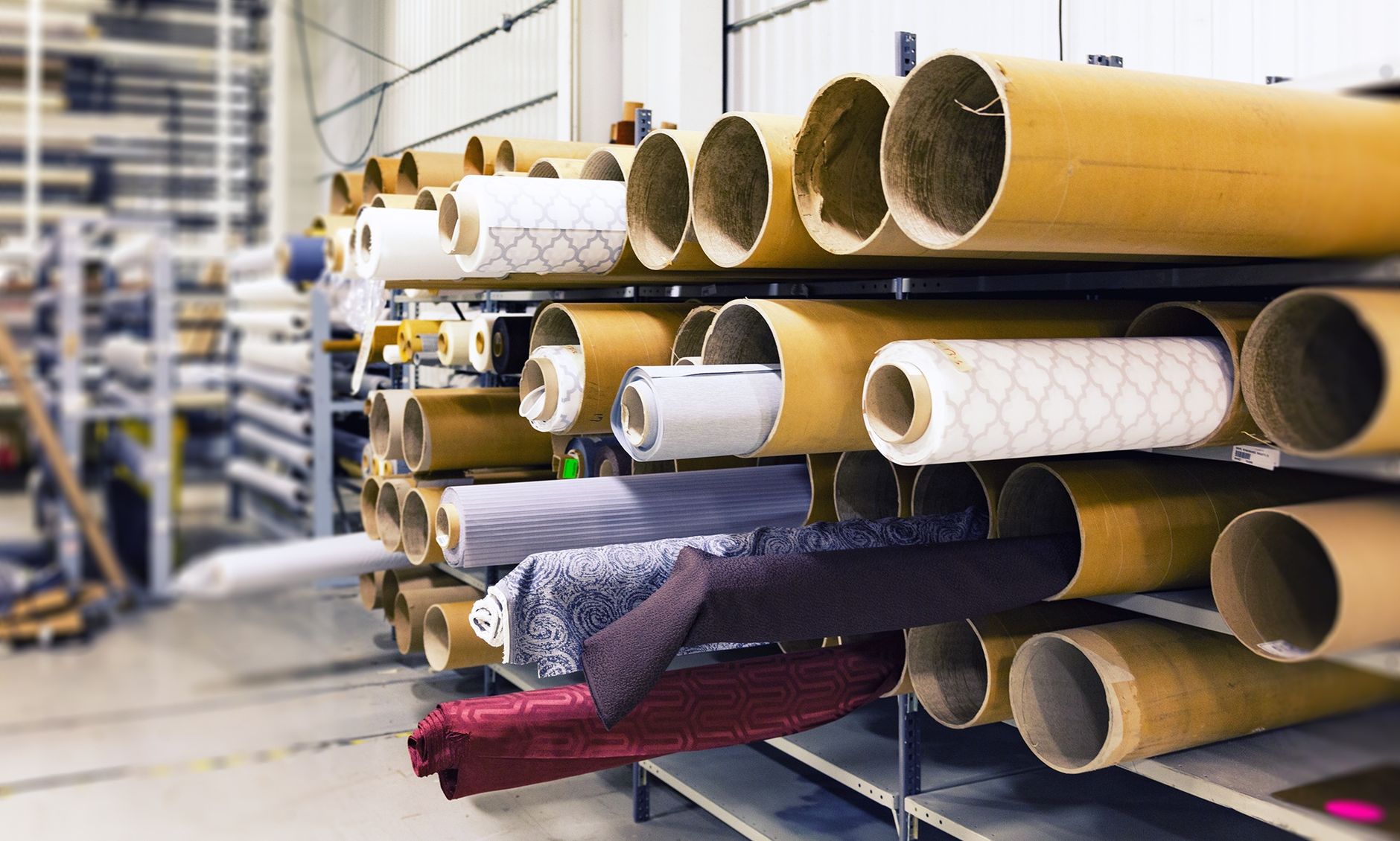
Automated cutters are fast, yet many U.S. cut-and-sew floors still assign people to drag fabric, square plies, and ferry bundles to the sewing bank. The cutter only runs as fast as the table stays fed and aligned.
Collaborative robot arms fit when the same fabric types and ply counts return daily and the bottleneck is spreading or transfer, not one-off sample work. They are a weak default on single-garment couture runs where every lay is unique.
BLS data show cut and sew apparel manufacturing at 2.0 total recordable cases per 100 full-time workers in 2024, with 1.3 cases involving days away, restriction, or transfer. Repetitive reaching across wide tables still adds strain even when the industry rate looks moderate.
What makes fabric harder than rigid parts for a cobot?
Textiles stretch, shear, and hold static charge. A gripper that works on sheet metal will pinch a knit or skew a print so the marker no longer matches the pattern database.
Wrinkles read as harmless until the knife closes and pieces shift. The robot must perceive drape and edge curl, not only center position.
Light colors and subtle prints challenge cameras. Backlight tables and controlled lighting often beat chasing exposure on every roll.
How should spreading and alignment work with a cobot partner?
Spreading may stay on a dedicated machine while the cobot handles ply alignment, corner tension, and handoff to the cutter bed. Splitting tasks keeps the arm out of the highest pinch zones.
Edge sensors or vision can verify selvage parallel to the table lip before the spread completes. A small skew at the head becomes a ruined stack at the tail.
Human operators still own marker changes and first-article checks. The cobot recalls validated spread parameters per style code.
- Define max ply count per recipe before the cell runs unattended.
- Stop on detected double fold before the cutter indexes.
- Keep a manual spread lane for short runs under your changeover threshold.
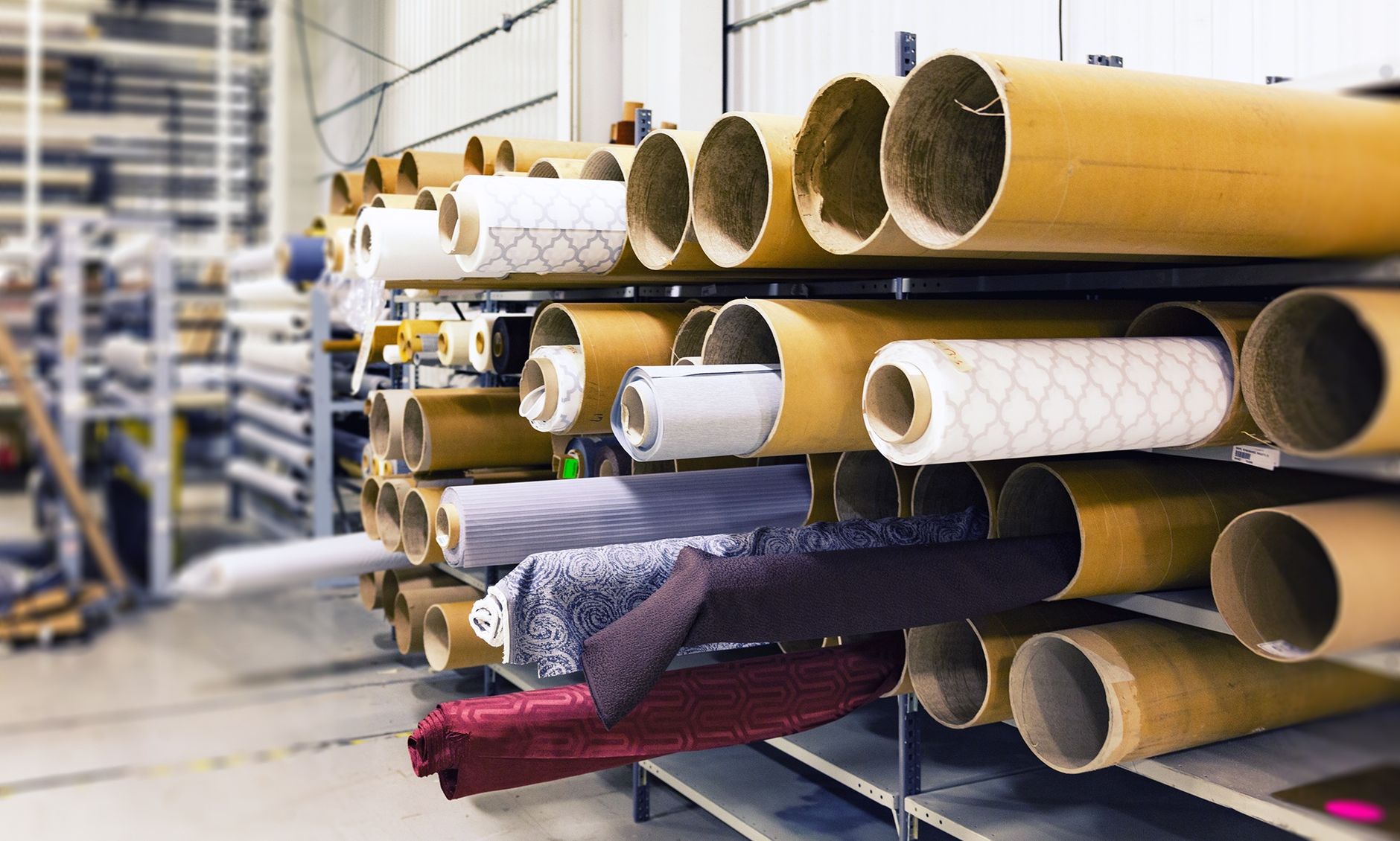
Where do static charge and humidity matter?
Dry winter air makes lightweight synthetics cling to arms and tables. Ion bars, grounded fixtures, and humidity bands your quality team accepts belong in the cell layout.
Operators often wipe static with habit. Robots need either controlled environment or a pause when sensors flag cling before pick.
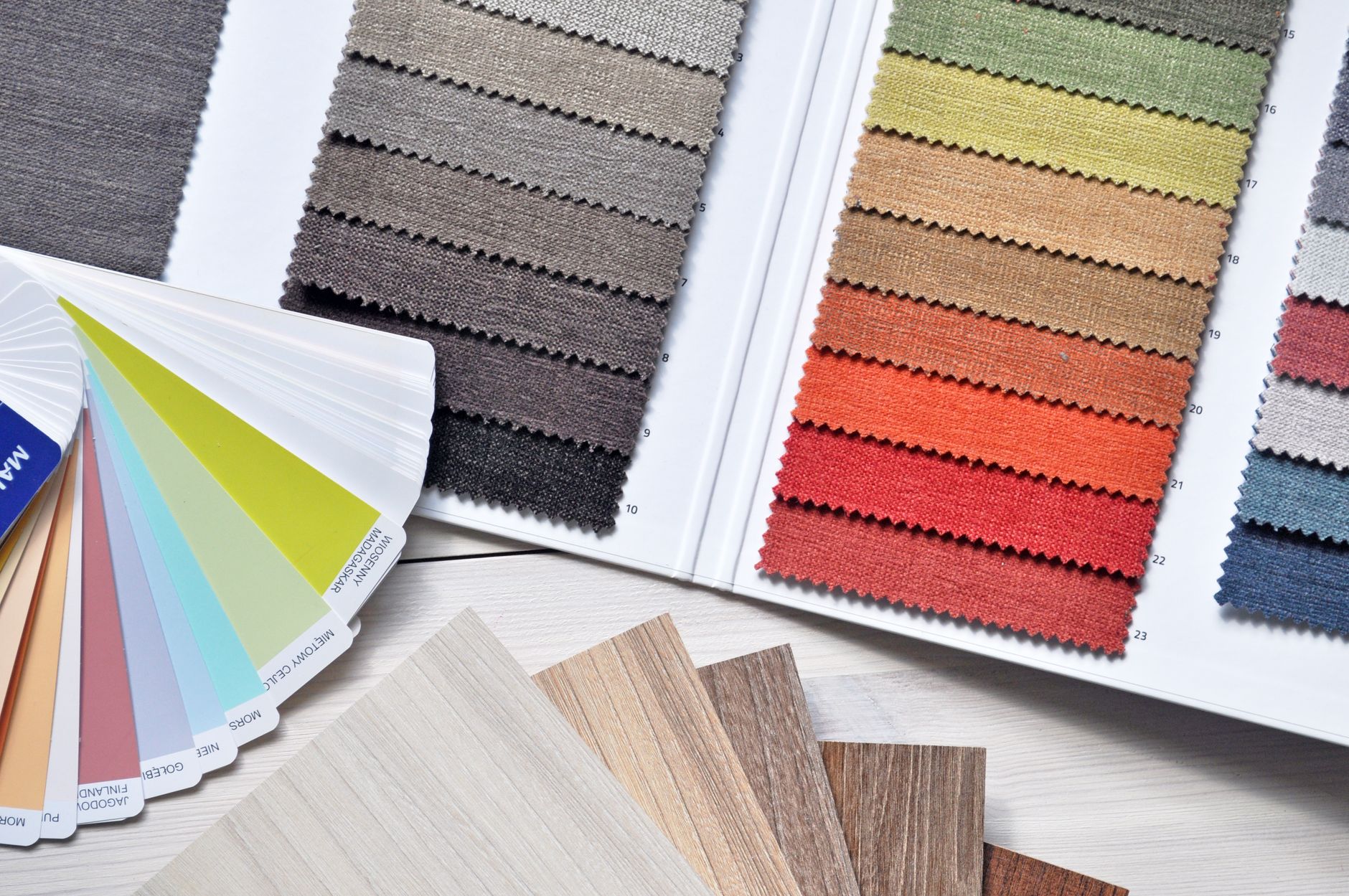
Natural fibers behave differently from coated technical textiles. Recipe libraries should tag material class, not only style number.
How do you track pattern identity before cut bundles move?
Barcode or RFID on the lay ticket should tie to the active marker file. Transfer to sewing should hard stop on mismatch.
Vision can read printed pattern repeats on plaids and stripes to catch swapped rolls. It adds cycle time but pays when mixed bundles already trigger rework downstream.
Bundle ties and labels applied at the table save arguments at the sewing line about which ply belongs to which PO.
What ergonomic gains are realistic?
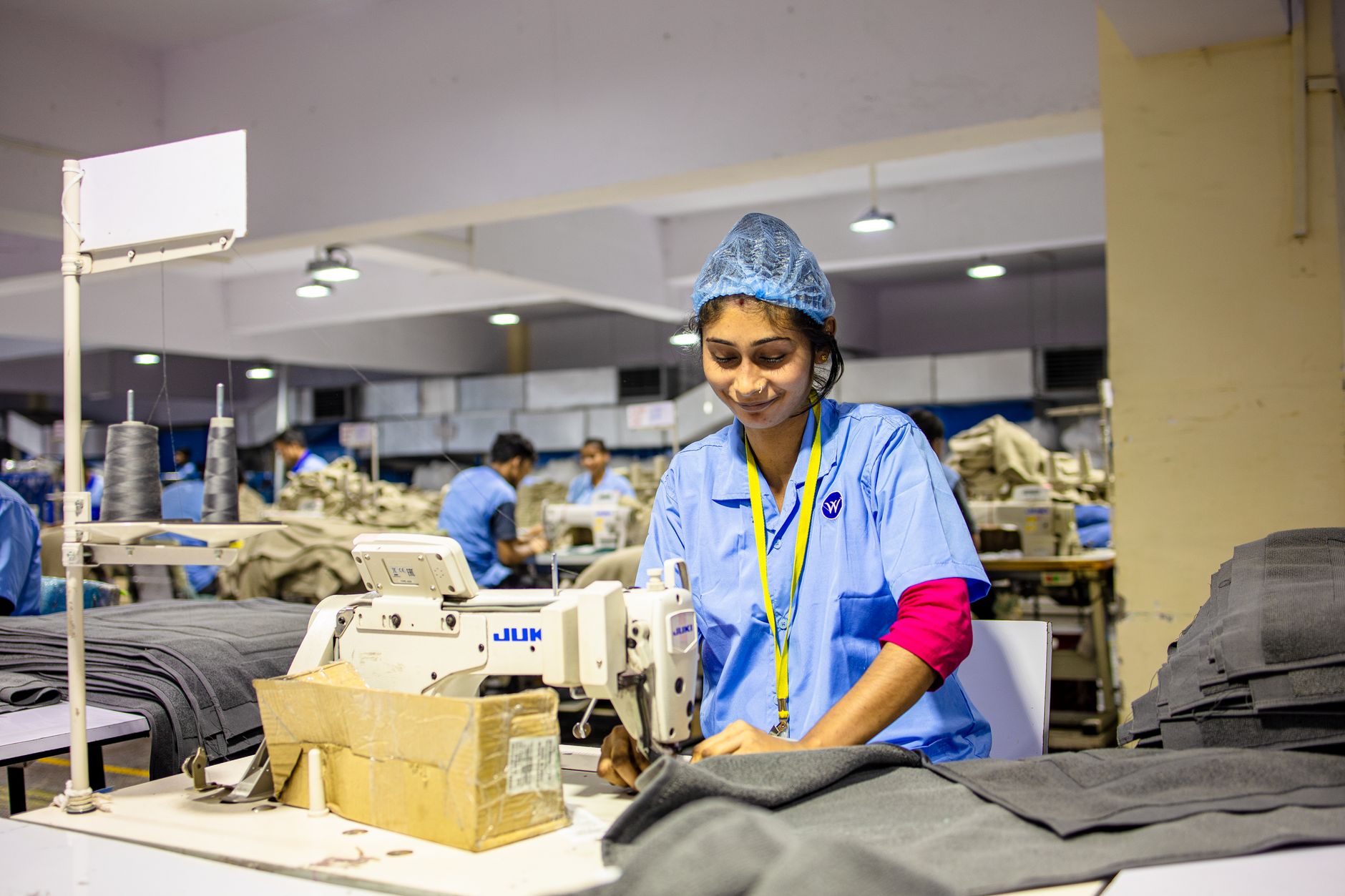
The win is removing repeated reaches across six-foot tables and lifts of heavy plies, not eliminating the spreader role entirely.
According to BLS, textile mills recorded 2.5 total recordable cases per 100 workers in 2024. Cut rooms share similar motions on ply handling even when NAICS codes differ.
Cobots let experienced cutters focus on exceptions, marker verification, and fabric flaws the sensors miss.
How do exceptions stay human-led?
Stains, shade lots, and damaged rolls should route to a quarantine lane without the arm attempting to spread bad goods.
Short runs and development samples often stay manual while the cell runs core replenishment styles.
Document who approves recipe edits when purchasing swaps mill or width.
How do you pilot without fooling the ROI math?
Pick one style family with stable ply counts and measure table idle time, mis-cut callbacks, and shoulder strain reports before and after.
Include a deliberate mis-tagged lay ticket in daily startup. If the cell transfers anyway, fix logic before peak season.
Track bundles per hour and rework minutes separately. Speed without alignment quality is not a win.
Where does a full-service integrator fit the first cell?
Cut rooms mix legacy tables, varied markers, and floor space that was never designed for an unwind stand beside the arm. Service Robot Co. works as a vendor neutral commercial robot integrator for U.S. apparel and textile plants. We match arms, grippers, and vision to your spread and cut workflow, then finance, deploy, train, and service through a nationwide engineer network.
Collaborative robot arm rental with maintenance included can carry one table through a seasonal style peak on operating budget before you commit capital to a second line. One partner number covers mapping, recipes, and the monthly service plan after go live.