Key takeaways
- Direct glass-to-glass contact under vibration causes scratches and coating marks even when stacks look stable.
- Separator placement controls weight distribution, not just keeping panes apart.
- Variable kit contents need recipe-driven picks with barcode verification before the box closes.
- Force-limited cobots with soft tooling beat rigid automation when sample sizes and coatings change daily.
- Broken-piece handling belongs in a written SOP with photo logging, not improvised sweeps at the pack bench.
Why automate architectural sample packing at all?
Architectural glass and tile sample programs ship small, high-value pieces that must arrive scratch-free and kit-complete. A dealer or manufacturer fulfillment bench mixes coated glass chips, tile corners, literature, and separators in one carton. Manual packing works until volume spikes or headcount thins, then corners get skipped and separators end up uneven.
Collaborative robot arms fit that lane because kits change size and fragility faster than a hard-fixed picker can tolerate. A cobot rental for manufacturing lets you test gentle handling on your actual samples before you commit capital. The goal is not speed records. It is repeatable scratch prevention and barcode-verified completeness on every outbound kit.
What damage modes matter on coated glass samples?
Interleaving exists because bare glass surfaces that touch under pressure and vibration behave like sandpaper pairs. Industry packaging guides describe scratches, stains, and edge chips when separation material is missing or dirty. Coated low-emissivity and specialty surfaces add coating scuffs and optical defects from tiny relative motion in transit.
Patent literature on long-distance glass sheet shipping notes wormtrack defects with thin wiggling patterns on the order of 100 micrometers, plus linear scratches and abrasion patterns that may worsen after downstream heat treating. Sample chips face the same physics in miniature when cartons bounce on parcel networks.
Tile samples bring chip corners and glaze scuffs if dividers shift. Glass and tile in one kit need separate tooling paths or dedicated fixtures so a tile corner never kisses a coated glass face.

How should separators and interleaving be placed?

Separators do two jobs: keep surfaces apart and spread weight so edge stress stays low. Professional packing commentary on architectural glass emphasizes that separator position affects pressure distribution, not only separation. For sample kits, that means every glass piece gets full-coverage interleaving sized to the pane, not a corner tab that leaves two faces free to rub.
Packaging material guides recommend kraft or white interleaving paper for general float glass, with embossed or copy-grade paper for thin or coated faces where friction risk is higher. Powder, cork pads, and polyethylene film appear in export crating for large panels; sample lines often scale those ideas down to chip-size sheets and foam inserts.
A cobot can place separators from a magazine with vision check that the sheet covers the full footprint before the glass lands. Missing separator should hard-stop the recipe and alert QC, not continue because the operator is rushing a cutoff shipment.
What grip and force strategy protects fragile faces?
Vacuum cups on coated glass need compliant skirts and low vacuum ramp so the pick does not flex the chip. Edge grips suit tile and thick lites where suction is risky. Force-limited collaborative modes let the arm stall safely if a sample is mis-seated in the nest.
Tooling should avoid bare metal on coated sides. Soft pads or dedicated non-marking contacts belong in the tool design sheet. Cycle time targets stay secondary to maximum allowable compression and tilt during the transfer.
Teach points should include a slow final approach and a short dwell so separators stay aligned. Jerky vertical drops are how corner chips start even when the grip never slipped.
How do variable kits and barcode verification fit?
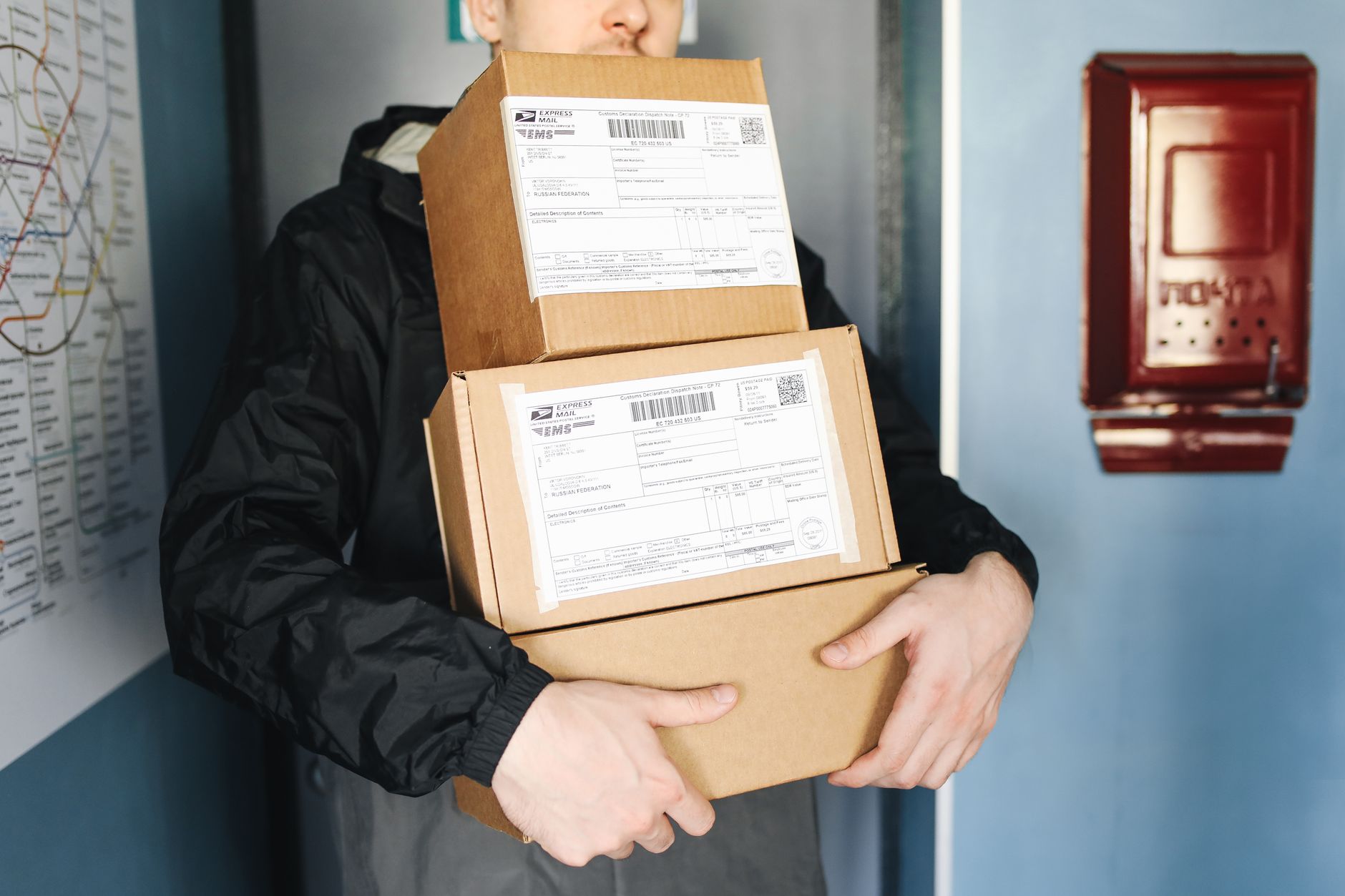
Architect and dealer kits rarely ship the same SKU twice. One order adds a new low-emissivity chip, another swaps tile series, a third adds hardware literature. Recipe software should list each pick, separator, wrap step, and void fill in sequence with a barcode scan gate before the carton seals.
Scan the sample ID, the literature sleeve, and the ship label so mismatches fail loud. Photo logging of the top layer before closure gives customer service evidence when a carrier claims concealed damage.
When kits include mixed vendors, treat each fragile line as its own sub-recipe inside the master job. That keeps separator rules attached to the glass picks even when tile picks change length.
What is the safe broken-piece protocol?
Broken glass in a sample shop is a certainty, not an exception. The SOP should stop the cobot cell, lock out power if needed, and route cleanup through puncture-resistant gloves, designated rigid containers, and logged disposal. Never vacuum loose shards with a shop hose that spreads fines across coated stock.
Quarantine adjacent work in progress until the area is inspected for hidden slivers. Reset fixtures and replace any separator stock that contacted blood or glass dust contamination.
Train every shift on the same steps so night crew does not improvise. Maintenance owns fixture inspection after any break event before recipes restart.
Where do heat, dust, and bench layout matter?
Sample fulfillment often sits near cutting or grinding, so airborne grit lands on interleaving if benches are not separated by airflow or shields. Packaging guides stress that interleaving itself must be clean; otherwise particles trapped between panes scratch under strap vibration.
Humidity matters for long storage before ship. Moisture trapped against glass can stain surfaces in ways polishing cannot fix, a failure mode interleaving papers are designed to mitigate on sea freight and long warehouse holds. Sample rooms with slow turns should store kitted glass in dry racks, not open carts beside wet saws.
Layout the cobot so inbound totes, separator magazines, and outbound cartons flow one direction. Crossing paths with manual cutters raises break and scratch rates even when the robot never errs.
When does a cobot beat a manual pack bench alone?
Volume swings, mixed kit complexity, and repeatability for coated faces push toward automation. If your team already misses separators on rush days or fights the same scratch claims on parcel lanes, measured cycle time is not the only metric.
Service Robot Co. can finance and deploy a cobot cell with integration, training, and nationwide service as one vendor-neutral program. Month-to-month cobot rental helps sample labs prove scratch and completeness gains during a busy specification season before they buy outright.
Keep a manual bench for odd kits and oversized mockups. The cobot should carry the middle eighty percent of repeatable chip and tile combinations while humans handle true one-offs.