Key takeaways
- Cobots earn their place on repetitive bearing insertion when force-limited moves protect housings and wrists alike.
- BLS reports manufacturing had 1.7 injury or illness cases with days away, restriction, or transfer per 100 workers in 2024.
- Part presentation in nest fixtures matters more than arm reach: misaligned bores cause false rejects before the press even fires.
- Dedicated arbor presses still win on cycle time when SKU mix is low and tonnage requirements are fixed.
- Vendor-neutral cobot rental pilots one cell before you duplicate guarding and quality records across a line.
Where do cobots fit press-fit bearing work?
They fit when insertion is repetitive, forces stay within a controlled window, and a human still owns changeover judgment. A collaborative robot arm can pick a bearing from a oriented nest, guide it into a bore with force monitoring, and hold until the press-fit curve hits your qualified window.
They do not replace a heavy arbor press on thick interference fits that need rigid tonnage and long dwell. They also struggle when every lot mixes housing alloys, bore tolerances, and seal stacks without a disciplined setup sheet.
Small and midsized shops often start with one station that runs the same bearing family all week, then expand once trace logs prove scrap and rework dropped.
Shops that already run cobots on deburr or pick-and-place can reuse the same safety culture when they add a press-fit station, which shortens the learning curve for supervisors.
Why does force control matter on a press-fit?
Press-fit bearings fail quietly when insertion force spikes: brinelling, cracked races, or cocked rollers that pass visual check but fail on the test bench. Cobots with force-torque sensing can stop when resistance climbs outside the envelope you validated on golden parts.
That stop is faster than a human feel on a hand lever, and it creates a digital trace for each cycle. Quality teams can tie a spike to a lot number instead of guessing which shift pressed too hard.
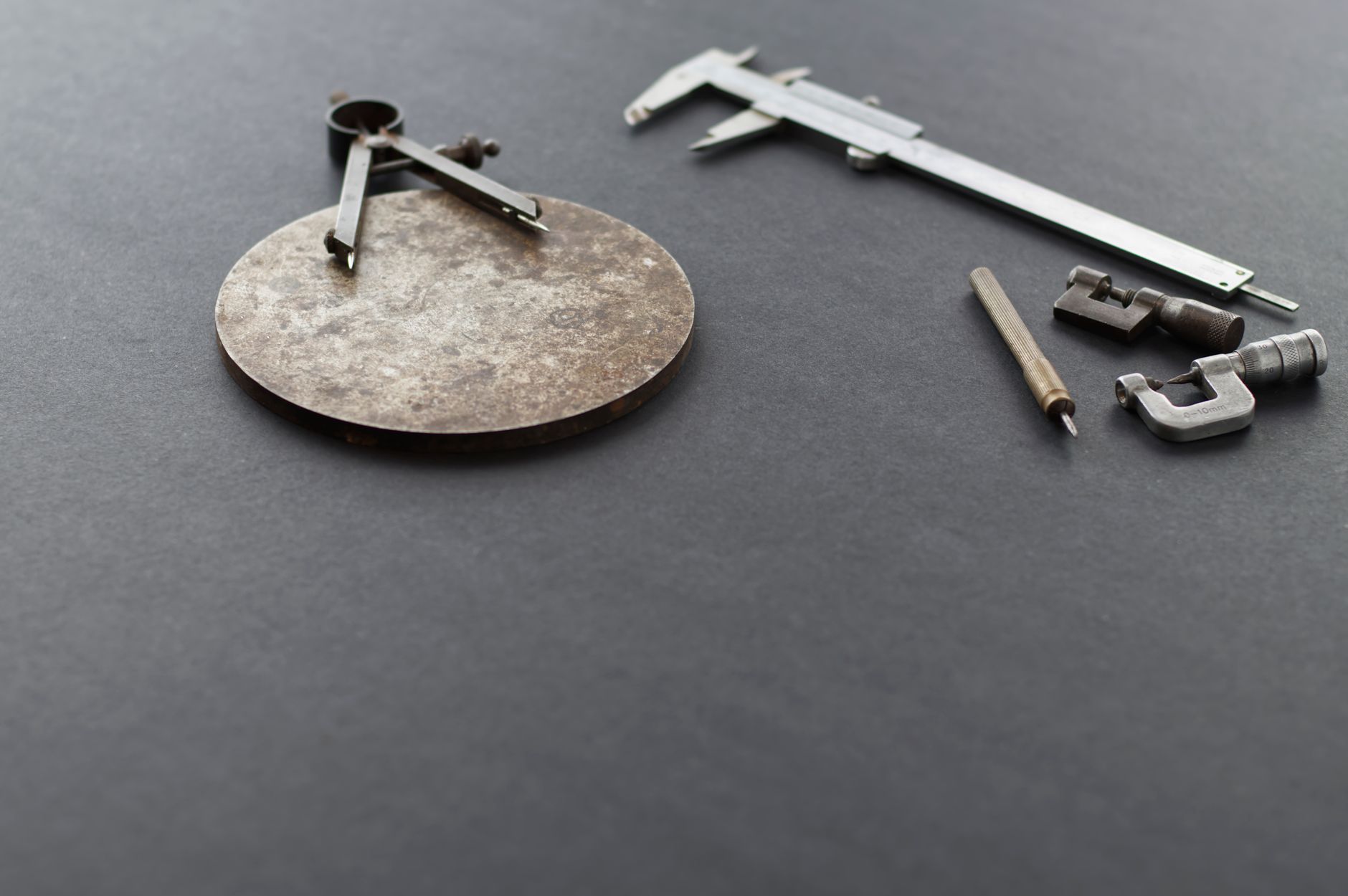
Calibrate sensors after tool changes. A worn insertion mandrel changes the curve even when bore diameter is in spec.
Compare curves across temperature swings if housings sit in a cold warehouse before assembly. Aluminum growth changes insertion feel more than operators expect.
How should parts be presented to the cell?
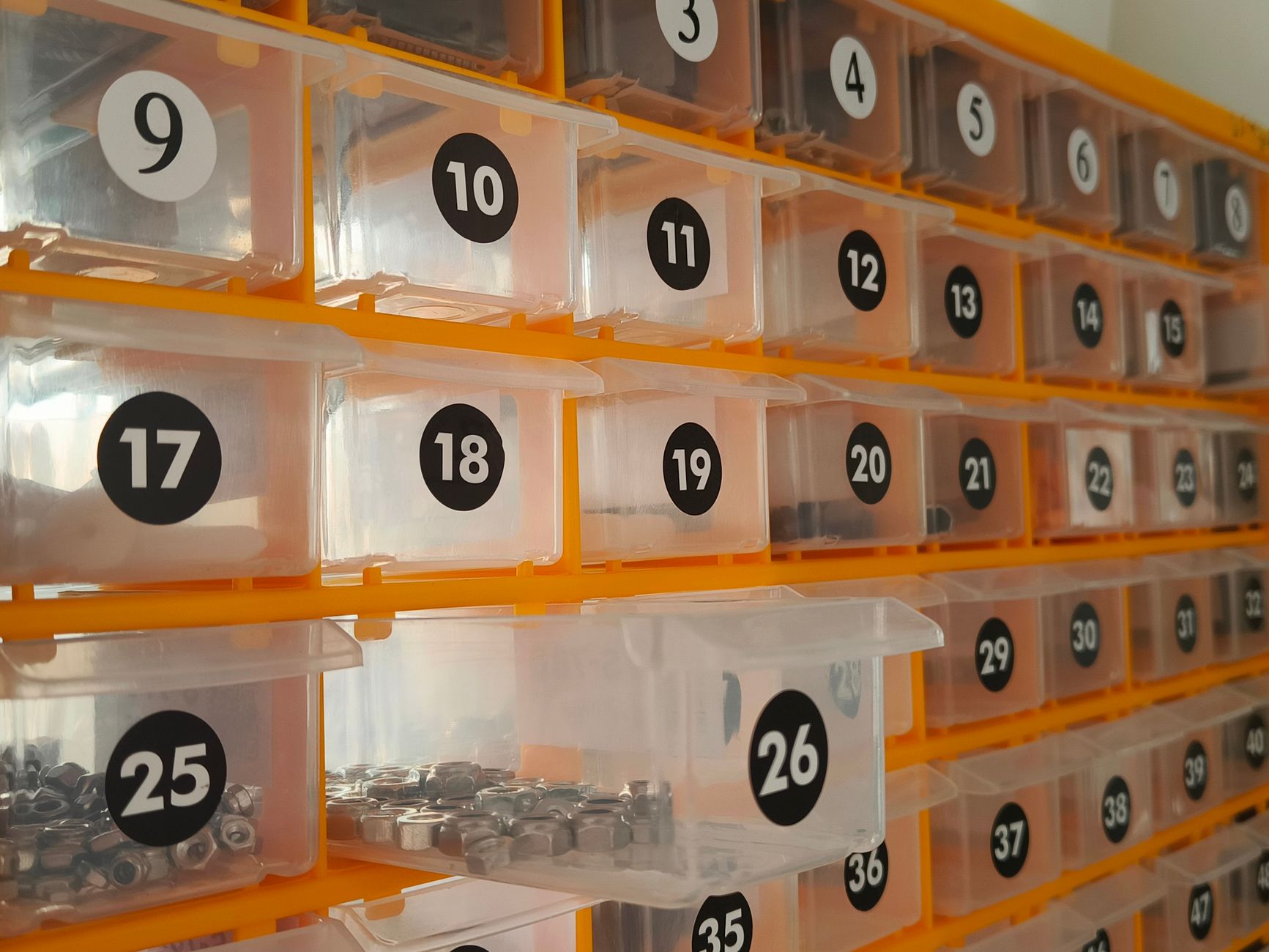
Bearings arrive oriented: inner ring up, seal side out, grease pack intact. Bowl feeders work for high volume; tray nests work for mixed families where you cannot afford jam clears every hour.
Housings need fixed datums on the fixture, not eye alignment. A three-point nest on the casting boss beats a flat plate that lets the part rock during insertion.
Keep human reach zones separate from the press stroke. Operators load housings while the cobot stays parked in a safe posture, then interlocks release for the insertion move.
- Gauge bore diameter on a sampling plan tied to lot receipt.
- Store insertion mandrels on labeled pegs with wear inspection dates.
- Reject nests that let seals contact sharp fixture edges.
What alignment checks belong before release?
Run a pilot pin or vision check on bore axis when housings come from multiple casting suppliers. A few thousandths of bore tilt shows up as oval contact patches on the bearing race.
Post-insert height or protrusion gauges catch partial seating faster than downstream noise tests. Log every fail with housing serial when your ERP supports it.
If you use machine vision, teach on matte fixtures under consistent light. Polished casting flashes confuse edge tools.
How do changeovers affect cobot payback?
Cobots win on moderate mix when tool change is minutes, not hours. Quick-change insertion tooling, pre-set nest inserts, and saved programs per SKU keep downtime inside one break window.
When you re-teach from scratch every Monday because lots shuffle, a dedicated operator-managed press with simple fixtures may beat a cobot that needs programmer time.
Document offset updates in the same work instruction as manual cells. Auditors care that the robot program version matches the drawing revision.
Keep spare nest inserts on the tool board labeled by drawing number. Operators should not hunt in a drawer during a line change.
What guarding and safety logic should you expect?
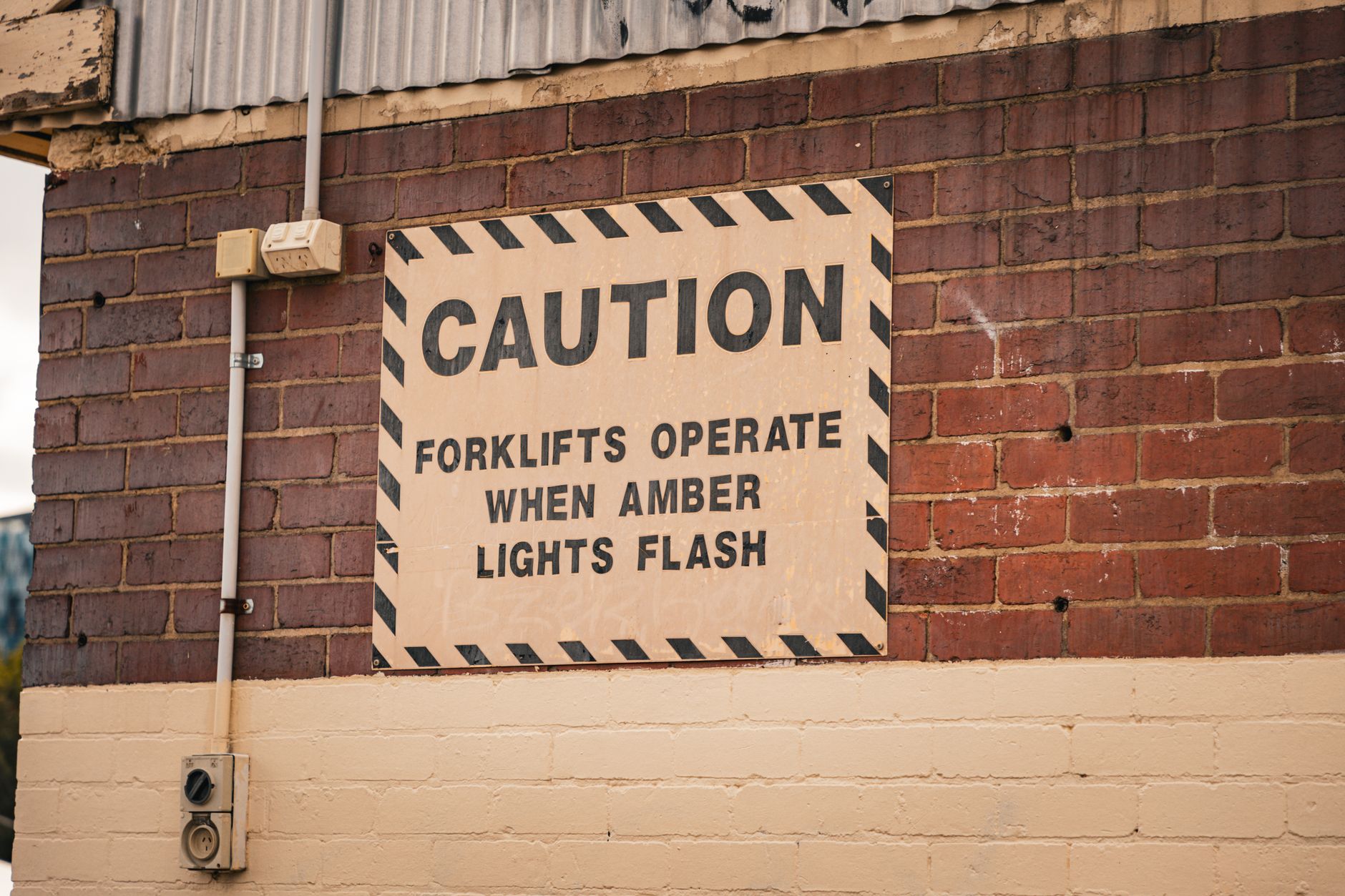
Collaborative does not mean unguarded. Risk assessment still covers pinch points at the nest, e-stop reach, and what happens when someone crosses the light curtain during insertion.
Speed and force limits apply during teach mode and production. Train operators to use hold-to-run during first article, then lock parameters before batch release.
OSHA expects machine guarding on power presses; cobot cells borrow the same discipline even when tonnage is modest.
If your shop runs union safety committees, invite them to the risk assessment walkthrough before you claim collaborative status on the placard.
What quality records should the cell produce?
Store peak insertion force, final depth, and cycle time per part or per batch counter. Export to your QMS when APIs exist; otherwise CSV pulls on shift end are enough for early pilots.
Link records to operator badge scans at load so investigations do not stop at robot fault codes alone.
When a customer audit asks for evidence of press-fit control, charts beat a checkbox on a traveler.
Retain first-article records for each setup revision the same way you retain weld coupons. Customers asking about bearing press control rarely accept a verbal all good.
When does a dedicated press remain the better choice?
High tonnage, long stroke, or multi-stage forming still belongs on a fixed press with hardened tooling. Cobots complement those lines by loading housings or placing bearings for a separate press stroke, not by mimicking the press ram itself.
Ultra-high volume with one SKU for months favors a dial table or cam press with cycle times cobots cannot match without parallel stations.
If your bottleneck is material hardness variation, fix metallurgy and tooling before you automate insertion with a lighter arm.
What labor and injury context should planners know?
Manufacturing work is still injury-prone at the plant level. The Bureau of Labor Statistics reports that for NAICS 31-33 manufacturing in 2024, the rate of cases with days away from work, job restriction, or transfer was 1.7 per 100 full-time workers, with total recordable cases at 2.7.
BLS occupational employment data also shows more than one million team assembler jobs nationally, the kind of role that often performs repetitive press and insert tasks on small lines. Automating the highest-repeat insert moves can keep skilled machinists on setup while reducing ergonomic exposure on wrists and shoulders.
Cobots do not remove the need for PPE, lockout, or training. They narrow the riskiest cycles when force control and presentation are engineered honestly.
Team assembler roles still dominate staffing on small lines, so target the dullest insert cycles first when you build the business case.
How should a shop pilot cobot rental on one cell?
Pick one bearing and housing pair, run three shifts of golden parts, then one week of production lots. Compare scrap, rework, and insertion force variance against the manual bench baseline.
Service Robot Co. offers vendor-neutral cobot rental with integration training and nationwide service dispatch so you can validate tooling and guarding before you buy arms for every line.
Scale only when changeover time, quality logs, and operator sign-off stay inside the targets you set on day one.
How do you validate tooling before production release?
Run five consecutive golden parts with force curves overlaid. Spread should stay inside the band you signed on the control plan.
Deliberately use one housing at the high end of bore tolerance and one at the low end. If the cobot cannot seat both without override, fix the nest before you run customer material.
Have maintenance sign the mandrel clock ring after polish or regrind. Small geometry drift is the silent killer on bearing insertion cells.