Key takeaways
- Vision cobots fit when two to six varieties dominate the season and grading waits on hands more than on belt speed.
- Gentle gripping and controlled deceleration matter more than cycle time on soft stone fruit and berries.
- Washdown-ready tooling and cable routing belong in the cell design, not as a retrofit after the first audit.
- False rejects erode trust faster than slow throughput, so human QC lanes stay in the loop.
- Seasonal changeover stays human-led; the cobot recalls validated recipes per SKU.
Can a small packing house automate grading without a full optical sorter?
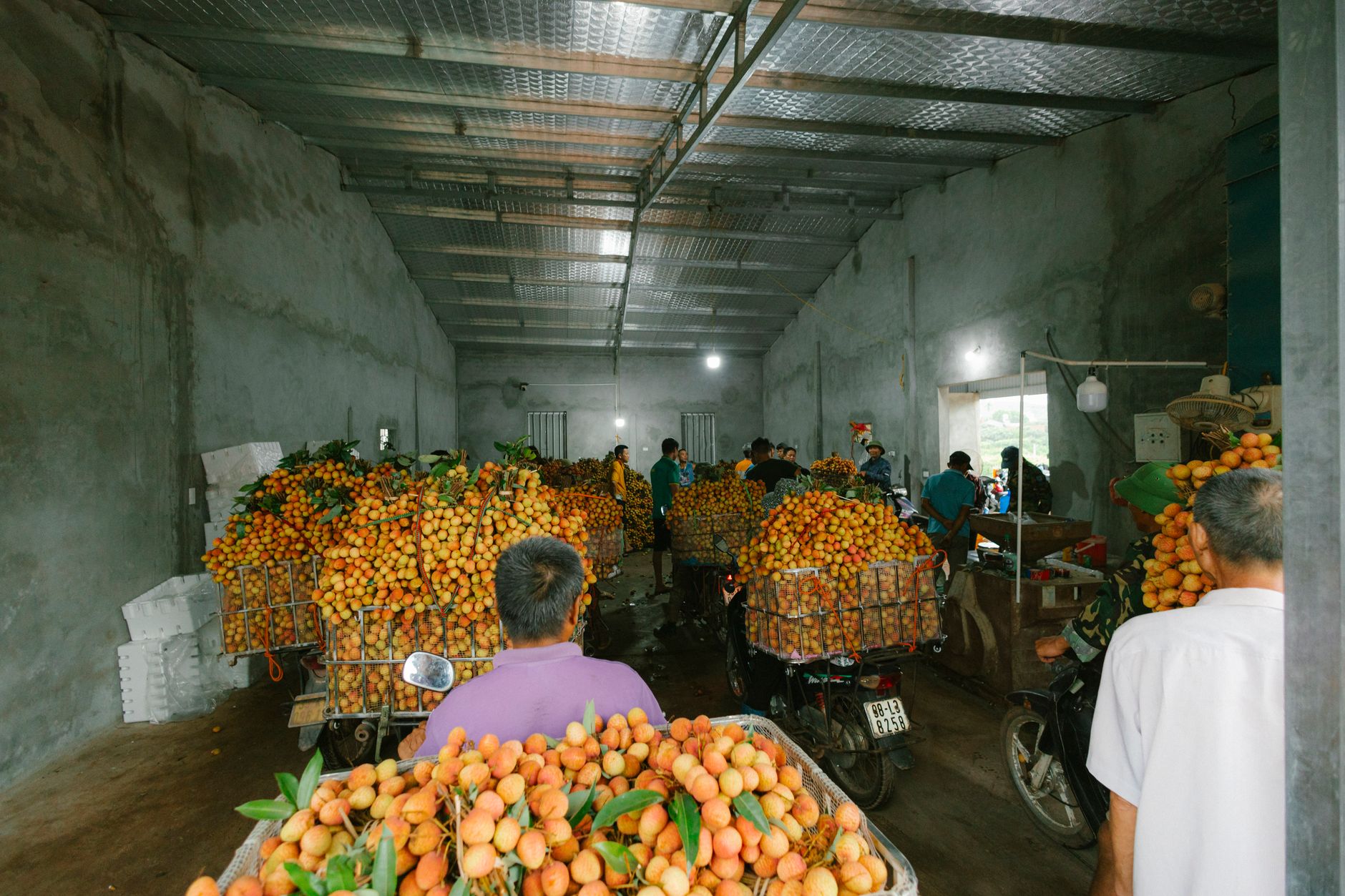
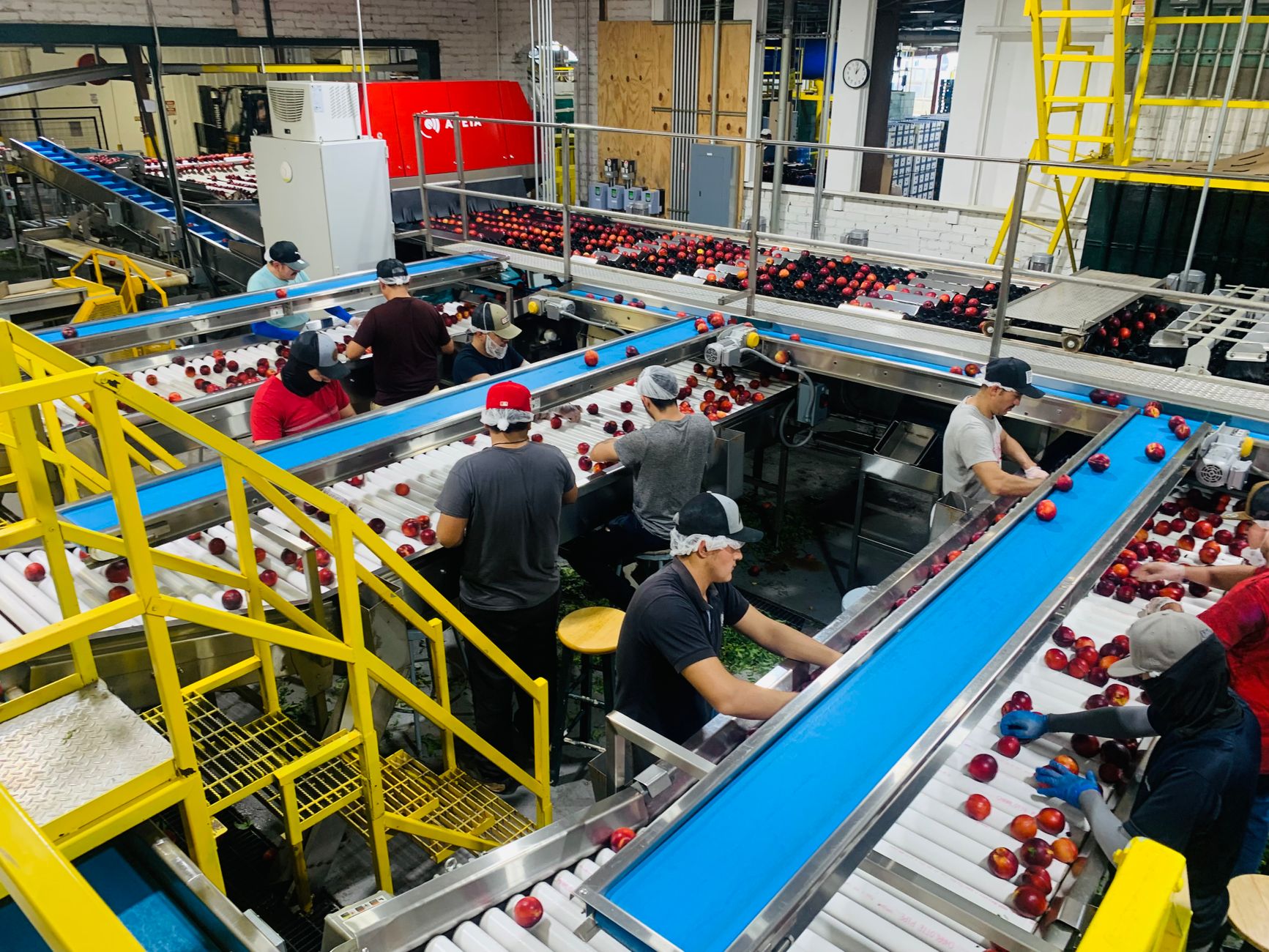
Many regional houses still run belt tables where workers pick by size, color, and obvious defects before fruit hits the carton. That work is skilled, repetitive, and hardest to staff on the first hot week of the season.
A vision cobot on a collaborative arm can take the steady pick-and-place lane when product families repeat daily. It is a weak default when every hour brings a new variety, bin size, or customer spec you have never run before.
According to coverage of USDA Economic Research Service farm income data, cash receipts for fresh fruit, vegetable, and nut commodities reached about $58.33 billion in 2024, up 4.72 percent from 2023. That volume keeps small houses busy enough that grading labor shows up in margin, not only in headcount.
The answer for most small sites is not a million-dollar sorter on day one. It is one disciplined lane where vision, grip, and reject logic are proven on your worst bins before you widen automation.
What makes produce grading different from factory pick and place?
Fruit bruises when acceleration and squeeze are wrong. A gripper that works on rigid bottles will mark peaches and plums by lunch.
Color grade shifts with ripeness, sun side, and variety. Lighting that flatters product on Monday may false-reject the same lot on Thursday if clouds roll in and bin temperature changes.
Defect calls are judgment calls at the margin. Stem pulls, hail marks, and insect sting scars need thresholds your quality lead signs, not a default model shipped from elsewhere.
Throughput is measured in gentle cycles per minute, not only picks per hour. A slower arm with fewer bruise rejects often beats a fast arm that sends rework to the cull bin.
How should vision be set up for size, color, and defect classes?
Fixed cameras above the belt see diameter, length, and major axis better than a wrist camera chasing motion. Side angles help on oblong fruit and two-tone varieties.
Train on bins from peak heat and peak cold, not only from the cooler at eight in the morning. Seasonal variability is the reason small houses hesitate to trust automation.
Separate size classes with mechanical guides where possible so vision confirms rather than carries the whole sort alone.
Log defect codes with timestamp and lane ID so you can tie a spike in scarring back to a specific orchard block when the grower asks.
- Lock exposure and white balance per variety recipe, not globally for the season.
- Keep a physical golden sample set for daily startup checks.
- Treat glare on wet fruit as a lighting problem before you retrain the model.
Which grippers stay gentle on soft product?
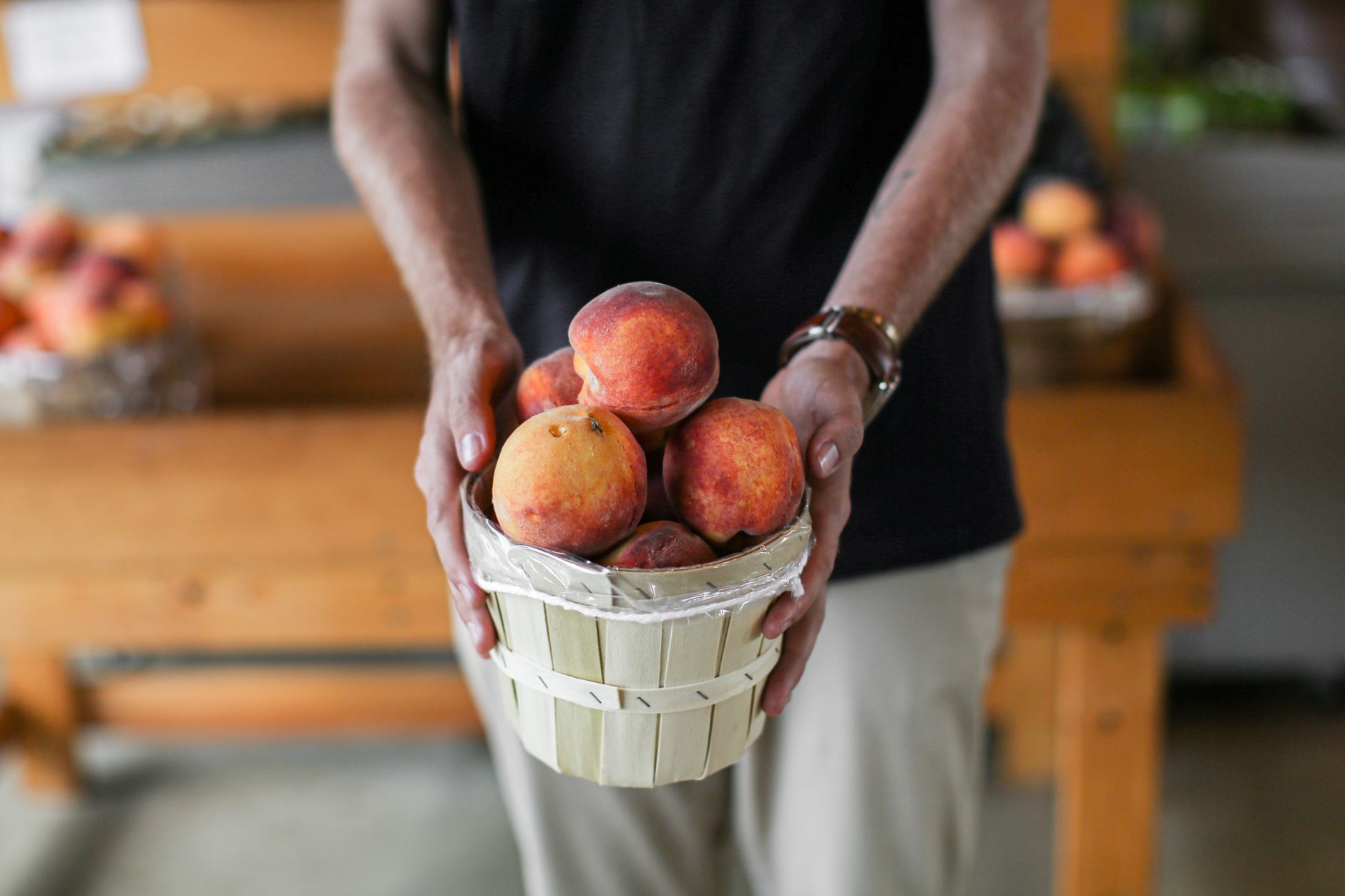
Compliant pads and low vacuum on flat faces work on apples and citrus until condensation breaks the seal. Finger arrays with force limits spread load on stone fruit.
Drop height into lugs matters. A short glide path into dunnage beats a fast open release that bruises shoulders on pears.
Tooling must survive sanitizer and hose-down if your house already washes belts nightly. Hidden seams that trap pulp fail audit before they fail mechanically.
Where do washdown and food safety constraints show up?
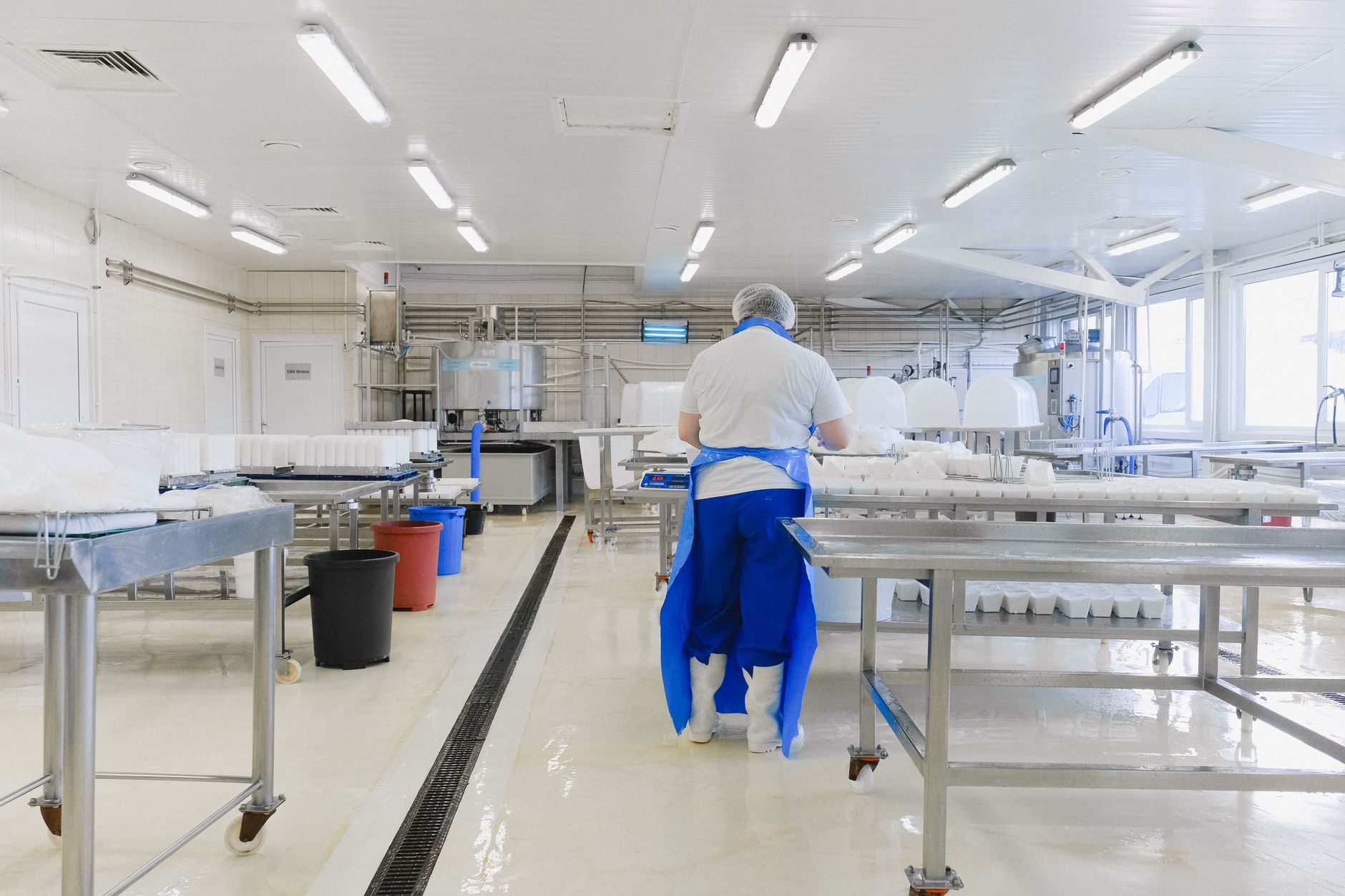
Small packing houses often run HACCP plans that treat grading tables as critical surfaces. Cobot mounts, cable glands, and gripper materials need ratings your sanitizer lead accepts.
Electrical panels and teach pendants stay out of splash zones. That drives arm reach and conveyor height more than catalog payload charts suggest.
If you already swab belts for generic indicators, keep the cobot lane on the same sanitation window as the table it replaced, not on a slower maintenance calendar.
How do false rejects and throughput trade off?
A tight defect threshold clears customer specs and fills the cull bin with saleable fruit. A loose threshold ships risk. The cobot should bias toward human review on borderline calls, not auto-cull.
Run parallel counts for machine reject, human override, and customer return for two weeks before you declare the lane tuned.
When belt speed rises, vision exposure time drops. Either add light, slow the index, or accept more false rejects. Pick two consciously.
What labor context sits behind the business case?
U.S. Bureau of Labor Statistics 2024 data show fruit and vegetable preserving and specialty food manufacturing at 3.4 total recordable cases per 100 full-time workers, with 2.4 cases involving days away, restriction, or transfer. Grading tables still add wrist and shoulder load even when the plant rate looks moderate.
The Association for Advancing Automation reported that food and consumer goods robot orders rose 17 percent in units in the second quarter of 2026 compared with the prior year. Small produce houses are part of that long tail even when they never appear as their own line in the press tables.
Automation rarely removes the need for a lead who owns first-article checks when a new grower lot arrives.
How should human quality oversight stay in the loop?
Keep a staffed QC lane for borderline fruit, customer holds, and variety swaps. The cobot handles the modal product, not every exception.
Operators should override with one gesture and have the reject reason logged. Without that feedback, vision drifts and nobody notices until a load comes back.
Daily startup includes a short run of known good and known bad samples. Skip it on a Saturday only if you accept manual resort for the whole shift.
When does seasonal changeover still belong to people?
New variety, new carton count, or new color card stays human-led with signed thresholds. The cobot loads a recipe ID; it should not guess from a similar name.
Document pad wear limits, vacuum levels, and belt speed per recipe. Without that, every late-season variety becomes a week of tuning.
Maintain a manual table for true odd lots while the automated lane runs the daily set.
How do you pilot without fooling the ROI math?
Pick one family that already runs at least four hours per day for four weeks. Measure bruise rate, cull dollars, and grading headcount before and after.
Include the ugly bin from the hottest afternoon, not only the pretty cooler load.
Track customer claims per thousand cartons, not only picks per minute. A faster lane that raises claims erases labor savings.
Where does a full-service integrator fit the first grading cell?
Small packing houses sit between grower variability, belt OEM quirks, and sanitizer rules that differ by customer. Service Robot Co. works as a vendor neutral commercial robot integrator for U.S. food and agriculture operations. We match arms, vision, and grippers to your belt layout, then finance, deploy, train, and service through a nationwide engineer network.
Collaborative robot arm rental with maintenance included can carry one grading lane through a peak variety window on operating budget before you commit capital to a second line. One partner number covers validation support and the monthly service plan after go live.