Key takeaways
- Precast cages reward cobots only when tie patterns repeat enough to amortize fixturing and vision tuning.
- Vision at intersections beats taught coordinates when bar spacing drifts between pours.
- Wire reels, spindle wear, and concrete dust are the hidden uptime killers in a tying cell.
- NIOSH field work found power tying about twice as fast as manual pliers work on bridge decks.
- A pilot with measured ties per shift beats guessing from catalog cycle times alone.
Can cobots realistically tie rebar in a precast plant?
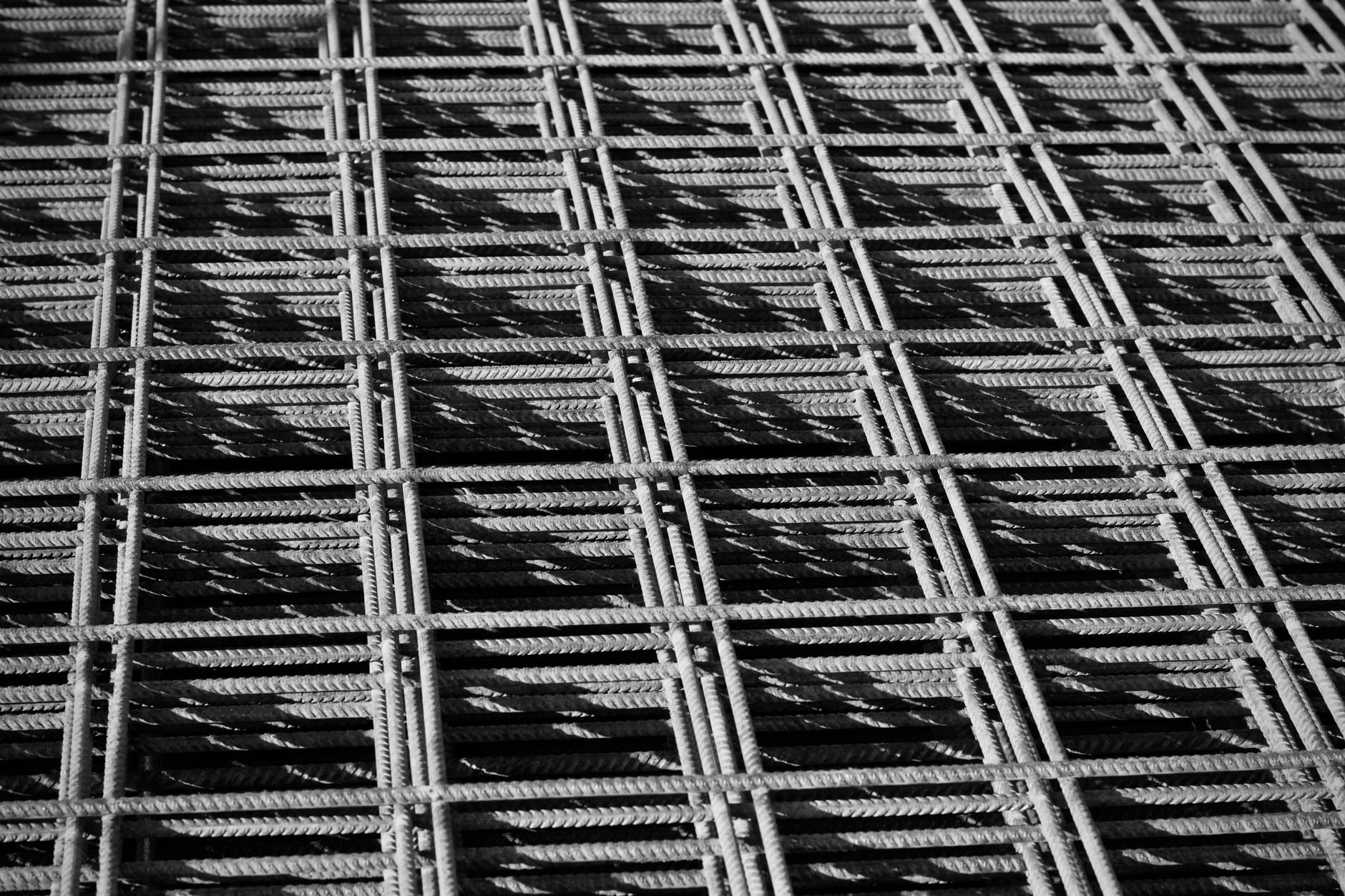
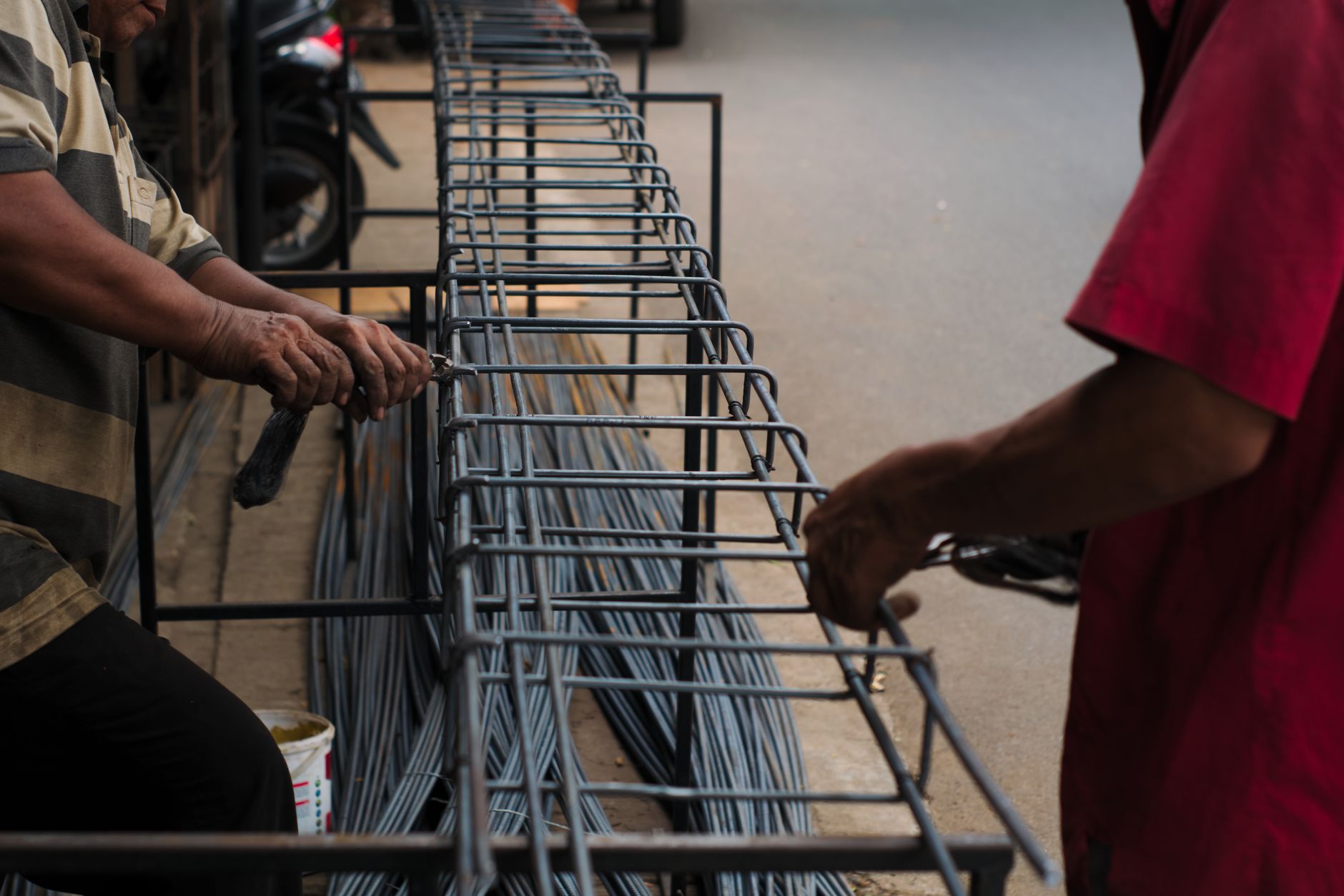
Yes, but only where tying is repetitive, reachable, and dirty enough that labor already hurts. Precast plants still depend on workers to close cages with tie wire at hundreds of intersections per panel. A collaborative robot arm carrying a powered tying head can match that motion if the cage sits in a fixture and the intersections sit inside the arm reach envelope.
The honest limit is geometry. Wall panels, double tees, and beam cages each bend bars at different elevations. A cobot that shines on a flat mat table may choke on a three dimensional culvert cage unless you redesign staging or add a second orientation station. Trade press covering precast automation describes tying heads that mount on robot arms, read intersections with cameras, and run thousands of ties per wire reel, but those systems remain engineering projects, not drop in appliances.
If your plant already struggles to keep rodbusters on the mat, automation is less about novelty and more about holding schedule when experienced hands retire.
Why do cage layouts make or break a tying cell?
Precast is high mix compared with a highway deck mat. Bar sizes change, chair heights change, and openings for embeds move with each job. Cobots hate surprise offsets. Every new cage family needs a fixture that registers the workpiece so the arm starts from the same datum.
Reach matters as much as repeatability. A typical collaborative arm covers a modest horizontal window. Long wall panels may need a linear track or a robot on a gantry so the tying head can index along the mat. Without that travel, you end up manually repositioning cages so often that you erase the labor savings.
Plants that win here standardize a handful of cage families first. They automate the SKUs that ship every week, not the one off architectural piece that appears twice a year.
How should fixturing and handoff stations be designed?
Think of the fixture as half the robot. Pin locators, wedge clamps, and sacrificial wear surfaces keep bar spacing within the vision tolerance. Operators should load a cage, clamp, scan a barcode, and walk away without climbing on the table.
Handoff between human prep and robot tying needs a clear dirty line. Workers place chairs and loose ties, then exit the collaborative zone before the arm moves. Light curtains or area scanners should match how OSHA and your insurer expect you to separate human motion from automatic motion.
Keep spare fixtures staged offline. When a pour schedule swaps from hollowcore to beam cages midweek, swapping fixtures faster than reprogramming saves the shift.
What role does vision play at each tie point?
Teaching hundreds of XY coordinates per cage breaks the first time a finisher nudges a bar. Camera based intersection detection, described in precast automation coverage, searches for the crossing, adjusts approach angle, and fires the tie head without a teach pendant for every point.
Lighting is brutal in precast bays. Overhead sodium glare, shadows from stirrups, and rust scale on bar all confuse edge finders. Budget for polarized or angled lighting fixed to the tool, not the ceiling. Run golden samples of your dirtiest bar stock through vision tuning before you promise cycle time to the production manager.
When vision fails, the cell should stop with a readable fault, not guess. A mis tie buried inside a steam cured panel is an expensive scrap event.
How do wire consumption tool wear and dust affect uptime?
Powered tying heads eat spools of wire. Industry articles on automated tying for precast cite thousands of continuous ties per reel before a changeover. That sounds generous until you multiply intersections per cage by cages per day. Reel changes must happen on a predictable rhythm or the robot idles while someone threads wire with gloved hands.
Concrete dust and mill scale chew on feed mechanisms. Daily wipe down, compressed air on the feed path, and covered spool housings are boring maintenance tasks that decide whether the cell hits ninety percent uptime or sixty.
Track ties per hour at the cell HMI and compare with manual baselines on the same cage. NIOSH evaluated rodbusters on a freeway bridge and found battery powered tying about twice as fast as pliers and wire. Your cobot should beat that manual power tool number after fixturing time is included, or the business case stalls.
What safety validation is required before production tying?
Collaborative does not mean careless. Risk assessment still covers pinch points at the tying head, ejected wire ends, and arm motion when a worker reaches in during a fault reset. Document speed and force limits per ISO 10218 and TS 15066, then validate with your safety officer and the precast QC lead in the room.
OSHA ergonomics guidance for construction already recommends powered tiers and standing posture instead of stooped manual tying. A cobot cell should extend that logic by keeping humans off the mat during automatic cycles. Train resets on lockout steps any night shift lead can repeat without calling engineering.
Dust exposure rules still apply. If grinding or shot blasting happens beside the mat, tie robot enclosures may need positive pressure or relocated air intakes so abrasive dust does not reach the spindle.
What daily tie volume justifies the investment?
Start with counted intersections, not robot list price. Map one week of cages: ties per piece, pieces per shift, and how many skilled rodbusters you schedule on that mat today. If you are below a few thousand ties per day across repeatable fixtures, rental or contract tying services may beat owning a cell.
Association for Advancing Automation order data shows collaborative robots still account for a double digit share of North American unit orders, which keeps integrators busy deploying arms into non automotive cells. That availability helps precast plants, but only when internal volume absorbs integration cost.
Run a paid pilot on one cage family. Measure ties per hour, scrap from missed intersections, and reel change minutes. Service Robot Co. can structure cobot rental or machine tending integration with maintenance included, map the cell, and keep service on one number while you decide if the tie count supports a second shift without adding rodbusters.
How should plants phase cobots without stopping the bed?
Pick a mat table with stable demand and a forgiving cage sketch. Install the cell beside active production, not in its place, for the first month. Let day shift own manual tying while second shift runs the robot on the same fixture once workers trust the stops.
Keep a manual escape hatch. When a custom cage arrives, you should be able to bypass the robot in minutes without deleting programs. Digital work orders that flag robot eligible SKUs prevent the scheduler from loading a one off into the automated fixture.
When the pilot hits your tie count and scrap targets for two billing cycles, clone the fixture design to the next cage family. Plants that try to automate every product at once usually drown in vision exceptions.