Key takeaways
- Repack cobots pay when salvage volume is steady and cartons fail in repeatable ways.
- Vision must classify packaging damage separately from product damage before any transfer.
- Label reconciliation is the compliance step most pilots skip until a retailer audit.
- Manual judgment stays essential on mixed-lot cosmetic and safety calls.
- Mismatch logging matters as much as pick speed for inventory truth.
When does repacking damaged goods beat scrapping the whole case?
Distribution and retail salvage lanes see crushed corners, torn shippers, and wet outer cartons while the product inside is still salable. Hand repack is slow, inconsistent, and hard to staff on night shift.
A collaborative arm with vision can open or remove failed outer packaging, inspect the unit, and place intact product into a fresh carton when damage patterns repeat. It is a poor default when every return is a unique marketplace mix with no standard geometry.
According to the Association for Advancing Automation, North American companies ordered 8,940 robots in the second quarter of 2026, with non-automotive customers taking 56 percent of units. Rework and salvage cells sit in that long tail even when they never get their own press headline.
The business question is whether salvage hours cap throughput more than primary pick lines. If repack tables back up before putaway or destroy, a cobot at one standardized lane is worth modeling first.
What makes salvage repack different from end-of-line packing?
End-of-line packing assumes pristine inputs and fixed SKUs. Salvage work assumes variable damage, mixed lot codes, and customer-specific label rules on the replacement carton.
The robot must sometimes stop and wait for a human on ambiguous cosmetic scuffs while still clearing obvious crushed-box cases unattended.
Throughput is measured in safe salvage dollars recovered, not only units per hour. A fast transfer that ships a scuffed unit erases the labor savings.
How should vision classify packaging versus product damage?
Cameras should answer two questions: is the outer shipper failed, and is the sellable unit still within your published cosmetic standard. Conflating those drives false scrappage or false reship.
Train on your actual failure gallery: corner crush, water stain on cardboard, slice through tape, and inner clamshell crack. Each class gets a disposition rule signed by quality.
Barcode read on the unit confirms SKU before transfer. A correct-looking product in the wrong lot is worse than a scrapped case.
- Keep golden samples of accept versus reject for daily startup.
- Log vision class and human override separately in the MES.
- Retrain when suppliers change carton graphics or dimensions.
Which grippers handle mixed consumer packaging?
Soft goods in poly bags need low vacuum and wide cups. Rigid boxes need side fingers with force limits. Multipacks need support under the base, not a top pinch alone.
Glass and rigid bottles belong on human-led lanes unless your cosmetic standard is narrow and volumes justify dedicated tooling.
Tooling must tolerate tape scraps and cardboard dust without jamming every hour.
How does label reconciliation work on replacement cartons?
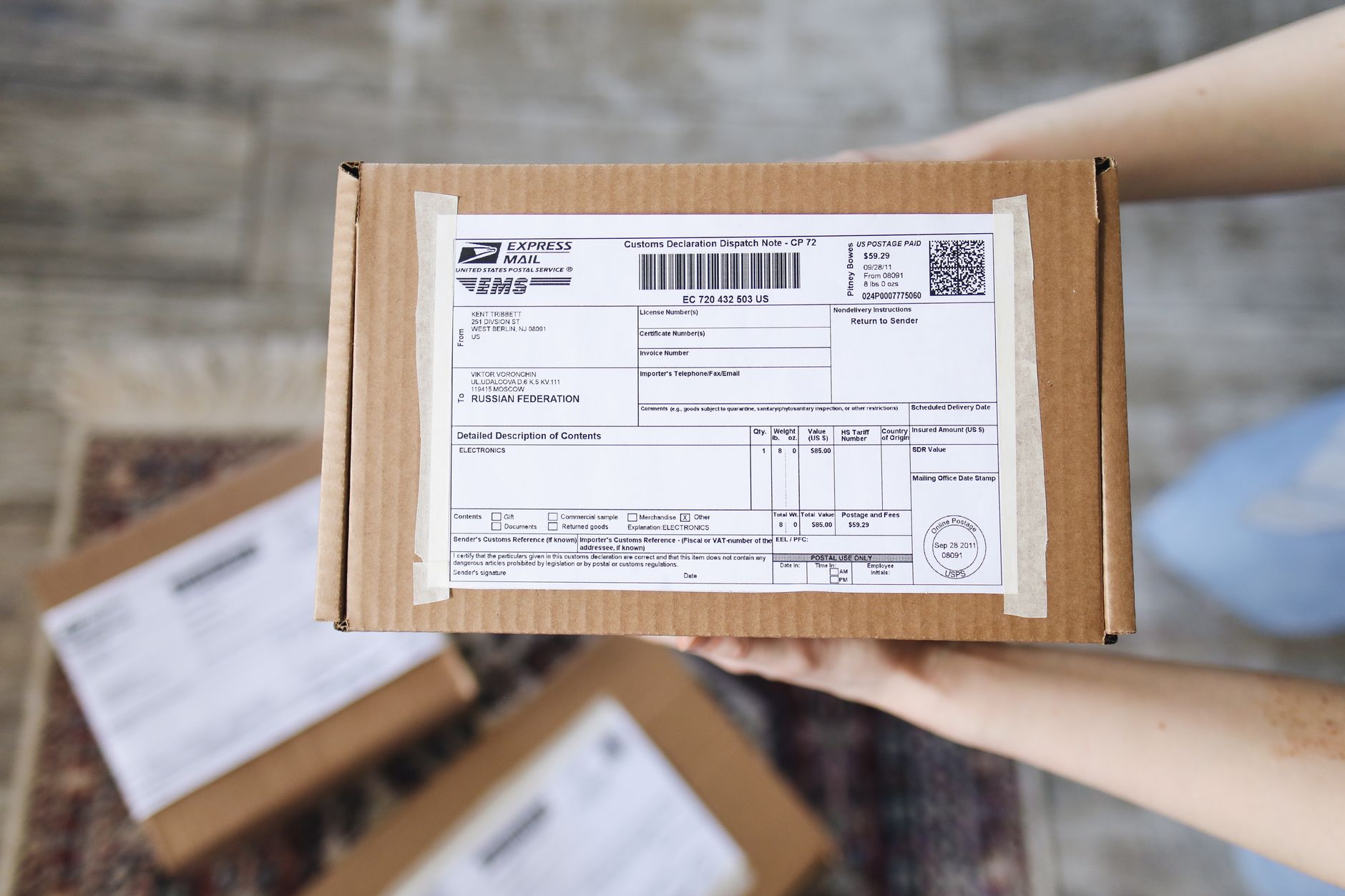
Replacement cartons often need a new label or an overlay that ties the unit to the original lot and expiry. The cobot cell should not seal a box until scan confirms label match to contents.
If your retailer requires a specific salvage mark or rework notation, treat missing label data as a hard stop, not a warning.
Reprint stations belong inside the cell footprint so operators are not walking to an office printer mid-pallet.
Where do quality decisions stay manual?
Seal breaks on food, sharp edges from crushed glass, and ambiguous odor calls stay human-only. The robot queues the item and lights the lane.
High-value cosmetics and electronics often need a second human glance for micro-scratch under raking light. Automate the obvious crushed-box path first.
Document which SKUs never enter unattended mode regardless of volume.

What labor context sits behind the ROI conversation?
U.S. Bureau of Labor Statistics 2024 data show general merchandise stores at 3.6 total recordable cases per 100 full-time workers, with 2.3 cases involving days away, restriction, or transfer. Warehousing and storage recorded 4.8 total recordable cases per 100 workers in the same table.
Repetitive knife and box work on salvage tables adds cut and strain risk even when headline injury rates look moderate. Cobots remove steady cut-and-repack motion, not the need for a lead on exceptions.
When temp labor is hard to hold on night salvage, automating the modal damage type often stabilizes output before it reduces headcount.
How do you recover from inventory mismatches?
Define events: wrong SKU transfer, short count, double insert, label mismatch, destroy instead of salvage. Each path updates inventory differently.
Never auto-write salvage success to ERP without weight or count confirmation when the SKU is counted.
Daily reconcile destroy bins against logged vision rejects to catch drift early.
How do you pilot without corrupting the salvage numbers?
Run one damage class that already hits the table daily, such as corner-crushed shippers on a single SKU family. Measure salvage dollars, destroy rate, and labor hours before and after.
Include Friday night volume, not only Tuesday afternoon demos.
Track retailer chargebacks or vendor compliance hits per thousand units, not only cycle time.
Where does a full-service integrator fit the first repack cell?
Salvage sits between retailer compliance rules, WMS data, and floor space that was never designed for a six-axis arm. Service Robot Co. works as a vendor neutral commercial robot integrator for U.S. retail and logistics operations. We match arms, vision, and grippers to your disposition rules, then finance, deploy, train, and service through a nationwide engineer network.
Collaborative robot arm rental with maintenance included can carry one repack lane through a peak return season on operating budget before you commit capital to multiple damage classes. One partner number covers label workflows, interlocks, and the monthly service plan after go live.