Key takeaways
- Sample prep cobots earn their keep on repeated cut-mount-polish-load cycles with fixed fixtures.
- Dust and coolant exposure belongs in the risk assessment before you automate polishing or grinding.
- Recipe-driven programs let technicians change alloy batches without reprogramming from scratch.
- Barcode or LIMS-linked IDs keep each coupon tied to the machine that prepared it.
- Technicians stay in the loop for exceptions, metallography judgment, and first-article sign-off.
When does a materials lab actually need a cobot for sample prep?
Materials testing lives on repetition. A technician cuts a coupon, mounts it, grinds, polishes, loads the carousel, and logs the ID. Do that hundreds of times a week and small variances in pressure or dwell time show up in micrographs and hardness readings.
A collaborative robot arm fits when the motion is structured but not trivial: same fixture, same sequence, different batch IDs. It is a poor fit when every sample is a one-off sculpture or when metallurgists need constant tactile feedback on edge retention.
The honest answer for most commercial and in-house labs is narrow automation first: one prep cell for routine tensile or hardness coupons, not the entire metallography department on day one.
Which prep steps can a cobot take over safely?
Cutting and sectioning often stay manual because blade choice and clamping need human judgment. Where cobots shine is everything after the cut: loading mounts into a press, placing disks on polishing wheels, rinsing between steps, and transferring finished samples to labeled racks or automated hardness testers.
Mounting presses and polishers were never designed for robots, so integration means repeatable fixtures, not fancy AI. A nested tray that registers each mount, a pneumatic gate that confirms part presence, and a force-limited gripper beat a vision system that tries to find random shapes on a messy bench.
Loading repetitive material samples into a carousel or conveyor for overnight runs is the classic win. The robot does not rush the last shift, and the lab keeps throughput when headcount is thin.
- Mount loading and unload from indexed trays
- Polishing head changes with torque limits
- Rinse and dry moves between abrasive steps
- Carousel or hardness tester loading
- Final placement into traceable storage racks
How do dust and coolant change the safety story?
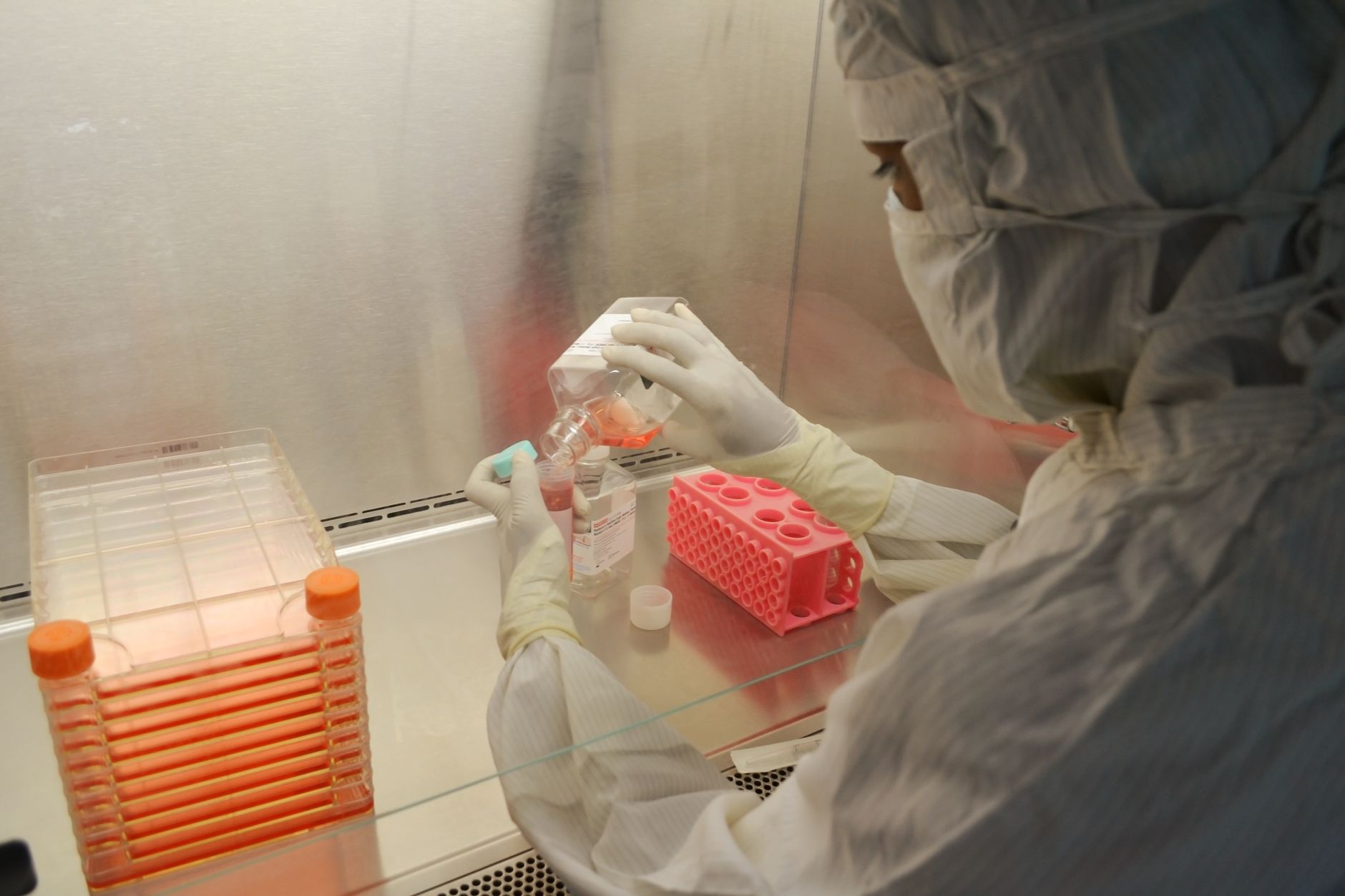
Grinding and polishing throw fine particulate and slurry. NIOSH manual material handling guidance reminds employers that repeated force and awkward posture are only part of the story: airborne exposure and wet floors matter too when you automate.
Place the cobot cell under the same local exhaust you would use for manual prep. Keep coolant hoses fixed so the arm does not snag them mid-cycle. Use sealed or minimized enclosures on the dirtiest steps if your lab already segregates cutting from clean polish rooms.
Collaborative speed limits help near technicians, but they do not replace PPE or housekeeping. Train staff to treat the cell like any other machine tool: lockout for wheel changes, documented wipe-down between alloy families, and clear rules when someone enters the reach envelope.
Why does fixture repeatability matter more than cycle time?
Metallography is unforgiving. A mount tilted two degrees can fake porosity at an edge. A cobot that hits the same approach vector every time removes one big source of technician-to-technician drift.
Design fixtures with hard stops and datum surfaces, not foam and hope. Publish a gauge R&R study on placement before you trust the cell for customer-facing reports.
When recipes change, swap fixtures or nest inserts instead of teaching twenty new points. The robot program should reference fixture IDs so the wrong tray cannot run with the wrong polish sequence.
How should recipe changes work without stopping the lab?
Store recipes as named programs tied to material families: aluminum wedge prep, steel Charpy finish, ceramic mount-only, and so on. Technicians select the recipe at the HMI, scan the batch barcode, and release the run.
Limit who can edit speeds and dwell times. Metallurgists approve recipe revisions; operators execute them. Version every change with a timestamp so an auditor can reconstruct why a March lot looked different from February.
Keep a manual path on the same fixture for first articles. Run one coupon by hand, compare microstructure, then promote the recipe to production volume.
What does traceability look like in a prep cell?
Every mount should carry an ID before the robot touches it. Scan at load, confirm at unload, and write the robot cycle ID to your LIMS or spreadsheet log. If a hardness result fails review, you need to know which polish program ran, which wheel was active, and which operator released the batch.
Camera verification is optional. For many labs, a simple pass-fail sensor that confirms the mount seated beats a vision project that breaks when lighting shifts.
Archive program names, fixture IDs, and technician approvals alongside machine outputs. Traceability is boring until a customer dispute makes it the most valuable feature in the building.
Where does technician oversight still matter?
Cobots are collaborators, not metallurgists. Technicians still choose cut planes, interpret burn marks, and decide when a sample is too heat-affected to trust. The robot removes repetitive motion, not professional judgment.
Staff should know how to jog the arm safely, when to halt for a chipped wheel, and how to recover mid-recipe without scrapping a full tray. A3 order data shows collaborative robots gaining share in life sciences and electronics, including roughly six in ten robot orders in life sciences in early 2026 reports. Materials labs sit adjacent to that trend: small batches, high documentation, tight QA.
Cross-train two people per cell so vacation coverage does not push everyone back to manual prep.
How does Service Robot Co. help labs pilot prep automation?
We are a vendor-neutral integrator. We match arm reach and IP rating to your polish station, finance the cell on a monthly program if that fits capital rules, and document safety sign-off before production coupons run.
A sensible pilot automates one fixture on one polisher for four to six weeks, compares surface finish variance against your manual baseline, then expands only if traceability and throughput gains are real.
Bring us the messiest tray you repeat daily. If we cannot make that reliable, we will say so before you buy steel and exhaust upgrades you do not need.