Key takeaways
- Brownfield shops can automate one station at a time, starting with loading, unloading, part transfer, and deburring support.
- The U.S. Census counted 86,470 manufacturing establishments with 20 to 99 employees in 2022, which is the exact band where retrofit-friendly cobot cells matter most.
- Safety and staffing are both real pressures. BLS reported 305,000 manufacturing job openings in June 2026, and OSHA renewed its amputation-focused manufacturing emphasis program on June 26, 2025.
- The best first cobot cell is usually the one with stable part presentation, repeatable cycle time, and a painful manual touch pattern, not the fanciest machine in the shop.
Can cobots really add value in an older small-batch metal shop?
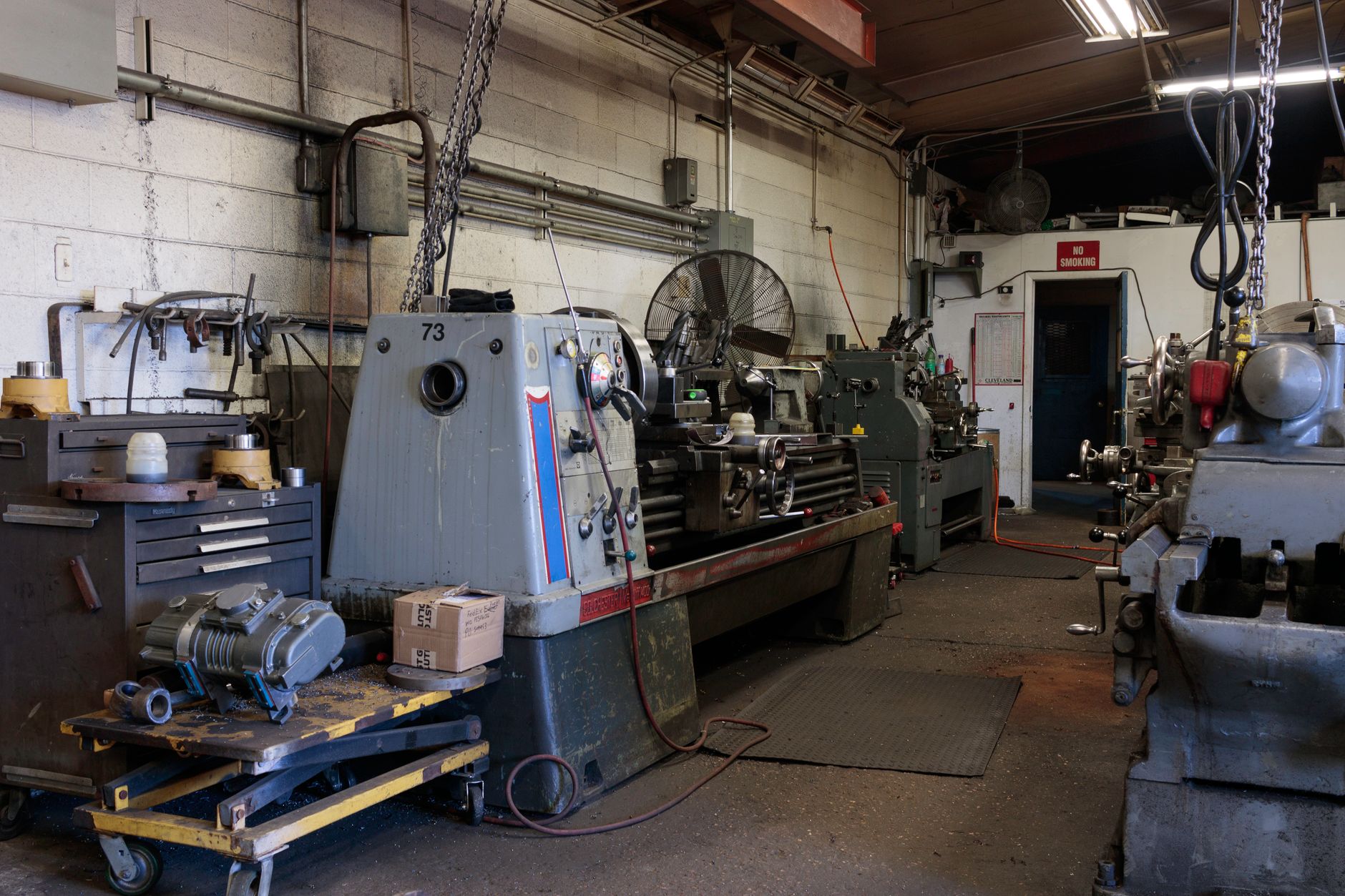
Yes, if you pick the right tasks. In a brownfield job shop full of older CNCs, cutoff saws, washers, and deburring benches, cobots are rarely about automating the whole plant. They are about taking one ugly, repetitive handoff and making it predictable. That can mean loading raw blanks into a lathe, unloading finished parts from a mill, tending a saw, or moving parts between machining and deburring.
This matters because the American manufacturing base is still dominated by smaller operations. The U.S. Census Bureau counted 42,197 manufacturing establishments with 20 to 49 employees and 21,573 with 50 to 99 employees in 2022. Add the 16,948 plants with 100 to 249 employees and 5,752 with 250 to 499, and you get a huge installed base of mid-market factories that need retrofit automation, not a greenfield rewrite.
The point is not lights-out fantasy. It is better machine utilization, fewer awkward manual touches, and a steadier flow through cells that already earn money. For many shops, a cobot is the cheapest way to add another set of hands without moving walls, replacing controls, or waiting for a new building.
Where do cobots earn their keep first?
The first wins usually come from machine tending and short internal moves. Older CNCs often sit idle during door-open, load, unload, blow-off, gage, and close-door time. A cobot does not have to outrun the spindle to pay off. It just has to keep that non-cut time from stretching across a shift.
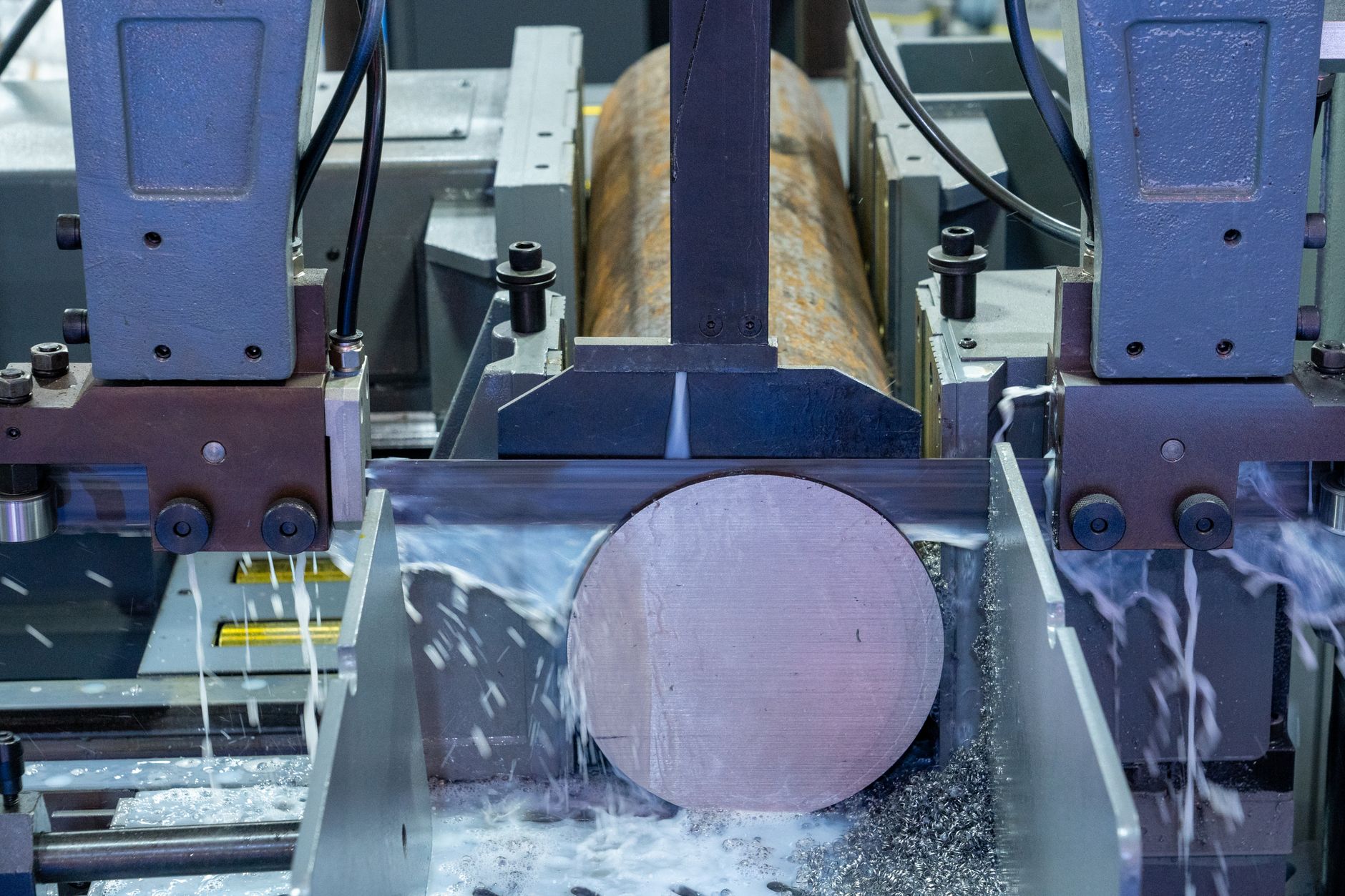
Saws are another good target, especially when operators are feeding cut stock in small lots and then carrying parts downstream by hand. The same logic applies at deburring stations, where a cobot can present parts, hold them at a repeatable angle, or tend a secondary process while a skilled operator handles exceptions and finish-critical work.
Good brownfield candidates usually share three traits. The part family is constrained enough to fixture. The handoff is repetitive enough to standardize. And the station hurts somewhere already, through staffing, overtime, queue buildup, or ergonomics.
- CNC load and unload on doors that can be interfaced safely
- Cutoff saw tending with consistent raw stock presentation
- Part transfer from machining to wash, inspection, or deburring
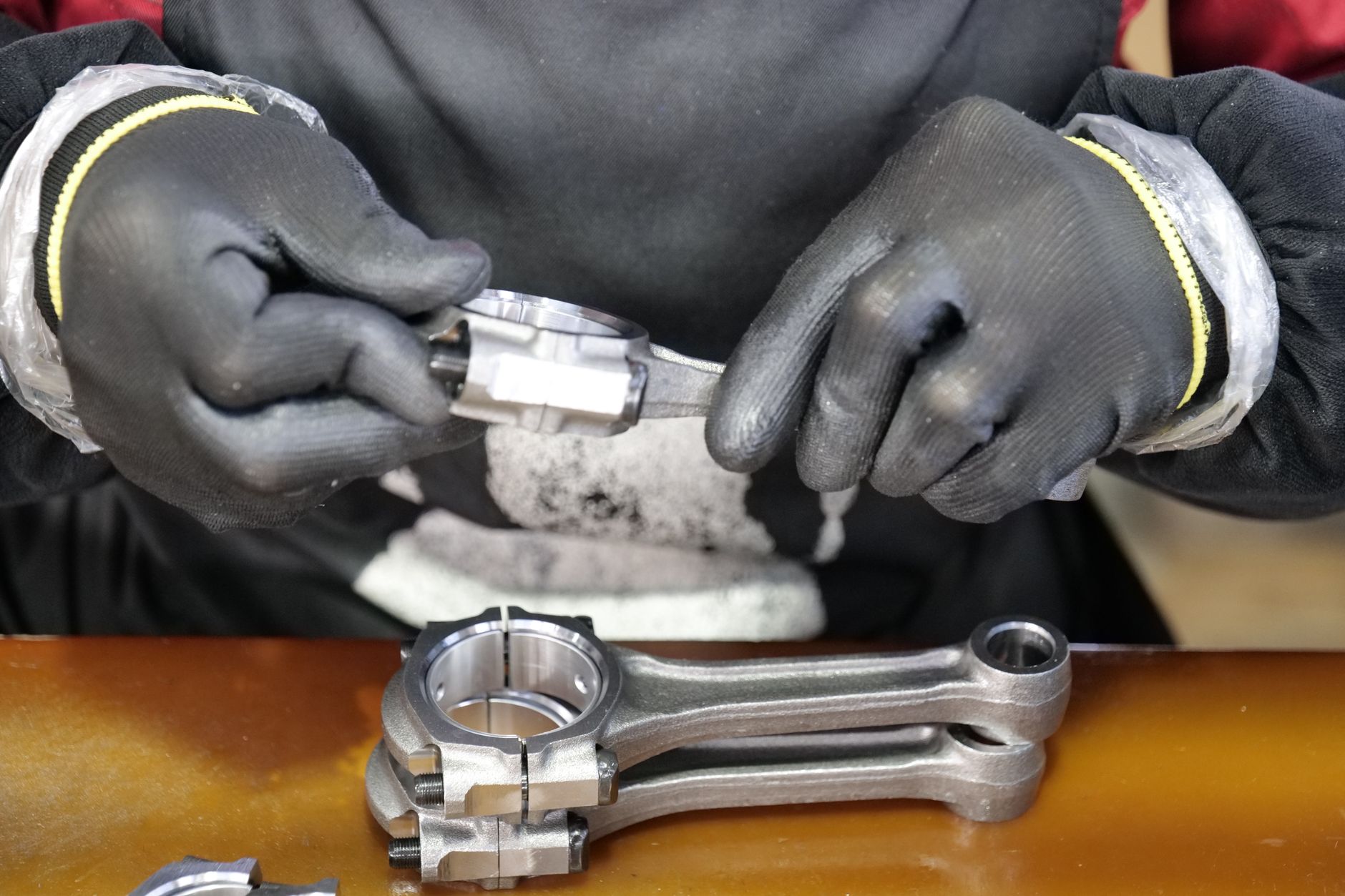
- Deburring support where the operator still handles edge cases
- Low-mix palletizing or pack-out at the end of a cell
Why are older machines not a deal-breaker?
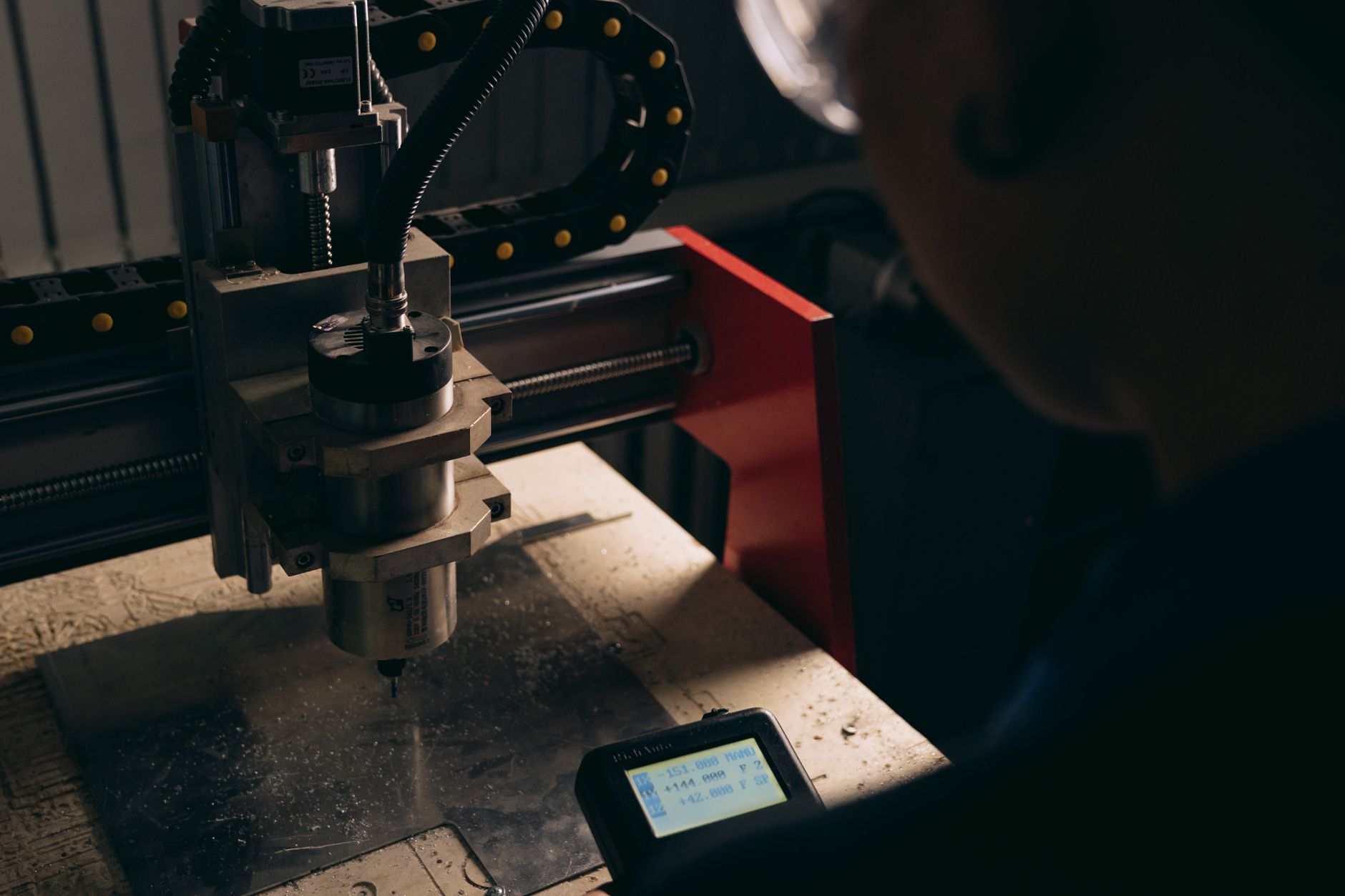
Because the retrofit does not have to start inside the machine control. Brownfield cobot work is often won at the edges: door actuation, chuck open and close confirmation, stack lights, simple I/O handshakes, external gaging, part presence checks, and fixtures that make an old station behave more predictably than it did with manual loading.
That is why older equipment can be surprisingly automatable. Many legacy machines are mechanically sound and already paid for. What they lack is not precision. It is a clean way to accept parts consistently and signal status clearly. A good retrofit cell adds that missing layer around the process instead of demanding a new machine purchase.
This is also where scope discipline matters. Shops get into trouble when they try to make one cell absorb too much variation on day one. A better first move is a narrow cell with a known part family, clear infeed and outfeed, and a manual bypass so production never depends on heroics.
What economics make the retrofit case believable?
Labor pressure is still real, even if it moves month to month. The U.S. Bureau of Labor Statistics reported 305,000 manufacturing job openings in June 2026. That does not mean every shop is short exactly the same role, but it does mean finding and holding reliable operators remains a live operating problem across the sector.
The loaded labor number matters too. BLS reported that private-sector manufacturing compensation averaged $46.30 per hour worked in June 2025, with $30.94 in wages and salaries plus $15.36 in benefits. When a job ties up a capable operator on repetitive tending, simple transfer, or long deburring runs, the real comparison is not just wage rate. It is what higher-value work that person is no longer doing.
Adoption is not theoretical either. According to the International Federation of Robotics, U.S. manufacturers installed 44,303 industrial robots in 2023. In its World Robotics 2025 update, the federation said U.S. installations reached 34,200 units in 2024, still enough for the United States to account for 68 percent of installations in the Americas. The market has already moved past the question of whether automation belongs on factory floors. The real question is which cells deserve it first.
How should a shop choose the first cobot cell?
Start with the station that combines repeatability and pain. Repeatability means a bounded part family, stable orientation, and a cycle that can be fixtured without constant human judgment. Pain means late orders, idle spindle time, overtime, or an operation people avoid because it is tedious or physically rough.
In practical terms, the best first cell is often not the oldest machine or the newest machine. It is the one where manual touch time is long relative to actual cutting time. If an operator spends a large share of the cycle loading, unloading, wiping, indexing trays, and walking parts to the next bench, that is fertile ground for a cobot.
Be skeptical of cells that require constant job-by-job reteaching, random part presentation, or tribal-knowledge setup. Those can be automated later. First wins should be boring. Boring is good. Boring cells go live faster, teach the team how automation really fits the shop, and build confidence for the next station.
- Stable part family and manageable fixture design
- Enough cycle repetition to justify the cell
- Simple operator escape path when a part or tool goes bad
- Clear safety zoning around doors, chucks, saw blades, and pinch points
- A short path to proving uptime on first shift, not just in a demo
What about safety around saws, chucks, and legacy equipment?
Safety is not a side topic in metalworking retrofit work. OSHA renewed its National Emphasis Program on Amputations in Manufacturing Industries on June 26, 2025, and its machine-guarding guidance is blunt about the hazards created by moving machine parts. In other words, the automation conversation sits inside a live enforcement and injury-prevention context, not outside it.
That does not mean a cobot is automatically safer just because it is collaborative by design. The cell still has to be engineered around the actual hazard. A chuck, a blade, a vise, a sharp burr, or an unexpected restart does not care what marketing label the robot carries. Guarding, energy isolation, interlocks, and safe restart behavior still decide whether the cell is fit for production.
Done right, though, retrofit automation can remove people from the ugliest moments in the process. Hand-feeding parts into repetitive cut cycles, reaching into a machine door hundreds of times per shift, and wrestling sharp edges at a deburring bench are exactly the touches that deserve scrutiny first.
How does Service Robot Co. fit this kind of project?
Brownfield cobot work is where a vendor-neutral robot integrator earns its place. Service Robot Co. does not force a shop into one robot catalog. We help U.S. manufacturers choose the right cell design and robot for the task, then finance, deploy, integrate, train, and service the system through one partner for the full lifecycle.
That matters in retrofit work because the robot is only part of the job. The hard part is the cell around it: end-of-arm tooling, fixturing, door and machine I/O, operator handoff, training, and service after go-live. Service Robot Co. handles that full stack, and we back deployed systems with a U.S. service engineer network so the shop is not left juggling the robot maker, the fixture builder, and a local electrician when production is waiting.
For manufacturers that want to preserve cash, the commercial path does not have to be purchase-only. Collaborative robot arm rental, cobot rental for manufacturing, robot leasing for business, monthly payment programs, and lease purchase program structures can all make sense when a shop wants phased deployment with no shutdown and no upfront capital shock.
What does a sensible rollout look like in a small-batch shop?
A sensible rollout is staged. First, map the part family and the real operator motions. Next, prove fixturing and machine handshake logic. Then run the cell on a narrow band of work until uptime and changeover behavior are understood. Only after that should the shop widen part coverage or copy the pattern to the next machine.
This is also where brownfield automation differs from brochure talk. Older shops do not need a grand automation program on day one. They need one machine tending robot cell that works on Monday morning, one deburring support cell that takes strain off a bottleneck, or one internal transfer step that stops parts from piling up between operations.
When that first cell is chosen well, the next conversations get easier. Operators see that the robot is handling the repetitive transport automation and machine tending nobody enjoys. Owners see better spindle time and fewer stalled handoffs. And the shop learns that retrofit automation can be practical, disciplined, and profitable without pretending the plant was built for robots in the first place.
Frequently asked questions
Sources
- U.S. Census Bureau manufacturing establishment size table
- BLS JOLTS June 2026 release
- BLS archived JOLTS June 2026 tables
- BLS Employer Costs for Employee Compensation June 2025
- IFR U.S. robot installations in 2023
- IFR World Robotics 2025 Americas update
- OSHA machine guarding overview
- OSHA amputation emphasis program directive