Key takeaways
- Return-sort cobots pay when inbound volume repeats but hand sorting blurs at shift change.
- Damage labels and photos must match what billing and repair see, not only what the arm picks.
- Battery and charger returns need test hooks before kits go back to available stock.
- High-mix accessories fail when totes are shared without barcode discipline at intake.
- Cobot rental for manufacturing and depot ops lets you prove sort minutes before buying a second cell.
Where do cobots help on a rental return line?
Equipment rental depots often unpack returns, wipe down, test, and re-kit on the same bench while drivers wait and phone reservations stack. Manual sorting works until a holiday week turns one intake table into a pile of mixed SKUs.
Collaborative robot arms fit when returns arrive in a predictable tote or cart and each unit carries a scannable asset tag. The cobot can pick, present to a scanner, rotate for a quick visual station, and place into a lane keyed to status. It does not replace your technician who signs off on safety and billing codes.
Cobots are a weak default on one-off specialty returns or volumes so low that teach time eats the shift. They earn hours on repeating tool, AV, and event gear programs that run every weekend.
Why is rental mix harder than warehouse single-SKU sort?
A power tool return might include two batteries, a charger, a case, and a manual that each need different disposition. One missing accessory blocks the kit from going back to rentable stock.
According to the U.S. Bureau of Labor Statistics, private industry manufacturing reported 355,800 total recordable injury and illness cases in 2023, with a total recordable case rate of 2.8 per 100 full-time workers. Rental and event depots still see cut and strain risk when staff rush sharp or heavy returns at close.
Automation works when engineering documents acceptable pick weight, lane rules, and reject paths before anyone teaches on live returns. Letting the arm guess on uncleaned gear is how you automate cross-contamination between clean and dirty lanes.
How should damage triage connect to the cell?
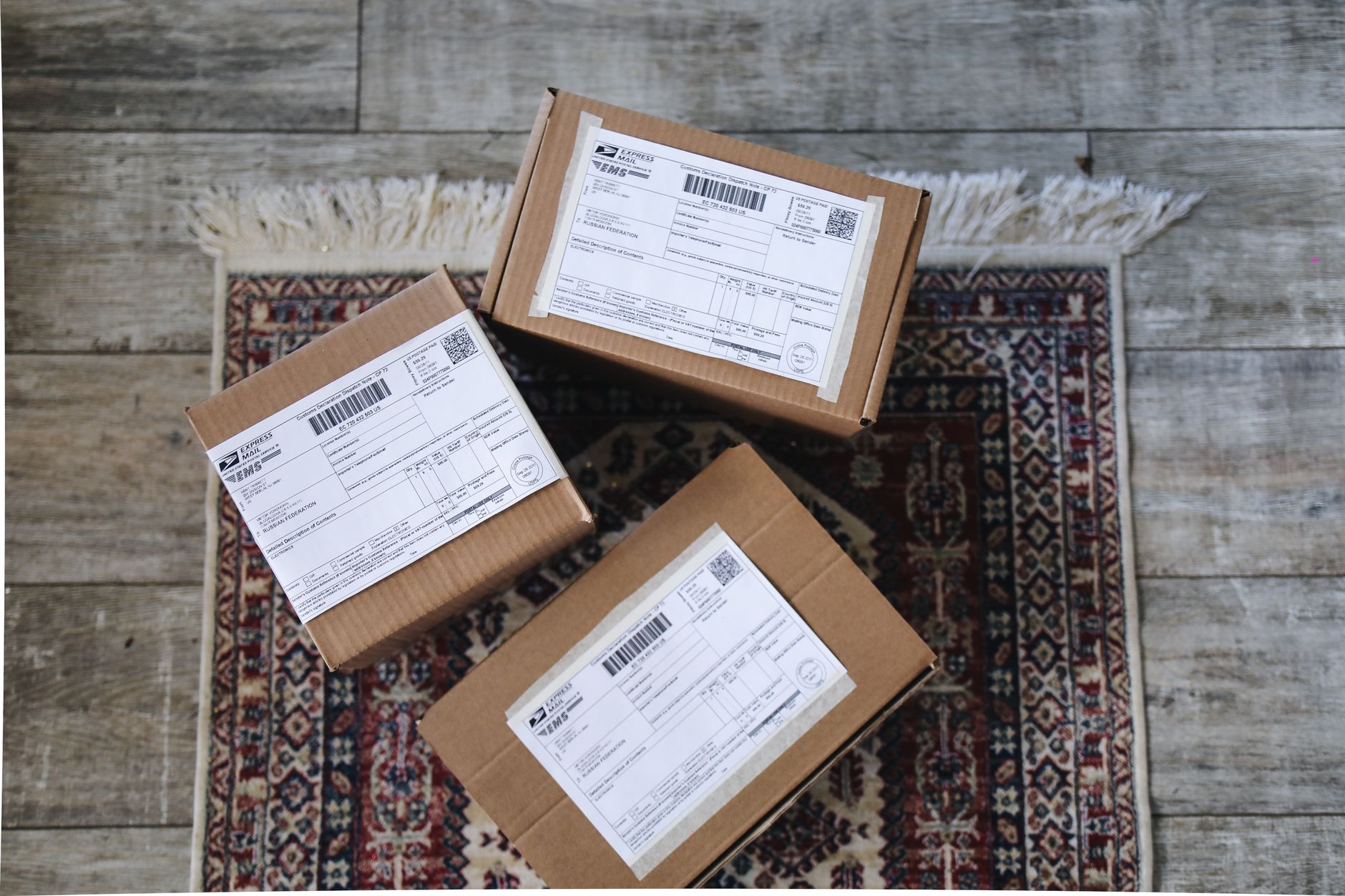
Damage codes should trigger lane placement before repair quotes go out. A cobot that sorts to clean rentable without reading a hold flag creates customer disputes.
Photo stations at the cell edge help when billing needs timestamped condition records. The robot presents the unit. A human or fixed camera captures what the CRM expects.
Keep quarantine totes physically separate from rentable lanes so a mis-scan does not merge paths.
- Log asset tag reads that fail twice before escalation.
- Standardize tote colors by disposition code.
- Reject overweight lifts to manual bench with a clear flag.
What about batteries and powered rental gear?
Cordless returns need voltage or charge checks before they re-enter available inventory. The cell sequence should pause powered units at a test fixture, not stack them in rentable lanes unchecked.
Charger matching matters when SKUs share a family but not the same dock. Barcode on charger and tool should pair before kitting.
Thermal cameras are optional. A simple go/no-go test hook often beats guessing from shelf time alone.
How do accessories stay matched under high mix?
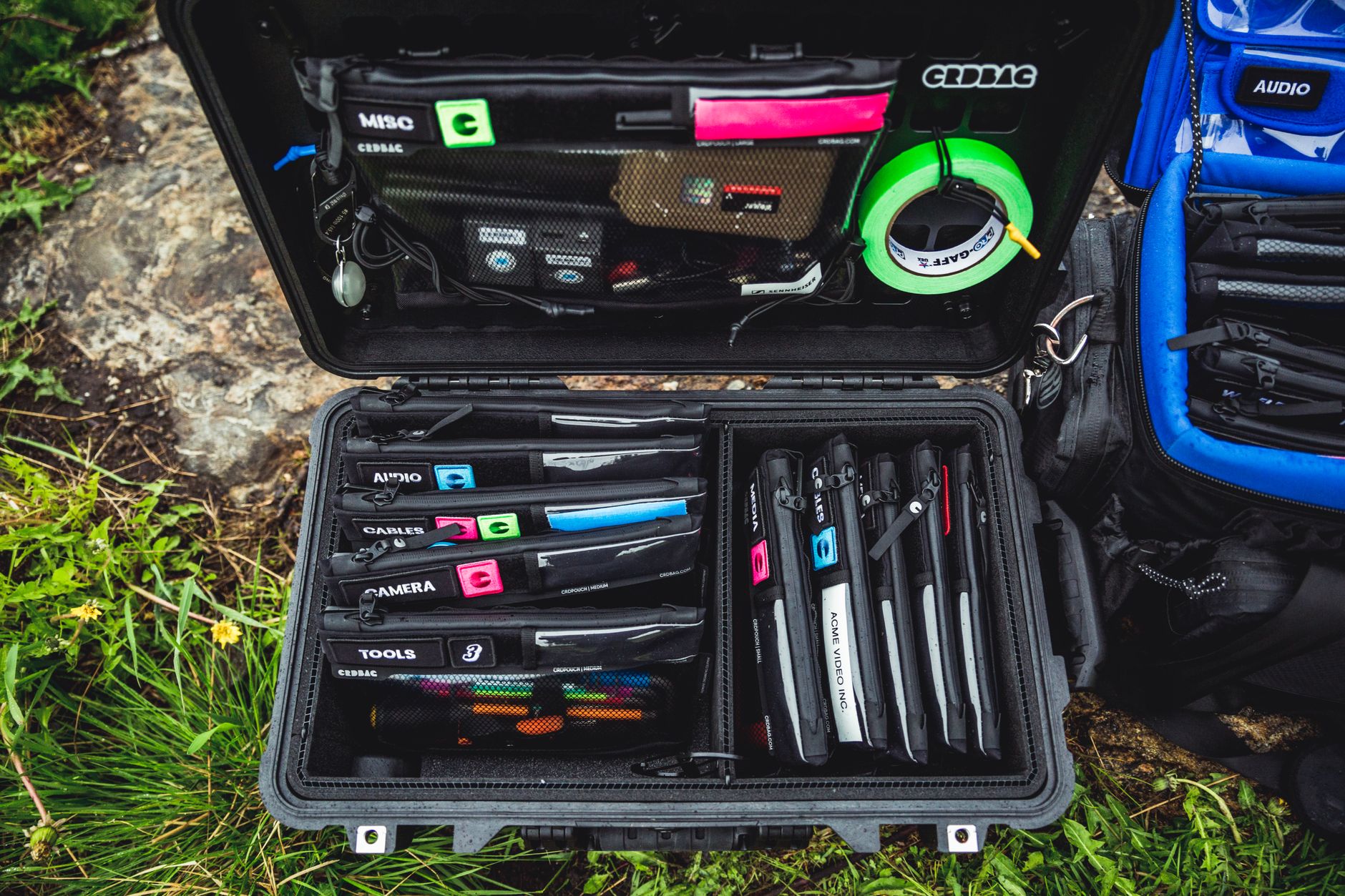
Event and AV rentals return partial kits constantly. WMS or rental software should drive expected accessory lists per contract line, not only per asset tag.
Vision can confirm case outline against expectation for high-value kits. It is slower than blind pick but catches swapped lenses or missing trays before rentable status.
Program libraries keyed to rental category beat re-teaching when Monday returns the same wedding season bundle.
What cleaning steps belong near the robot?
Sort cells are not wash bays. Still, intake often needs a quick wipe or blower before gear enters clean lanes. Define where humans clean versus where the arm only handles dry units.
Dusty construction tool returns may need a manual blow-down zone before the cobot picks. Grippers and scanners fail faster on gritty handles.
How do changeovers stay manageable across seasons?
Snow season swaps tool mix for event season within weeks. Lane maps and gripper sets should version with the category calendar.
Cobot rental with maintenance included lets you measure true changeover minutes through a peak holiday on operating budget before capital buys a second arm.
What should traceability record?
Each unit should tie asset tag, disposition lane, scan time, and technician release to what your rental system already expects. When a customer disputes damage, you need the intake record, not a guess.
Reject counts for incomplete kits should be tracked separately from repair queue depth. Failures often trace to intake skips before they trace to the arm.
How do you validate a pilot without fooling yourself?
Run side by side with manual intake on the same return categories for at least one full busy weekend. Track mis-sorts, missing accessories caught, and units per hour separately.
Include a deliberate wrong tag and incomplete kit in the daily startup check. If the cell cannot reject both on the first shift, do not trust it on the tenth.
When does outside integration beat adding another sorter on peak day?
Depots often hire temps before they fix lane labels or standardize totes. Service Robot Co. acts as a full service commercial robot integrator for U.S. rental and event operations. We are OEM neutral on arms, grippers, and vision, then finance, deploy, integrate, train, and service through a nationwide engineer network.
A first site visit maps return categories, test fixtures, and where human safety sign-off must stay final. One gear family on one lane is enough to prove scan data before you tie the cell to utilization scorecards.