Key takeaways
- Sorting belongs at the boundary between dirty intake and validated reprocessing, not inside the sterilizer cycle.
- Vision-guided cobots can read marks and route trays, but they never replace your SPD quality system or signed release.
- Contamination risk rises when similar instruments pile on one cart without scan discipline.
- Traceability data from the cell should feed the same log your audit team already uses.
- A vendor neutral integrator can pilot one sort lane before you expand cobot rental across a second shift.
Where can cobots actually help sort reusable medical devices?
Central sterile and device reprocessing departments live on sort accuracy. Trays arrive from OR, clinic, and procedure rooms with mixed instruments, broken sets, and urgent add-ons. Staff must identify each piece, separate non-conformances, and route sets toward the correct wash and sterilization path without cross mixing.
Collaborative robot arms with vision fit at the sort table when the camera and gripper can confirm identity before the item enters a clean workflow. The cobot might pick a labeled tray, present it to a scanner, or place instruments into partitioned bins keyed to set type. It does not run the autoclave or sign the release record.
The value is repeat identification and gentle handling on high volume shifts, not removing every technician from the decontamination room. Cobots fail as a default when instruments lack consistent marks or when your master data does not match what arrives from the field.
Why is instrument identification harder than it looks on paper?
Reusable devices carry laser marks, stickers, and wear that change over years of reprocessing. Similar clamps and forceps share silhouettes until a human or camera catches the jaw length difference. A wrong sort sends a set to the wrong wash profile, which is an infection control event waiting for audit.
According to the U.S. Bureau of Labor Statistics, health care and social assistance reported 562,500 injury and illness cases in 2023. Sterile processing and material handling contribute to that total through sharps, slips, and repetitive motion even when no single incident makes headlines.
Vision models need a library built from your actual inventory, including loaner sets and legacy trays. A demo on new instruments alone will mis-route the bent and discolored pieces that dominate real trays.

How do contamination risks change at a robotic sort lane?
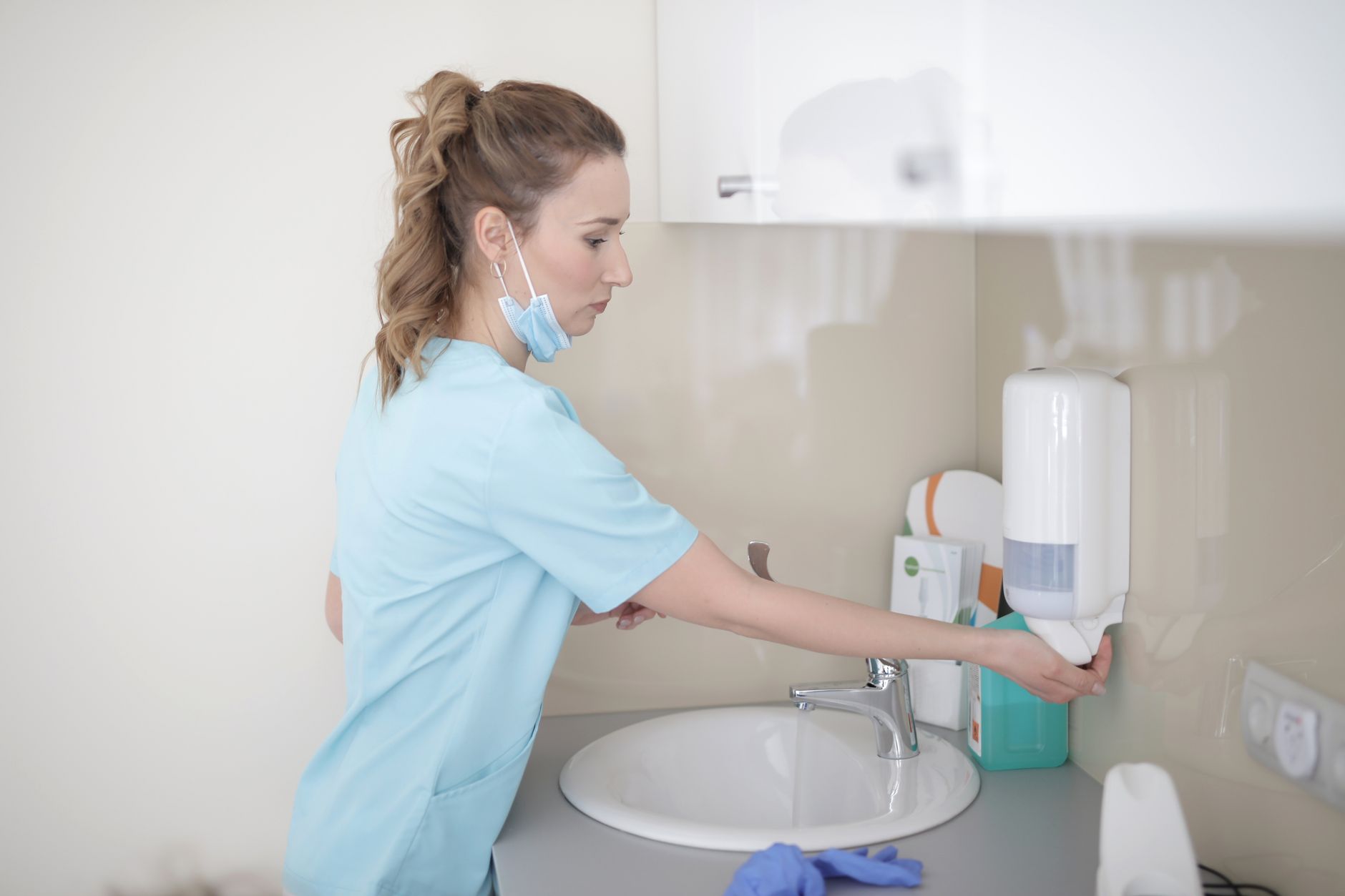
Dirty side and clean side discipline still governs everything. A cobot arm that crosses from decontamination to assembly without a defined barrier becomes a vector, not a helper. Layout should keep the robot reachable zone on one status side per program, with tools changed or isolated between phases if needed.
End effectors need materials that tolerate enzymatic soak and frequent wipe down. Porous foams and uncapped vacuum cups trap fluid. Design the nest so runoff drains away from gripper joints and cable runs.
Exception handling must stay human. Cracked insulation, unexpected bio burden, or unknown foreign items belong in a quarantine bin with a log entry, not in an automated retry loop.
What traceability should the cell produce?
Every sort decision should emit a record: instrument or tray ID, timestamp, operator override if any, and destination bin. That log must align with the tracking your facility already uses for loaners, implants, and consignment sets.
When vision confidence drops below threshold, the workflow should hard stop and call a technician rather than guess. Silent mis-sorts are worse than stopped lines because they surface at the OR door.
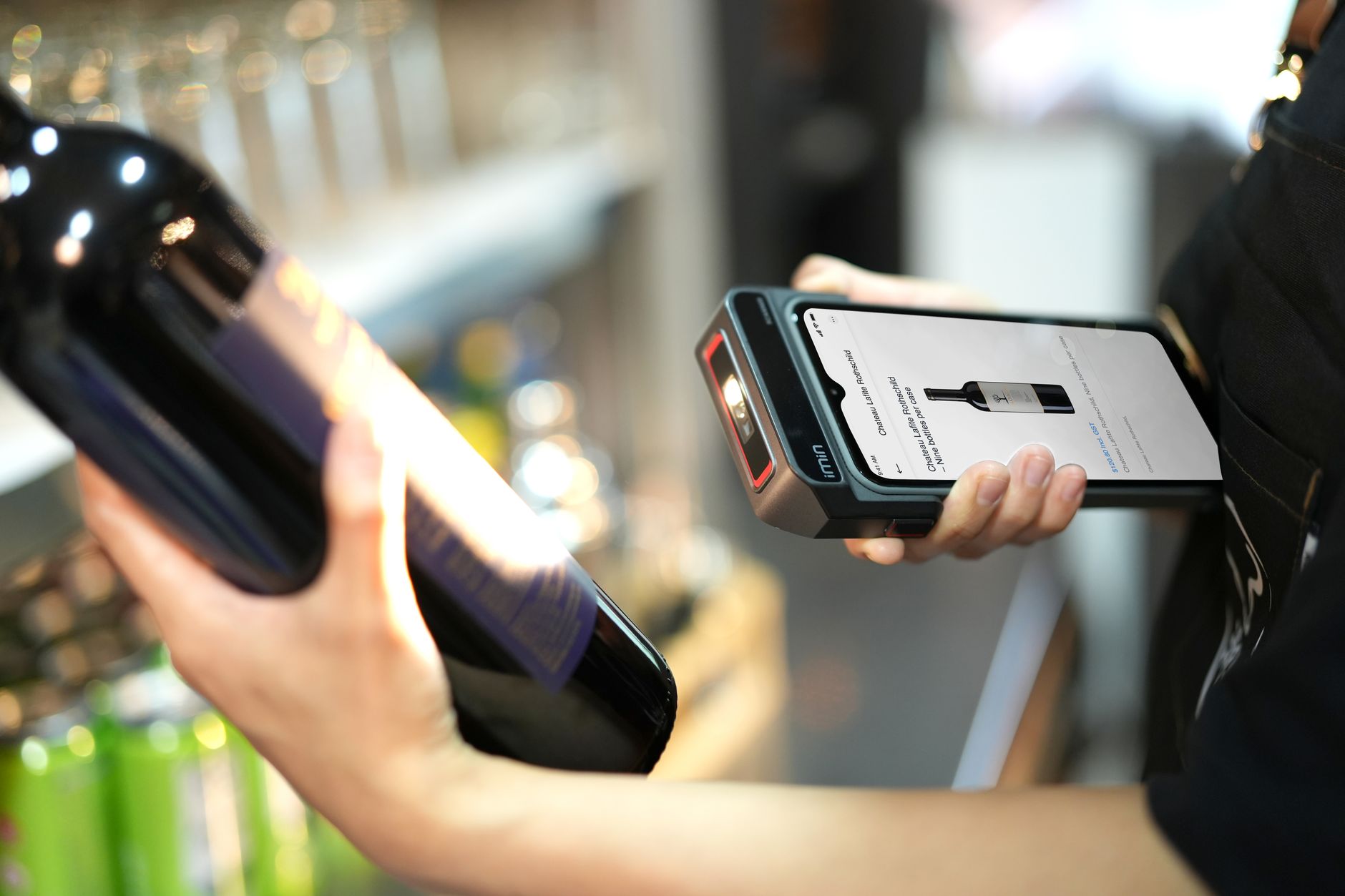
Integration with bar code and RFID readers is usually simpler than trying to infer identity from shape alone. Use vision to confirm, not to invent, an ID the tag already carries.
- Log each reject with reason code and photo when policy allows.
- Tie bin release to scan of the downstream wash cart.
- Keep override keys with named supervisors, not shared PINs.
Who owns the validated process when a cobot joins SPD?
FDA expects reusable devices to be reprocessed according to validated instructions from the device manufacturer. Adding automation does not transfer that responsibility to the robot vendor. Your quality unit still owns master data, load configurations, and release criteria.
Change control should treat a new sort program like any other SPD process edit: risk review, training, and evidence that the robot path does not skip required inspection steps. Document what the machine does, what humans still do, and how you prove both on audit day.
Software updates to vision models belong in the same governance as label template changes. Version them, test on retained dirty trays, and roll back if mis-routes spike.
How should you handle exceptions and urgent add-ons?
Add-on cases and incomplete trays peak at shift change. The cell needs a fast manual mode that bypasses auto sort without disabling logs. Technicians tag the tray as exception, run a shortened verify path, and merge back into standard routing once complete.
Loaner and trial sets often lack the same marks as owned inventory. Either exclude them from auto sort until data exists or route them to a dedicated exception lane by policy.
Peak volume is when shortcuts tempt staff. A cobot that keeps scanning discipline during rush hour protects the same metrics your infection prevention team tracks all year.
When does outside integration beat staffing the sort table forever?
Hospitals and surgery centers that reprocess in house often add headcount before they fix tray master data. Cobot rental for manufacturing style cells with monthly service included lets you pilot one dirty-side lane while quality reviews the logs.
Service Robot Co. acts as a full service commercial robot integrator for U.S. health care and industrial reprocessing sites. We are OEM neutral on arms, cameras, and grippers, then finance, deploy, integrate, train, and service through a nationwide engineer network.
Start with one instrument family and one destination map. Prove traceability and exception rates on live trays before you tie the cell to loaner management or second shift coverage.