Key takeaways
- Cobots win when the same table sees repeat plate sizes and you can standardize wet-part handling.
- Abrasive slurry and garnet dust punish bare grippers and unsealed cabinets faster than laser cells.
- Fixture change time can erase robot savings if every job needs a new nest and new pins.
- Industry planning guides often model 35 to 50 percent billed utilization during ramp-up before cobot payback is realistic.
- Service Robot Co. can scope a vendor-neutral pilot with lease options and nationwide service support.
When does a cobot belong on a waterjet table?
A collaborative robot can load and unload waterjet cutters in a job shop when the table runs often enough that an operator standing at the slats is the bottleneck, not programming or quoting. Waterjet excels at short runs and prototypes because it skips hard tooling, which also means your tending robot must tolerate frequent sheet and part changes.
The fit is rarely all day on every machine. It is usually one high-volume table where plate sizes cluster, tabs are predictable, and finished parts can leave the tank on a drip tray without someone hand-drying every edge.
If your shop still loses hours moving abrasive bags and cleaning the tank, fix those workflows first. A cobot on a messy cell only automates the walk to a wet, gritty table.
What changes with wet parts and abrasive contamination?
Waterjet parts exit soaking wet and often carry garnet grit. That combination eats unsealed vacuum cups and open-frame arms the way laser slag eats bare steel fingers.
Plan grippers for rinse-friendly materials, shrouded joints, and quick-change soft tooling you can scrap when abrasive embeds in the pad face. Keep the robot off the tank grate when possible. Load from a side station where parts drain over a slotted tray.
The Fabricator has noted that shops can spend ten hours a week just transporting abrasive around the floor, which at a forty dollar fully loaded labor rate approaches twenty thousand dollars a year before the cutter even runs. A tending cobot does not remove abrasive handling, but it can keep your best operator off the table during long pierce cycles.

How should fixtures be designed for high-mix tending?
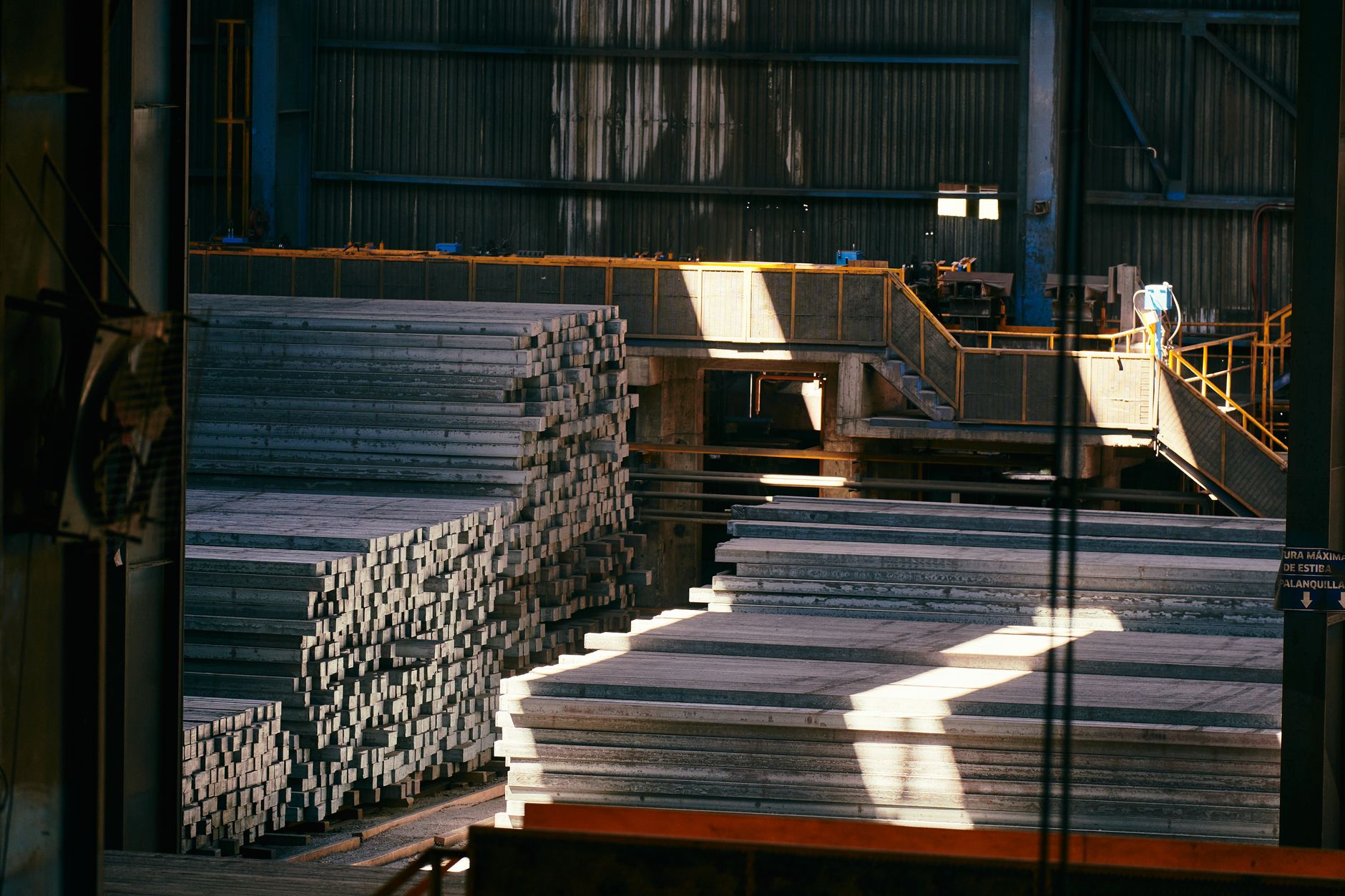
Waterjet nests change daily. A robot cell needs repeatable datum points on the sheet, not a bespoke fixture per customer logo.
Use pinned corner locators and software offsets rather than machined nests for every SKU. Limit robot reach to one sheet size family per shift when you can.
Add mechanical compliance at the gripper so slight warpage in thin plate does not stall the cycle. Teach a light search move only where vision is worth the setup time.
- Standardize three sheet footprints before you buy a seventh custom nest plate
- Keep finished parts on a drain rack aligned to the same pick points every run
- Document tab locations so the robot never grabs a part still tethered to the skeleton
- Isolate the robot base from direct splash with a raised platform or curtain
How much programming time is realistic?
High-mix shops underestimate teach time. Every new material thickness pair needs approach vectors that miss the cutting head and the abrasive deflector.
Batch similar jobs so one program runs ten sheets overnight. That is where unattended load-unload pays, not on ten totally different one-offs in a day.
Offline simulation helps, but only if someone owns the library. Assign a single programmer-of-record for the cell or the programs will rot.
What production volume justifies the cell?
Business planning commentary on abrasive waterjet operations often models thirty-five to fifty percent billed utilization during early ramp-up, improving toward fifty-five to seventy percent as repeat work stabilizes. Your cobot case should assume the lower band until you have six months of logged cycle data.
Count pierce minutes, not just cut minutes. A table waiting on manual unload while the pump idles is where tending robots earn keep.
If an operator can only run one table because unload backs up, a cobot that frees thirty minutes per hour across two shifts may beat hiring a second hand for night shift.
How do you keep humans and overhead cranes in the loop?
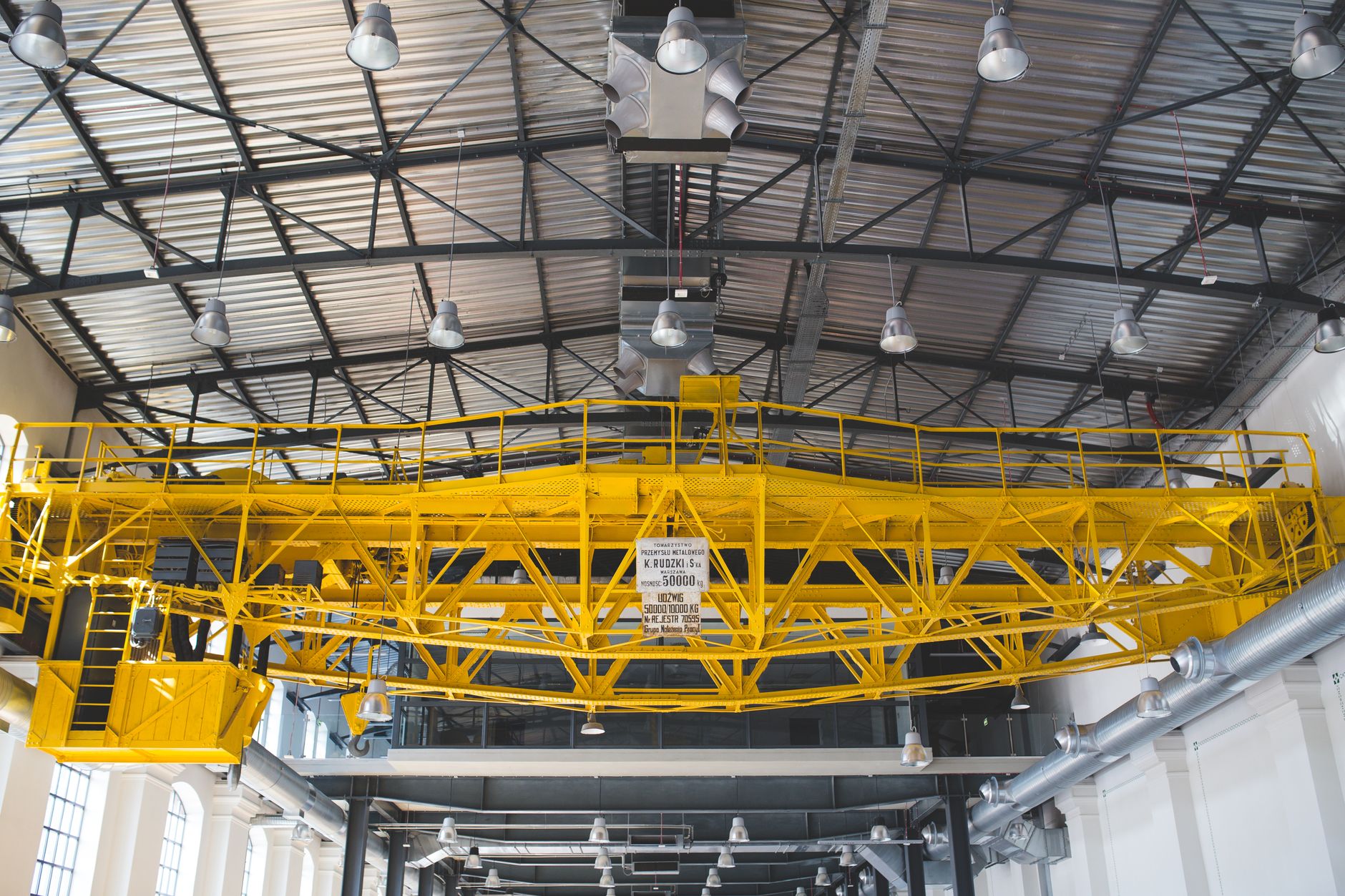
Waterjet bays often share overhead cranes for plate drops. Mark crane zones on the safety map and pause the cobot when the hook is live.
Humans deburr, inspect, and break tabs. The robot should deliver to an inspection bench height, not straight to a customer tote.
Light curtains or area scanners matter more here than in a dry machining cell because mist reduces visibility and people step in to squeegee the tank.
What does a pilot look like in a real fab shop?
Pick one material family, one sheet size, and one customer with steady repeats. Run two weeks manual baseline, then two weeks with the cobot handling only unload.
Track pierce-to-pierce idle time, scrap from dropped parts, and abrasive cleanup hours. If scrap rises, slow the move profile before you blame the operator.
Service Robot Co. can deliver a vendor-neutral assessment, cobot rental or lease paths, integration with your existing safety stack, and nationwide service engineers when a joint seal fails mid-week.
What should you ask before you sign?
Ask for IP rating and washdown guidance on the arm and controller cabinet near the tank.
Ask how fast gripper fingers can be swapped when abrasive embeds, and whether spare kits ship with the lease.
Ask for sample cycle programs on your actual tabbed parts, not demo blanks.
Ask who owns safety validation when you add a second table later on the same controller.