Key takeaways
- Foam kitting cobots pay when cushion SKUs repeat but hand cutting and labeling blur at shift change.
- Compression and spring-back change pick geometry more than cycle time on the arm alone.
- Dust extraction and blade guarding belong in the risk assessment before anyone teaches on live buns.
- Nesting software and barcode ID must match what upholstery sees at the frame, not only at the table.
- Cobot rental for manufacturing lets you prove changeover minutes on one cushion family before capital buys a second cell.
Where do cobots help on an upholstery foam line?
Furniture plants often cut buns, label pieces, and kit covers on the same bench while frame build and sewing compete for the same skilled cutters. Manual kitting works until a style change turns a mislabeled cushion into a full rework loop on the floor.
Collaborative robot arms fit when foam presents in a stable stack or conveyor nest and the cut path is defined in CAD or a digital nest file. The cobot can pick a bun, present it to a fixed blade or band path, apply a label or ink mark, and place cut pieces into a kit cart keyed to frame sequence. It does not replace your upholstery lead who signs off on density and fire rating for the SKU.
Cobots are a weak default on one-off prototypes that change hourly or volumes so low that nest setup eats the shift. They earn hours on sofa and sectional programs where the same cushion families run every week.
Why is flexible foam harder to automate than sheet goods?
Upholstery foam compresses under vacuum or finger pressure and springs back on release. A grip tuned on a cold bun can slip after the room warms or when lot density shifts.
According to the U.S. Bureau of Labor Statistics, private industry manufacturing reported 355,800 total recordable injury and illness cases in 2023, with a total recordable case rate of 2.8 per 100 full-time workers. Cut and laceration risk stays real wherever hand knives and band blades meet repetitive motion.
Automation works when engineering documents acceptable compression, pick height, and reject paths before anyone teaches on live material. Letting the arm guess on partial cuts is how you automate scrap piles.

How should dust extraction and blade safety be planned?
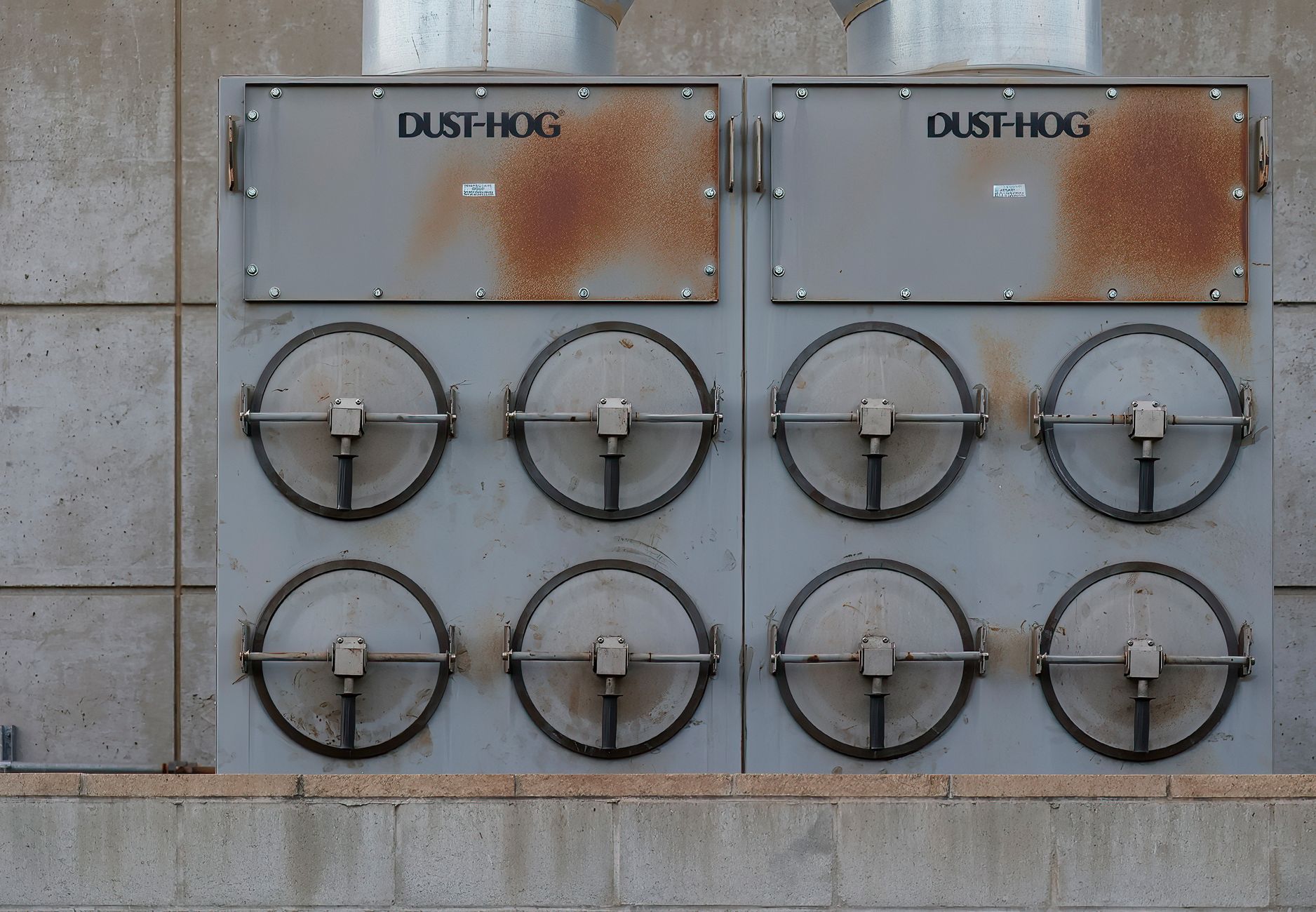
Open-cell foam generates fine particulate at the blade. Extraction at the cut point protects operators and keeps vision lenses readable longer than shop air alone.
Fixed blades and guarded band paths need interlocks that match what OSHA expects for point-of-operation guarding. The cobot presents and retracts. It should not override a guard open fault.
Teach points stay outside the blade envelope. Human cutters often stand closer than a collaborative arm should during automatic motion.
- Map pinch and shear points in the cell layout before SAT.
- Verify extraction flow when two buns queue at the nest.
- Log blade changes with program version IDs.
How does nesting interact with high product variation?
High-mix upholstery runs dozens of cushion sizes from the same foam grade. Nesting software that minimizes scrap still has to output piece IDs your kit cart understands.
Barcode or ink ID should tie to frame sequence, not only to the nest file name. A robot that cuts correctly but kits to the wrong wagon still stops the line.
Program libraries keyed to style code beat re-importing DXF files every Monday when the same sectional returns after a fabric change.

What grip and identification choices survive real buns?
Vacuum on a flat bun face works until grain direction or skin film changes leak rate. Soft jaws or needle arrays appear on some lines but need hygiene and damage limits your QA team must approve.
Vision can confirm outline after cut against the nest expectation. It is slower than a blind pick but catches wrong rotation before kitting.
Keep human sample checks on first-off for each nest revision. Automation should not skip the same sign-off you require when a new cutter starts.
How do changeovers stay manageable across cushion families?
Sectional programs swap arm lengths, back widths, and chaise pieces within one shift. Tool change and nest load time belong on the scorecard next to cut seconds.
Cobot rental for manufacturing with maintenance included lets you measure true changeover minutes through a peak build week on operating budget before capital buys a second arm.
Document who approves foam lot substitutions when purchasing shifts suppliers. A cobot running yesterday’s density assumption on today’s bun is a comfort problem, not a robot fault.
What should the cell record for traceability?
Each kit should tie style code, nest version, foam lot, cut time, and operator release to what your traceability program already expects. When sewing reports a wrong thickness, you need the shift and nest ID, not a guess.
Reject bins for torn skins or out-of-tolerance thickness should be counted separately from frame quarantine. Failures often trace to blade wear before they trace to the arm.
How do you validate a pilot without fooling yourself?
Run side by side with manual kitting on the same SKUs for at least one full build week, including your heaviest sectional run. Track mislabels, miscuts, and kits per hour separately. A robot that never mislabels but adds forty seconds per kit may not survive.
Include a deliberate wrong nest and damaged bun in the daily startup check. If the cell cannot reject both on the first shift, do not trust it on the tenth.
When does outside integration beat adding another cutter on peak day?
Upholstery shops often hire temp cutters before they fix nest libraries or standardize kit carts. Service Robot Co. acts as a full service commercial robot integrator for U.S. furniture producers. We are OEM neutral on arms, grippers, and vision, then finance, deploy, integrate, train, and service through a nationwide engineer network.
A first site visit maps bun presentation, extraction, and where human sign-off on density must stay final. One cushion family on one lane is enough to prove ID and kit data before you tie the cell to frame build scorecards.