Key takeaways
- Treat commissioning as a parallel workstream to construction, not a task for the week before ribbon cutting.
- Lock a map versioning policy early because floor paint, racks, and walls will change weekly.
- Stand up temporary power, Wi-Fi, and charger pads before you promise autonomous coverage.
- Run acceptance tests on real SKUs and real shifts, with fault injection, not demo laps only.
- Keep one integrator on the hook for SAT evidence, training, and nationwide service at handoff.
Can robots really be commissioned while the building is still changing?
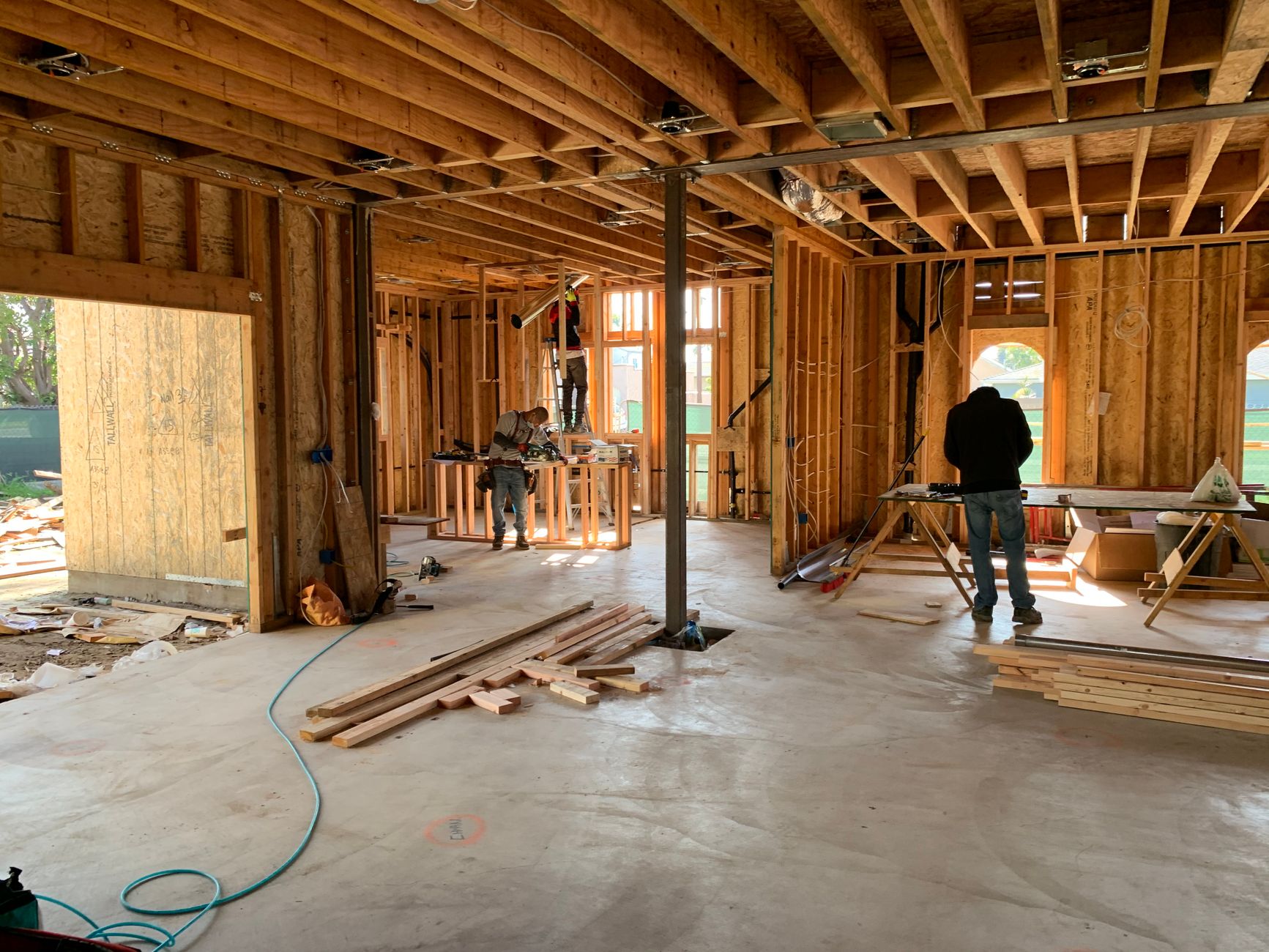
Yes, if you plan for churn instead of fighting it. Greenfield sites tempt teams to wait for perfect floors and final signage, but hotels, hospitals, and warehouses often need cleaning or material-move robots ready for soft opening while contractors are still punching list items.
The workable model phases capability. Early weeks focus on safe power-up, network proof, and reference mapping on stable zones. Later weeks expand routes as racking, casework, and clinical layouts land. Operations gets a controlled ramp, not a surprise go-live on day one of public traffic.
Who owns the commissioning schedule alongside construction?
Assign a single thread owner who sits in both the construction stand-up and the automation stand-up. That person tracks when aisles close, when elevators are certified, and when IT will flash production VLANs.
Facilities owns permanent power and charger rough-in. IT owns SSIDs, firewall rules, and time sync. The integrator owns robot-specific safety files and SAT scripts. When those roles stay in separate email chains, robots arrive before docks have network drops, which is how projects lose weeks to blame instead of testing.
How should temporary networks and power be staged?
Construction Wi-Fi is not operations Wi-Fi. Still, you need a controlled sandbox SSID so integrators can validate radios, roaming, and latency before the production SSID goes live. Document which access points are temporary and which are permanent so nobody maps routes against coverage that will disappear.
Chargers need dedicated circuits, clearances, and often floor anchors planned before polish coats. Autonomous scrubbers also need water and drain planning. A site assessment mapping pass should happen while conduit is still accessible, not after ceiling tiles are sealed.

What is the right map strategy when layouts shift weekly?
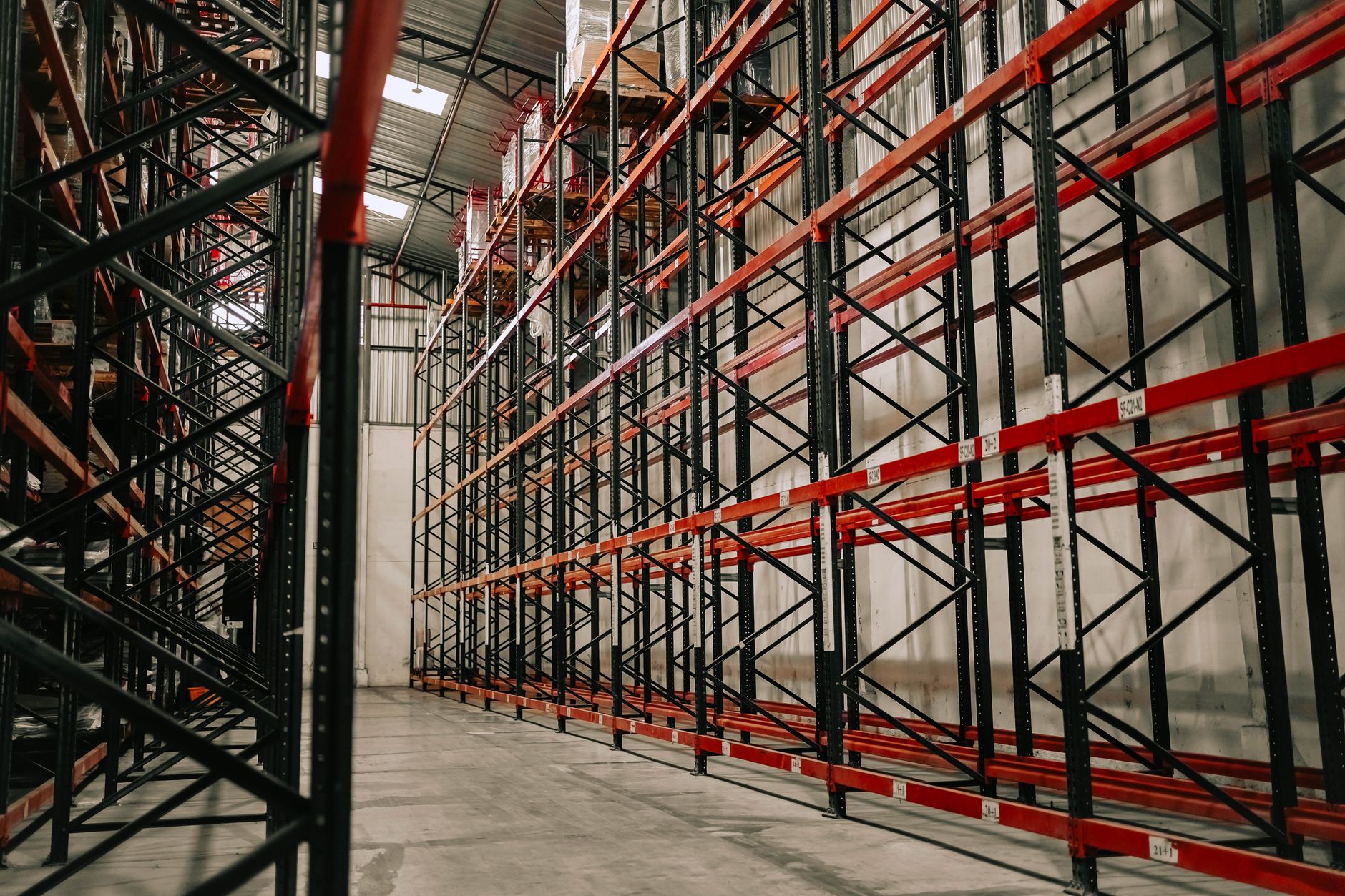
Start with a baseline lidar or teach pass on fixed structure: columns, walls, core restrooms, elevator banks. Tag every map file with date, zone, and responsible operator. When racking moves, publish a map revision instead of editing live production silently.
Keep-out zones should follow construction fencing in near real time. Delivery robots and AMRs that share hallways with pallet jacks need dynamic no-go areas during active build-out. Your fleet software should treat construction zones like seasonal retail resets, versioned and reversible.
How do safety and integration tests run in a live job site?
Safety validation cannot wait for certificate of occupancy. Light curtains, speed limits, and estop behavior should be proven while subcontractors are still on site, because that is when unexpected foot traffic appears.
Integrate early with the systems that will dispatch work later: building management for doors and elevators, warehouse execution for tasks, and ticketing for exceptions. Warehouse automation guides often separate factory acceptance from site acceptance; on greenfield work, treat every weekly milestone as a mini-SAT with written pass or fail criteria.
When should operators start training if the floor is not finished?
Train supervisors and night leads on exception handling before you train every hourly role. They need practice pausing fleets, switching zones offline, and completing tasks manually when an aisle is closed for epoxy cure.
Use unfinished zones for supervised teach repeats. Operators learn UI flows and escalation paths without risking guest-facing routes. Add frontline training once permanent signage, dock plates, and floor markings match the map revision tagged for opening week.
What belongs in final acceptance before handoff to operations?
Define metrics before the test window: sustained throughput in a peak profile, task latency, availability over a burn-in period, and error rates your contract already names. Automation acceptance checklists used in warehouse projects often call for multi-shift stress runs and fault injection, not a single guided tour.
Include realistic loads. Hospital carts, grocery totes, and hotel linens behave differently than empty trolleys. Block an aisle, drop Wi-Fi briefly, and confirm logs capture recoveries you can audit later.
Sign off only when open items have owners and dates. A conditional handoff with open safety or connectivity gaps passes problems to the general manager on opening day.
How do financing and service plans fit a phased opening?
Robot leasing for business and month to month robot lease structures can align spend with phased zones if capital is gated on certificate of occupancy milestones. The same integrator that financed the fleet should document which units are in pilot, which are in SAT, and which are billable full rate.
Service history starts at first power-on. Log software versions, map IDs, and parts installed during commissioning so warranty and uptime SLAs are not argued from memory later.
Where Service Robot Co. fits a greenfield playbook
Service Robot Co. acts as a vendor neutral robot integrator across cleaning, delivery, security, and warehouse automation. On new builds, that means one partner for site assessment mapping, temporary network coordination, recommissioning after layout changes, and go live support when operations takes the keys.
Turnkey robot deployment with nationwide field service matters when opening week slips and robots must keep earning while punch lists run. One partner one number keeps SAT evidence, training records, and service tickets in one thread from dirt floor to first customer.