Key takeaways
- Two 2026 hospital deployments show delivery robots moving from trial into routine use in some markets.
- Rochester's 100,000 trips are a volume count, while its 50,000 staff hours are the health system's estimate.
- BayCare's Relay projections are vendor figures, not measured results.
- Verify routes, trip logs and hours-saved sources before copying a competitor.
- A credible first step is a site assessment and one leased unit on your best-measured route.
Short answer for facility leaders
Yes, hospital robot programs have moved past the demonstration stage in some US markets. In June 2026, BayCare reported new Relay delivery robots at its Winter Haven hospitals, and in August 2026 Rochester Regional Health reported that its Moxi robots had passed 100,000 trips. Both announcements are dated, specific and worth reading closely.
The right response is not a rushed purchase or a copy of a competitor's press release. It is a short check of what each program actually measured, which routes its robots run, and whether your building has the same corridors, elevators and staffing gaps. Treat a neighbor's launch as a reason to scope, not a deadline to sign.
What BayCare's Winter Haven expansion shows
According to Robotics Tomorrow, BayCare expanded autonomous hospital delivery with new Relay robots at Winter Haven Hospital and Winter Haven Women's Hospital, reported on 3 June 2026. The two robots are named Stork and Miles. Relay Robotics' case study says Stork carries lab specimens, while Miles covers departments that lack pneumatic tube systems.
The figures need a careful reading. The same case study projects more than 500 deliveries and 150 clinical hours in a month across the two robots. That is a vendor projection, not a measured result, and any internal memo should label it that way. A BayCare newsroom item from September 2026 lists Miles and Stork among relay robots in use across BayCare hospitals, which shows the deployment was still active months after the June report.

What Rochester's 100,000 trips actually measure
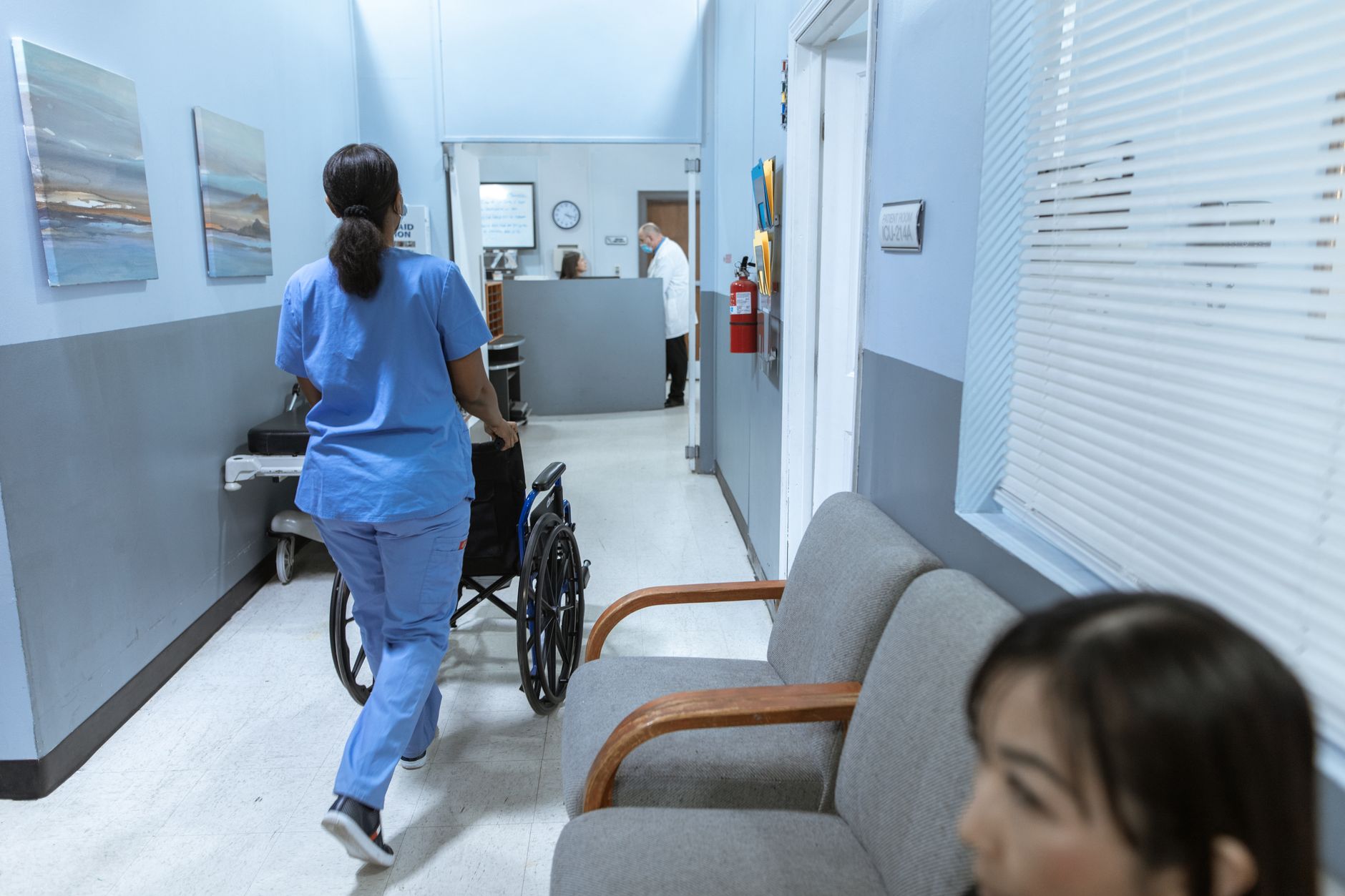
Fingerlakes1, reporting on 21 August 2026, says Rochester Regional Health's Moxi robots reached 100,000 hospital deliveries. About 75,000 took place at Rochester General and about 25,000 at Unity, counted since 2023. The robots carry medications, supplies and lab specimens, which places them in the same family of work many of your own staff already perform on fixed routes.
A trip count shows volume and continuity across two sites over roughly three years. That is a meaningful signal that the program survived daily operations. It does not, by itself, prove that nurses or runners gained time. The report's figure of more than 50,000 staff hours freed is the health system's estimate, so cite it as theirs and ask how it was calculated before it reaches a budget slide.
Vendor-side scale is a separate question. Diligent Robotics, which makes Moxi, reported more than 300,000 pharmacy deliveries across its fleet as of July 2025, according to The Robot Report. That figure is company-wide and vendor-reported, so it shows the platform has run at volume, not what any single hospital will experience.
What to verify before you react
Before you brief leadership on a competitor's program, check these points against public records and a short call to the operator:
- The announcement date, and evidence that the robots are still in service rather than only launched.
- Whether a number counts trips, deliveries or measured outcomes, and the period it covers.
- Who produced any hours-saved figure, and how staff time was measured.
- Which routes the robots run, including elevator waits, doors and departments without pneumatic tubes.
- How pickups, drop-offs and exceptions are handled when a robot cannot finish a run.
- Whether the program is a single-site pilot or a multi-site rollout with a named expansion plan.
Where a delivery robot fits beside tubes and staff
Pneumatic tubes, couriers and nurses all share the same short routes, and each carries its own limits. BayCare's Miles is described as covering departments without tube systems, which is a useful lens. The question is not whether a robot beats a tube. It is whether a specific route is long, repetitive and currently pulled away from clinical work.
Specimens and medications follow predictable paths, which explains why hospital programs often start there. Routes with frequent elevator waits, many fire doors or unpredictable stops deserve a slower trial with mapped zones. Those routes are where early pilots reveal their limits, and those limits become useful data for the next decision, not evidence that the idea failed.
Does competitor pressure justify moving fast?
Visible launches create pressure, especially when a neighboring system posts a milestone in the local press. A fast copy, though, often means a fleet sized to a headline rather than to the corridors you actually run. A slower decision built on your own measurements tends to hold up better when leadership asks for results a year later.
Speed matters in one narrow way: learning sooner. A small, measured start gives your team route and staffing data while others are still announcing theirs. That data is what separates a credible expansion from a press-driven one.
What a credible next step looks like
Start with a site assessment that maps routes, elevators, doors and staffing gaps, then decide whether the work fits a delivery robot, a different tool or no robot at all. Service Robot Co. works as a vendor neutral robot integrator. We match the robot to the task across manufacturers, then handle deployment and integration, training and service through a nationwide US engineer network, with one partner and one number from go-live support onward.
Our offer is a lease. After the site assessment, we quote one fixed payment on a 3-year lease, and a sensible first move is one leased unit on the route you have measured most carefully. Expand only when trip logs and staff feedback agree. Relay Robotics and Diligent Robotics both build hospital delivery robots, and the right platform for a given corridor depends on the route rather than on a headline.
Frequently asked questions
Want a robot working for you?
Tell us the job and the site. We will recommend the robot, quote the lease, and keep it serviced.
Sources
- Robotics Tomorrow: BayCare expands autonomous hospital delivery with new Relay robots at Winter Haven hospitals
- Relay Robotics case study: BayCare Health System (vendor-reported)
- BayCare newsroom: new delivery robot supports patient care at St. Joseph's Children's Hospital (September 2026)
- Fingerlakes1: Rochester Regional Health robots reach 100,000 hospital deliveries (21 August 2026)
- The Robot Report: Diligent Robotics completes 300,000 pharmacy deliveries with Moxi
Service Robot Co. is not affiliated with, sponsored by, or endorsed by the companies mentioned in this article.