Key takeaways
- A review visit judges what it sees on the day and the records behind it, so plan for both.
- Set fairway mowing windows around the play calendar and weather holds, then test them on paper.
- Keep dated height readings, crew check sheets and hold logs as the evidence you show.
- Labor pressure is real: a USGA article citing GCSAA data reports average labor expenditures up 17 percent from 2022 to 2024.
- Robot fairway mowing is still early at championships, so build conservative holds into any plan.
How do you plan fairway mowing windows before a review visit?
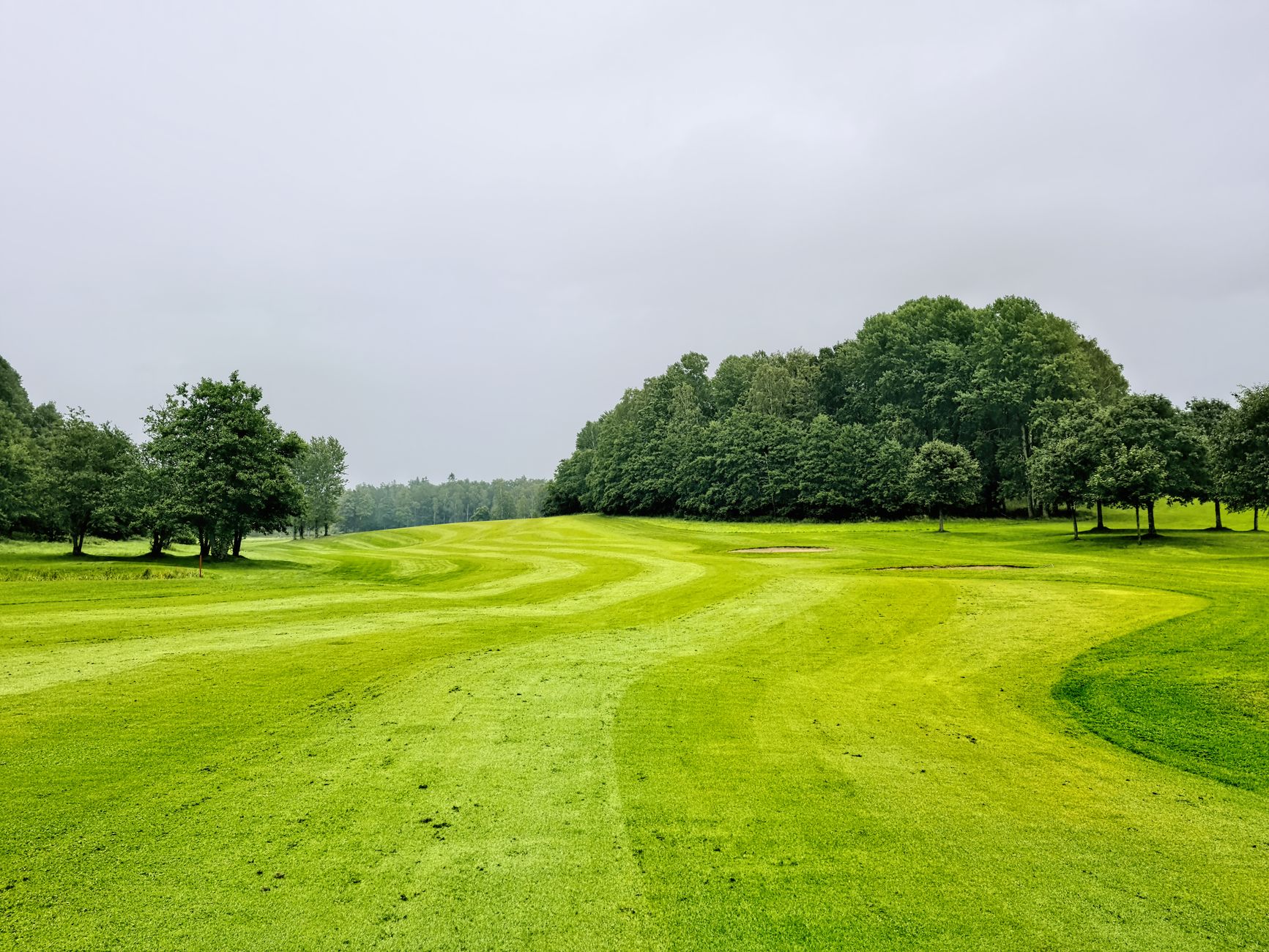
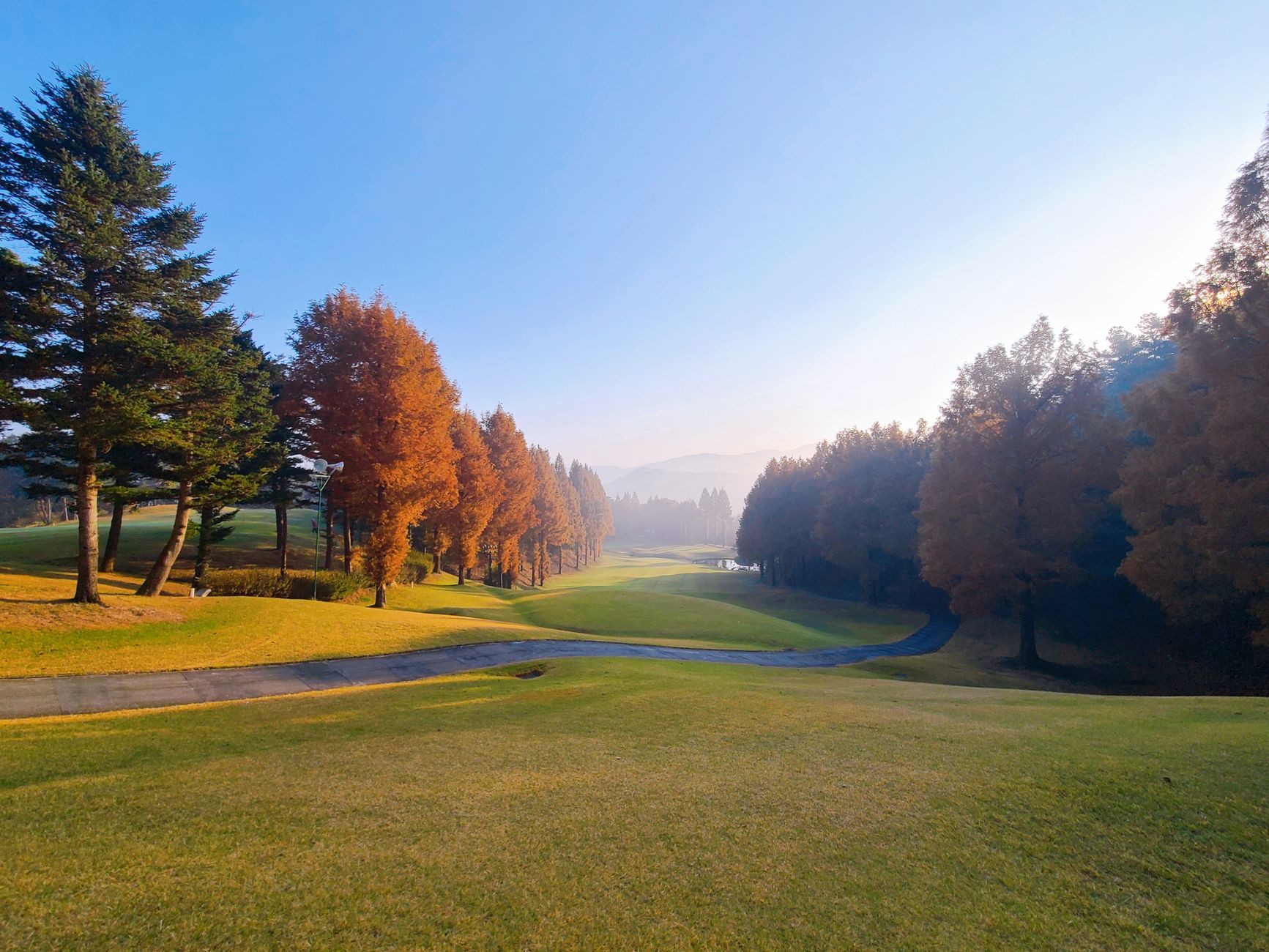
A review visit sees the fairways on one day, but it also asks how those fairways came to look that way. The weeks before the visit decide whether the turf reads as planned or as rushed. A good superintendent treats the mowing window, the crew checks and the paper trail as one plan.
Start by fixing the windows. Pin each fairway cut to gaps in the play calendar, including early morning before the first tee time, and leave room for weather holds and any league, event or setup days already booked. Then write the windows down, so the crew and anyone who helps on the day works from the same schedule.
Nothing in this approach predicts how a review will score a course. What it does is make the turf and the records consistent, which is the part a superintendent controls.
Why should the mowing window follow the play calendar?
The mower is rarely the constraint. Play is. A fairway cut at the wrong hour can put a machine in front of members, and a cut that lands on a league morning can shorten the window for everything else. Map the calendar first, then fit the cuts into the open gaps.
Build in a buffer for weather. A wet morning that stops work can push a cut into a window you already gave to a check or a bunker task. Name the fallback window for each fairway in advance, so a lost morning does not turn into a missed cut.
Protect the holes a visitor is most likely to walk. You do not need a published route to know which fairways sit along the main walking path, the clubhouse view and the first tee. Finish those cuts earliest and check them twice.
Which crew checks belong in the final weeks?
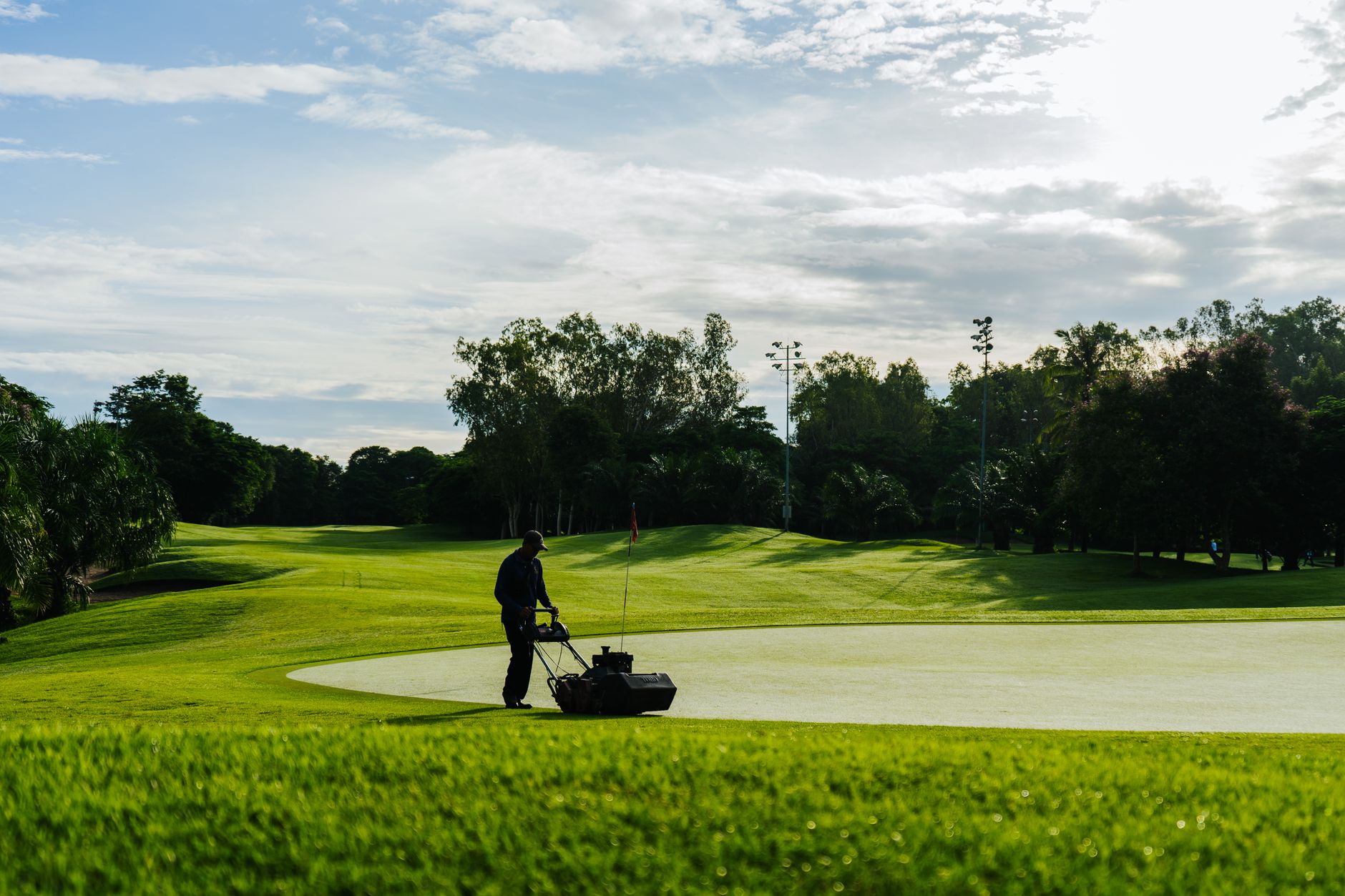
Checks should run on a fixed rhythm, not as a last scramble. In the final two weeks, walk sample fairways for clippings, divots and debris, and log what you found and what you fixed. Recheck mowing height with a dated reading at the same spots each time, so the record shows steady work and not a single good day.
Check the equipment that sets the cut. Confirm blades are sharp, deck settings match the target height, and any charging or fueling needs are met before each window opens. For robot mowers, confirm the boundary and exclusion zone map still matches cart paths, drains, bunkers and any new obstacles, because a stale map is easy to miss and hard to explain.
Assign each check a name and a time. A check with no owner tends to be skipped on the morning it matters most.
What evidence should a superintendent have on the day?
Bring records that show both the plan and the follow through. A dated mowing schedule set beside actual cuts is the core. Add height readings, crew check sheets with initials, a log of weather holds with the reason for each, and photos taken from the same fixed points each time.
Keep the file short enough that anyone can find a date in a minute. A thick binder nobody can navigate proves less than a clear log. Note every change you made and why, because a documented correction shows how the course responds to problems, which is often more useful to show than a flawless week.
These records show that work was planned and repeated. They do not guarantee an outcome, and they should never be presented as one.
How does labor pressure shape the window?
Staffing is the reason many plans fail before they start. According to a USGA Green Section article citing GCSAA's 2024 Maintenance Budget Survey, average labor expenditures rose 17% from 2022 to 2024. That figure was not checked against the survey itself, so treat it as the article's reported number. GCSAA's operations reports page also lists a 2025 Capital Budget and Labor Survey report, which is worth reading for staffing context in your own market.
When hours are tight, a written window survives a short crew better than a memory of the plan. Every window you assign to a machine is a window your crew can give to greens, bunkers or the check list.
Where do robot mowers stand on championship fairways?
Coverage of recent championships shows robot mowers moving into official turf programs, but not uniformly. At the 2026 U.S. Senior Women's Open at Barton Hills Country Club, Husqvarna robotic mowers supported turf management, and the coverage describes it as among the first official USGA championships to use robotic mowing in its maintenance program. That piece is vendor involved, so read it as one party's account.
At a USGA championship at Philadelphia Cricket Club, robot mowers cut the rough. According to coverage of that event, the superintendent was not using them on fairways at that stage, and he said fully unsupervised robot mowing on greens was still some years away. A USGA Green Section Record article also described most courses running one or two small units near clubhouses or practice areas, with an early look at an autonomous fairway mower, the FireFly Automatix AMP, at a Northern California course.
No formal USGA guidance on robotic fairway heights, slope limits or setup was found. Route those questions to USGA Green Section staff or its Course Consulting Service before you set a fairway plan around a machine.
How can Service Robot Co. help a course plan robot windows?
Service Robot Co. is a full service commercial robot integrator for US businesses, and we stay OEM neutral. We assess the site, pick the right machine across manufacturers, and lease it to you on a three year lease with one fixed lease payment quoted after a site assessment. We deploy, integrate, train your crew and service each unit through a nationwide US engineer network, so one vendor covers the whole lifecycle.
A useful first step is the site walk, where the boundary map, cart paths, drains and charging locations are checked against the windows you already plan. That gives you a defensible plan and a clear record to show the visitor, no matter how the review turns out.
Frequently asked questions
Want a robot working for you?
Tell us the job and the site. We will recommend the robot, quote the lease, and keep it serviced.
Sources
- USGA Green Section Record: How are golf courses adjusting to a challenging labor market
- GCSAA operations surveys and reports
- Turf Magazine: Husqvarna robotic mowers support turf management at the 2026 U.S. Senior Women's Open
- Golf.com: amateur championship robot mowers cutting grass
- USGA Green Section Record: Autonomous mowing technology keeps moving forward