Key takeaways
- A single fairway mower operator is a single point of failure, and a vacancy can stall the cut schedule quickly.
- According to the USGA Green Section Record, lack of qualified or skilled labor ranked as the top concern among superintendents in a recent survey.
- A robot mower on a mapped route can carry scheduled fairway passes so the crew keeps its attention on greens and tees.
- A backup program can start with a site assessment and one leased unit rather than a full fleet.
- Get the lease quote in writing and confirm what service, dispatch and training it includes.
The short answer for a fairway crew with one mower operator
If one person runs your fairway mower, that person's absence is a scheduling problem before it is anything else. Fairways still come due for cuts on the same calendar, and the work does not wait for a replacement to finish training.
The practical answer is layered. The superintendent sets priorities, the crew reshuffles, and a backup covers the scheduled fairway passes until a hire is in place. A robot mower running a mapped route can carry those repetitive passes, so the people you still have can stay on greens and tees.
According to the USGA Green Section Record, lack of qualified or skilled labor ranked as the top concern among superintendents in a recent survey. That finding is the reason a backup plan deserves a budget line now, rather than after the next resignation.
Why one mower operator becomes a single point of failure
A fairway mower is rarely a machine anyone can run on a Monday morning. The operator knows the height settings, the overlap pattern, the soft spots after rain and which collars need a slower approach. When that knowledge lives in one head, the cut schedule lives there too.
Vacation, illness and resignation create the same gap, and it usually shows up late. Turf labor has been difficult to fill for years. The Green Section Record has run pieces on how courses are adjusting to a challenging labor market, so superintendents are not facing this alone, but the exposure is still concentrated in one seat.
What a vacancy does to the cut schedule and crew morale
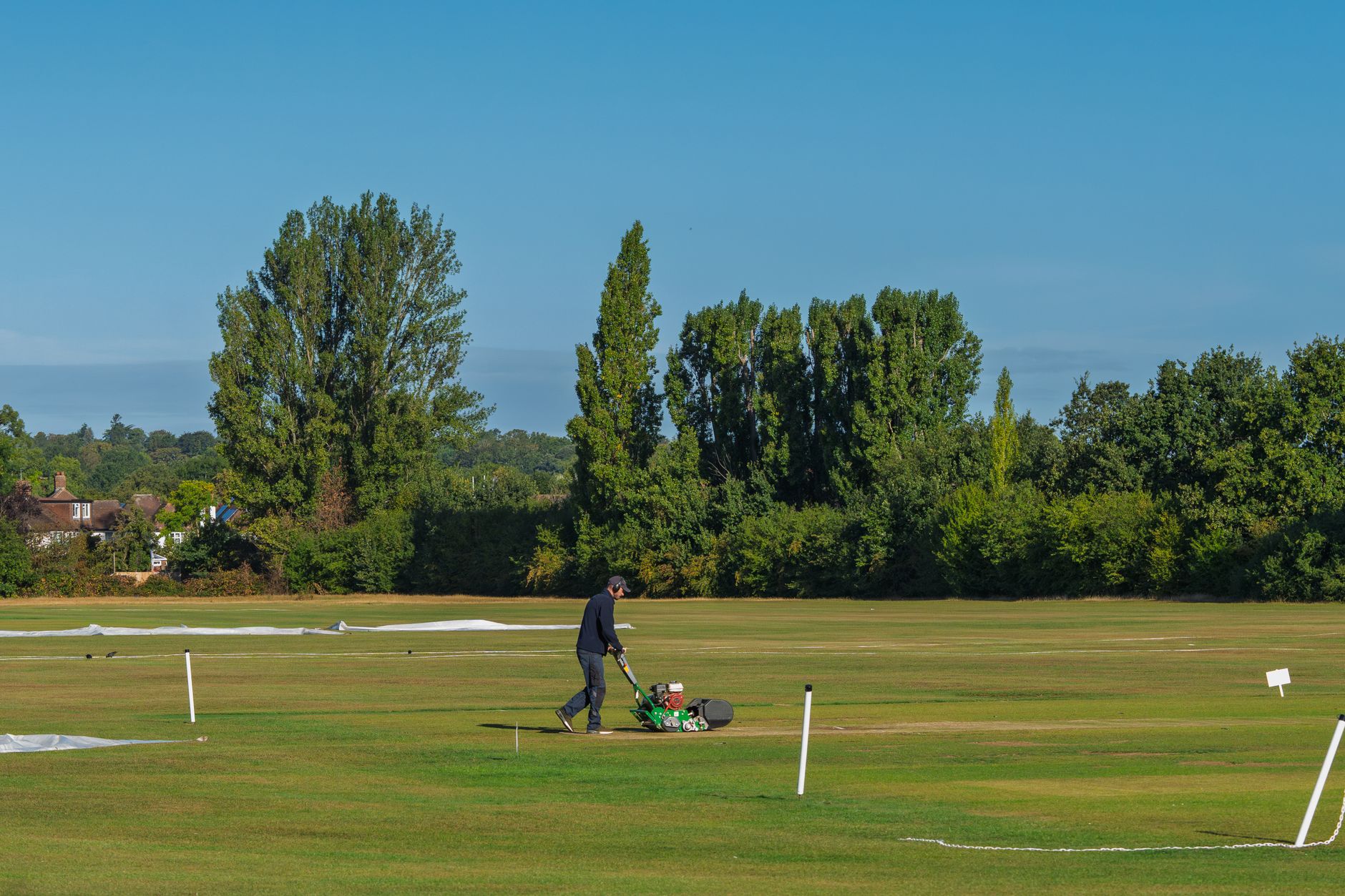
Missed fairway passes do not stay missed. Grass keeps growing through the gap, and the next pass takes longer or gets pushed into a window that collides with irrigation, traffic or the tee sheet. One late week can turn into two.
Morale suffers in parallel. Remaining staff pick up hours they did not plan for, and skilled people get pulled off the work they were hired to do. Watch for these early signs:
- Fairway passes sliding past their planned window more than once in a month
- Greens or tees crew members covering fairway work during their own mornings
- Overtime requests that keep recurring instead of appearing once
- Height checks drifting apart between the front and back nines
Tournament prep when the fairway operator is gone

Tournament week is where a vacancy stops being an inconvenience. Fairway heights, striping and clean lines have to be right on a fixed date, and the crew has little slack to absorb a missing operator. Prep tends to shift toward whatever is most visible, which usually means greens and tees, and fairways get whatever time remains.
The tradeoff is real. Asking a rough or bunker crew member to run the fairway unit keeps the cut moving, but it spreads skill thin and tires the people already carrying the most. A backup that handles routine passes ahead of the event leaves the crew free for the detail work tournament week actually demands.
Where a robot mower fits as the backup
A robot mower works on a route that has been mapped and set up for the property. It can carry scheduled fairway passes on a repeating timetable, which is the most repetitive part of the job. A person still sets the schedule, watches the results and steps in when conditions change.
It is not a substitute for judgment. Cart paths, drains, wet patches, trees and active play all need a plan before the machine runs, and someone has to check the finished work. Think of it as spare coverage for routine passes: the machine handles the passes that repeat, while the crew handles the calls that change.
What your crew keeps: greens, tees and the calls machines cannot make
With routine fairway passes on a schedule, the remaining crew can give greens and tees the attention those surfaces need. Hand work such as bunker edges, collars and detail trimming stays with people, because it depends on what the surface looks like that morning.
Cross-training matters here. A crew member who learns to supervise the mower's schedule, read the logs and flag problems is less dependent on one operator, and a new hire gets a clearer path into the work.
Setting up a backup robot program without a long shutdown
Service Robot Co. is a full-service commercial robot integrator for US businesses. We are OEM-neutral, so we select robots across manufacturers based on the job, then handle the commercial robot leasing, robot deployment and integration, training and service. One partner, one number, with service carried out by our nationwide US engineer network.
Our robot leasing runs on a 3-year lease with one fixed payment, quoted after a site assessment. That assessment is where mapping, zones and go live timing get settled. Many operators begin with one leased unit in a phased pilot, which lets a backup route prove itself before the program grows.
Before signing, get the quote in writing and confirm what it includes: the scope of the site assessment, mapping, supervisor training, go live support, on-site dispatch for faults, and whether spare unit coverage is available for your site.

Where a robot backup can still fall short
A backup robot is only as good as its map. Changes after tree work, new sprinkler heads or a relocated cart path can send the machine into areas it should avoid, so maps need updates and a named person needs to be responsible for them.
Weather and site conditions also set limits. Wet turf, lightning and heavy debris can pause the machine, and those pauses have to be planned into the week rather than discovered at dawn. The backup works best as coverage for routine passes, not as a promise that every pass happens on time.
Frequently asked questions
Want a robot working for you?
Tell us the job and the site. We will recommend the robot, quote the lease, and keep it serviced.