Key takeaways
- Overnight and before-dawn fairway passes are the hours a scheduled robot mower suits best.
- Edge work, collars, bunker surrounds and unit recovery still need a person, best planned for the cool hours.
- OSHA's Water, Rest, Shade guidance and the NIOSH work and rest tables set the logic for breaks, not a single hour limit.
- The NIOSH rest figure for heavy work near 95 F is a secondhand reproduction, so verify it before it goes into policy.
- Log every robot stop and every rest break to see where the crew's heat exposure really sits.
Which mowing hours can a scheduled robot take?
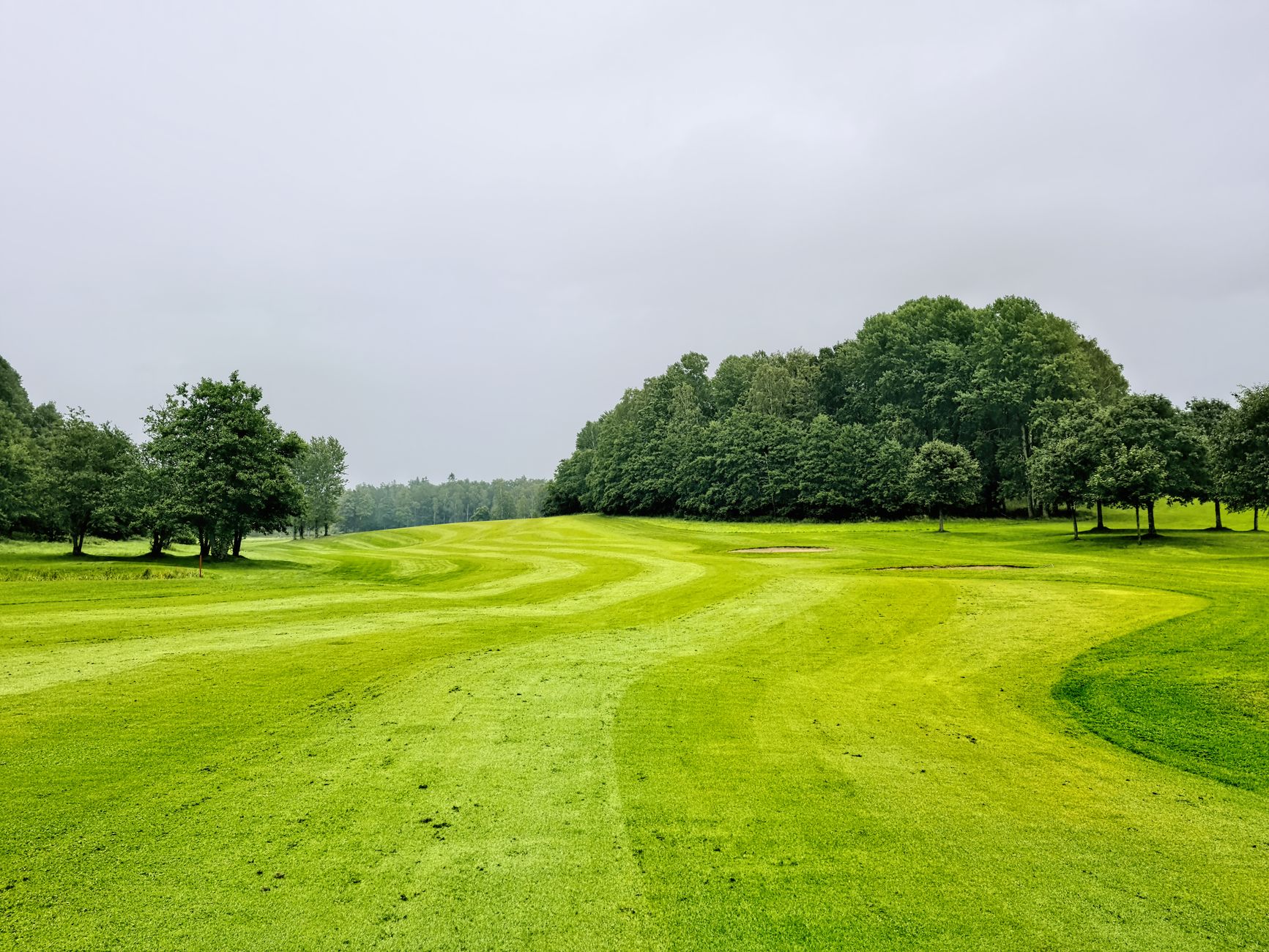
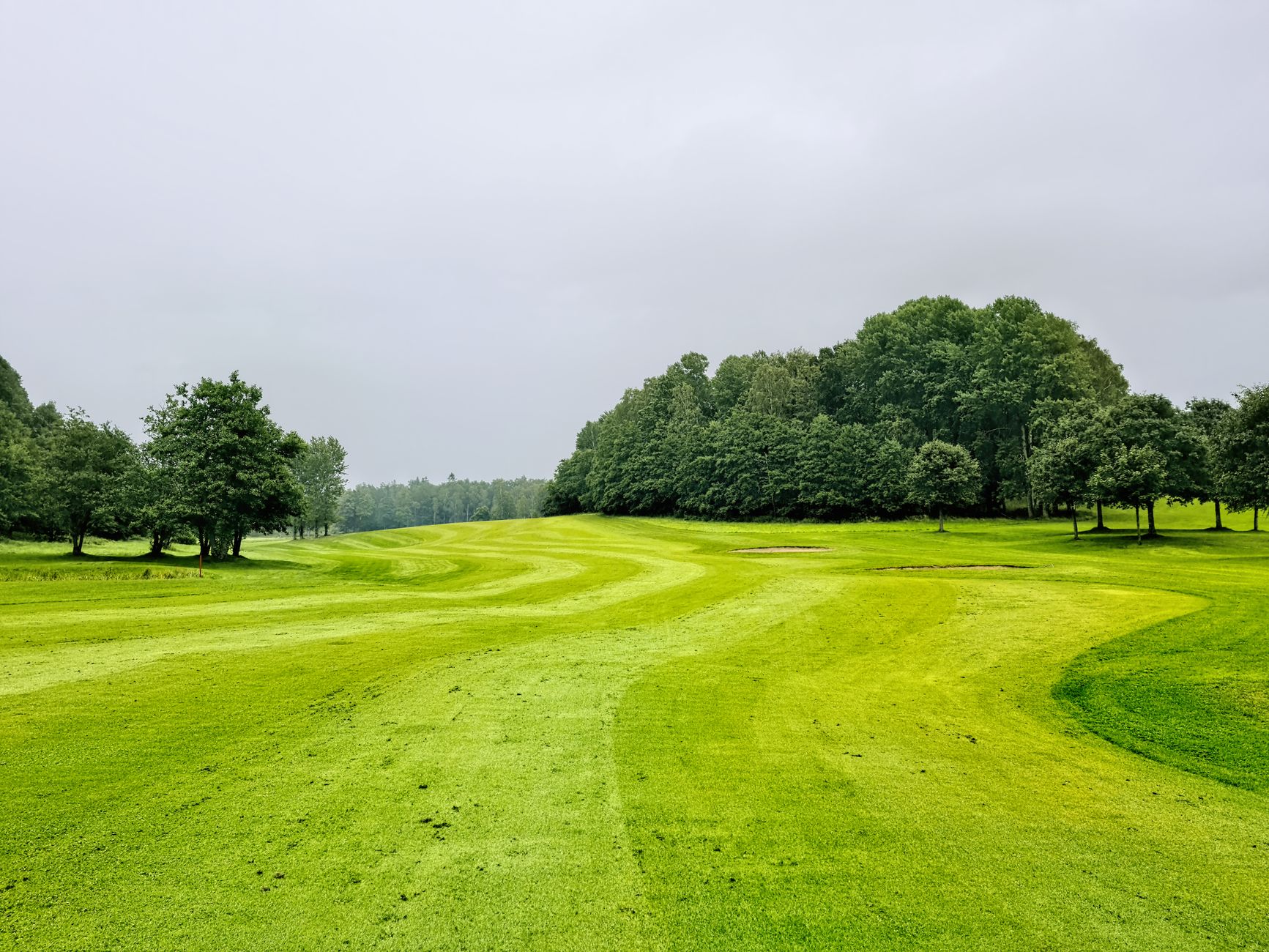
A scheduled robot mower can take the overnight and before-dawn fairway passes that once filled the first hours of a crew's day. The afternoon window, when a person on a riding seat is most exposed to heat, is the stretch a crew should protect, not fill.
The tasks that still need a person are the ones that need hands, judgment or a closer look: edge work, bunker surrounds, and anything the map does not see. Heat changes when those jobs happen, not whether they happen.
Tournament turf already shows the pattern. For the 2026 Husqvarna British Masters at The Belfry, Husqvarna's pre-event release, which is vendor-reported, said 15 CEORA robotic mowers would cut championship fairways overnight, with a team on site from 8pm to 6am. A golf business outlet later reported the units were an important part of overnight maintenance despite heavy rain.
What does afternoon heat ask of someone on a riding seat?
OSHA's Water. Rest. Shade. guidance says heat illness is preventable with those three measures. It also recommends acclimatization for new workers or anyone away a week or more, and spreading workload across the day with work and rest cycles.
Seat work is easy to underestimate. Sitting can make the job feel lighter than the heat load really is, so a crew lead should not read a calm operator as a cool one. The OSHA material we reviewed is guidance, not a numeric limit on seat hours, which means the crew lead has to set the limits.

What do the NIOSH work and rest tables say?
NIOSH says continuous work in heat is not advisable, and that workers need periodic rest breaks to cool and hydrate. Its work and rest schedule adjusts air temperature for direct sunlight and humidity, then sorts work into light, moderate and heavy activity.
A reproduction of the tables shows rest starting at about 95 degrees F for heavy work in normal clothing, with an example of 45 minutes of work and 15 minutes of rest. That figure is secondhand, so check it against the NIOSH 2016 Criteria document, Publication 2016-106, before it goes into a policy.
Breaks should lengthen for unacclimatized workers, rising temperature, still air, protective clothing and heavier work. At high heat stress, NIOSH suggests rescheduling the work. The tables assume fit, hydrated, rested workers under 40 in fairly dry air, so an older crew or a humid afternoon falls outside what the tables were built for. NIOSH-based material also warns that pacing yourself alone may not be sufficient.
Which fairway passes fit the overnight window?

The 2026 examples cluster around night and early-morning runs. At the Utah Championship in July 2026, FireFly Robotics' AMP mower handled six fairways at Ogden Golf and Country Club, running in the dark before play. Volunteers moved it between holes because of ropes and stakes, which shows that the course layout decides how much a robot can carry. That report is vendor-linked.
At St Ives Golf Club in the UK, the club acquired five Toro Turf Pro 500 autonomous mowers in 2026 and first deployed them on fairways overnight. As of November 2026, according to a Landscape and Amenity report, the club was exploring wider uses. Check the full article before quoting its figures.
Which tasks still need a person in the heat?
Edge work, collar and bunker surround trimming, and anything that puts a hand near a moving unit still belong to a person, and they belong in the cooler hours. A robot mower is only as good as the boundaries it was given, so a crew member should walk the course after storms, tree work or any new obstacle.
Recovery is the other task. When a unit stops, someone has to reach it, and that walk can happen in full sun. Plan the recovery route before the first summer pass, so no one is searching a hot fairway at noon.
What does a practical summer crew schedule look like?
Build the day around the cool hours and the rest rules, then move seat work into the windows where heat is lowest. The list below is a starting point for a crew to adapt, not a fixed standard. The times are placeholders the crew lead should tune to local heat and to the NIOSH tables.
- 8pm to 6am: scheduled robot passes on fairways, with a crew member on call for stops.
- 6am to 9am: check the robot run logs, clear any stops, then trim collars and edges while the air is cool.
- 9am to 11am: finish hand work and seat mowing that cannot wait, with rest breaks timed by the NIOSH tables.
- 11am to 4pm: move seat work indoors where possible, and service blades, sensors and charging equipment.
- 4pm to 7pm: a second window for light seat tasks, only if the heat has eased and rest breaks still hold.

How should the crew check that the schedule works?
Log each day: start time, rest breaks, heat conditions, and every robot stop with its cause. Those logs show which hours a robot actually carried and where the crew still spends its heat exposure, which is the number that matters for the next season's plan.
Service Robot Co. is a full-service commercial robot integrator. We pick the right robots across manufacturers, then lease, deploy, integrate, train and service each unit through a nationwide US engineer network. Our offer is a three year lease with one fixed lease payment quoted after a site assessment, so a crew can start with one course before it commits to more.
Frequently asked questions
Want a robot working for you?
Tell us the job and the site. We will recommend the robot, quote the lease, and keep it serviced.
Sources
- EHS Today coverage of OSHA Water. Rest. Shade. guidance
- NIOSH heat stress recommendations (archived page)
- UC Riverside EHS reproduction of NIOSH work and rest tables
- CDC stacks: NIOSH heat stress material
- Husqvarna press release on The Belfry robotic preparations (2026)
- Golf Business News: autonomous mowers at The Belfry
- The Golf Wire: FireFly Robotics at the Utah Championship
- Landscape and Amenity: fairway maintenance at St Ives Golf Club