Key takeaways
- Rain changes the mowing job from cutting height to timing, traffic and track control.
- A post event report says 16 CEORA units worked overnight on The Belfry's Brabazon Course during the 2026 British Masters.
- Treat vendor fleet counts and player comments as reported claims until your own pass logs confirm them.
- Set wet weather hold rules before the first drop of rain, not after the turf has already been marked.
- A three year lease quoted after a site assessment lets a course plan spare coverage before tournament week.
What did The Belfry actually run at the British Masters?
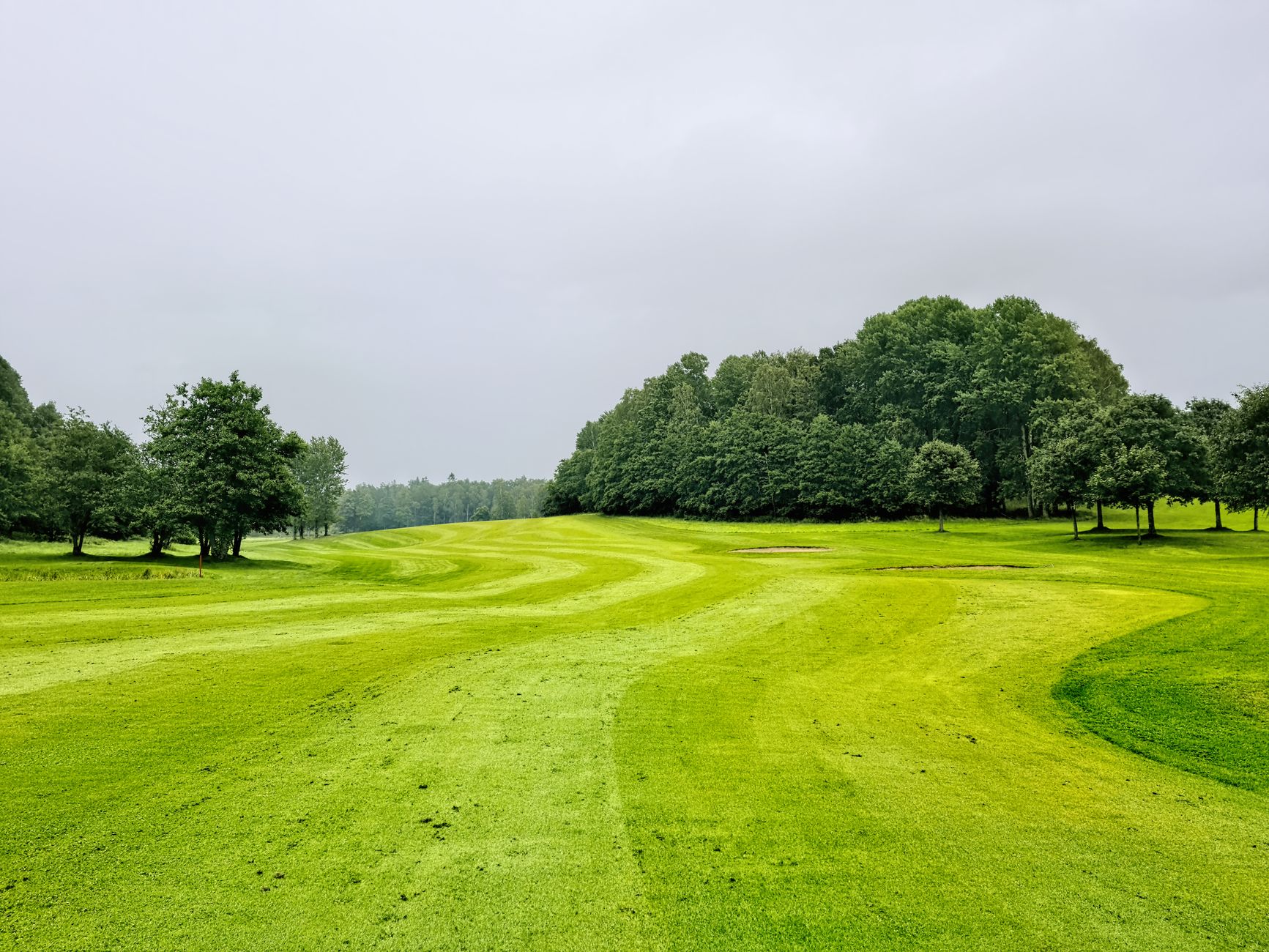
The Belfry used a fleet of autonomous mowers on its Brabazon Course for the 2026 Husqvarna British Masters, which ran from 26 to 30 August. The machines were Husqvarna CEORA robotic mowers, and they worked while the event was played in rain affected conditions.
Post event coverage reports 16 CEORA units deployed on the Brabazon, forming an important part of night operations. The Belfry's golf courses director said the fleet rose from seven during build up to 16 working overnight in tournament week, and that the robots proved their value once heavy rain arrived.
The useful lesson sits in the planning more than in the machines. Rain changes when you can cut, where machines can run, and how much a single failed unit matters. This is a UK event, used here as a working example for US courses that face their own wet weeks.
How did the fleet move from build up to tournament week?
Husqvarna's release issued before the event said seven CEORA units had maintained fairways fully autonomously during build up. For tournament week it planned 15 mowers cutting fairways overnight, with a Husqvarna team on shift from 8pm to 6am to transport, oversee and collect the machines.
According to that same release, each machine was cleaned and calibrated daily and had its blades changed daily. Schedules were also adjusted at short notice for weather and tee times, and a German golf trade report credits Husqvarna Fleet Services with supporting those changes.
Those accounts come from the vendor side, so they describe the operating plan the vendor set out and the support it gave. They do not amount to an independent audit of the mowing results.
Why does rain change the mowing plan?
Wet turf does more than look different. It softens, holds footprints and tire marks, and keeps a record of every pass and every cart that crossed it. A mower that runs at the wrong moment can leave visible tracks or press into ground that is not ready for weight.
Coverage from the event says the CEORA units left very little visible marking, which helped the fairways stay presentable through prolonged thunderstorms and heavy rainfall. That result depends on decisions made before the rain arrived, not only on the mower itself.
So the question shifts. The superintendent is less concerned with how short the cut should be and more concerned with when and where the cut can happen without damage.
What should a superintendent do before rain hits?
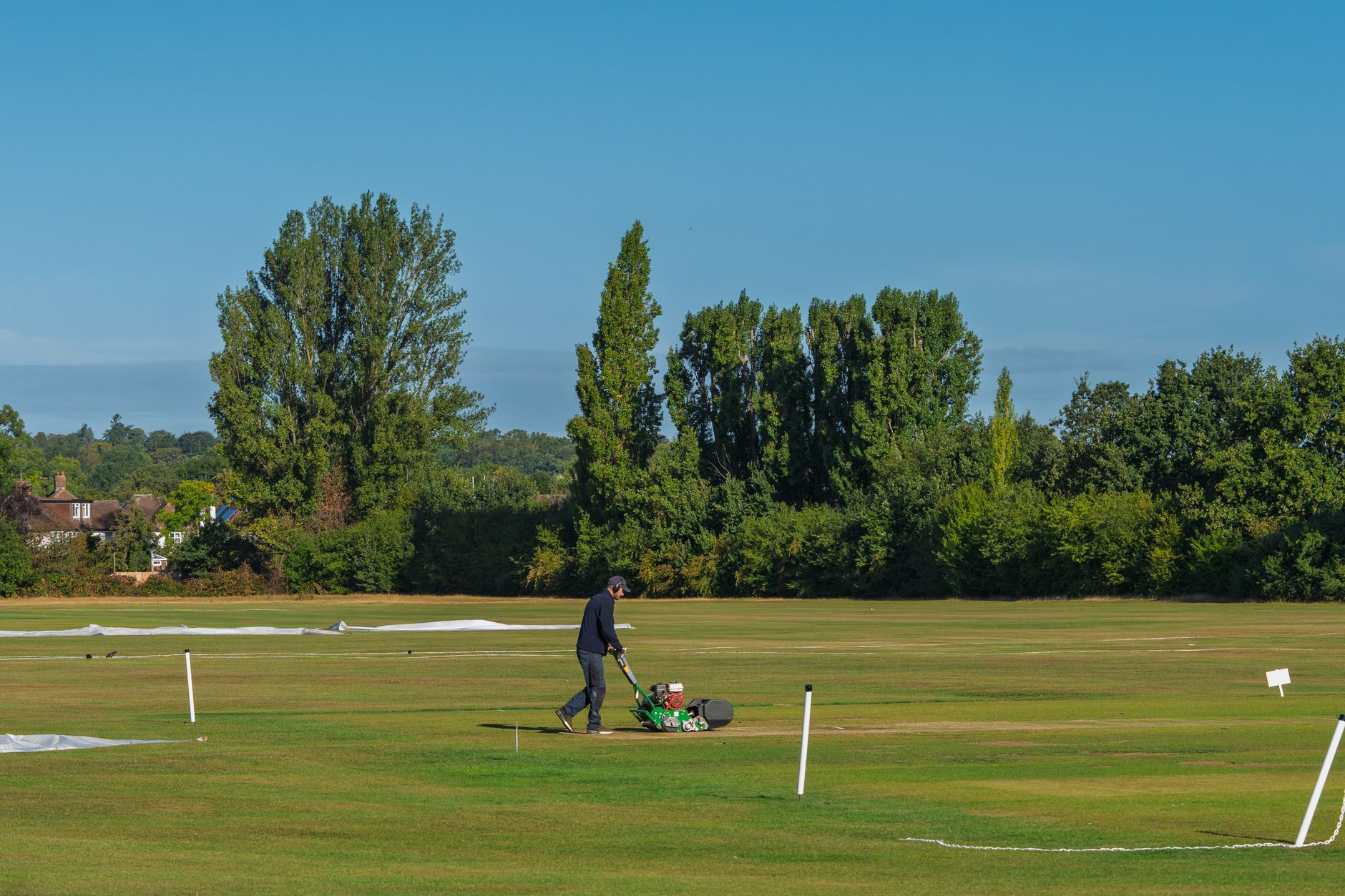
Build the plan before the forecast turns. Start with the course map, mark the zones that carry real risk, and agree the rules with the tournament director while the weather is still calm.
A practical starting checklist looks like this:
- Map low spots, drainage outlets, cart path edges and recent traffic lanes, and tag each as a hold zone or a normal zone.
- Write the hold rules in advance, including which corridors pause in standing water and who has authority to override a pause.
- Move cuts into windows with lighter traffic and firmer ground, and confirm the timing with tournament operations.
- Keep a backup unit or a manual crew plan so one fault does not leave a fairway uncut on a critical morning.
- Check charging, blades, sensors and cleaning after every wet session, not only at the start of the week.
- Log every pass, stoppage and manual override so the next decision rests on data rather than memory.
- Brief the crew and officials on what the robots will and will not do in heavy rain, and who responds when a unit stops.
What do the fleet numbers prove, and what do they not?
The figures are useful, but they come from parties with an interest in the result. Husqvarna is Title Partner of the British Masters under a multiyear agreement and is the official robotic mowing partner of the DP World Tour, as its own announcement states. Its numbers describe what it deployed and planned.
The DP World Tour tournament director praised fairway consistency, and reports say players would not have known the fairways were robot cut. Those are opinions from people in the room. They are not a measurement of cut quality, and they should not be quoted as one.
If you want proof on your own course, record your own pass logs, stoppage counts and before and after photos of the turf. Your data will tell you more than any event recap.
How can a US course copy the planning, not the event?
A UK championship has different turf, staffing and weather from a US club. Humid summers, sudden storms and freeze and thaw cycles create wet risks of their own, so start with your own rain pattern and your own traffic before borrowing anyone else's timetable.
Service Robot Co. works as a vendor neutral robot integrator for US businesses. We pick the right mower for the turf, then handle deployment and integration, training and service, and we quote one fixed lease payment after a site assessment that maps the course before any unit goes out.
How do you start a wet weather plan without shutting the course?
A first season does not need a full fleet. Many operators begin with one zone, such as a fairway set with known drainage problems, and keep a backup unit ready so a single fault does not leave holes in the schedule. A phased deployment keeps play going while the team learns the routes and the hold rules.
Go live support, on site dispatch and remote triage matter most in the first wet week. The crew needs a clear escalation path, and a robot maintenance service plan should name who responds, how the response works and how spare coverage is handled.
What should the crew check once the rain stops?
After heavy rain, walk the turn points and look for ruts, review the pass logs for stoppages, and confirm the course map still matches the ground after any tree or drainage work. Clean sensors and blades, and recharge units before the next mowing window opens.
Record what worked and what did not. The next wet week should start from evidence, so the superintendent can judge the plan on what actually happened on the turf.
Frequently asked questions
Want a robot working for you?
Tell us the job and the site. We will recommend the robot, quote the lease, and keep it serviced.