Key takeaways
- Run crematory floor robots in the gap between the last visitation and the first arrival, never during services.
- Scrubbers suit hard surfaces and vacuums suit carpet, and the edge where they meet needs a hand check.
- Published decibel figures mix weighting and operating modes, so ask for a measured reading at the mode you will run.
- Staff step in for spills near flowers or urns, objects left in a path during a visitation, and any robot stopped in a sightline.
- With cremation projected to keep rising, quiet floor care in lobbies and viewing rooms will matter to more operators over time.
Why does a crematory lobby need its own quiet hours plan?
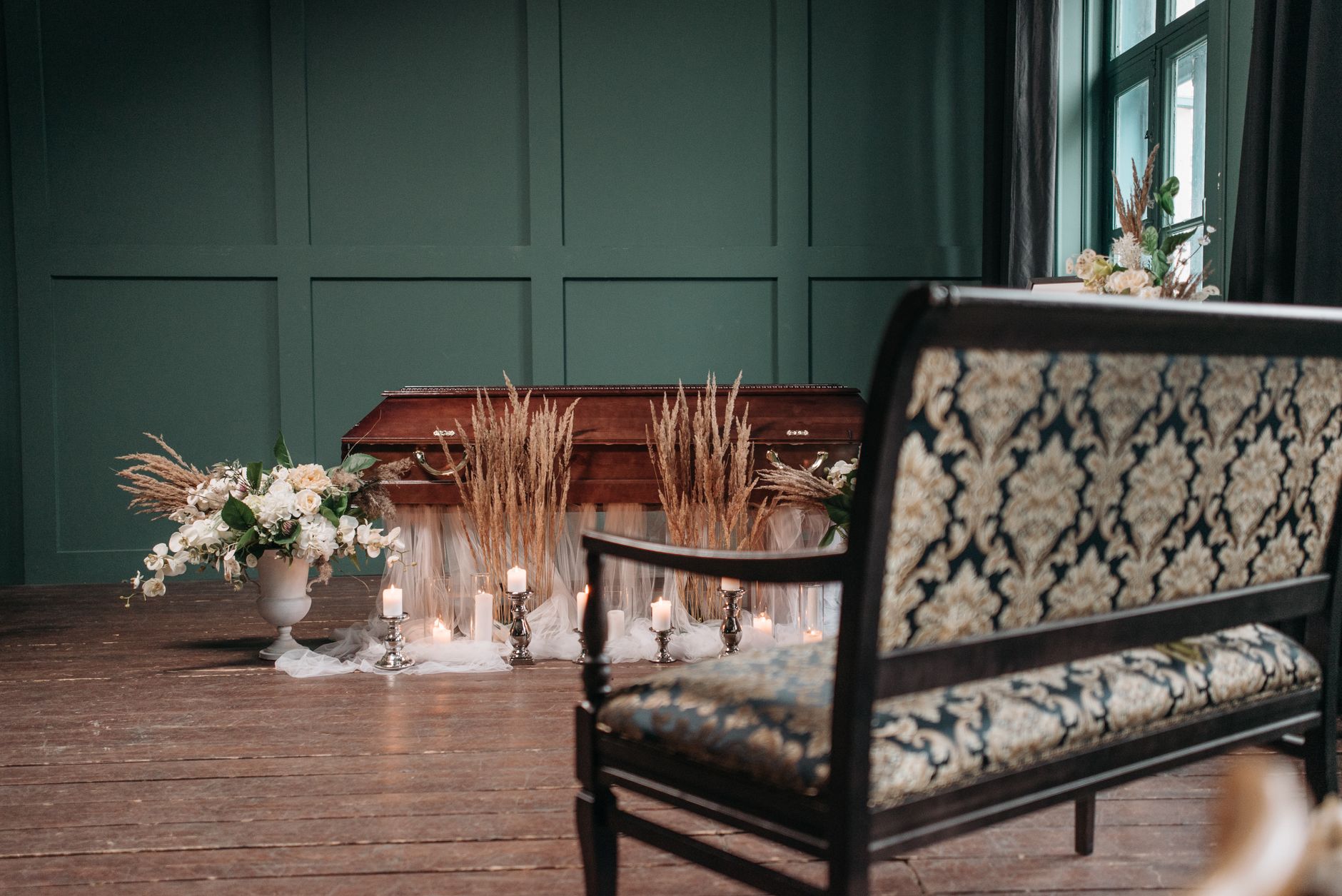
A crematory lobby and its viewing rooms carry a noise standard that few other commercial floors meet. A family waiting in a viewing room can hear a machine down the corridor, and a whine that would pass unnoticed in a supermarket reads as an intrusion here. The job is to clean without being heard while the space is in use, and to keep the equipment out of sight the rest of the time.
The demand for these rooms is growing. The NFDA 2025 Cremation and Burial Report projects a U.S. cremation rate of 63.4% for 2025, against 31.6% for burial, and 82.3% of dispositions by 2045. The 2024 edition projected 82.1% for 2045, so the newer figure moved slightly, though the direction holds. Coverage of the report also says cremation will exceed 50% in every state by 2035.
Which hours keep the lobby calm?
Build the cleaning window around the calendar, not the clock. The safest window falls after the last visitation of the day and before the first arrival, with a margin on both ends. Services, transfers of the deceased, and staff movements should all count as blocked time, even when they fall outside public hours.
Ask the office to mark blocked periods for a typical week, then find the longest clear run. That run changes with the season and the caseload, so a single fixed slot rarely fits every day. Plan two versions of the route before the first night: a short pass for busy days and a full pass when the building is empty.
What do the noise figures actually tell you?
Most published noise numbers for floor equipment come from manufacturers or retailers, so treat them as starting points. A Sylvane listing for the Nilfisk SC370 compact walk behind scrubber gives a maximum of 66 dB in silent mode, as checked in November 2026. A Doublet listing for the Nilfisk SC401 walk behind scrubber gives 65 dB(A), or 60 dB(A) in silent mode.
The figures are not directly comparable. Some are weighted dB(A) and some are unweighted dB, and the distance and mode behind each number are often missing. A Dapper Supply ride on scrubber is listed at 70 dB by Tractor Supply, while a buyer guide on talkofthehouse gives 60 dB. A conflict like that is a reason to measure, not to pick the lower figure.
Ask for a measured dB(A) reading in the mode you plan to run, at a stated distance. Then test the machine in your own lobby during a quiet window, because room size, flooring and drapes change what a family actually hears.
How should routes keep equipment out of sight?

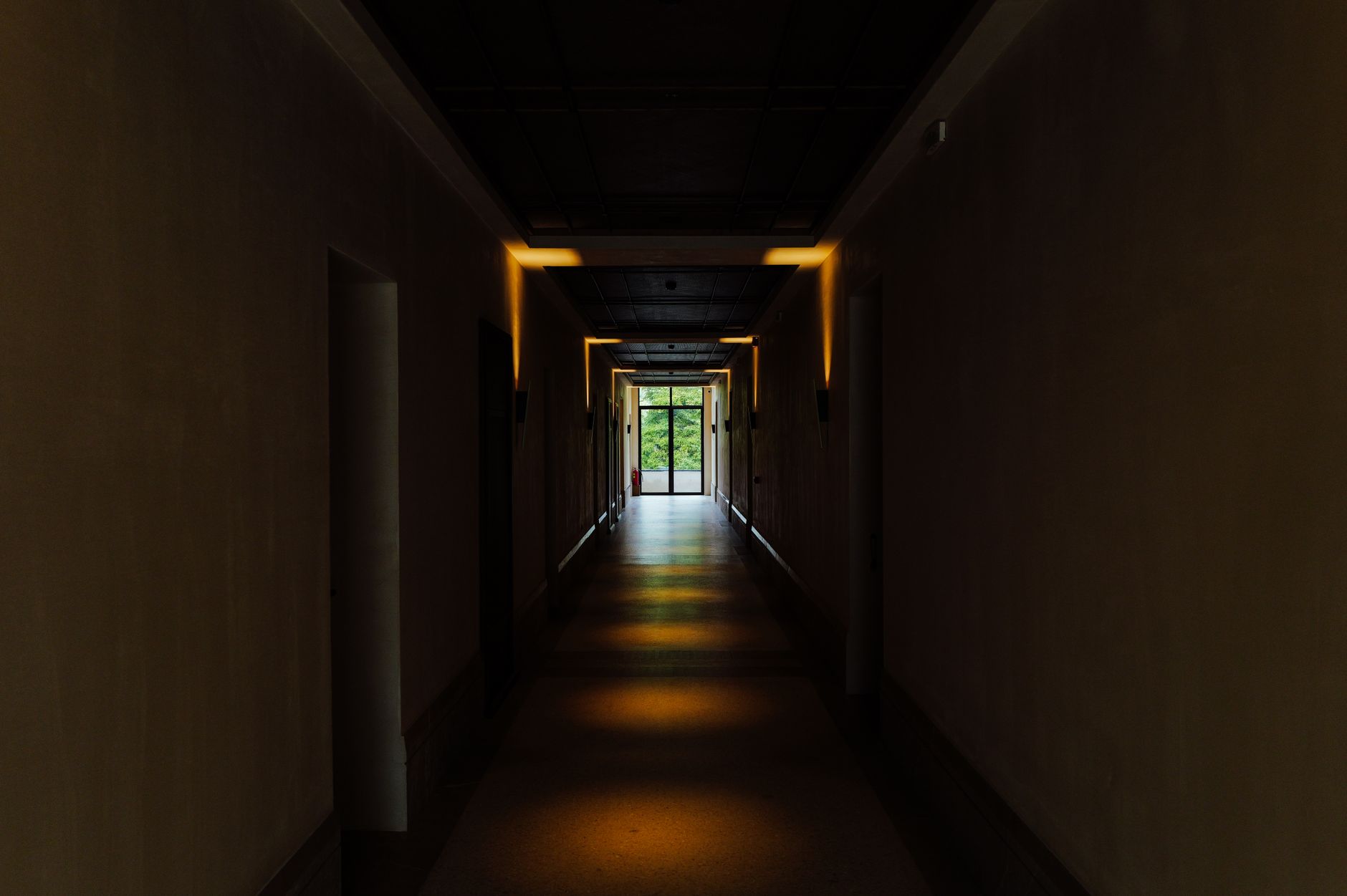
Run the machine along the edges of the lobby and the corridor to the viewing rooms, not across the center where families gather. Keep the route clear of any doorway that opens into an occupied room. Map thresholds, door closers and any heavy furniture before the first run, since a robot that stalls at a door in front of a family is the most visible failure a facility can have.
Park and charge the machine in a back hall or an alcove screened from the lobby, and keep any manual cord away from viewing room thresholds. The aim is that a visitor sees a clean room, not a machine. A map drawn from a site survey, with the quiet zones marked, makes that routing repeatable.
How do carpet and tile edges get handled?
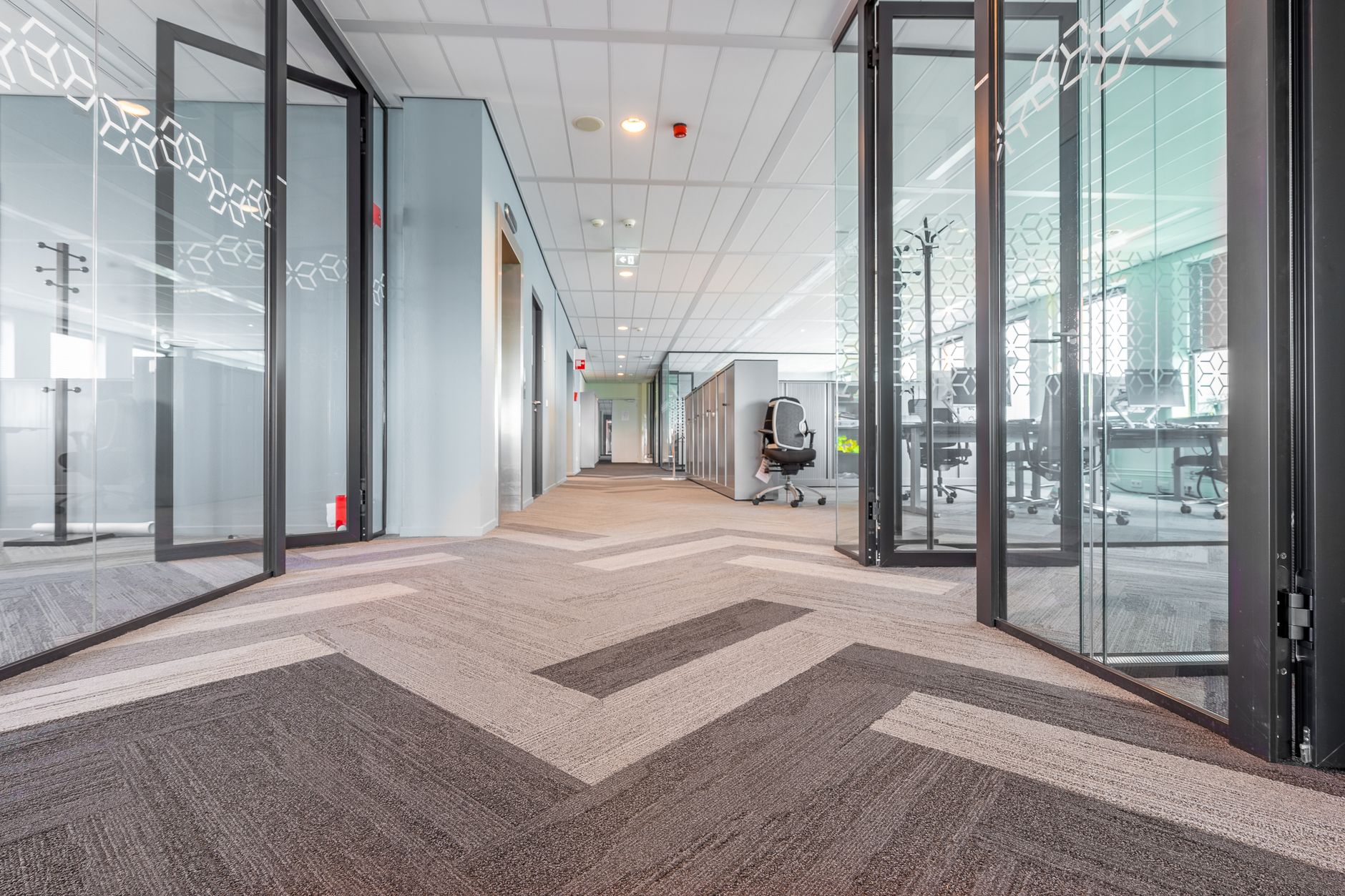
Most crematory lobbies mix carpet in seating areas with hard flooring at the entry, corridors and restrooms. A scrubber suits the hard surfaces, but it should not run onto carpet, where wet cleaning leaves marks and slow drying. Use a vacuum or a unit built for carpet on the soft areas, and keep the two floor types on separate routes.
The edge where carpet meets tile causes most of the trouble. A transition strip can lift, a sharp drop can stop a machine, and a damp edge can darken carpet. Walk each edge along the planned route before the first run, check every transition strip, and confirm the machine's edge and drop sensors respond at the seam. Keep the scrub path short of the carpet line so the squeegee never reaches it.
When should staff step in?
A robot can run unattended for the routine pass, but certain moments need a person on site. Staff should not wait for a machine to clear them, and the pause decision should be written down before the first run.
- A spill from a flower arrangement, urn or beverage station, which needs hand cleanup before the robot crosses it.
- Any object left in a path during a visitation, such as a tissue box, a stand or a cart.
- A robot stopped in a sightline or blocking a doorway while a family is in the room.
- An alarm, a repeated stop at the same spot, or a sound from the machine that has changed.
- A delivery, a visiting crew or any other extra traffic brought into the building during a run.
Where does a leased robot fit this plan?
Service Robot Co. is a full service commercial robot integrator for U.S. businesses. We are OEM neutral, so we select the machine for the floor, then lease it through financing on a three year lease, with one fixed lease payment quoted after a site assessment. The assessment maps the lobby, corridors and viewing rooms and records the quiet windows before any unit goes live.
Every unit runs under RoboCare, our service plan, backed by regional service engineers in every state we service. For a funeral operator, that means one contact for the lease, the deployment and the repairs, and a route tested against the calendar you already keep.
Frequently asked questions
Want a robot working for you?
Tell us the job and the site. We will recommend the robot, quote the lease, and keep it serviced.