Key takeaways
- Pick two or three leads before the busy stretch, not during the first hard week.
- Give each lead a written daily routine covering the machine, the lawn and the log.
- Agree on escalation tiers in advance so no lead guesses at a stoppage.
- Sequence trimming and edging so hand crews stay out of active mower zones.
- Test the lead handoff on a few low-stakes lawns before the peak stretch starts.
How many crew leads should supervise robot mowers?
Two or three. That is the number most mowing contractors need once robot mowers run on client lawns, because one lead quickly becomes a single point of failure. On a quiet week, one experienced lead can carry a route. On a packed week, the same person is answering alerts, sending hand crews to lawns, calling account managers, and trying to trim and edge a property the machine is already cutting.
A working bench means each lead knows the daily routine cold, can make escalation calls without asking first, and can take over another lead's lawns on short notice. Two leads cover a sick day. Three let you split a route by zone so no single person carries the whole operation.
Build the bench before the busy stretch, not during it. Labor is a standing pressure in this trade. According to Green Industry Pros, in its 2025 State of the Green Industry report, 29 percent of respondents said labor was their most pressing concern. Landscape Ontario's December 2024 State of the Industry, a Canadian association report, found that 53 percent of surveyed members reported a labor deficit in 2024. One is a trade publication's survey and the other a Canadian member survey, so the figures are not a direct comparison. Both point the same way, though: leads will be stretched, and a thin bench is the part that breaks first.
What makes a good supervising lead?
Look for people who already run a crew well, not only people who cut the cleanest stripes. Supervising a robot mower is part traffic control, part record keeping, and part judgment about which problem can wait until the end of the route.
- Has led a crew through at least one full mowing season without losing a route to a sick day.
- Reads a site map and can tell a lawn boundary from a sidewalk without a second look.
- Writes notes that another person could act on the next morning.
- Calls the account manager early instead of hoping a problem clears on its own.
What does the daily supervision routine include?
The routine starts before the mower leaves the yard. The lead confirms the machine's status, reviews the previous day's log, checks the lawn list for the day, and walks each property for debris, toys, hoses and new obstacles. Anything that changed since the last visit goes on the board before the first pass.
Through the day, the lead checks in at set points, watches the first pass on each lawn, and confirms the machine stays inside its boundary. At close, the lead records run times, stoppages and any turf or edge concerns, so the next lead starts from facts instead of memory. Keep the log short enough that people will actually fill it in.

When does a lead make an escalation call?
A lead should never need permission to stop a machine. The rule is simple: if a person, animal or vehicle is in the mower's path, stop the machine first and call second. Everything below that line falls into tiers the bench agrees on in advance.
Name who receives each call. Put the account manager, the shop lead and the vendor support line on one page in the truck. A call that reaches the wrong person costs nearly as much time as no call at all.
- Stop and call at once: a person or animal near the machine, damage to turf or property, or a mower that leaves its boundary.
- Call within the hour: a fault that returns after a restart, or edges that come out uneven on two passes in a row.
- Log and continue: a minor obstacle the lead can clear safely, or a warning that clears by itself after a check.
- Hold for review: any request to change a client's cut pattern, boundaries or cut height.
How does a lead keep trimming and edging moving?
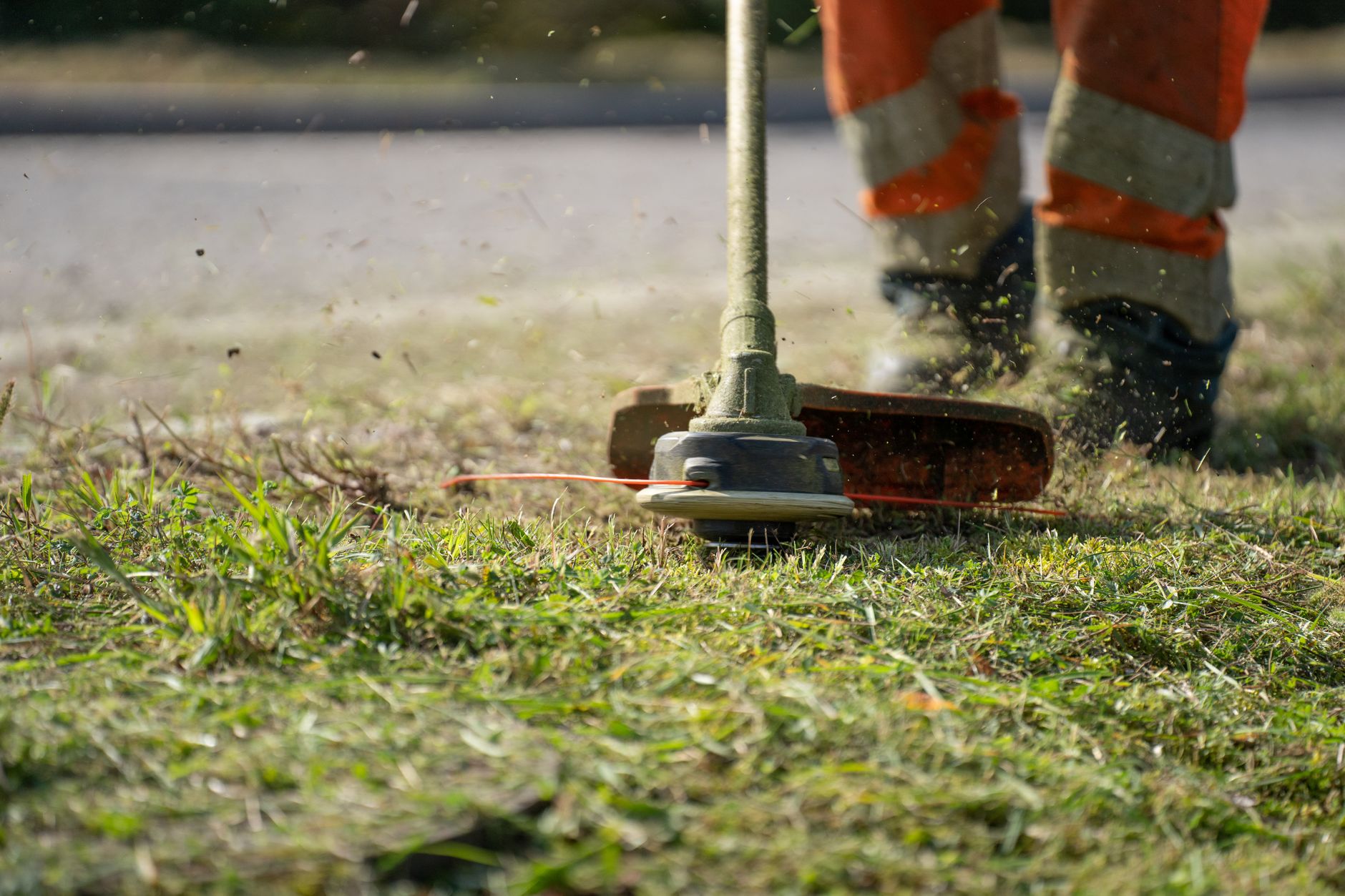
The machine takes open turf. The hand crew takes what a machine cannot reach well: trimming around trees, beds and fixtures, edging along hard surfaces, and detail work that needs a person's judgment. The split only works when the lead sequences the two so they never compete for the same patch of lawn at the same time.
A practical pattern is to send the hand crew to the edges the mower will reach last, then to trimming around obstacles while the machine works open turf. Before anyone steps into a mower zone, the lead pauses the machine, and restarts it only after the crew reports clear. Hand crews get a clear word from the lead, not a guess about whether the machine is moving.
How should leads practice before peak season?
Run the bench on a few low-stakes lawns for at least two weeks before the peak stretch. Have each lead complete the daily routine from start to finish, make at least one practice escalation call, and take over another lead's lawn mid-day. Handoffs are where things get dropped, so test them on purpose.
Sign each lead off against a written checklist covering the routine steps, the escalation tiers, the contact list and the log format. A lead who passes that list earns the lawns. A lead who misses the escalation tiers goes back to shadow duty, not onto a route alone.
Where does a service partner fit into the bench?
A crew lead bench covers people. It does not replace service coverage, and a contractor needs to know who answers when a unit fails on a lawn early in the morning. For any robot Service Robot Co. has deployed, the service side runs through RoboCare, our service plan, backed by regional service engineers, with remote triage first and on-site dispatch when a unit needs hands. Customers reach that setup through a lease: a 3-year lease with one fixed robot lease payment, quoted after a site assessment.
Settle the bench and the service agreement together before the season. Ask who takes the call at each tier, how fast a unit is triaged, and what happens to the route when a machine is out. Then write those answers onto the same one-page sheet the leads carry in the truck, so the crew calls one number and the lead keeps the lawns moving.
Frequently asked questions
Want a robot working for you?
Tell us the job and the site. We will recommend the robot, quote the lease, and keep it serviced.