Key takeaways
- Walk every cart path edge and sprinkler head before the first unattended pass.
- Level proud sprinkler heads, and log every trench or drain the map missed.
- Buffer width is a setup choice, and the reviewed material describes a 1 to 3 meter transition strip.
- None of the vendor material we reviewed names cart paths or sprinkler heads as boundary types.
- Widen buffers only where turf shows damage, and log every edge incident in the first two weeks.
Where does cart path edge damage start?
Edge damage on cart path borders often shows up in the first few passes after an autonomous fairway mower goes live. By then the map is still the installer's best estimate, not a record of how turf actually meets concrete or asphalt. The fix is a deliberate check of each path edge and each sprinkler head before the mower runs unattended, followed by buffer zones that keep the deck and wheels off the hard edge.
For a crew, the short version is this: walk the paths, level or mark the heads, set a buffer on every edge, then watch the first passes closely and adjust. The sections below cover each step, and the list near the end gives a checklist for the first two weeks after setup.
What do the vendor sources say about paths?
Autonomous fairway mowers increasingly rely on RTK positioning to draw virtual boundaries. Toro's GeoLink autonomous fairway mower, as reported by Golf Business News in March 2025, needs no boundary wires and reports 2 centimeter accuracy. That accuracy figure is Toro's own, and we did not verify it independently. The unit can also reroute to cover areas it missed.
None of the material we reviewed names cart paths or sprinkler heads as a boundary type. FJD's ATX system uses RTK and LiDAR to track paths along boundaries and offers no-go zone planning, but its marketing does not mention either feature. A geofence patent comes closest: it describes suspending mowing when golfers or carts enter an area, and it notes that buried cables need installation and maintenance.
That gap is the reason for this checklist. Assume the mower must be taught every hard edge, and get the vendor's answer in writing on how the unit handles a path it was not told about.
How do you check cart path edges before the first pass?
Walk each path with the map open on a tablet and the planned route overlaid. Look for mapped boundaries that sit on the path itself, turf cut back by hand, and edges that have sunk or lifted into a lip. Even a small lip can matter at a wheel, so record it instead of assuming the mower will clear it.
Log drainage crossings and any electrical trenching along the verge. Reesink's course-preparation guidance advises considering electrical trenching along cart paths or boundaries, and a trench missing from the map is exactly what a first walk tends to find. Mark the trench line on the map and set a keep-out over it.
Why do sprinkler heads belong on the first-pass list?
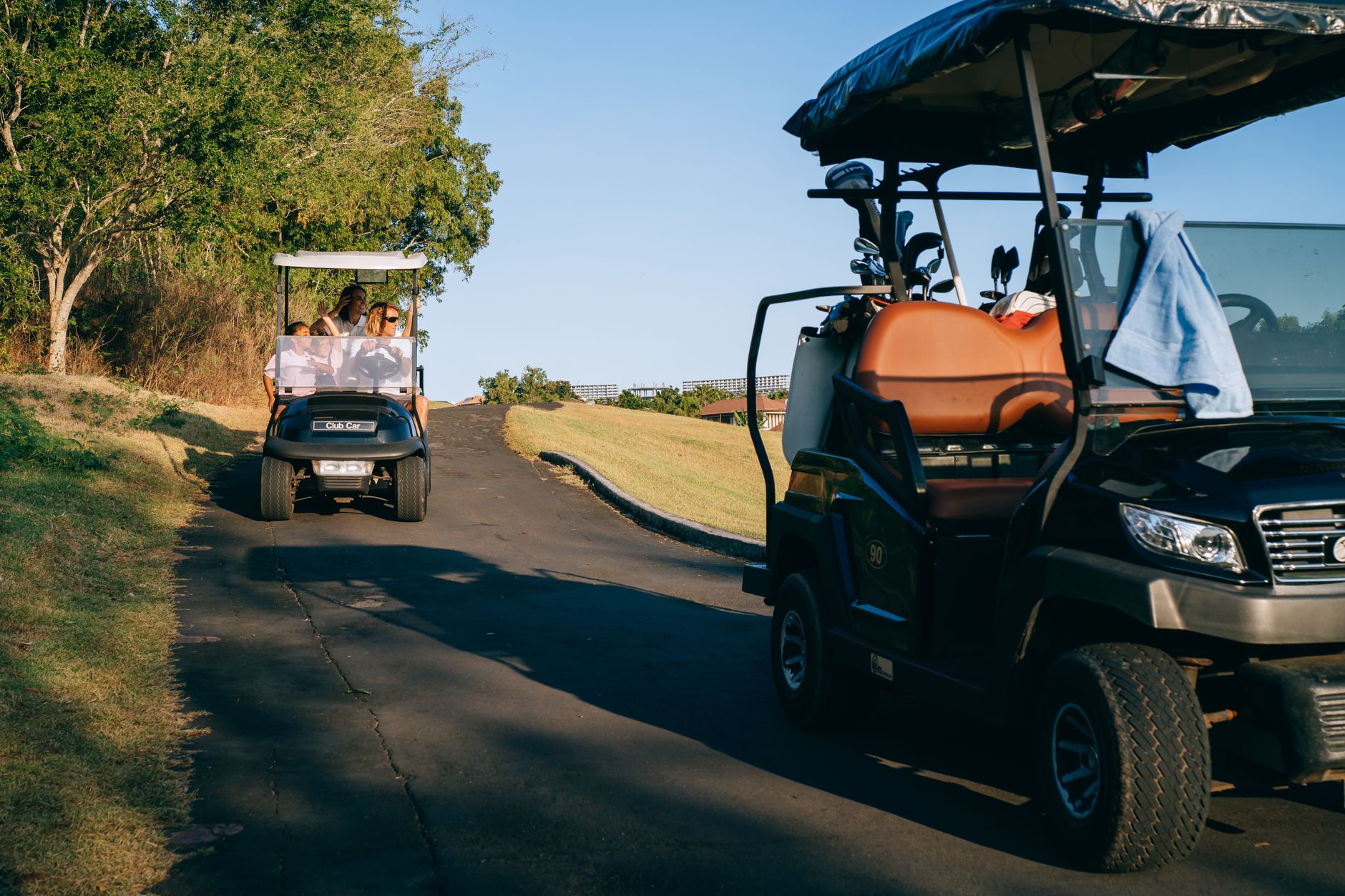
Reesink's guidance says to level sprinkler heads with the surrounding turf. A head that stands proud is the one a deck or wheel meets first, and a scalped strip beside it often gets blamed on the mower. Mark every head along each path edge that sits high or low, level it, and record the fix against the map.
The same guidance notes that clearing obstacles helps mowers run more smoothly. Pull loose stakes, hose ends and debris from the path verge before the first pass. Photograph each head before and after leveling so the log shows what changed and where.
How wide should a path buffer be?
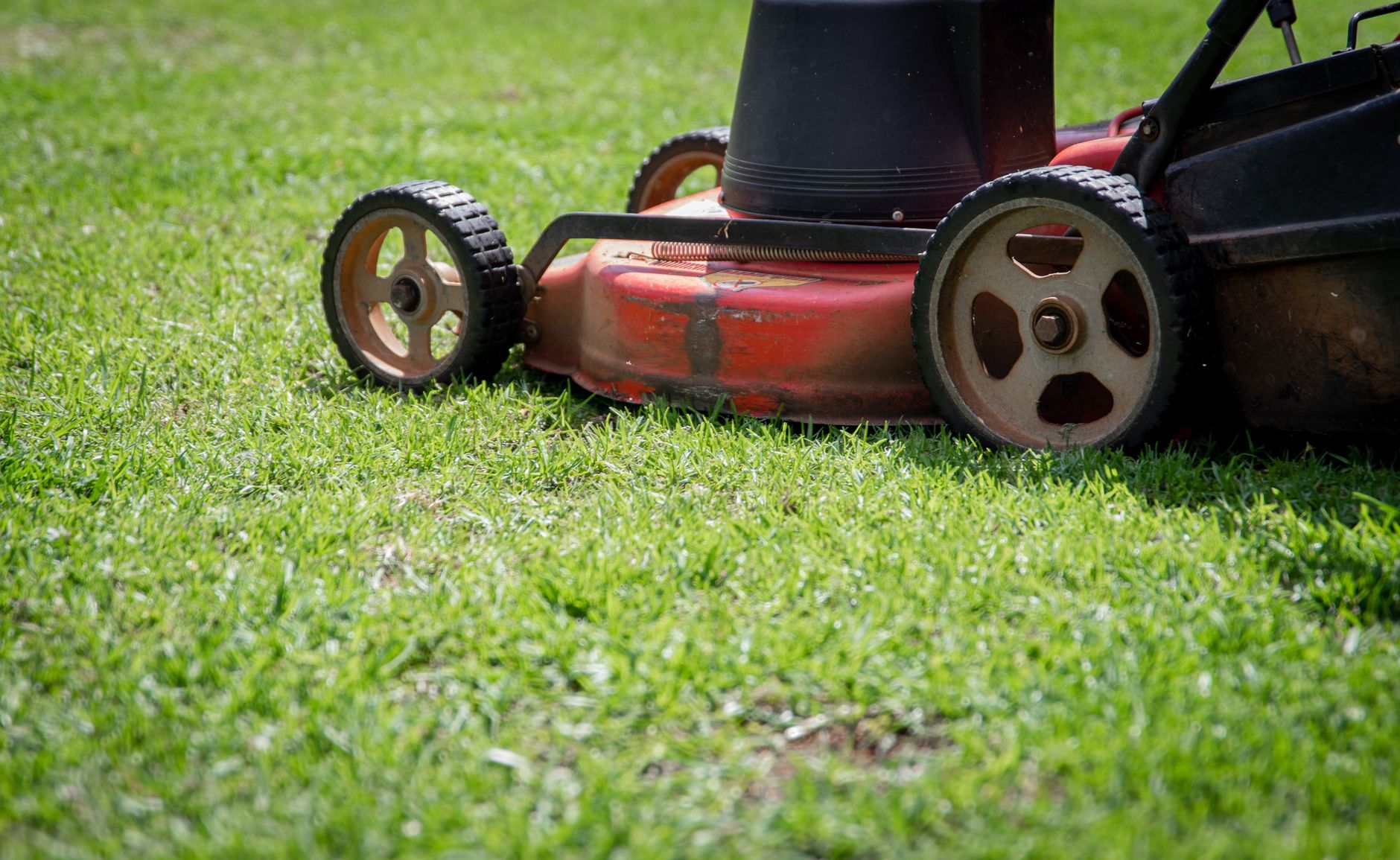
Husqvarna's First Cut transition feature, reviewed in April 2026, handles a 1 to 3 meter strip between fairway and rough. Setup copies the fairway boundary, expands it by the strip width you pick, and trims around bunkers and tee complexes. The same logic applies at a cart path: the buffer is an offset you choose, not a fixed value.
Let the first passes set the final width. Start with a buffer you can widen, log every edge where turf is cut too close or left too long, and narrow only where fairway is being lost. A width picked from the office seldom survives the first week of real passes.
What should the first two weeks look like?
A fixed sequence tells the crew who checks what and when. The list below assumes one lead is responsible for the map and the log, and that the vendor can be reached during the first week.
- Day 1: walk every cart path edge with the crew lead, and log each sprinkler head that sits off grade.
- Day 1: confirm keep-out zones cover each path edge, and ask the vendor how the unit treats an edge it was not taught.
- Days 2 and 3: watch the first full pass along each path, and stop the unit wherever turf or a head looks disturbed.
- Days 3 to 5: add keep-outs for trenches, drains and any edge the map missed, then rerun the affected routes.
- Week 1: widen buffers where turf is pulled off an edge, and narrow only where fairway is lost.
- Week 1, end: hold route expansion until a full week of passes shows no new edge damage.
- Week 2: recheck heads and edges after the first heavy irrigation cycle and the first weekend of foot traffic.
- Week 2: send the edge log, with time, location and photos, to the vendor and to the lead who keeps the map.
Who handles the edge once the mower is running?
The geofence patent points to a practical habit: set a hold whenever carts or people are on a path, and keep that hold on the map rather than in a crew lead's memory. A keep-out that exists only in someone's head will fail on the first busy afternoon.
Service Robot Co. is a vendor neutral robot integrator. We select the robot for the job across manufacturers, then handle site assessment mapping, robot deployment and integration, and go live support. RoboCare, our robot maintenance service plan, adds regional service engineers, on-site dispatch and remote triage. Customers get a robot lease quoted after a site assessment, with one fixed robot lease payment over a 3-year lease.
Frequently asked questions
Want a robot working for you?
Tell us the job and the site. We will recommend the robot, quote the lease, and keep it serviced.