Key takeaways
- Map a renovated course once shaping is final and before new turf can take its first cut.
- A boundary drawn on soil that is still moving will drift from the real edge.
- Hold the mower off new grow-in until coverage, footing, grade and height checks all pass.
- Re-map any bunker, edge or contour that changes after topdressing or grade work.
- Service Robot Co. maps, deploys and services the mower under one lease quoted after a site assessment.
When is the right window to map a renovated course?
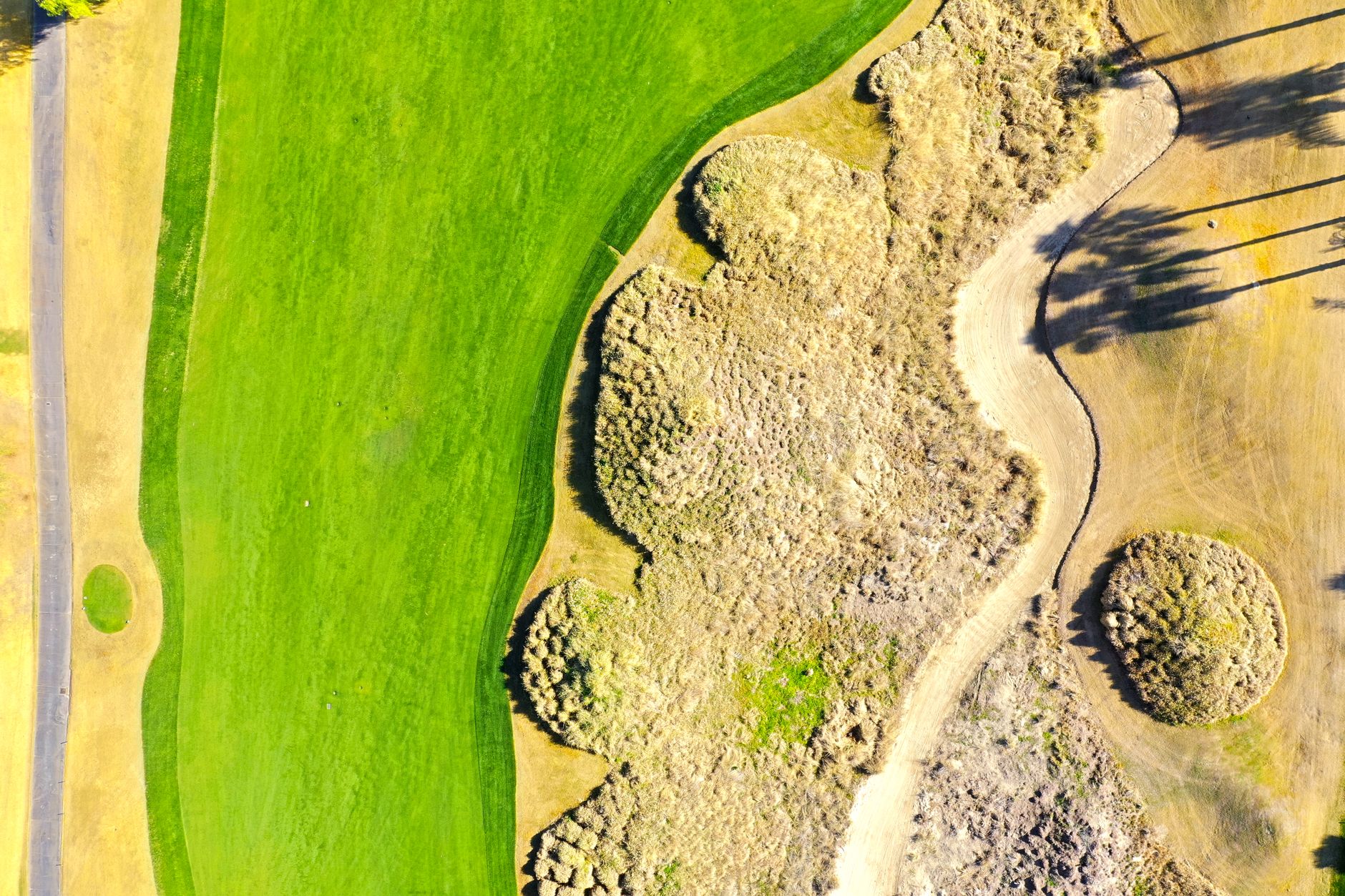
Map the course after the shaping is final and before new turf can take a mower. On a rebuild, that window sits between the last grade pass and the first cut, and it is easy to miss. Map too early and the boundary records soil that is still moving. Map too late and the mower has already crept onto grass that should not feel its weight.
The order matters more than any single date. Finish the grades, confirm the surfaces are firm, draw the boundaries on the settled ground, and hold the mower until the agronomic first cut. The sections below explain why each step comes where it does.
Why does shaping have to be final before mapping?
A robot mower keeps to the boundary it was given. If a bunker lip is pushed a few feet after the map was drawn, the file and the ground disagree. The mower then either cuts into the new surface or stops short of the edge it should have trimmed. The fault sits in the map, not the machine.
Golf Business Monitor's April 2026 review of Husqvarna's First Cut feature makes the same point from another angle. The reviewer says output quality depends heavily on how well the existing EPOS boundary maps are maintained. First Cut builds the fairway-to-rough transition strip by copying the fairway boundary, widening it by the strip width, and trimming around bunkers and tees. Move a bunker and the strip moves with it, so a map drawn before bunker work is finished will misplace the transition.

What must be true before the first mow on new turf?
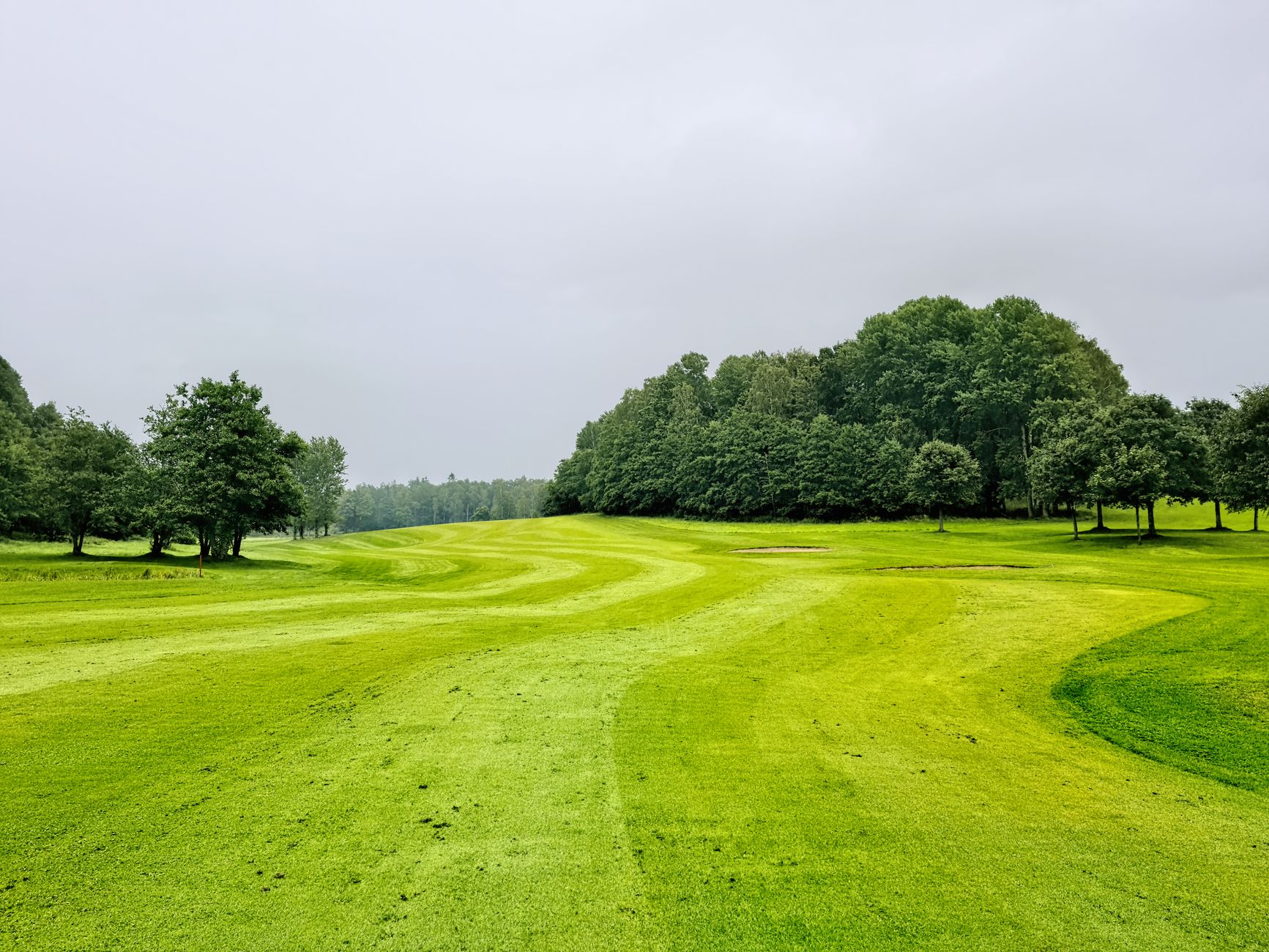
Turf agronomy sets this window, not the robot. The Johnston Seed bentgrass management guide advises waiting until the stand has uniform coverage and the plants can bear a mower's weight, and not letting the stand reach 1 inch before the first cut. As we read its excerpt, the guide also suggests lowering height in small increments, about every other mow, and reaching the target height roughly 6 to 8 weeks after first mowing where possible.
Before you release the mower, walk the surface and check four things.
- Coverage looks even across the whole area, not only the greens.
- The soil takes a footprint without leaving a deep track.
- The grade is finished, with no active pushing or topdressing under way.
- The stand has been checked against the seed program's first-cut height, and the crew knows who signs off the release.
How do mapping errors show up on fresh grades?
Fresh grades move. Rain settles soil, topdressing lifts the surface, and a finished contour can look altered under a wet sky compared with the survey day. A boundary drawn from one pass can carry a small error that becomes obvious a month later, usually along a collar, a cart path edge or the top of a new bank.
Vendors describe mapping in different ways. FJD describes a workflow that combines LiDAR scanning and RTK positioning to map a site, define mowing zones and assign tasks. SmartYard describes boundary-free navigation using GPS, visual sensors and 3D camera mapping. Belrobotics lists mapping the fairway areas to be maintained as a key step in its Wallenried installation. These are vendor-reported descriptions, so ask for the acceptance walk, not only the brochure.
How do you hold the mower off new surfaces?
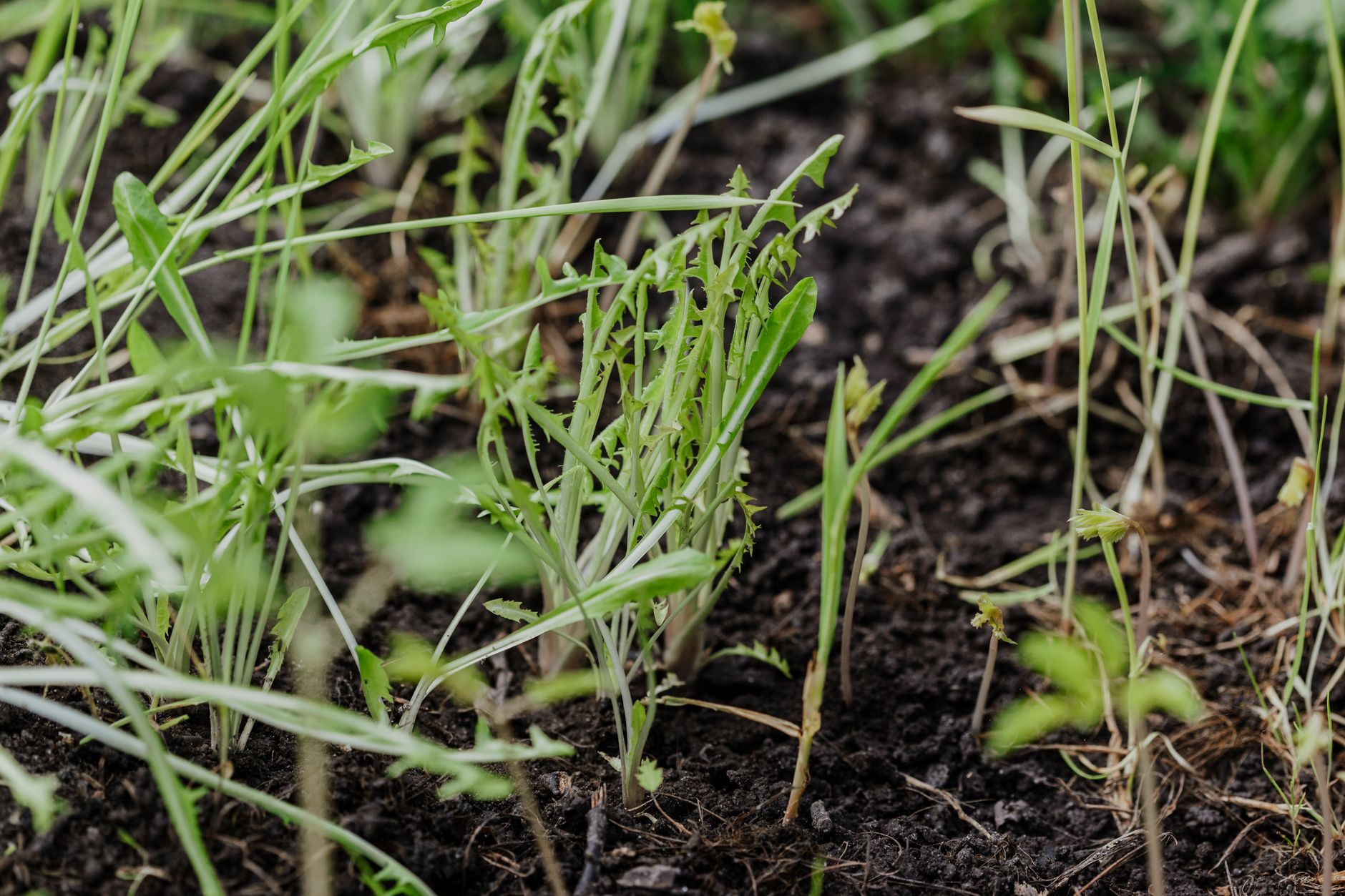
Keep new grow-in outside the active boundary until your release checks pass. Draw the seeded or sodded areas as no-go zones rather than trusting the robot to avoid them. Keep the charging route and depot path off fresh surface as well, because a mower that crosses it on the way to a charge has still crossed it.
Golfdom's report on a Connecticut course that embraced GPS-guided robotic mowers describes a superintendent who sets a boundary the mower stays inside, then lets the mower follow its own efficient path. That model works only when the boundary is right first. Re-check the zones after every topdressing pass, heavy rain and edge correction, and log each change so the crew knows which map version is live.
What sequence keeps the schedule honest?
Work backward from the day the course opens, not forward from the day the mower arrives. Finish shaping and topdressing, establish the turf, run the release checks, then draw and test the boundary on the settled surface. Release the mower one zone at a time so a boundary error stays small.
The notes gathered for this piece did not include a sourced figure for how long grow-in lasts on a renovated course. Grass type, season, irrigation and the seed program decide it. Build the calendar from your agronomy records, leave a margin, and expect the finish line to move.
Where does the lease and service plan fit a rebuild?
Service Robot Co. is a vendor neutral robot integrator, so the mower model can follow the grow-in plan rather than the reverse. We run the site assessment, map the surfaces, handle robot deployment and integration, and train the crew. The lease is quoted after the site assessment as one fixed lease payment over a 3-year lease, so the schedule and the cost can be checked against the rebuild calendar before anything moves.
Service runs through RoboCare, our service plan, with regional service engineers in each state we service. Go live support covers the first cuts, which is when a boundary error tends to show. Agree on who answers a fault during the first season before the mower rolls onto the new turf.
Frequently asked questions
Want a robot working for you?
Tell us the job and the site. We will recommend the robot, quote the lease, and keep it serviced.