Key takeaways
- No published standard sets a crew lead to mower ratio, so the split has to be written for your site.
- The person who starts the robot mower is the person who stops it.
- A trim or edge worker can work near the zone but should not start, move or reset the mower.
- A failed check before stepping away is a stop, not a note for later.
- Confirm the survey year behind the 59 percent figure before you quote it.
Who watches the mower when the lead is also trimming?
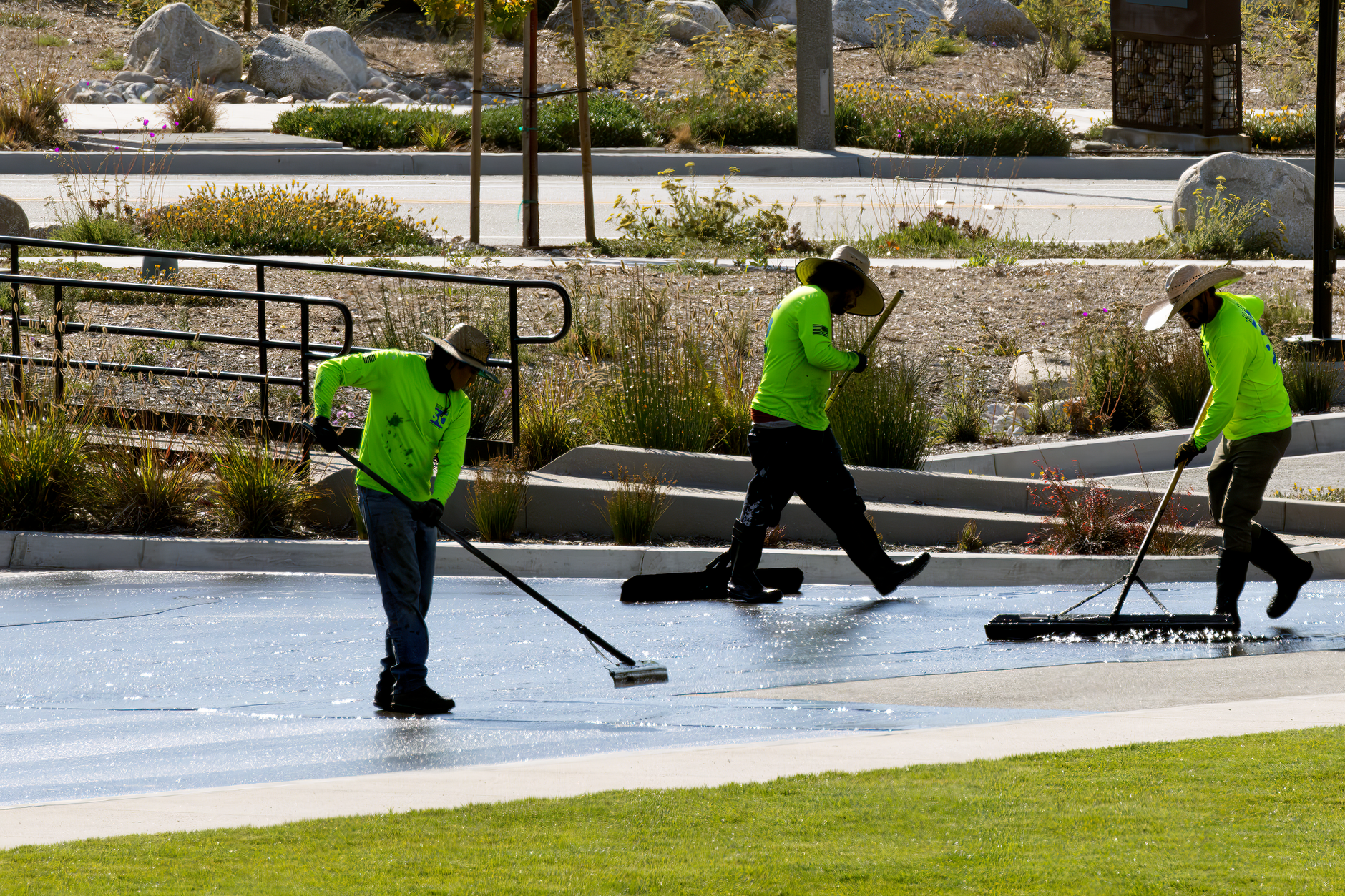
On most commercial crews, nobody is assigned to watch a robotic mower full time. The lead who should supervise the pass is often the same person running the trimmer, checking edges and directing cleanup. That overlap is the real gap, and no published standard closes it for you.
The short answer is a written split. One named person is responsible for the mower zone during active passes, and a clear rule sets when that person may step away. The manuals and industry guidance we reviewed set no staffing ratio, so the split has to come from your site, your crew and your own checks.
What follows is one split a crew can test on a single site, plus the checks a lead completes before leaving the mower area. Treat it as a starting plan, and follow the manufacturer's instructions for your model wherever they are more specific.
How hard is the crew lead gap, really?
According to Green Industry Pros, 59% of respondents said crew leaders are harder to find and retain than in the past. The lead figure matters most here, because a robot pass depends on the person who sets it up and watches it.
That survey is not 2026 data, and the survey year should be confirmed on the original page before you quote it. The figure reached this piece through a search summary, not a full read of the article, so check the exact wording before it goes into a bid, a board memo or a crew plan.
What do manuals and industry guidance say about supervision?
The Toro Turf Pro Series manual, checked as of November 2026, describes the mower as intended for professional, hired operators on commercial properties. That points to a trained person in the operator role. It does not say how many people must stay near the machine.
Consumer guidance is more specific. In the Robomow RS 630 manual excerpt we reviewed, the mower should not run unsupervised unless its zone is fully fenced with no public access, and it should stop if anyone enters the area. That is written for home use, so read it as a floor for public access, not as commercial rules.
A Green Industry Pros article on autonomous mower guidance for contractors describes integrated commercial units working within a traditional landscape crew. It gives no ratio of mowers to people, which leaves the staffing decision with the contractor.
A supervision split a crew can run
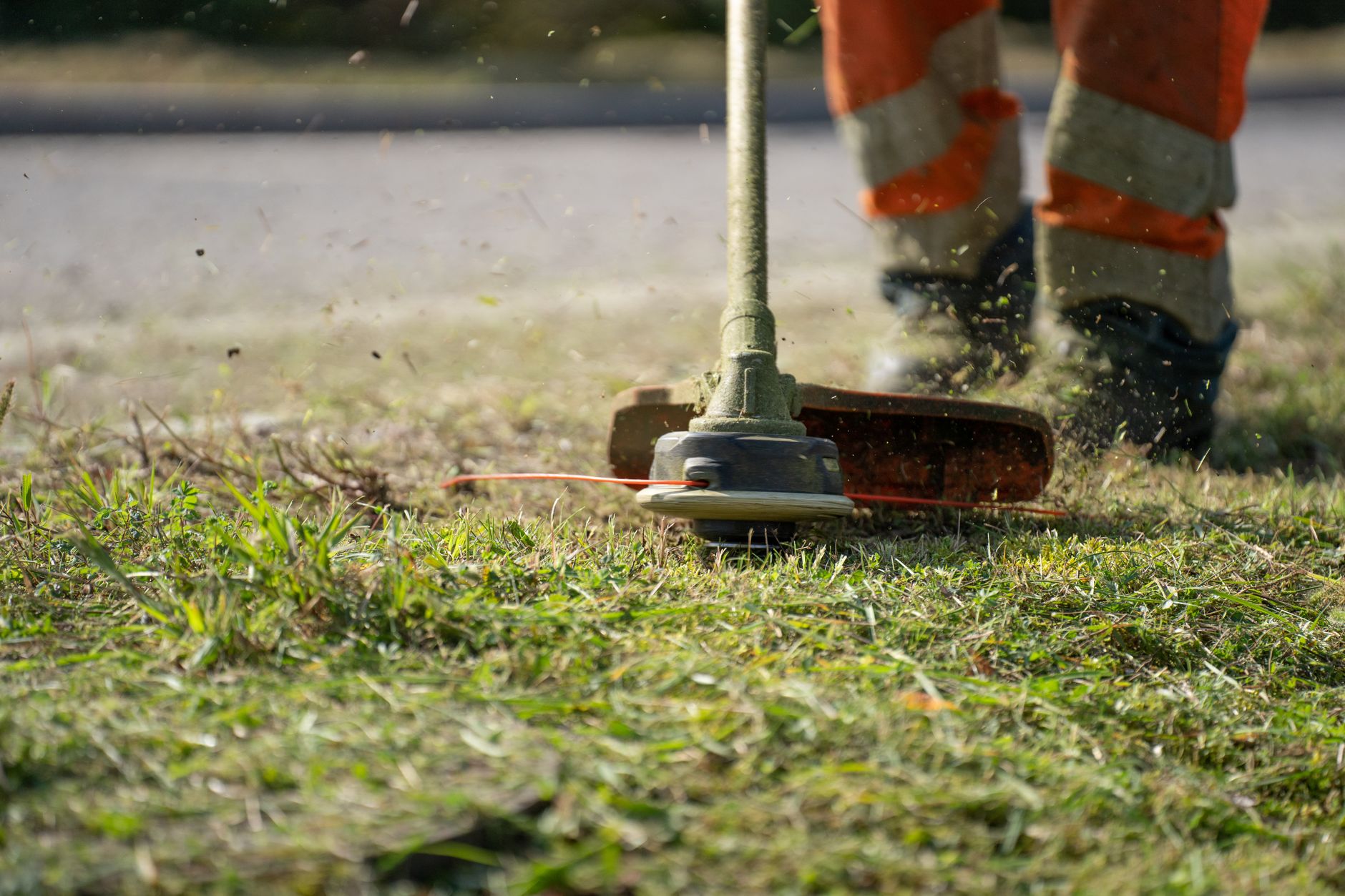
Split the work across three roles. The mower lead is responsible for the robot zone, from the checks before each pass through the start, the watch and any stop. A trim and edge worker works within sight or radio range of that zone and never starts, moves or resets the mower. A cleanup worker blows and bags only after the mower has finished or been stopped and the zone is confirmed clear.
The rule that matters most is simple. The person who starts the mower is the person who stops it, and a handoff happens only after the incoming lead has completed the checks below. If one lead must trim and supervise at once, the pass gets shortened or paused, not left running.
What a lead must check before stepping away from the mower area
Before leaving the zone, the lead confirms five things. Each check should take little time on a site the crew knows well.
- No people or animals are inside the zone, and every gate or path into it is closed or signed.
- The mower shows a normal running or docking status, with no fault or low charge message on screen.
- The stop control, whether on the unit or in the app, is within reach and was tested that day.
- The person taking over knows the stop rule and can see the zone from where they stand.
- The pass log shows the start time and the planned end time.
When one lead is not enough
Some sites cannot be split safely by one person. Public walkways that cross the mower zone, edges that run close to parking, and zones the lead cannot see from the trim area all call for a second person or a pause. The consumer guidance above points the same way.
If the crew runs a week short on leads, shrink the mowing windows instead of asking the trim worker to hold two jobs. The same route can run again at full length once the role is covered.
Where a site assessment fits the split
A site assessment is where the split gets written down. Our team maps the zone, marks public access points and sight lines, and notes which checks a lead completes before each pass. We are OEM neutral, so the robot we recommend is chosen for your zone rather than for one brand.
Service Robot Co. offers commercial robot leasing through financing on a three year lease, with one fixed robot lease payment quoted after a site assessment. Deployment and integration set up the zone, and training covers the start, stop and log steps for each crew lead. The RoboCare service plan then covers the unit, with on site dispatch, remote triage and regional service engineers in every state we service, so a stopped mower gets a first diagnosis before anyone guesses at it.
Training a second person to hold the line
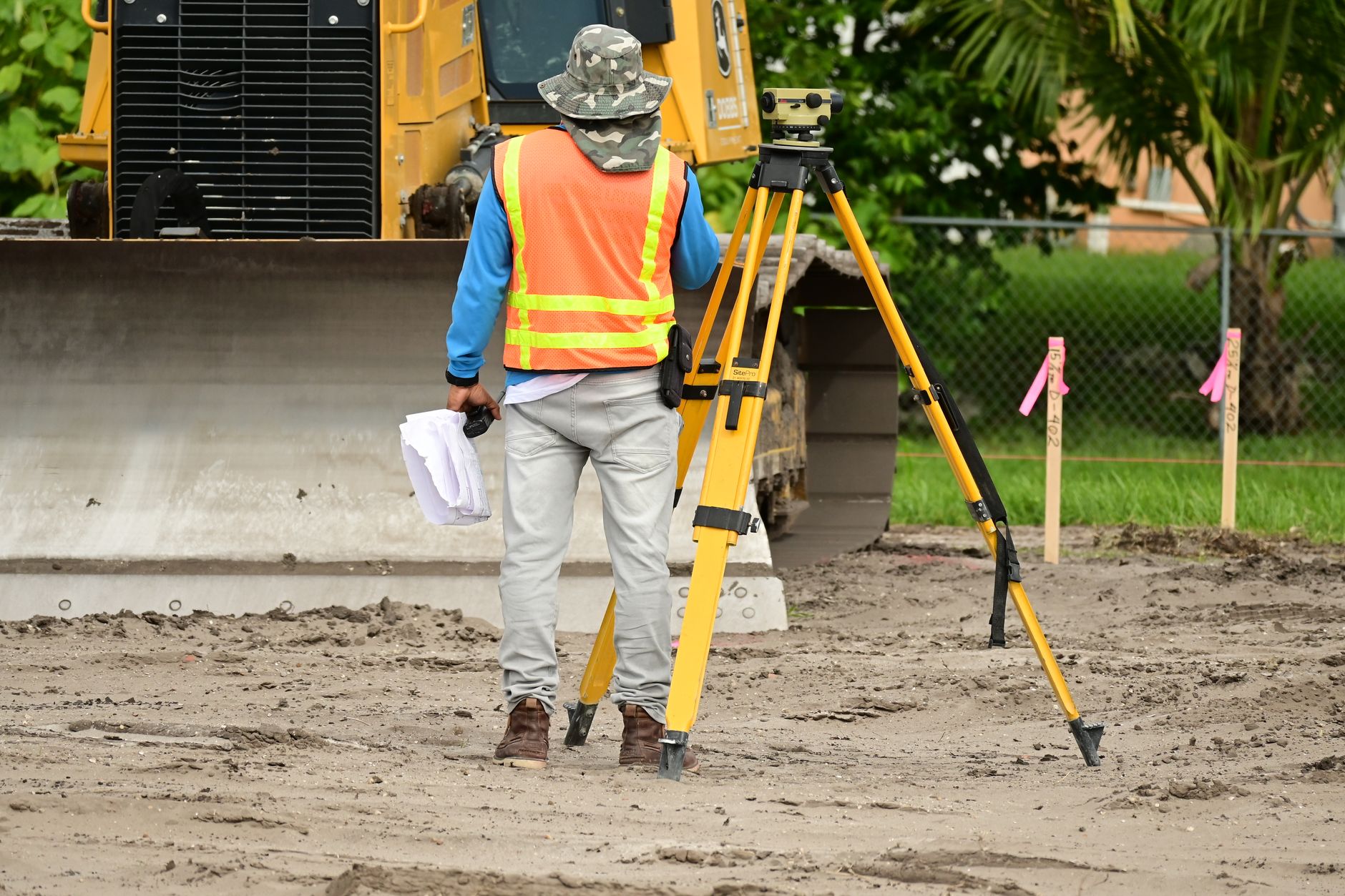
Supervision breaks down when only one person knows the checks. Bring a trim or edge worker into the checks while the lead is still on site, so the next person in that role has already watched them happen.
The crew gap is the reason this matters most. The survey figure above is older than this year's labor data, but the pattern it describes, a lead role that is hard to fill and harder to keep, is worth planning around until your own timecards say otherwise.
Frequently asked questions
Want a robot working for you?
Tell us the job and the site. We will recommend the robot, quote the lease, and keep it serviced.